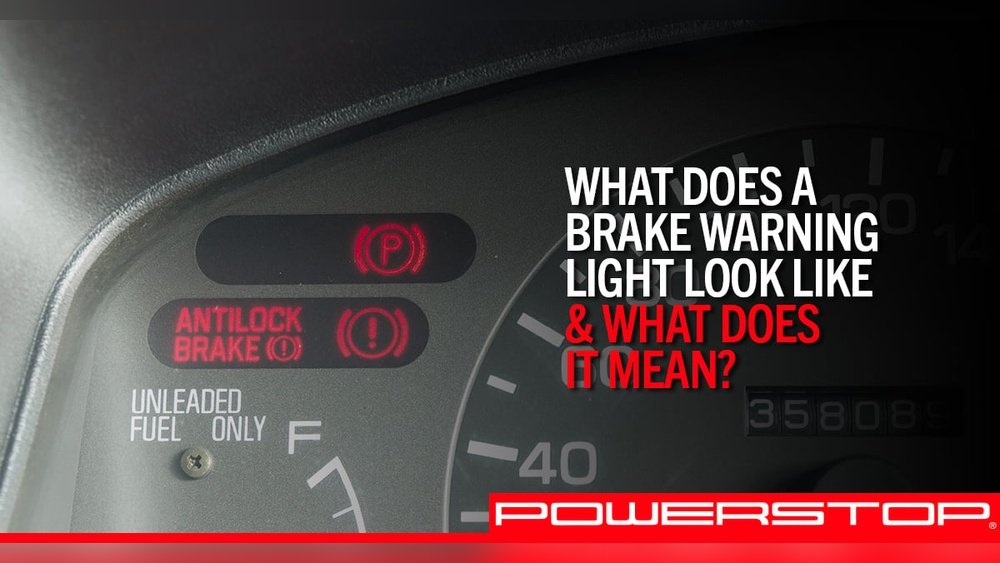
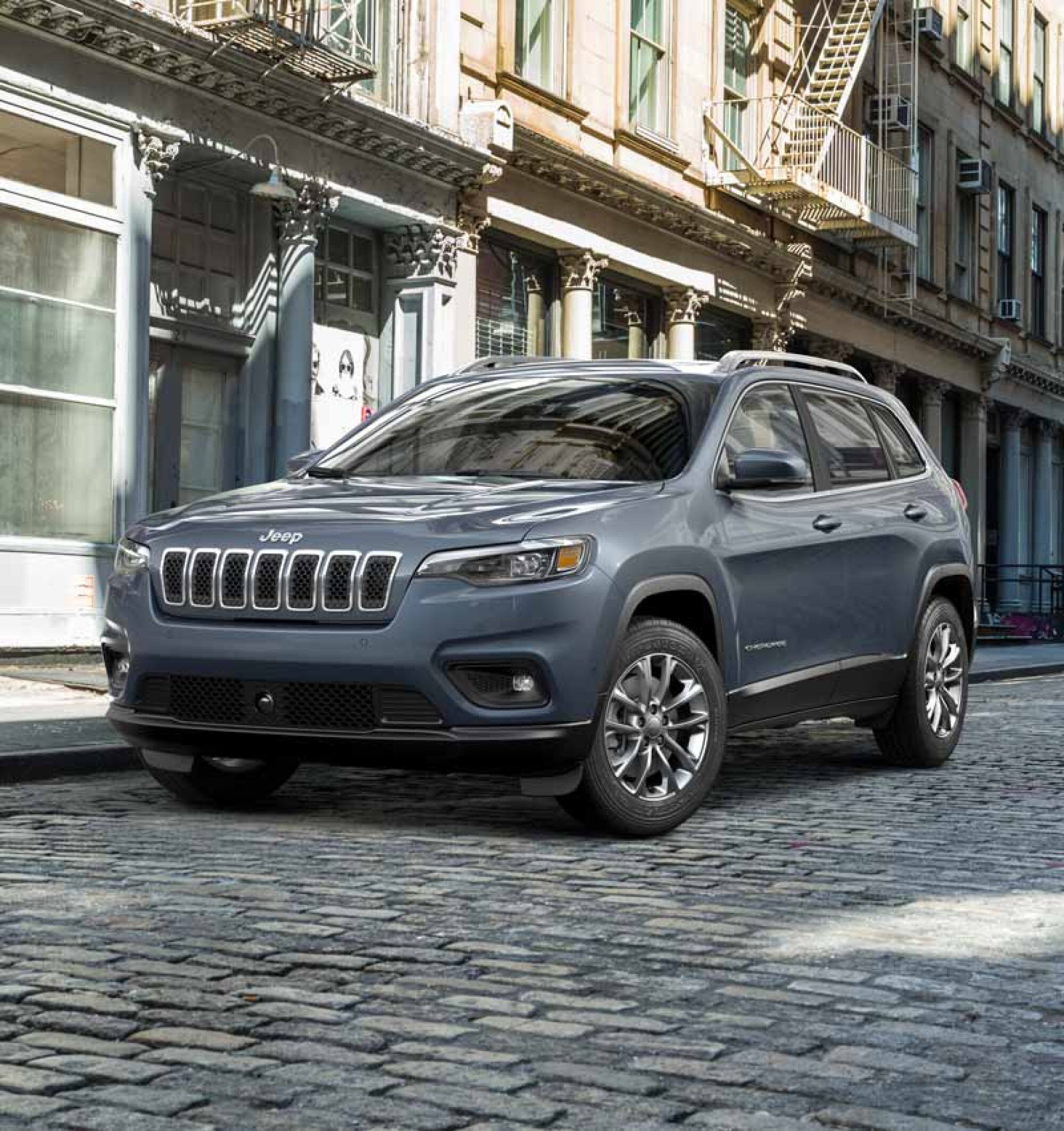
If you drive a Jeep, you know it’s not famous for saving gas. Jeeps are built for power, off-roading, and adventure, but these features often mean higher fuel costs.
With gas prices rising and environmental concerns growing, many drivers want to get more miles from every gallon. The good news: you don’t need to sacrifice comfort or fun to reduce gas usage in your Jeep.
With a few smart changes, you can improve your fuel efficiency and keep your wallet happier.
Why Jeeps Use More Gas
Jeeps are heavier than most cars and have boxy shapes that increase wind resistance. Their engines are designed for torque, not fuel economy. For example, a 2022 Jeep Wrangler gets about 17-25 miles per gallon (mpg), while a Toyota Corolla can reach 30-40 mpg. The difference is big, but it doesn’t mean you can’t improve your Jeep’s performance.
| Vehicle | Average MPG | Weight (lbs) |
|---|---|---|
| Jeep Wrangler | 17-25 | 4,000+ |
| Toyota Corolla | 30-40 | 2,900 |
| Honda CR-V | 28-34 | 3,337 |
Practical Ways To Save Gas
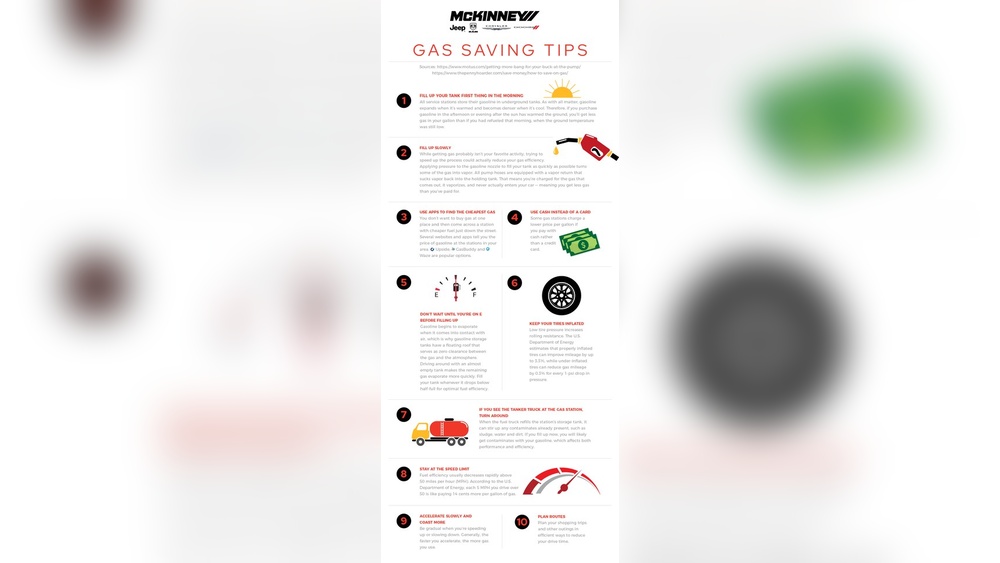
Improving gas mileage in a Jeep starts with small habits and smart upgrades. Here are the most effective steps:
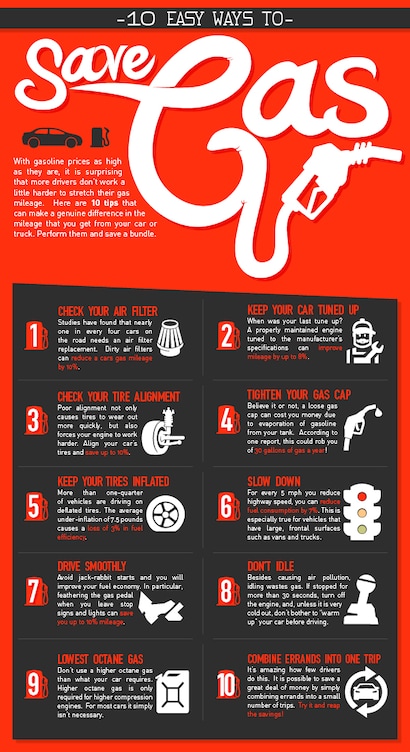
1. Drive Smoothly
Aggressive driving—quick starts and hard stops—can lower your fuel efficiency by up to 20%. Try to accelerate gently and brake slowly. Use cruise control on highways to maintain steady speeds.
2. Check Tire Pressure
Under-inflated tires create more resistance, making your engine work harder. Keep your tires at the recommended PSI (usually 32-35).
Proper tire pressure can increase gas mileage by about 3%.
3. Remove Extra Weight
Jeeps are often loaded with gear, but every 100 pounds of extra weight reduces efficiency by 1%. Remove roof racks, unnecessary tools, or heavy items when you don’t need them.
4. Use The Right Oil
Using manufacturer-recommended oil helps your engine run smoother. Thicker oil can increase friction and lower efficiency. Change oil regularly as per Jeep’s manual.
5. Limit Idling
Idling for more than a minute wastes gas. Modern Jeeps don’t need to “warm up.
” Turn off the engine if you’re waiting.
6. Plan Your Routes
Avoid busy streets with lots of stops. Apps like Google Maps can help you find the fastest routes, reducing wasted gas during traffic jams.
7. Reduce Drag
Roof boxes, racks, and big tires look cool but create drag. Removing them can boost mpg, especially on highways.
8. Use Air Conditioning Wisely
AC uses extra power, lowering efficiency by up to 5%. Open windows at low speeds, but use AC on highways to reduce drag.
9. Maintain Your Jeep
A well-maintained Jeep runs better and uses less gas. Replace air filters, spark plugs, and fuel filters as recommended. Clean fuel injectors can improve mpg.
10. Switch To Eco Mode (if Available)
Some newer Jeeps have Eco Mode. This setting adjusts engine and transmission for better efficiency.
Upgrades That Help
Some upgrades can make a real difference, especially for older models:
- Upgrade tires: Choose low rolling-resistance tires for better mileage.
- Install aerodynamic parts: Small spoilers or air deflectors can cut drag.
- Replace heavy bumpers: Swap steel bumpers for lighter aluminum ones.
| Upgrade | Estimated MPG Boost | Cost Range |
|---|---|---|
| Low Rolling-Resistance Tires | +2 mpg | $400-$800 |
| Aerodynamic Spoilers | +1 mpg | $150-$500 |
| Aluminum Bumpers | +0.5 mpg | $600-$1,200 |
Gas Saving Habits You Might Miss
Many Jeep owners forget these simple actions:
- Parking in the shade: Hot engines use more gas. Parking in cool spots reduces engine stress.
- Using remote start less: Remote start is convenient, but it idles your engine more.
- Regular alignment checks: Misaligned wheels increase resistance and lower efficiency.
Confident Tip: If you drive off-road often, clean mud and debris from under your Jeep. Built-up dirt adds weight and drag.
Real-world Example
Let’s look at a Jeep owner who improved gas mileage. Mike, who drives a 2018 Wrangler, started checking tire pressure weekly, removed his roof rack, and changed his driving style.
He saw his average mpg rise from 19 to nearly 23 a 21% improvement.
Small changes can lead to big savings over a year.
Comparing Gas Saving Options
Here’s how some common strategies stack up:
| Method | Difficulty | Impact |
|---|---|---|
| Checking Tire Pressure | Easy | Moderate |
| Removing Roof Rack | Easy | High |
| Eco Mode | Very Easy | Low-Moderate |
| Upgrading Tires | Medium | High |

Frequently Asked Questions
How Often Should I Check Tire Pressure?
Check tire pressure at least once a month. If you drive off-road, check after every trip.
Proper pressure keeps your Jeep safe and efficient.
Does Using 4wd Use More Gas?
Yes, 4WD uses more gas than 2WD. Only use 4WD when needed (mud, sand, snow). For normal roads, stick to 2WD to save fuel.
Most Jeeps work well with regular gas. Using premium doesn’t improve mileage unless your model requires it. Check your owner’s manual.
Can Engine Tuning Improve Efficiency?
Engine tuning can help, especially for older Jeeps. Adjustments to fuel injection and timing can boost mpg, but it’s best done by a professional.
Where Can I Learn More About Jeep Efficiency?
For deeper info, visit the official Jeep website or read trusted guides like FuelEconomy.gov.
Saving gas in a Jeep is possible with small changes and smart upgrades. Focus on smooth driving, regular maintenance, and reducing drag.
Even a few improvements can make your Jeep more efficient and enjoyable for daily driving or adventure.