Rotating the tires on your Jeep Wrangler is more than just routine maintenance. It helps your tires last longer, keeps your ride smooth, and ensures your vehicle handles safely on every adventure. Many Jeep owners skip tire rotation, but doing it yourself is easier than you think. This guide will walk you through the process step by step, highlight common mistakes, and explain why tire rotation matters for your Wrangler.
Why Tire Rotation Matters For Your Jeep Wrangler
Wrangler owners often drive in tough conditions mud, gravel, and rocky trails. These environments wear tires unevenly.
When tires wear unevenly, you may notice poor traction, noisy rides, or even dangerous handling. Regular rotation balances tire wear, extends tire life, and can save you hundreds of dollars over time.
According to Tire Rack, rotating your tires every 5,000–7,000 miles can increase their lifespan by up to 20%. For a Jeep Wrangler, this is especially important because the vehicle is heavier and often uses all-terrain tires that cost more than standard tires.
Tools And Supplies You Need
Before you start, gather all the tools you’ll need:
- Car jack (hydraulic or scissor)
- Jack stands (at least two)
- Lug wrench (fits your Wrangler’s lug nuts)
- Torque wrench (for proper tightening)
- Gloves and safety goggles
- Wheel chocks (to prevent rolling)
Most of these tools come with a Jeep, but investing in a hydraulic jack and quality jack stands makes the job safer and easier.
| Tool | Purpose | Estimated Cost |
|---|---|---|
| Car Jack | Lifts vehicle | $40–$70 |
| Jack Stands | Supports vehicle | $30–$50 |
| Lug Wrench | Removes nuts | $15–$25 |
| Torque Wrench | Proper tightening | $50–$80 |
Step-by-step Guide To Rotating Tires On A Jeep Wrangler
Follow these steps for a safe, effective tire rotation:
1. Park On A Level Surface
Always park your Jeep Wrangler on a flat, stable area. Engage the parking brake and place wheel chocks behind the rear tires.
2. Loosen Lug Nuts
Use your lug wrench to loosen the lug nuts on each wheel. Do not remove them yet just break them free.
3. Lift The Vehicle
Position your jack under the frame near the tire you’re working on. Lift the Jeep until the tire is off the ground, then place a jack stand underneath for safety. Repeat for each tire.
4. Remove Tires
Take off the loosened lug nuts and remove the tires. Set them aside in a safe spot.
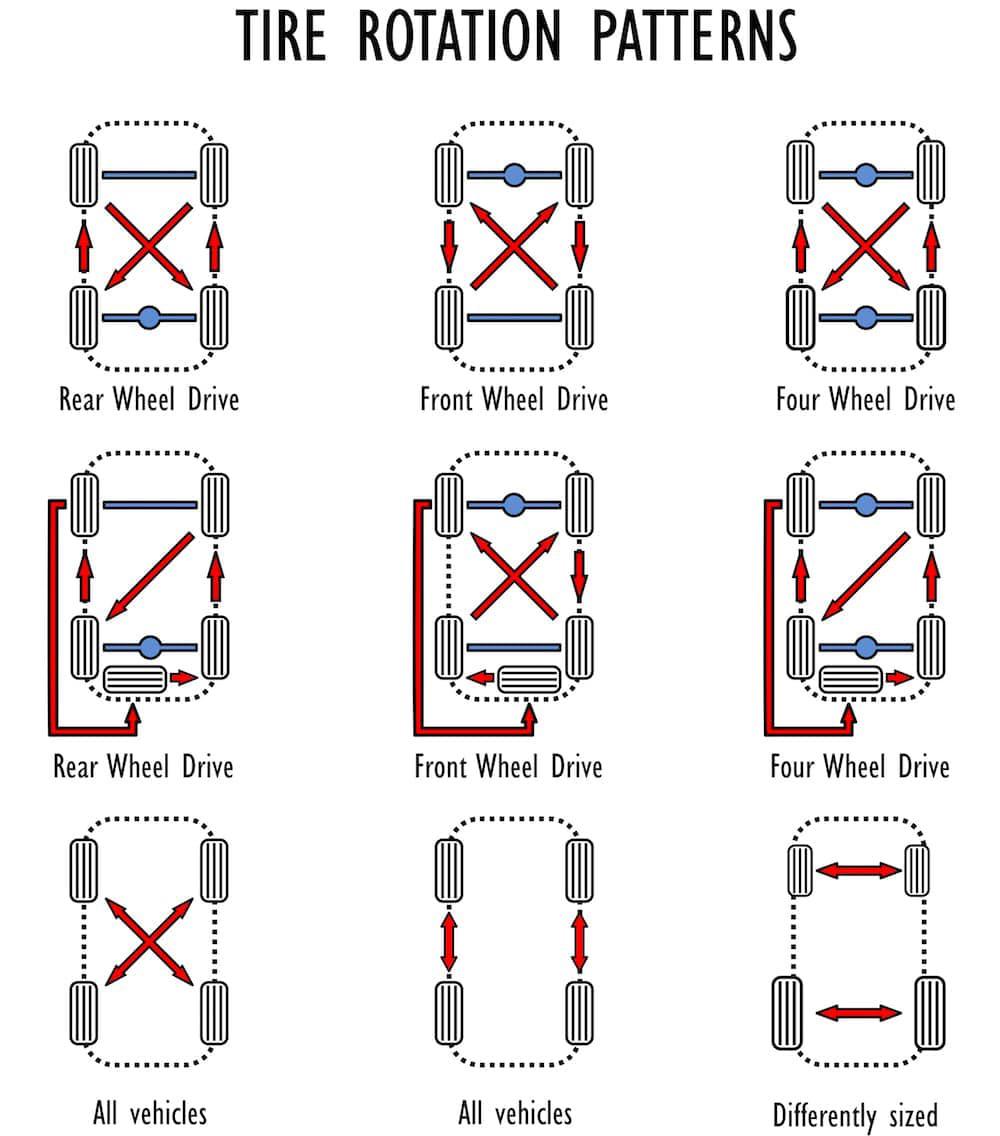
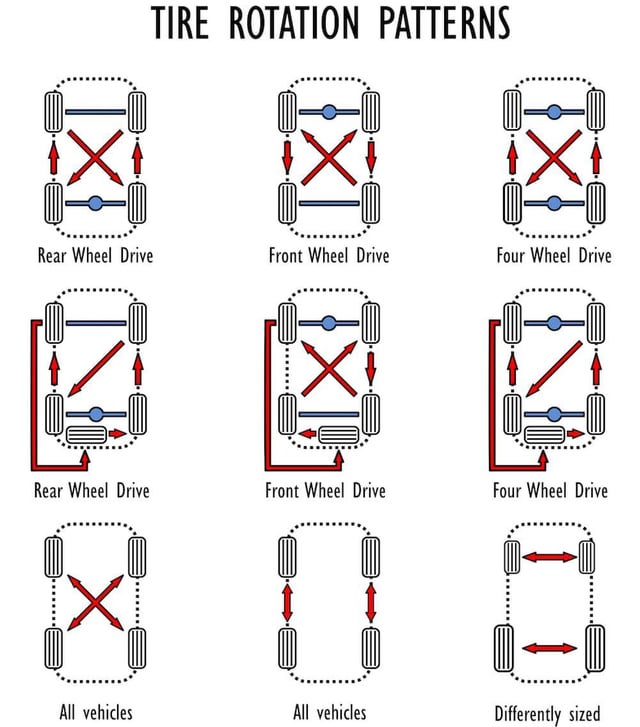
5. Rotate Tires In The Correct Pattern
Jeep Wranglers use a five-tire rotation (including the spare). The pattern depends on whether your tires are directional or non-directional.
| Rotation Pattern | For | How To |
|---|---|---|
| Rearward Cross | 4WD Jeep Wranglers | Rear tires move forward, front tires cross to the rear, spare replaces right rear, right rear becomes the spare |
| Forward Cross | 2WD Wranglers | Front tires move back, rear tires cross to the front |
For most Jeep Wranglers, use the rearward cross pattern. This ensures all five tires wear evenly.
6. Install Tires And Tighten Lug Nuts
Place the tires in their new positions. Hand-tighten the lug nuts first.
7. Lower Vehicle And Torque Lug Nuts
Remove jack stands and lower the Jeep. Use a torque wrench to tighten lug nuts to 95–115 ft-lbs. Always follow your owner’s manual for torque specs.
8. Check Tire Pressure
After rotating, check and adjust tire pressure. Wrangler tires often require 35 37 psi, but consult your manual for exact numbers.
Common Mistakes And How To Avoid Them
Even experienced owners make mistakes. Here are a few to watch out for:
- Skipping the spare: Many forget to include the spare tire. This causes uneven wear and can leave you with a worn-out spare when you need it.
- Incorrect torque: Over-tightening or under-tightening lug nuts can damage threads or cause wheels to loosen.
- Mixing up rotation patterns: Using the wrong pattern can lead to uneven wear and handling problems.
Always double-check your rotation pattern and torque settings. If you’re unsure, consult your Jeep’s manual or ask a professional.

How Often Should You Rotate Tires?
Most manufacturers recommend rotating every 5,000–7,000 miles. If you drive off-road or tow heavy loads, rotate tires more often. Keeping a log helps track rotations and tire wear.
Here’s a quick comparison for tire rotation intervals:
| Driving Condition | Rotation Interval |
|---|---|
| Normal driving | 5,000–7,000 miles |
| Off-road/Heavy loads | 4,000–5,000 miles |
| Highway only | 7,000–8,000 miles |
Practical Tips For Successful Tire Rotation
- Always use the five-tire rotation for Wranglers with a full-size spare.
- After rotation, drive for a few miles, then recheck lug nuts.
- Mark each tire’s previous position with chalk or tape to avoid confusion.
- Keep your tires balanced and aligned for best results.
One insight many beginners miss: tire rotation is also a great time to check for damage, cracks, or unusual wear. Early detection can prevent costly repairs.
Frequently Asked Questions
How Do I Know If My Jeep Wrangler Tires Need Rotation?
If you see uneven tread wear or feel vibration in the steering wheel, it’s time to rotate. Check your mileage and stick to the recommended intervals.
Can I Rotate Tires Without Including The Spare?
You can, but it’s not recommended for Wranglers. Including the spare tire helps all tires wear evenly and ensures your spare is ready if needed.
What’s The Correct Torque Setting For Jeep Wrangler Lug Nuts?
Most Jeep Wranglers require 95–115 ft-lbs of torque. Always check your owner’s manual for the exact specification.
Is Tire Rotation Different For Off-road Tires?
The rotation pattern stays the same, but off-road tires may wear faster. Rotate them more often and inspect for damage after each rotation.
Where Can I Find Official Jeep Wrangler Tire Rotation Patterns?
You can find official patterns and detailed instructions at the Jeep website or from trusted sources like Tire Rack.
Rotating your Jeep Wrangler’s tires regularly keeps your vehicle safe, improves performance, and saves money in the long run. With the right tools and a bit of patience, you can do this task yourself and gain more confidence in maintaining your Jeep.
Remember, consistent maintenance pays off especially for vehicles that see adventure every day.