Restoring faded Jeep fenders can transform the look of your vehicle. Many Jeep owners notice their plastic fenders turning dull, gray, or chalky after years in the sun.
This is not just an appearance issue; faded fenders can also crack and lose flexibility. Thankfully, you can bring back their original shine with the right approach.
Whether you drive a Jeep Wrangler, Cherokee, or Gladiator, this guide will help you revive your fenders and keep them looking fresh. Even if you’ve never tried restoration before, you’ll find these steps simple and effective.
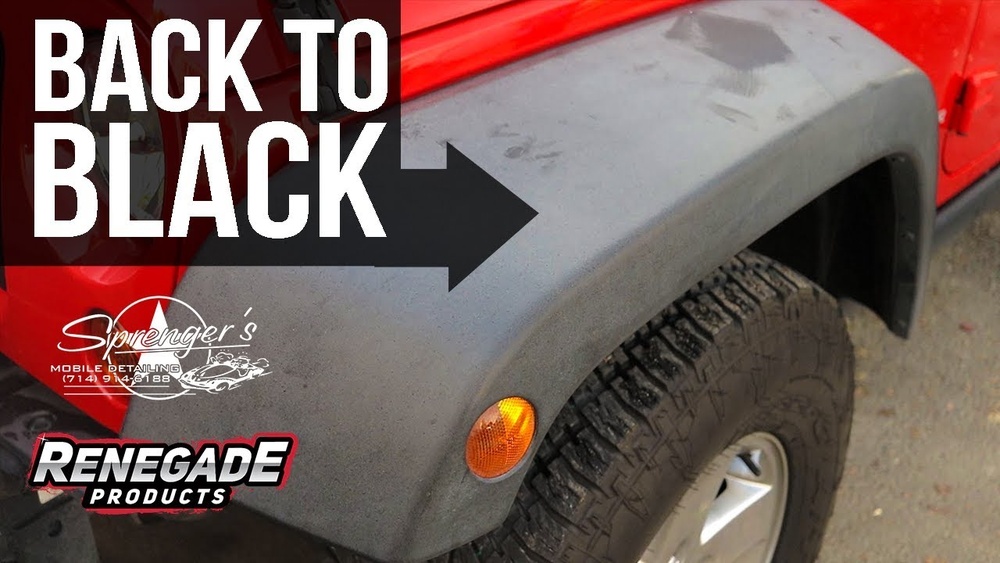
With some basic tools and the right products, you can restore your Jeep’s fenders at home and save money compared to professional detailing.
Why Jeep Fenders Fade
Plastic fenders fade mainly because of UV exposure. Sunlight breaks down the chemical bonds in the plastic, causing it to lose color and turn white or gray. Road salts, mud, and harsh cleaners can also speed up fading. Over time, the surface becomes rough, making dirt stick more easily. It’s common for Jeeps used off-road or parked outdoors to show signs of fading much faster.
Many owners think painting or replacing is the only option, but restoration is often easier and cheaper. The right products and steps can restore fenders to near-new condition.
For example, using a gel-based restorer renews the original color without needing expensive paintwork.
Plus, restoration preserves the unique texture of Jeep fenders, which painted replacements can’t always match.
Essential Tools And Materials
Before starting, gather these items:
- Plastic cleaner (automotive grade)
- Fender restoration product (gel or spray)
- Microfiber cloths
- Soft brush
- Masking tape
- Gloves
- Bucket of water
Some restoration kits include everything you need. For best results, avoid cheap household cleaners; they can dry out the plastic.
It’s also wise to use gloves, especially if you have sensitive skin, because some products contain strong chemicals. Microfiber cloths are better than old towels because they leave no lint and help buff the surface evenly.
If you don’t have a soft brush, an old toothbrush works well for textured fenders.
Step-by-step Fender Restoration
Follow these steps for professional results:
1. Wash The Fenders
Use water and a plastic-safe cleaner. Remove mud, oil, and road grime.
Dry with a microfiber cloth. For stubborn dirt, use the soft brush to scrub gently, especially in corners and textured areas.
Clean fenders make restoration products stick better and last longer.
2. Mask Surrounding Areas
Apply masking tape to protect your Jeep’s paint and lights. This prevents accidental staining.
Take your time with this step; masking carefully saves you from cleaning up mistakes later. Cover any rubber seals too, as restoration gels can cause them to discolor.
3. Apply Restoration Product
Use gloves and a microfiber cloth. Spread the product evenly, working it into the faded areas.
Most gels require 5 10 minutes to soak in. For sprays, apply a light mist and let it sit.
If the fender has deep grooves or texture, use the soft brush to push the product into these areas.
Don’t rush uneven application causes streaks.
4. Buff And Polish
Buff the fenders with a clean cloth. This removes excess product and brings out shine.
Repeat if needed for heavily faded fenders. Buffing should be done in circular motions to avoid lines.
If you see dull spots, reapply a small amount and buff again.
5. Let It Cure
Allow the product to dry fully. Some brands recommend waiting 24 hours before washing your Jeep.
Curing ensures the product bonds to the plastic, so avoid touching the fenders during this time. If you live in a humid area, drying might take a bit longer.
6. Optional: Seal The Fenders
For extra protection, apply a plastic sealant. This helps prevent future fading.
Sealants act as a shield, especially useful if you park outdoors. They also make washing easier since dirt doesn’t stick as much.
Comparing Popular Restoration Products
Choosing the right product is important. Here’s a comparison of three top-rated fender restoration solutions:
| Product | Type | Typical Price | Durability | Ease of Use |
|---|---|---|---|---|
| Meguiar’s Ultimate Black | Gel | $14 | 6 months | Easy |
| 303 Aerospace Protectant | Spray | $12 | 3 months | Very Easy |
| GTechniq C4 | Coating | $35 | 24 months | Moderate |
For most Jeep owners, a gel like Meguiar’s offers the best balance of price and durability. Coatings last longer but cost more and require careful application.
Sprays are quick for touch-ups but may need frequent reapplication. If you are restoring fenders for the first time, gels and sprays are easier to handle.

Restoration Results: What To Expect
Restored fenders usually regain deep black color and smooth finish. Here’s a comparison of fenders before and after restoration:
| Condition | Color | Texture | UV Protection |
|---|---|---|---|
| Before | Gray/white | Rough | None |
| After | Rich black | Smooth | Yes |
Most products also add UV blockers, which protect against future fading. You’ll notice water beads off restored fenders, showing the new protective layer.
If your Jeep had faded, streaky fenders, the change is often dramatic, making your whole vehicle look newer and well cared for.
Common Mistakes To Avoid
Many beginners skip steps or choose poor-quality products. Here are mistakes to watch out for:
- Using household cleaners (can damage plastic)
- Not masking paint (causes stains)
- Applying too much product (leaves streaks)
- Skipping UV protection (quickly leads to re-fading)
One non-obvious tip: if your fenders are deeply scratched, restoration products may not fill the damage. In that case, light sanding with 600-grit sandpaper before applying the gel can smooth the surface. Always sand gently and clean well before applying any product.
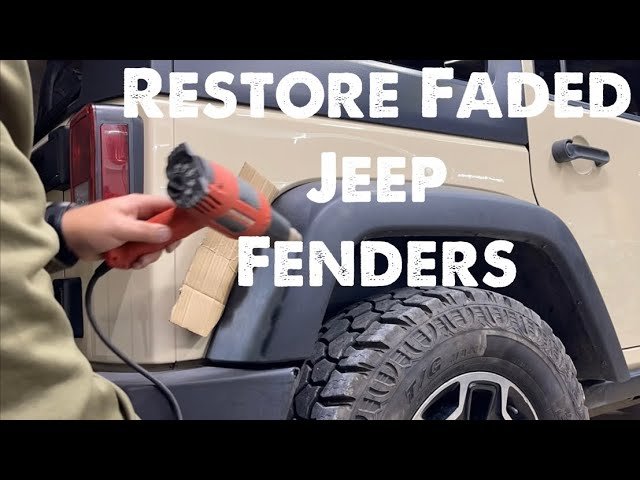
Another insight: some Jeep models have textured fenders. For these, use a brush rather than a cloth to reach grooves. This ensures the restoration product gets into every part of the fender, giving a more even finish. Many people overlook this detail and end up with uneven color.
Long-term Care Tips
Keeping fenders looking good is easier than restoring them. Here’s how to maintain them:
- Wash fenders monthly with plastic-safe soap
- Reapply restoration product every 6–12 months
- Avoid parking in direct sunlight whenever possible
- Use a spray-on UV protectant after each wash
Jeep owners in hot climates should apply protectant more often. A little regular care goes a long way.
If you drive off-road, rinse mud and salt off your fenders soon after each trip. Regular cleaning prevents buildup that can cause fading and staining.
Cost And Time Estimates
Restoring Jeep fenders is affordable. Here’s a breakdown:
| Material | Cost | Time Required |
|---|---|---|
| Cleaner | $8 | 15 min |
| Restoration Gel/Spray | $12–$35 | 30 min |
| Sealant | $10 | 10 min |
Most jobs take under one hour. Professional shops may charge $60 $150 for the same work.
Doing it yourself is not only cheaper but lets you control the process and see the results up close. Some owners enjoy the satisfaction of seeing their hard work pay off.
Frequently Asked Questions
How Long Does Fender Restoration Last?
Most products last between 3 and 24 months. Gels and sprays usually need reapplication every 6 months. Coatings can last up to 2 years. How long the results last depends on climate and how often you wash your Jeep.
Can I Restore Fenders On Older Jeeps?
Yes. Even fenders over 10 years old can be restored unless they are cracked.
Severely damaged plastic may need replacement. Restoration is often more successful on plastic that is just faded, not broken.
Is It Safe To Use Tire Shine On Fenders?
No. Tire shine can make fenders slippery and attract dust. Use products made for automotive plastics. Tire shine often contains oils that do not bond well to plastic.
What If The Fenders Are Painted?
If your Jeep’s fenders are painted, use a gentle car polish instead. Plastic restoration products are for unpainted, textured fenders.
Painted fenders need different care to avoid scratching the finish.
Where Can I Learn More About Plastic Restoration?
You can find expert tips and product reviews at Autogeek.
Restoring faded Jeep fenders is a simple project with a big impact. With the right products and proper care, your Jeep will look sharp for years.
Take the time to follow each step carefully, and don’t forget regular maintenance. Your vehicle and your wallet will thank you.