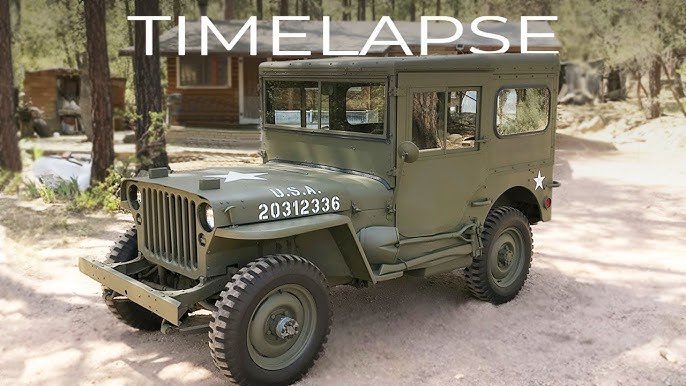
Restoring a Willys Jeep is a rewarding project for anyone who loves classic vehicles. These iconic machines, first produced in the 1940s, are known for their rugged design and military history. Many Willys Jeeps have survived decades, but most need careful restoration to bring them back to life. Whether you want to drive your Jeep or display it, this guide will show you the essential steps, common mistakes, and expert tips for a successful restoration.
Planning Your Willys Jeep Restoration
Before you start, take time to plan every detail. Restoring a Willys Jeep is not just about fixing parts; it’s about understanding the vehicle’s history and making smart decisions.
A well-planned project saves money and prevents frustration later.
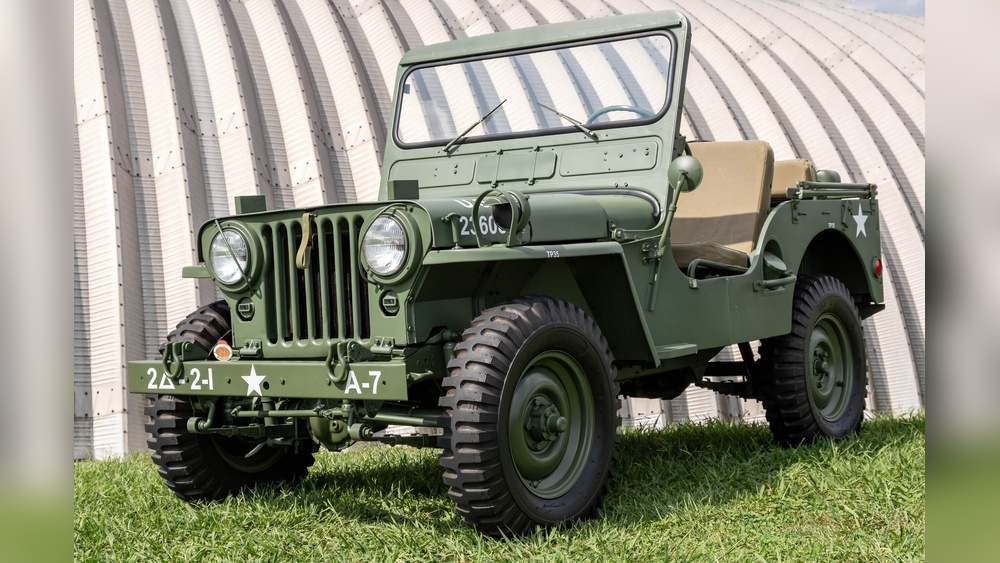
- Set your goal: Decide if you want a show-quality Jeep, a daily driver, or a simple preservation. Show-quality projects need strict attention to original details, while daily drivers can use modern upgrades for safety and comfort.
- Budget realistically: Costs can range from $5,000 to $25,000, depending on condition and originality. Remember to include hidden expenses like shipping, tools, and unexpected repairs.
- Find original parts: Genuine Willys parts are rare. Check online forums, specialty shops, and auctions. Sometimes, you may need to travel to find parts or trade with other restorers.
An often-overlooked tip: documentation. Keep records of every part, serial number, and change. This will help with resale, insurance, and historical accuracy. For example, if you ever want to verify your Jeep’s authenticity or prove its history, your documentation will be essential. Some restorers even keep a photo diary, which helps track progress and can impress buyers later.
Assessing The Condition
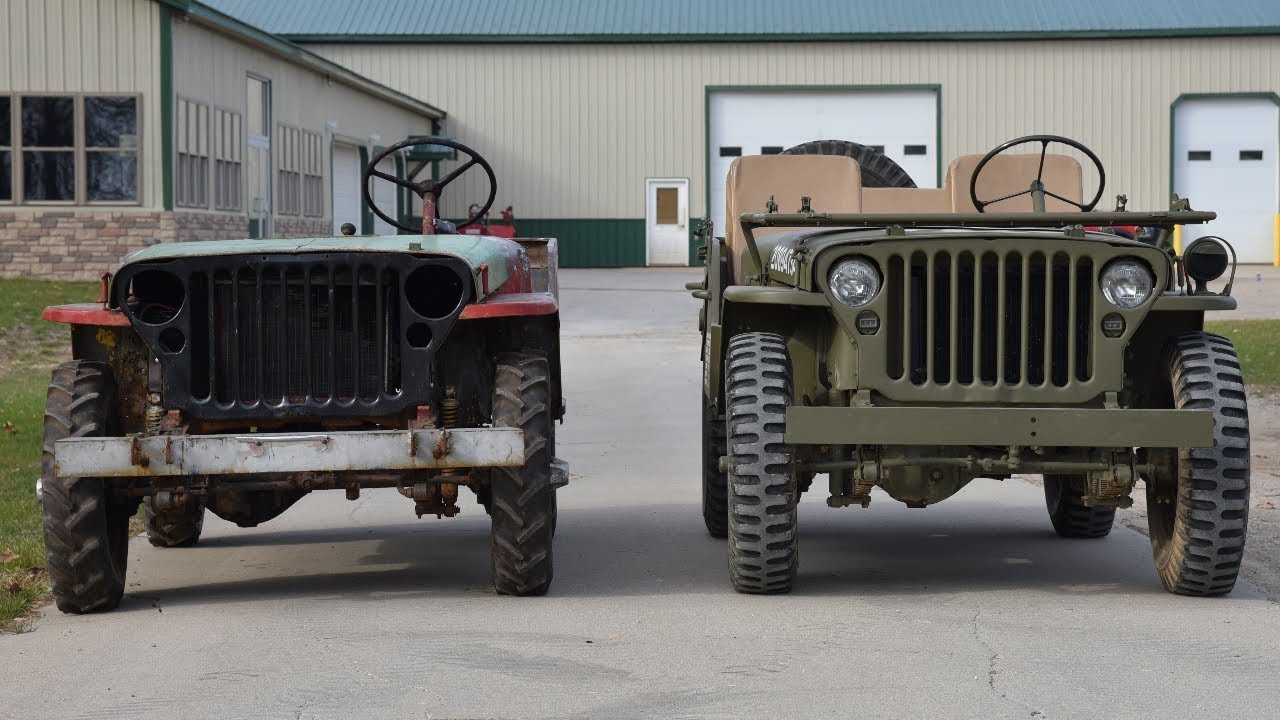
Start by carefully inspecting your Jeep. Look for rust, missing parts, and previous repairs.
Use these checks to decide what needs replacement or repair. Don’t just check visible areas many issues hide beneath paint and under panels.
| Area | Typical Issues | Difficulty |
|---|---|---|
| Frame | Rust, cracks | High |
| Engine | Seized, worn | Medium |
| Body Panels | Dents, holes | Medium |
| Electrical | Corrosion, broken wires | Low |
Hidden rust is a common mistake. Look under seats, inside wheel wells, and beneath the body. Use a magnet to check for filler instead of metal. Also, inspect the chassis for signs of repairs—previous welds may signal past accidents or heavy use. If you find patched or bent sections, these could affect safety and value.
Disassembly And Cleaning
Disassemble your Jeep carefully. Label every part and take photos as you go.
This will make reassembly much easier. Many first-timers skip labeling, but it’s a huge help when parts look similar and fit in specific places.
- Remove the engine, transmission, and axles first. Always drain fluids before removal to avoid spills and mess.
- Strip the body panels and frame. Use proper tools to avoid damaging bolts or panels.
- Clean all parts with degreaser and pressure wash. For small parts, use wire brushes or ultrasonic cleaners for best results.
A smart tip: Store small parts in labeled bags or boxes. This prevents confusion and saves time later. You can use zip bags for bolts and fasteners and write notes about where each item belongs. For larger items, shelving or bins work well.
Repairing And Replacing Parts
Now, focus on repairs. Some parts can be restored; others must be replaced.
Take time to check every piece don’t assume something works just because it looks good.
| Original vs Aftermarket | Pros | Cons |
|---|---|---|
| Original Parts | Correct fit, maintains value | Expensive, hard to find |
| Aftermarket Parts | Cheaper, easy to source | May not fit perfectly, lowers authenticity |
When restoring the engine, measure cylinder compression and check for cracks. Rebuilding an engine costs $2,000–$4,000, but can add years to your Jeep’s life. Also inspect the carburetor, radiator, and fuel lines—these are often overlooked but critical for reliable operation. For bodywork, use welds to fix holes and dents. Avoid using excessive filler, as it can crack over time. For panels, primer and paint are only as good as the prep work beneath them.
Paint And Finishing Touches
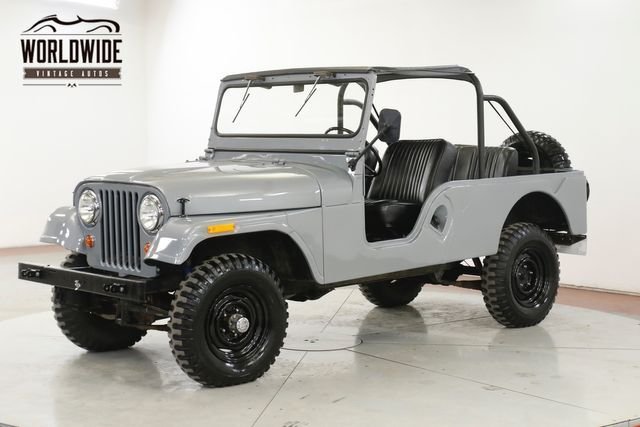
Choose paint colors based on your goal. Original Willys Jeeps used olive drab or navy gray for military versions, and green or tan for civilian models.
Use high-quality automotive paint for durability. Don’t forget to research color codes if you want historical accuracy.
- Sand the frame and panels until smooth. Use finer sandpaper for a better finish.
- Apply primer, then two coats of paint. Primer is essential for adhesion and rust prevention.
- Let the paint cure for at least 48 hours before handling. A slow cure improves durability and shine.
For a factory look, use decals and original badges. A detail many beginners miss: painting the underside and inside panels to prevent future rust. Also, consider painting small items like hinges and brackets—they often rust fast if left bare. For military models, stencils for numbers and stars give an authentic touch.
Reassembly And Final Adjustments
Put everything back together using your labeled parts and photos. Take your time rushing leads to mistakes.
Double-check each step against your notes and photos.
- Install the engine, transmission, and drivetrain. Align mounts carefully to prevent vibration.
- Connect the electrical system and check lights, horn, and gauges. Test each circuit before moving on.
- Add fluids: Oil, coolant, brake fluid. Use recommended grades for vintage engines.
Test drive your Jeep in a safe area. Watch for leaks, strange noises, and alignment issues.
Adjust brakes and steering if needed. If something feels off, stop and recheck never risk damage or safety.
Practical Tips For Success
- Join a community: Willys Jeep forums offer help and advice from experienced restorers. Members often share rare parts, troubleshooting tips, and restoration stories.
- Buy a manual: A factory service manual can answer questions and prevent errors. Manuals also include wiring diagrams and torque specs, which are hard to guess.
- Take your time: Rushing leads to mistakes. A full restoration can take 6–18 months. It’s normal for projects to pause while waiting for parts or solving tough problems.
A useful resource is the Willys Jeep Wikipedia page for model history and specifications.
Frequently Asked Questions
How Much Does It Cost To Restore A Willys Jeep?
Restoration costs range from $5,000 to $25,000. Price depends on the Jeep’s condition, how many original parts you use, and whether you do work yourself or hire professionals. Unexpected costs often come from hidden rust, rare parts, or specialized labor.
What Tools Do I Need For Restoration?
You need basic hand tools (wrenches, screwdrivers), a jack, engine hoist, and welding equipment. Specialty tools, like compression testers or sandblasters, are helpful for specific tasks. For electrical repairs, a multimeter is very useful. If you’re painting, invest in a good spray gun and protective gear.
How Long Does A Typical Restoration Take?
Most restorations take 6–18 months. This depends on your experience, time available, and the Jeep’s condition. Some projects with rare parts can last even longer. If you work weekends only, expect a longer timeline.
Can I Use Aftermarket Parts For My Willys Jeep?
Yes, but original parts are better for value and fit. Aftermarket parts are easier to find and cheaper, but may not look or perform exactly like originals. For critical systems—like brakes and steering—it’s wise to choose quality over price.
Where Can I Find Willys Jeep Parts?
Check online forums, specialty shops, and auto auctions. Many restorers use websites dedicated to Willys Jeeps. Physical swap meets and military vehicle shows also offer rare finds. Another tip: local mechanics sometimes know sources for vintage parts.
Restoring a Willys Jeep is a journey through history and mechanics. With careful planning, attention to detail, and patience, you’ll enjoy a classic vehicle that turns heads and honors its heritage.
Whether you drive it or display it, your restored Willys Jeep will be a source of pride and adventure.