If you drive a 2015 Jeep Cherokee, you may have seen the tire pressure light come on. This small warning light tells you that one or more of your tires may not have the correct air pressure.
While it seems simple, many drivers feel frustrated when the light stays on, even after adding air. Understanding how to reset the tire pressure light can save you time, money, and worry.
Let’s explore why this light matters, how the Tire Pressure Monitoring System (TPMS) works, and step-by-step methods to safely reset the light on your 2015 Jeep Cherokee.
Why The Tire Pressure Light Comes On
The tire pressure light is part of your Jeep’s safety system. It alerts you to low air pressure, which can cause:
- Poor fuel efficiency
- Uneven tire wear
- Bad handling or longer stopping distance
- Risk of tire blowout
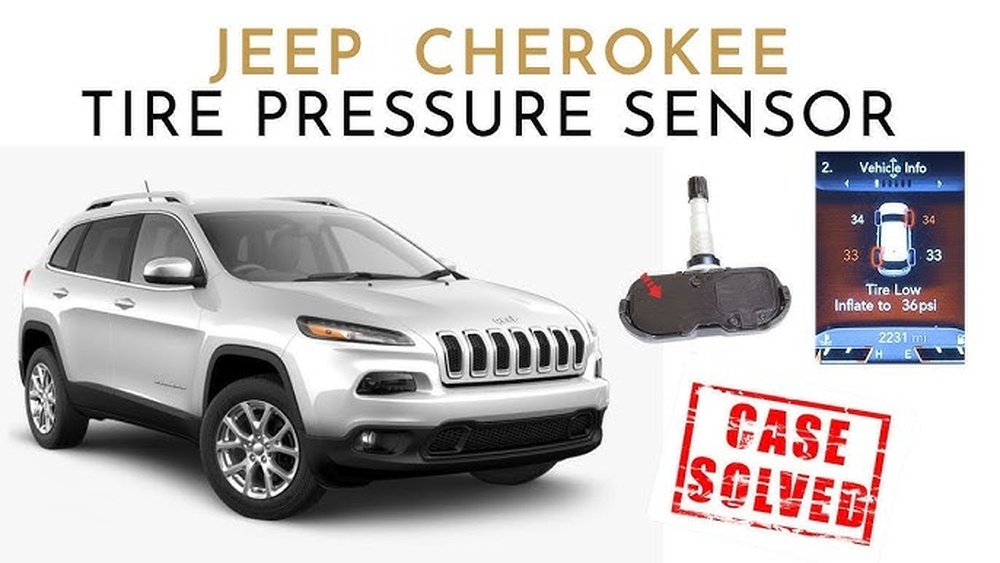
For the 2015 Jeep Cherokee, the TPMS uses sensors in each wheel. These sensors send pressure data to your car’s computer. If a tire drops below the recommended level (usually around 33 psi for this model), the warning light appears on your dashboard.
Common Reasons The Light Stays On
Some drivers refill their tires but notice the warning light remains. This can happen for several reasons:
- Sensors need time to reset: After inflating, it may take a few miles of driving for the system to recognize the change.
- Sensors are faulty or damaged: Old batteries or impact can cause sensor failure.
- Temperature changes: Cold weather can lower tire pressure overnight.
- Spare tire issues: If your Cherokee has a full-size spare with a TPMS sensor, it may also trigger the warning.
Knowing these causes helps you avoid confusion and unnecessary trips to the mechanic.

Checking And Adjusting Tire Pressure
Before you reset the light, always check your tire pressure with a reliable gauge. The correct pressure is listed on a sticker inside your driver’s door.
- Remove the valve cap from the tire.
- Press the gauge onto the valve stem firmly.
- Read the pressure value.
- Inflate or deflate as needed to reach 33 psi (or your model’s recommended value).
- Repeat for all four tires and, if present, the spare.
Tip: Check tire pressure when tires are cold for the most accurate reading.
How To Reset The Tire Pressure Light
After confirming all tires are at the right pressure, follow these steps to reset the warning light on your 2015 Jeep Cherokee:
1. Drive Your Vehicle
The TPMS system often resets itself after you drive for a short time.
- Start your Jeep.
- Drive at speeds above 15 mph for at least 10 minutes.
- The light should turn off if all tires are at the proper pressure.
Some vehicles have a TPMS reset button under the steering wheel or in the glove compartment. The 2015 Cherokee usually does not, but check your owner’s manual.
- Turn the ignition to “ON” (do not start the engine).
- Press and hold the reset button until the light blinks three times.
- Start the engine and wait a few minutes.
3. Disconnect The Battery
If the light stays on, you can try a hard reset:
- Turn off your Jeep.
- Open the hood and disconnect the negative battery cable.
- Wait for 10–15 minutes.
- Reconnect the cable, start the car, and check the dashboard.
This step clears some computer memory and may help reset the TPMS system.
4. Inflate And Deflate All Tires
Another trick is to intentionally change the pressure in all tires:
- Inflate all tires to 3 psi over the recommended amount.
- Deflate them completely (down to 0 psi).
- Re-inflate to the correct pressure.
- Drive for 5–10 minutes to allow the sensors to recalibrate.
This method can force the system to detect changes and reset.
5. Visit A Mechanic Or Dealer
If none of the above works, the sensors may be faulty or the system needs reprogramming. A professional can:
- Scan the TPMS system for errors
- Replace or reprogram sensors
- Update the vehicle’s software
Comparing Reset Methods
Here is a quick comparison of the most common reset methods for the 2015 Jeep Cherokee:
| Method | Difficulty | Time Needed | Success Rate |
|---|---|---|---|
| Driving After Inflation | Easy | 10–20 min | High |
| Battery Disconnect | Medium | 15–30 min | Medium |
| Inflate/Deflate Trick | Medium | 20–30 min | Medium |
| Professional Service | Hard | Varies | Very High |
Important Things To Know About Jeep Cherokee Tpms
Many owners believe that the TPMS light is just a simple warning. In reality, it is a more complex system. Here are some insights:
- TPMS sensors have batteries. These usually last 5–10 years. When they die, the sensor must be replaced.
- Not all Cherokees have a sensor in the spare tire. But if yours does, don’t forget to check it too.
- After replacing a tire or sensor, the system may need to be reprogrammed using a special TPMS tool.
- The TPMS warning does not always mean a leak. Sudden temperature drops can lower pressure and trigger the light. For example, a 10°F drop can reduce tire pressure by 1 psi.
When To Replace Tpms Sensors
TPMS sensors do not last forever. If you notice the tire pressure light blinks and stays on, it often means a sensor is bad.
- Average life: 5–7 years
- Replacement cost: $50–$120 per sensor, plus labor
- Signs of failure: Light stays on, won’t reset, or you see a TPMS warning message on your display
If you replace tires, ask your shop to check the sensor condition.
Common Mistakes When Resetting The Light
Some drivers repeat the same mistakes, making the process more frustrating:
- Ignoring the spare tire: If your Cherokee’s spare has a sensor, it can trigger the light.
- Forgetting to check all four tires: Sometimes only one tire is low, but all should be checked.
- Using cheap gauges: Inaccurate readings can lead you to over- or under-inflate.
- Not waiting long enough: The system may need several miles of driving to update.
- Disconnecting the wrong battery terminal: Always disconnect the negative (black) cable first.
How Tpms Sensors Work: A Closer Look
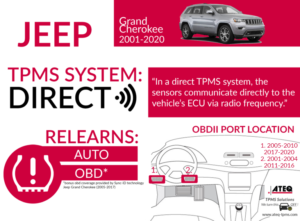
Understanding how the sensors communicate can help you troubleshoot. Each sensor sends a radio signal with its pressure reading to the car’s computer.
If the sensor is damaged, out of battery, or the signal is blocked (for example, by metal objects in the trunk), the warning light may stay on.
Here’s a simple overview of what happens when you inflate your tires:
| Step | Sensor Action | What You See |
|---|---|---|
| Inflate tire | Sends updated pressure | Light may stay on briefly |
| Start driving | Sensor transmits to car computer | Light turns off after a few miles |
| Sensor fails | No signal or wrong data | Light blinks or stays on |
Extra Tips For Keeping Tpms Healthy
- Check tire pressure monthly. Do not rely only on the warning light.
- Avoid using tire sealant unless needed. Some sealants can damage the sensor inside the tire.
- Rotate your tires every 6,000–8,000 miles, and check sensors during rotation.
- Replace sensors in sets if they’re all the same age; this avoids repeated failures.
What To Do If The Light Comes On Suddenly
If the tire pressure light comes on while driving, pull over safely as soon as possible. Use a gauge to check for a flat tire.
If a tire is low or flat, add air or use your spare. Do not ignore the warning, as driving on a flat can damage the tire and the wheel.
Comparing Tpms Reset: Jeep Cherokee Vs. Other Brands
Not every car resets the TPMS the same way. Here’s a comparison between the 2015 Jeep Cherokee, a Toyota Camry, and a Ford Escape:
| Car Model | Reset Method | Owner Reset? |
|---|---|---|
| Jeep Cherokee (2015) | Drive after inflation, or battery disconnect | Yes |
| Toyota Camry (2015) | Manual reset button under dashboard | Yes |
| Ford Escape (2015) | TPMS tool or drive cycle | Partial |
As you can see, Jeep’s system is designed to be simple, but sometimes a stubborn light requires extra steps.
When To Seek Professional Help
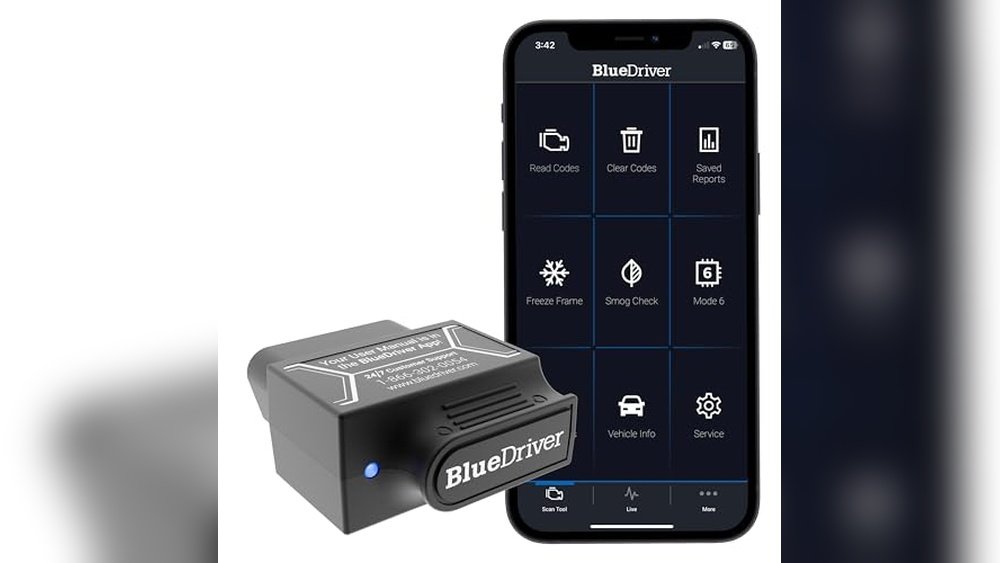
If you have tried all the methods above and the light still will not reset, it’s time to visit a trusted mechanic or Jeep dealer. They have special scan tools that can:
- Test each sensor’s battery and signal
- Relearn or reprogram the TPMS module
- Replace faulty sensors or update system software
For more detailed technical information about TPMS systems, you can visit the Wikipedia TPMS page.
Frequently Asked Questions
What Does It Mean If The Tire Pressure Light Is Blinking?
A blinking tire pressure light often means there is a problem with one of the sensors. It could be a dead battery in the sensor or a communication error.
If the light keeps blinking, have your TPMS checked by a professional.
Can I Drive With The Tire Pressure Light On?
It’s possible, but not safe. The light warns you that one or more tires may be low.
Driving with underinflated tires can cause a blowout or damage your tires and wheels. Always check and fix tire pressure as soon as possible.
How Much Does It Cost To Replace A Tpms Sensor On A 2015 Jeep Cherokee?
A replacement sensor usually costs $50 $120, plus labor. Some shops may charge extra for programming.
Always ask for a quote before agreeing to service.
Does The Spare Tire Have A Tpms Sensor On The 2015 Jeep Cherokee?
Most 2015 Jeep Cherokees have a compact spare without a sensor, but some trims with a full-size spare do include a sensor. Check your owner’s manual or ask your dealer to be sure.
Is There A Way To Disable The Tpms System?
Disabling TPMS is not recommended and may be illegal in some areas. The system is part of your vehicle’s safety features.
If the warning light bothers you, fix the cause rather than trying to turn it off.
Resetting the tire pressure light on your 2015 Jeep Cherokee is usually a simple process, but sometimes it requires patience and the right steps. By keeping your tires at the correct pressure and understanding the TPMS system, you make your drive safer and your tires last longer. If you run into problems, don’t hesitate to ask a professional for help. Safe travels!