Resetting the service light on your Jeep Renegade can save you time and money. Many drivers worry when the service light comes on, but often it just means your car needs routine maintenance like an oil change. You don’t always need to visit a dealer to reset this light. With a simple process and some basic understanding, you can do it yourself. This guide explains everything you need to know, including step-by-step instructions, common mistakes, and answers to the most frequent questions.
What Does The Service Light Mean?
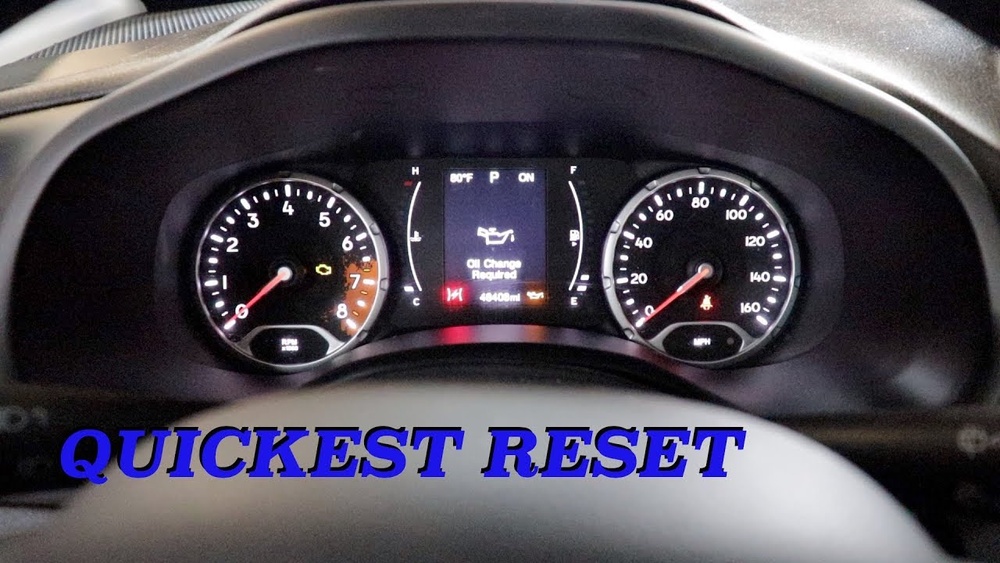
The service light alerts you about maintenance tasks. Usually, it’s triggered by the onboard computer after a set number of miles or when sensors detect the need for oil changes, tire rotations, or other services. It’s not the same as a warning light for serious issues like engine or transmission problems.
If you ignore the service light, you may miss important maintenance. For the Jeep Renegade, the light usually comes on every 5,000 to 10,000 miles, depending on your driving habits and maintenance history.
Preparing To Reset The Service Light
Before resetting, make sure:
- You have completed the required maintenance (like oil change).
- Your vehicle is parked and turned off.
- You understand the difference between the service light and other dashboard lights.
Skipping actual maintenance and only resetting the light can harm your vehicle in the long run. Always check your Jeep Renegade owner’s manual for specific maintenance intervals.
Here’s a quick comparison between the service light and other dashboard indicators:
| Indicator | Meaning | Action Required |
|---|---|---|
| Service Light | Routine maintenance needed | Perform maintenance, then reset |
| Check Engine Light | Possible engine issue | Diagnose or visit mechanic |
| Oil Pressure Light | Low oil pressure | Stop car, check oil level |
Step-by-step: How To Reset The Service Light
The process is simple and can be done in under five minutes. Follow these steps carefully:
- Insert your key and turn it to the ON position (do not start the engine).
- Press the accelerator pedal three times within 10 seconds. Make sure you press all the way down each time.
- Wait for the dashboard lights to blink or the service light to turn off.
- Turn the key to the OFF position.
- Start the car to check if the service light is gone.
If the light does not reset, repeat the steps. Sometimes, timing is off or the pedal is not pressed fully.
Practical Example
Let’s say you just changed the oil at 6,000 miles. The service light comes on.
You follow the steps above. After pressing the pedal three times, the light goes off.
You can now drive confidently knowing your maintenance record is updated.
Here’s a comparison of manual reset versus dealer reset:
| Method | Cost | Time Required | Skill Level |
|---|---|---|---|
| Manual Reset | $0 | 5 minutes | Beginner |
| Dealer Reset | $50-$100 | 30 minutes | Professional |
Common Mistakes And Troubleshooting
Many beginners make simple errors. Here are the most frequent:
- Not pressing the accelerator pedal fully.
- Turning the key too quickly or too slowly.
- Trying to reset without completing the actual maintenance.
If the service light stays on, try these tips:
- Repeat the process slowly and carefully.
- Check for other warning lights. The service light may not reset if there is another active issue.
- Make sure you’re in the ON position, not accessory or start.
A non-obvious insight is that sometimes a battery issue can prevent the reset. If your battery is weak, the system may not register the pedal presses. Consider checking the battery before troubleshooting further.

Why Resetting Matters
Resetting the service light keeps your maintenance records accurate. This helps when you sell your car, as buyers often check service history. It also ensures your vehicle’s computer tracks future maintenance correctly. If you skip resets, the system may give false reminders or miss important alerts.
Here’s a simple data table showing how regular resets impact maintenance tracking:
| Reset Frequency | Maintenance Accuracy | Resale Value Impact |
|---|---|---|
| After Every Service | High | Positive |
| Rarely | Low | Negative |
Extra Tips For Jeep Renegade Owners
- Always record the date and mileage after each reset.
- Use the Jeep Renegade app or digital logs to track maintenance.
- If you perform other maintenance (like tire rotation), check if your model needs a separate reset.
- For newer models, some resets may be done through the dashboard menu instead of pedal presses. Refer to your manual.
Many people miss that some Jeep Renegade models require a slightly different process. For example, push-button start vehicles may need the engine off but electronics on. Always check your specific model instructions.
If you want official guidance, visit the Jeep Owners Page for the latest manuals and updates.

Frequently Asked Questions
How Often Should I Reset The Service Light?
You should reset the service light after each routine maintenance, like an oil change or tire rotation. This keeps your vehicle’s system up to date.
Can I Reset The Service Light Without Doing Maintenance?
Technically, yes, but it’s risky. The light is a reminder for needed care. Skipping maintenance and only resetting the light can lead to engine damage and void your warranty.
What If The Service Light Won’t Turn Off?
Double-check you followed the steps. If the light stays on, there may be another issue.
Check for other warning lights and consider visiting a mechanic if you’re unsure.
Does Resetting The Service Light Affect My Warranty?
No, resetting the light doesn’t affect your warranty. But ignoring maintenance can. Always perform the required service before resetting.
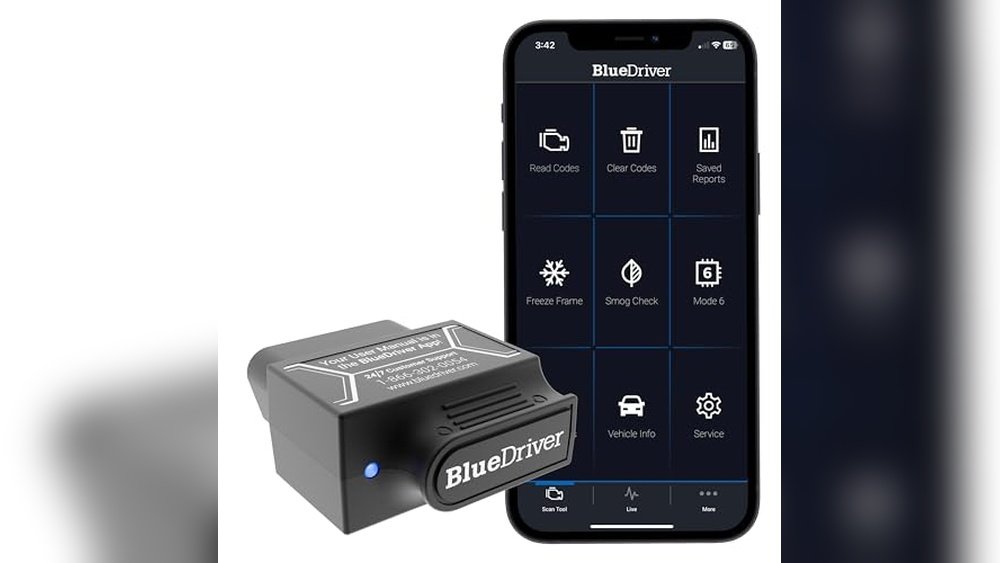
Can I Use An Obd-ii Scanner To Reset The Service Light?
Yes, some OBD-II scanners can reset the service light. This is helpful if manual methods don’t work. Make sure your scanner supports Jeep vehicles.
Resetting the service light on a Jeep Renegade is quick and simple if you follow the right steps. With a bit of care and attention, you can keep your vehicle running smoothly and avoid unnecessary trips to the dealer.
Remember, regular maintenance and accurate records will help your Jeep last longer and retain value.