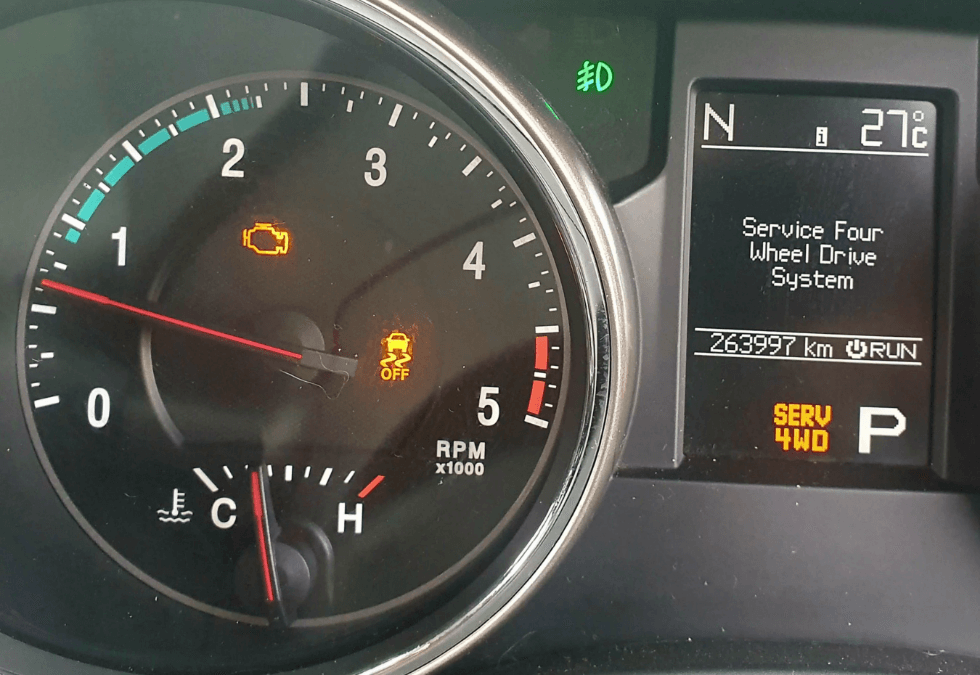
Is your Jeep’s 4WD service light on, and you’re not sure what to do next? That blinking or steady warning can be confusing and even a little frustrating.
But don’t worry resetting the service 4WD light on your Jeep is something you can often handle yourself. Whether it’s a simple glitch or a sign of a minor issue, knowing how to reset this light can save you time, money, and stress.
In this guide, you’ll discover clear, step-by-step tips to get your 4WD system back on track and your dashboard looking normal again. Keep reading you’re about to take control of your Jeep’s 4WD system like a pro.

Common Causes Of 4wd Service Light
The 4WD service light on a Jeep signals an issue in the four-wheel-drive system. Several common problems can trigger this warning.
Understanding these causes helps in diagnosing and fixing the problem quickly.
Some issues are simple, like tire differences. Others involve complex parts like sensors or wiring.
Identifying the root cause can save time and money on repairs.
Tire Size And Pressure Issues
Tires that differ in size or pressure confuse the 4WD system. Wheel speed sensors rely on matching tire rotations.
Mismatched tires cause uneven signals, triggering the 4WD service light. Always check tire size and pressure to avoid this problem.
Damaged Wiring And Connections
Wiring problems are common in Jeeps with off-road use. Corrosion, loose connectors, or broken wires affect sensor signals.
Inspect wiring harnesses near axles, sensors, and the transfer case. Repairing damaged connections often clears the 4WD service light.
Faulty Transfer Case Actuator
The transfer case actuator moves the drivetrain to engage 4WD. If it fails or sticks, the system cannot shift properly.
This failure triggers the 4WD service light. Replacing or repairing the actuator usually fixes the issue.
Failing Front Axle Disconnect Motor
The front axle disconnect motor connects or disconnects the front wheels. When it malfunctions, the 4WD system cannot operate correctly.
This problem causes the service light to appear. Testing and replacing the motor restores proper function.
Bad Wheel Speed Sensors
Wheel speed sensors monitor the rotation of each wheel. Faulty sensors send incorrect data to the 4WD system.
This confusion activates the 4WD service light. Cleaning, repairing, or replacing bad sensors often resolves the warning light.
Initial Quick Fixes
When the Service 4WD light appears on your Jeep’s dashboard, quick initial fixes can often clear the warning. These simple steps address common minor glitches.
They help avoid unnecessary visits to the mechanic. Start with these easy actions to reset the system and see if the light turns off.
Restarting The Vehicle
Turn off the Jeep completely. Remove the key and wait about 30 seconds.
Restart the engine and watch the dashboard. Sometimes, a simple restart resets the 4WD system.
This clears temporary errors from the sensors or computer. It’s the easiest first step to try.
Battery Disconnect Reset
Disconnect the negative battery cable using a wrench. Leave it off for 10 to 15 minutes.
This action resets the vehicle’s computer system. Reconnect the battery and start the Jeep again.
The Service 4WD light may clear after the system reboot. This method works well for minor electronic glitches.
Visual Inspection For Obvious Problems
Look under the Jeep for loose or damaged parts. Check wiring near the axles and transfer case.
Inspect wheel speed sensors for dirt or corrosion. Ensure all tires are the same size and properly inflated.
Obvious physical issues can trigger the 4WD warning light. Fix any visible problems before testing the system again.
Using Diagnostic Tools
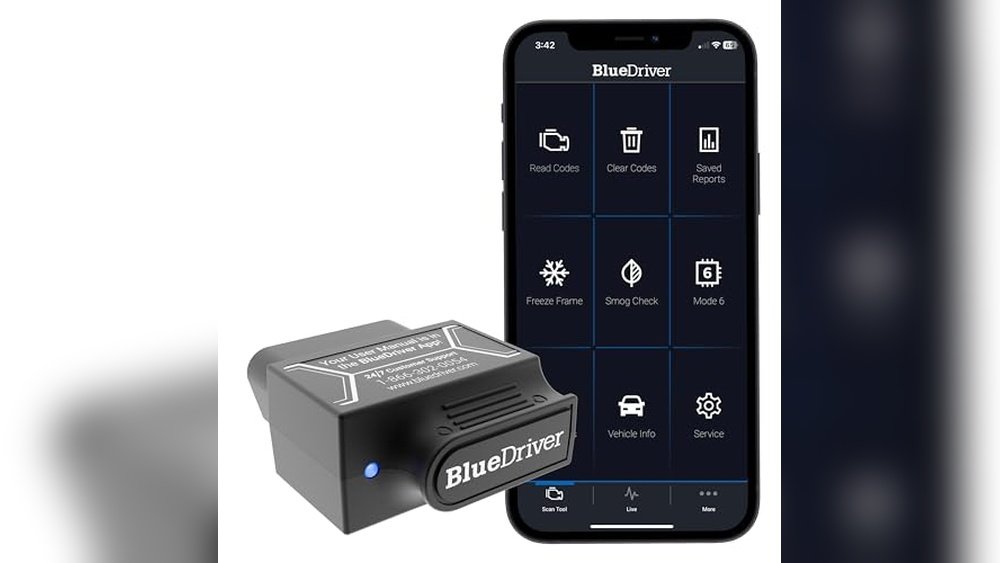
Using diagnostic tools is a reliable way to reset the Service 4WD light on your Jeep. These tools connect to your vehicle’s computer system.
They help find the cause of the warning light. You can read and clear error codes.
This process saves time and avoids guesswork. It ensures you address the actual problem behind the light.
Getting A Code Scan
First, connect an OBD-II scanner to the Jeep’s diagnostic port. This port is usually under the dashboard. Turn the ignition on but do not start the engine. Use the scanner to retrieve stored fault codes. These codes point to issues in the four-wheel-drive system. Note the codes carefully before proceeding.
Interpreting Fault Codes
Each fault code corresponds to a specific problem. The scanner will display a code like P1234 or C5678.
Look up these codes in the scanner’s manual or online Jeep forums. Understanding the code helps identify faulty parts or sensors.
Common issues include transfer case actuator failure or wheel speed sensor faults. Knowing the exact problem guides your repair steps.
Clearing Codes After Repairs
After fixing the issue, reconnect the scanner to clear the fault codes. This action resets the Service 4WD light.
Make sure the repair is complete before clearing codes. If the problem remains, the light will turn back on.
Clearing codes without repair only hides the issue temporarily. Use the scanner’s “Clear Codes” function to erase the stored errors.
Step-by-step Reset Process
Resetting the Service 4WD light on your Jeep involves a clear, step-by-step process. Each step helps ensure the system resets correctly and safely.
Follow these instructions carefully to avoid damage and get your 4WD system working again.
Disconnecting The Battery Safely
First, turn off your Jeep and remove the keys from the ignition. Locate the negative battery terminal, usually marked with a minus sign (-).
Use a wrench to loosen the nut on the terminal. Carefully disconnect the negative cable and secure it away from the battery to prevent accidental contact.
Wait for at least 10 minutes. This pause allows the vehicle’s computer to reset fully.
Avoid touching any electrical components during this time. After the wait, reconnect the negative terminal and tighten the nut securely.
This step helps clear temporary glitches causing the 4WD light.
Resetting The Transfer Case Control Module
The Transfer Case Control Module (TCCM) controls your Jeep’s 4WD system. Resetting it can clear error codes.
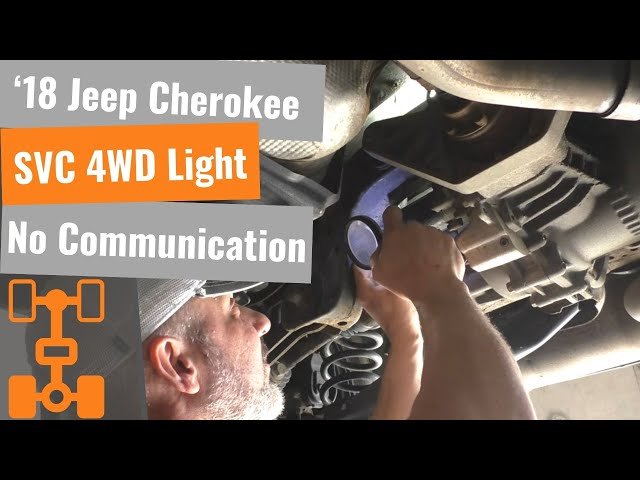
Start by locating the TCCM, often under the driver’s seat or near the transfer case. Disconnect the module’s wiring connector carefully to avoid damaging pins.
Leave the connector unplugged for about five minutes. This pause resets the module’s memory.
Reconnect the wiring harness firmly until it clicks into place. Turn on your Jeep and check if the 4WD light goes off.
This step solves many common 4WD light issues.
Checking And Reconnecting Wiring Harnesses
Inspect all wiring harnesses linked to the 4WD system. Look for loose connections, corrosion, or damaged wires near the axles, wheel speed sensors, and transfer case.
Gently disconnect each harness and clean connectors if needed.
Reconnect each harness securely, ensuring a tight fit. Loose or corroded connections often trigger the Service 4WD light.
After reconnecting, start your Jeep and observe the dashboard. A clear 4WD light usually means the wiring was the cause.
When To Seek Professional Help
The Service 4WD light on your Jeep can indicate various issues. Sometimes, a simple reset solves the problem.
Other times, the light signals a more serious fault. Knowing when to seek professional help saves time and prevents further damage.
This section highlights key signs that require expert attention.
Persistent Or Returning Light
If the 4WD light stays on after resetting, the problem is likely ongoing. A light that comes back quickly means the system detected a fault again.
Ignoring it can cause costly damage to the drivetrain. A professional mechanic can find and fix the root cause safely.
Specialized Diagnostic Equipment
Jeep’s 4WD system uses complex electronics and sensors. Only diagnostic tools designed for Jeep vehicles can read specific error codes.
These tools reveal exact problems behind the warning light. Mechanics use this data to perform precise repairs and reset the system properly.
Jeep service centers have trained technicians familiar with your vehicle’s 4WD system. They use factory-approved parts and follow Jeep guidelines.
Visiting an authorized center ensures your Jeep stays reliable. Professionals can also update your vehicle’s software if needed.
Preventive Maintenance Tips
Preventive maintenance helps keep your Jeep’s 4WD system running smoothly. Regular care reduces the chance of the Service 4WD light coming on.
It also extends the life of your vehicle’s drivetrain. Simple checks and upkeep can prevent costly repairs and breakdowns on the road.
Regular Tire Checks
Ensure all four tires match in size and tread wear. Uneven tires can confuse wheel speed sensors.
Check tire pressure often and keep it at the recommended level. Replace tires that show excessive wear or damage.
Balanced tires help the 4WD system function correctly and avoid triggering warning lights.
Routine Wiring Inspections
Visually inspect wiring harnesses connected to the axles and sensors. Look for signs of corrosion, frayed wires, or loose connections.
Damaged wiring can cause false signals and activate the Service 4WD light. Clean and secure all connectors to maintain proper electrical flow.
Regular checks prevent wiring issues from interrupting 4WD operation.
Keeping 4wd Components Lubricated
Lubricate moving parts such as the transfer case and axle joints. Proper lubrication reduces friction and wear on gears and motors.
Use manufacturer-recommended grease or oil for the best results. Check lubricant levels regularly and top off as needed.
Well-lubricated parts perform better and avoid triggering warning lights.

Frequently Asked Questions
How To Turn Off Service 4wd Light Jeep?
Turn off the 4WD service light by restarting your Jeep or disconnecting the battery for a few minutes. Check tire size, fuses, and wiring.
Use a diagnostic scanner to find and fix issues. Visit a Jeep mechanic if the light stays on.
How To Clear Service 4wd Light?
Restart your vehicle or disconnect the battery for a few minutes to reset the system. Check tire size, fuses, and wiring.
Use a diagnostic scan to identify faults. Fix issues like a faulty transfer case actuator or wheel speed sensor before clearing the 4WD light.
Can I Drive With A Service 4wd Light On A Jeep?
Driving with the service 4WD light on is not recommended. It signals a drivetrain issue that may worsen.
Get a diagnostic scan to identify faults. Address problems promptly to avoid damage.
Visit a Jeep service center for professional repairs and code clearing.
What Would Cause A Service 4wd Light To Come On?
A service 4WD light can activate due to sensor issues, mismatched tires, wiring problems, or a faulty transfer case actuator. Restarting your vehicle or resetting the battery may clear temporary glitches.
Persistent lights require professional diagnostics to identify and repair drivetrain faults.
Conclusion
Resetting the Service 4WD light on your Jeep can be simple or need extra care. Start by restarting the vehicle or disconnecting the battery briefly.
Always check for tire size and pressure differences first. Look for damaged wiring or loose connections near sensors and axles.
Use a diagnostic scan tool to find exact fault codes. Fix any problems before resetting the light.
Persistent issues mean a professional mechanic should inspect your Jeep. Taking these steps keeps your four-wheel drive system working well and your Jeep safe on the road.