Resetting the PCM (Powertrain Control Module) on a Jeep Grand Cherokee can solve many frustrating issues, from check engine lights to odd transmission behavior. Many owners don’t realize how much the PCM influences a vehicle’s performance and reliability. If your Grand Cherokee is acting up and you suspect a glitch, learning how to safely reset the PCM could save you time, money, and unnecessary stress.
Many drivers search for quick fixes online, but not all methods are safe or effective. This article will give you step-by-step instructions, explain what really happens when you reset the PCM, and help you avoid common mistakes that could make things worse.
Whether you’re a DIY enthusiast or just want to understand your Jeep better, you’ll find clear guidance here.
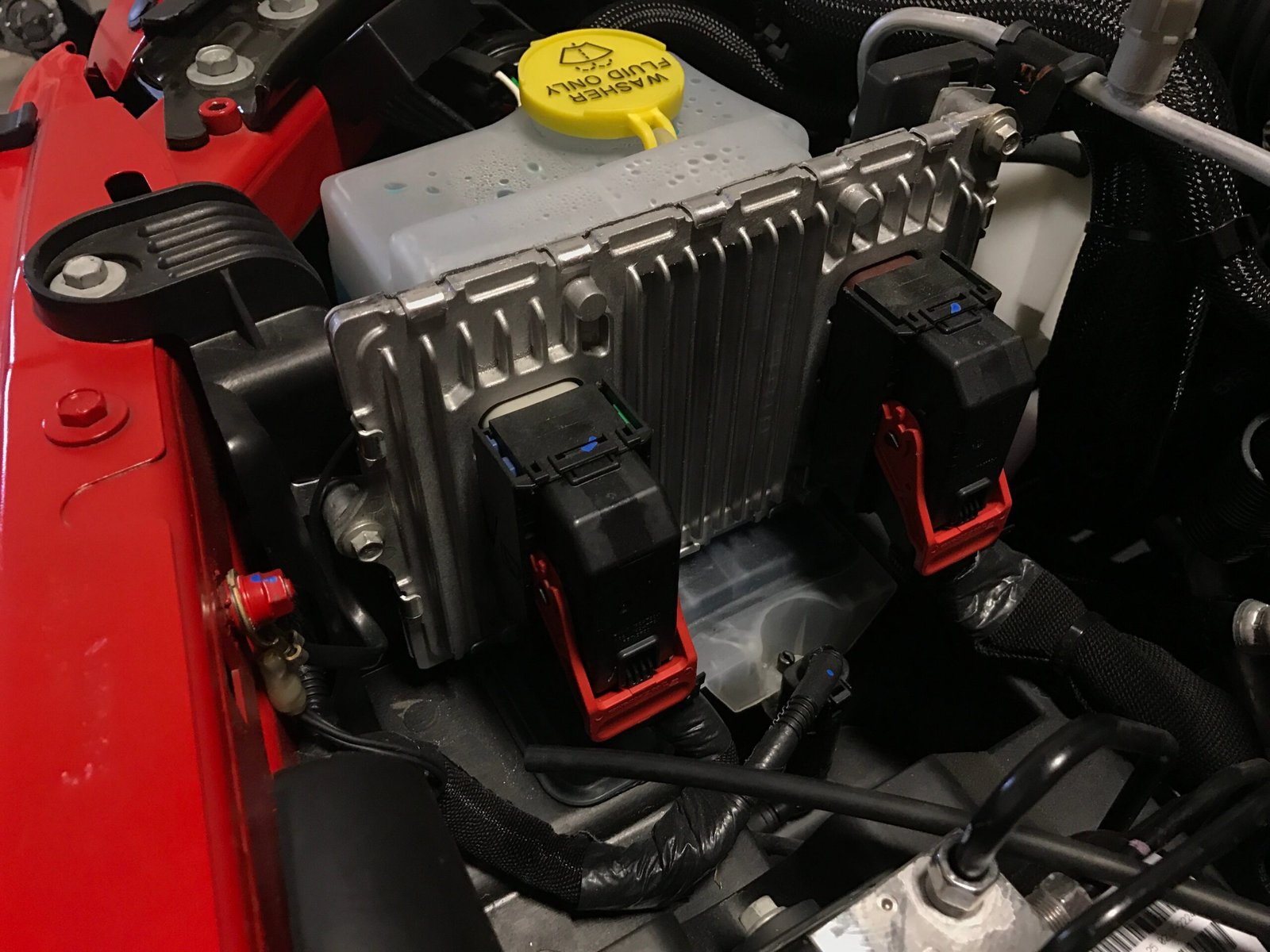
What Is The Pcm And Why Reset It?
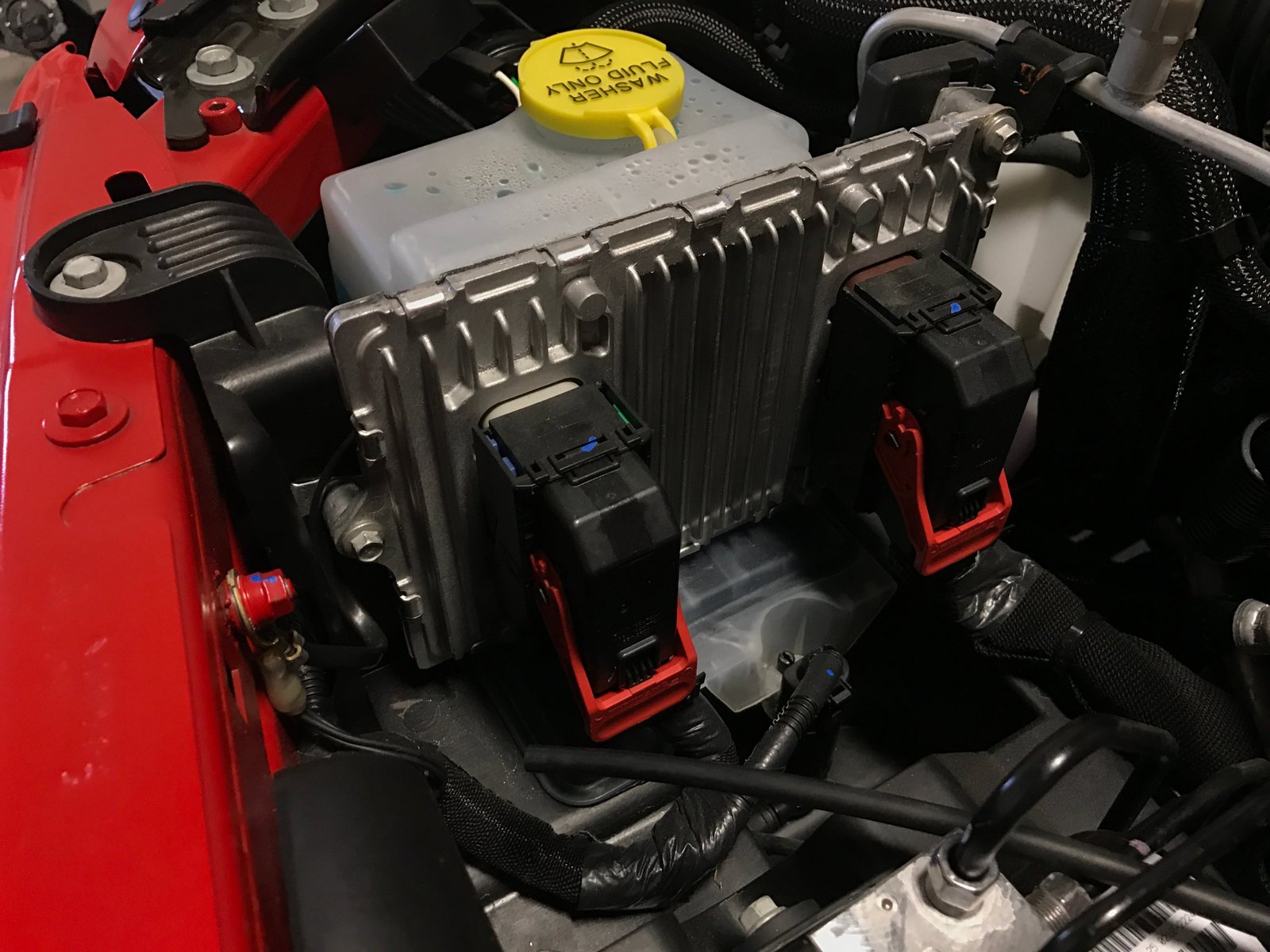
The PCM is the main computer for your Jeep’s engine and transmission. It controls fuel injection, ignition timing, transmission shifts, and other important systems. Think of it as the brain that connects all the critical parts of your Grand Cherokee.
Over time, the PCM learns from your driving habits and makes adjustments. Sometimes, though, it stores bad data or error codes due to battery changes, faulty sensors, or electrical glitches.
When this happens, your Jeep might run poorly or show warning lights even after repairs.
Resetting the PCM erases its memory, forcing it to relearn from scratch. This can clear out old errors and help your Jeep run smoother.
However, it’s not a magic fix for serious mechanical problems.
Common Reasons To Reset Your Pcm
- After replacing sensors or the battery
- When the check engine light stays on after a repair
- To clear stored error codes
- To reset transmission or idle learning
Precautions Before Resetting Your Pcm
It’s important to know that resetting the PCM wipes out all stored data, including learned driving patterns and trouble codes. If your Jeep has a real mechanical or electrical problem, a reset won’t fix it it might even hide the issue temporarily.
Always use an OBD-II scanner to read and record any error codes before you reset. Write down what you find, as this information helps diagnose real problems if they return.
Here are a few other things to remember:
- Radio presets, clock, and some seat memory settings may be lost after a PCM reset.
- If your Jeep has an aftermarket alarm or immobilizer, check if resetting the PCM could trigger a security lockout.
- Make sure your battery is fully charged. A weak battery can cause further problems during the reset process.
- Never reset the PCM just to pass an emissions test—this may cause you to fail if readiness monitors are not set.
Step-by-step: How To Reset Pcm On Jeep Grand Cherokee
There are several methods to reset the PCM, but the safest way is the battery disconnect method. Some newer Jeeps also support resets via OBD-II tools.
Method 1: Battery Disconnect (most Common)
- Turn off your Jeep. Remove the key from the ignition and make sure all accessories (lights, radio, etc.) Are off.
- Open the hood. Locate your vehicle’s battery.
- Disconnect the negative terminal. Use a 10mm wrench to remove the negative (black) battery cable. Always disconnect negative first to avoid sparks.
- Disconnect the positive terminal. If you want a full reset, remove the positive (red) cable as well.
- Press the brake pedal. With both cables disconnected, press and hold the brake pedal for 30 seconds. This helps discharge any remaining power from the system.
- Wait at least 15 minutes. For a more complete reset, some recommend waiting up to 30 minutes.
- Reconnect the battery. Attach the positive cable first, then the negative. Tighten both connections securely.
- Start your Jeep. Allow it to idle for a few minutes. The PCM will now start relearning.
Method 2: Obd-ii Scanner Reset
Some advanced scanners can command a PCM reset.
- Plug your OBD-II scanner into the port under the dashboard.
- Turn the key to the “On” position (engine off).
- Follow the scanner prompts to clear all codes or reset the PCM.
- Start the engine and let it idle.
This method is quick, but not all scanners support a full PCM reset. Make sure to check your scanner’s manual.
Method 3: Fuse Removal (less Common)
Older Grand Cherokees may allow PCM reset by removing specific fuses (often labeled “PCM” or “ECU” in the fuse box). This method is less reliable and not recommended for newer models.
What Happens After The Reset?
When you reset the PCM, it loses all learned adjustments. The next time you start your Jeep, it returns to factory settings.
Over the next 50 to 100 miles, the PCM will slowly relearn how you drive and adjust things like fuel trim and idle speed.
You may notice a few things immediately after the reset:
- Idle may be rough for the first few minutes.
- Transmission may shift differently until it relearns your style.
- The check engine light should turn off if there are no active faults.
If warning lights return or your Jeep runs worse, the original problem may not be fixed.
Pcm Relearning Process
The PCM uses sensors to gather new data. It needs to see different types of driving city, highway, acceleration, and idling to fully adjust.
Try to drive normally and avoid extreme conditions for the first few trips.

Typical Problems A Pcm Reset Can Solve
Resetting the PCM can help with issues caused by stored errors or adaptive data. Here are some examples:
- Stuck check engine light (after the cause is fixed)
- Rough idle or stalling after battery replacement
- Transmission shift problems (if not due to mechanical failure)
- Poor fuel economy after a sensor change
However, if you have a failing sensor, bad wiring, or a true mechanical fault, a reset will not fix the problem. The issue will return, sometimes with new codes.
When Not To Reset The Pcm
Some drivers use PCM resets as a “band-aid” for deeper issues. This often leads to more frustration. Here are situations where you should avoid a reset:
- If your Jeep is still under warranty and the dealer is investigating a problem.
- When you have not yet read or recorded the error codes.
- If you suspect a serious mechanical problem (engine knocking, transmission slipping, overheating).
- Before major emissions testing, as the drive cycle may not be complete.

Comparing Pcm Reset Methods
The right reset method depends on your Jeep model and available tools. Here’s a quick comparison:
| Method | Pros | Cons | Best For |
|---|---|---|---|
| Battery Disconnect | Simple, free, works on all years | Resets radio, clock, can trigger alarm | DIY owners |
| OBD-II Scanner | Fast, no battery removal | Requires compatible scanner | Those with scan tools |
| Fuse Removal | Targeted, doesn’t affect other systems | Confusing, not reliable for all models | Older Jeeps |
How To Know If Your Pcm Needs A Reset
Not every problem requires a reset. Here are clues your Jeep might benefit from a PCM reset:
- Recent sensor replacement but persistent check engine light
- Battery was disconnected and now idle is rough
- Transmission shifts hard after electrical work
- Aftermarket tune removed and you want to return to stock settings
If your Jeep runs well and has no warning lights, there’s no need to reset the PCM.
Pcm Reset Vs. Reflash
Some people confuse PCM reset with a PCM reflash. They’re very different:
| Action | What It Does | Tools Needed | When to Use |
|---|---|---|---|
| Reset | Clears adaptive data, error codes | Wrench, OBD-II scanner | After repairs, to clear codes |
| Reflash | Installs new software or firmware | Dealer or specialist equipment | For recalls, updates, tuning |
A reset is a basic erasing of memory. A reflash actually changes the software the PCM runs. Only trained technicians should perform reflashes.
Common Mistakes To Avoid
Resetting the PCM is usually safe, but there are a few pitfalls:
- Not recording error codes before reset. You lose valuable diagnostic info.
- Disconnecting the battery with the ignition on. This can cause electrical spikes.
- Forgetting to fully tighten battery terminals. Loose connections cause all sorts of electrical problems.
- Expecting a reset to fix hardware failures. If a sensor is bad, the light will come back.
- Not allowing the PCM to relearn. Driving immediately at high speed or towing right after a reset can confuse the system.
Real-world Example
Sarah owns a 2014 Jeep Grand Cherokee. After replacing the throttle position sensor, she noticed the idle was rough and the check engine light stayed on. She disconnected the battery for 20 minutes, reconnected it, and let the Jeep idle.
The light went off, the idle smoothed out, and her Jeep ran normally again.
This shows how a PCM reset can clear up issues after sensor replacement. However, if the sensor wasn’t installed correctly, the problem would have returned.
When To Seek Professional Help
If you’ve reset the PCM and problems return quickly, it’s time for a deeper diagnosis. Some PCM-related issues need dealer-level tools. For example:
- PCM hardware failures: The computer itself can fail (rare).
- Persistent communication errors (U-codes).
- Failed emissions readiness after reset.
In these cases, a certified mechanic or dealership has the tools to update, reflash, or replace the PCM if needed.
Where To Learn More
For in-depth info on Jeep electronics, the Jeep Grand Cherokee owner’s manual and the official NHTSA database are excellent resources. These can help you identify recalls or software updates related to your PCM.
Frequently Asked Questions
How Long Does It Take For The Pcm To Relearn After A Reset?
Usually, the PCM relearns in about 50 to 100 miles of mixed driving. You may notice rough idle or odd shifts during this time, but the Jeep should return to normal quickly if there are no other issues.
Yes, disconnecting the battery often erases radio presets, clock settings, and sometimes seat memory. Navigation map data is usually safe, but addresses and favorites may be lost depending on your model.
Can I Reset The Pcm Without Disconnecting The Battery?
On some newer Jeeps, a compatible OBD-II scanner can reset the PCM without touching the battery. Check your scanner manual for “reset” or “clear adaptive memory” functions.
Is It Safe To Drive Immediately After A Pcm Reset?
Yes, but drive gently for the first few trips. The PCM needs time to relearn your driving habits, so avoid towing, racing, or extreme conditions until idle and shifts feel normal again.
Will A Pcm Reset Fix A Failed Emissions Test?
No. In fact, resetting the PCM just before a test can cause you to fail because emission monitors need time to reset. Only perform a reset after repairs, and drive at least 100 miles before retesting.
Resetting the PCM on your Jeep Grand Cherokee is a powerful tool for clearing up glitches and adapting to repairs, but it’s not a cure-all. Take time to diagnose problems first, use the safest reset method for your model, and drive normally afterward.
If issues continue, don’t hesitate to seek help from a professional. With the right approach, your Jeep will stay reliable for years to come.


















