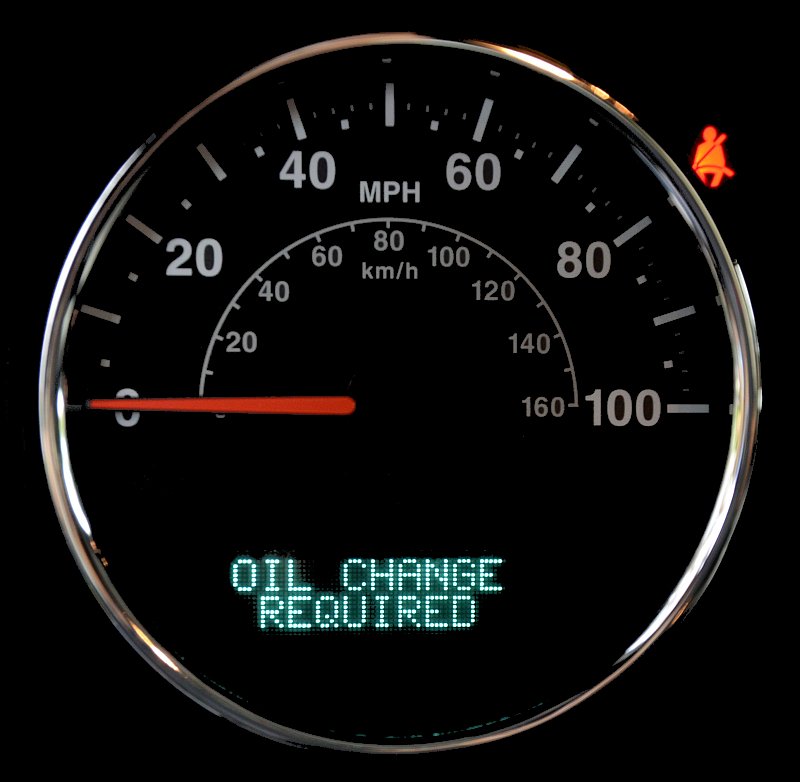
If you own a 2013 Jeep Wrangler, you might notice the oil light turning on after an oil change or when your vehicle senses it’s time for service. This warning is important—it helps keep your engine healthy. But sometimes, after changing the oil, the light stays on. If you don’t reset it, the reminder can become confusing or annoying. Many drivers feel unsure about this process, but it’s actually simple. You don’t need special tools, and you don’t have to visit a dealership every time. Learning to reset your oil light saves time, money, and helps you understand your Wrangler better.
Why The Oil Light Comes On
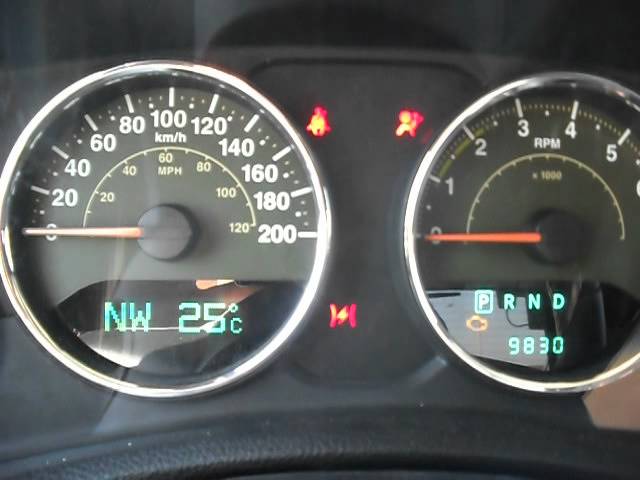
The oil light in your Jeep Wrangler is a maintenance reminder. It’s not just about oil quality—it tracks mileage and engine hours since the last reset. When you change your oil, the light doesn’t automatically turn off. You need to manually reset it. Some drivers think the light means something is wrong with the engine, but it’s usually just a reminder. Ignoring it can hide real problems later, because you’ll miss future alerts.
Importance Of Resetting The Oil Light
Resetting the oil light is more than just turning off a warning. It helps:
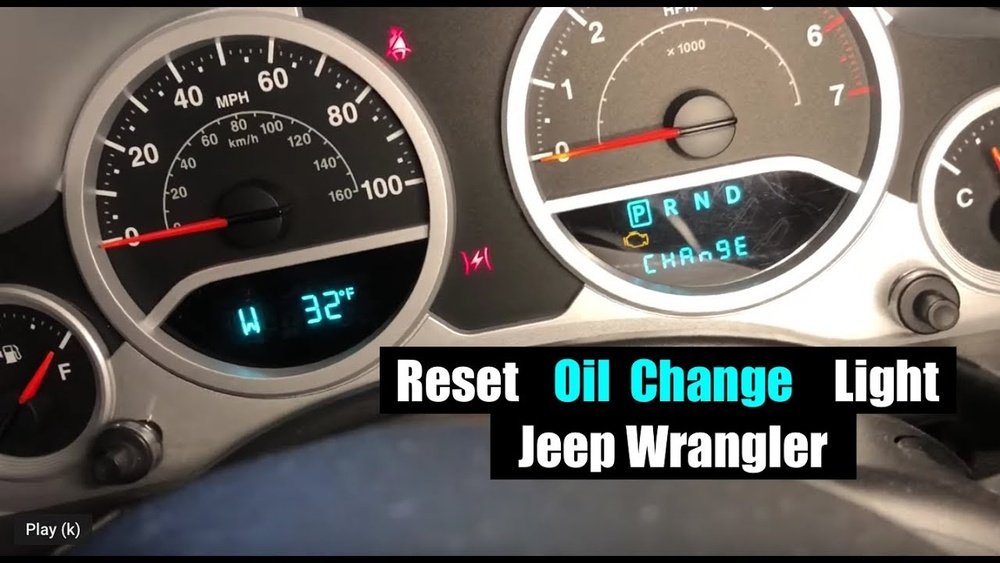
- Track maintenance correctly
- Prevent false alerts after new oil
- Avoid confusion for future owners or mechanics
If the light stays on, you might forget when your next oil change is due. Properly resetting ensures your Jeep stays reliable.
Step-by-step Guide To Resetting Oil Light On 2013 Jeep Wrangler
You don’t need tools or technical skills. Follow these steps:
- Insert the key into the ignition.
- Turn the key to the “ON” position (do not start the engine).
- Press the gas pedal three times slowly within 10 seconds.
- Wait a few seconds. The oil light should turn off.
- Turn off the ignition and then start the engine to check.
This method works for most 2013 Jeep Wranglers. If your light doesn’t turn off, repeat the process carefully.
Make sure you press the pedal fully each time.
Practical Example
Imagine you just changed the oil. You start the Jeep, but the oil light stays on.
You follow the steps above, and the light turns off. Now, your system is ready to track your next service. This process takes less than one minute.
Common Mistakes And How To Avoid Them
Some drivers make errors during the reset. Here are common mistakes:
- Pressing the pedal too fast: The system needs time to register each press.
- Not turning the key to ON: If you start the engine, the reset won’t work.
- Missing a pedal press: Three presses are required, not two or four.
If the oil light stays on, double-check these steps. Try again, but slower.
Understanding Jeep Wrangler Oil Light System
The oil light is connected to the Jeep’s computer system. It records mileage and service intervals. When you reset, the computer starts tracking from zero again. If you skip the reset, the system continues to count, and you’ll get another reminder soon—even if the oil is fresh.
How It Differs From Other Vehicles
Some cars require special scan tools for resets, but Jeep Wranglers use a simple pedal method. This makes it easy for owners and saves trips to the mechanic.
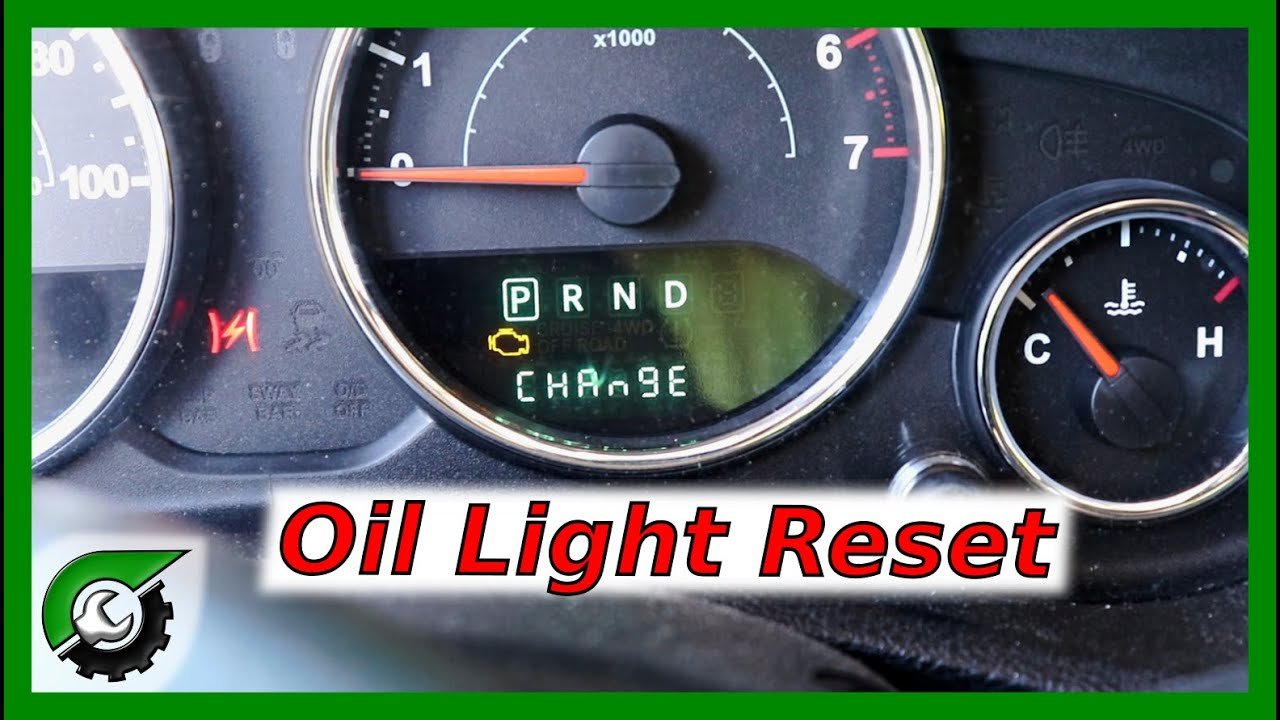
Comparison: Manual Vs. Professional Reset
Here’s a quick comparison between resetting the oil light yourself and having a professional do it.
| Aspect | Manual Reset | Professional Reset |
|---|---|---|
| Cost | Free | $20-$50 |
| Time | 1 minute | 10-30 minutes |
| Tools Needed | None | Scan tool |
| Skill Level | Beginner | Professional |
For most owners, manual reset is quicker and easier. Professionals use scan tools if the system is faulty, but this is rare.
Oil Change Data For 2013 Jeep Wrangler
Knowing the right oil and how often to change it is important.
| Specification | Detail |
|---|---|
| Oil Capacity | 6 quarts (with filter) |
| Recommended Oil | SAE 5W-20 |
| Change Interval | Every 5,000 miles |
| Filter Type | OEM or equivalent |
Using the right oil and filter helps your engine last longer. Resetting the light keeps your maintenance schedule accurate.
Troubleshooting: If Oil Light Won’t Reset
Sometimes, the oil light won’t turn off, even after following the steps. Here’s what you can do:
- Check the pedal presses: Try again, pressing slowly.
- Look for electrical issues: If your battery is weak or connections are loose, the reset may fail.
- Check the owner’s manual: Sometimes, small details differ.
- Visit a mechanic: If the light stays on, there may be a sensor problem.
Most issues are simple. Electrical faults are rare but can affect the system.
Real-world Examples And Insights
Many Jeep owners share their experiences online. One common insight is that the pedal method works well, but some owners with larger tires or modifications notice the reset doesn’t always work.
This is because aftermarket parts can affect sensors.
Another tip: If you use synthetic oil, you can go longer between changes, but always reset the light after each service. Don’t ignore the light, even if you know the oil is new.
Data Table: Oil Light And Engine Health
Keeping the oil light system accurate helps your engine avoid damage. Here’s a comparison of what happens with and without resets.
| Scenario | Engine Health | Maintenance Tracking |
|---|---|---|
| Proper reset | Optimal | Accurate |
| No reset | Risk of missed service | Poor tracking |
| Ignored light | Potential engine damage | Unreliable |
Resets are quick and help protect your investment.
Non-obvious Insights For Jeep Owners
- Resetting the oil light does not affect other warning lights. The process only changes the oil service reminder. If other lights are on, separate steps are needed.
- If you disconnect the battery, the oil light may stay on. Some drivers think battery resets everything, but the oil light is stored in the car’s computer.
- Aftermarket pedals or throttle modifications can change the sensitivity. If you have custom parts, the pedal press may need to be slower or firmer.
These are details many beginners miss. Paying attention helps you avoid mistakes and keeps your Jeep running smoothly.
Benefits Of Diy Oil Light Reset
You save money, but you also gain confidence. Knowing how to reset the oil light means you’re less dependent on mechanics.
You can schedule oil changes based on real needs, not just reminders. This keeps your Jeep reliable and your maintenance costs down.
When To Seek Professional Help
If your oil light won’t reset after several tries, or if it comes back on quickly, see a mechanic. Sometimes, sensors or the computer need service.
Don’t ignore persistent warnings they could mean a real problem.
Resource For Further Reading
If you want more details about Jeep Wrangler maintenance, check the official Jeep site: Jeep Vehicle Maintenance. It has updated guides and tips.
Frequently Asked Questions
How Often Should I Reset The Oil Light On My 2013 Jeep Wrangler?
Reset the oil light every time you change the oil. This keeps your maintenance tracking accurate and helps avoid confusion.
What If The Oil Light Doesn’t Turn Off After Following The Steps?
Try the process again slowly. If it still doesn’t work, check for electrical issues or consult your owner’s manual. Persistent problems may need a mechanic.
Does Resetting The Oil Light Fix Oil Quality Problems?
No. Resetting only turns off the reminder.
Always use the right oil and filter for your engine. If the oil is dirty or low, fix that first.
Can I Reset The Oil Light With A Scan Tool?
Yes, mechanics can use scan tools to reset the oil light. But for most Jeep Wranglers, the pedal method is easier and free.
Will Resetting The Oil Light Void My Warranty?
No. Resetting is recommended after each oil change.
It does not affect your warranty or vehicle protection.
Learning to reset the oil light on your 2013 Jeep Wrangler is simple, effective, and helps you stay in control of your vehicle’s health. With this guide, you can handle the process confidently and keep your maintenance up to date. Your Jeep will thank you with reliable performance and fewer surprises on the road.