Resetting the oil light in your Jeep is more than just a routine task. It signals that your vehicle is ready for new oil and ensures your engine runs smoothly.
Many Jeep owners feel confused when the oil light stays on after a fresh oil change.
If you’re one of them, you’re not alone. This guide will help you reset the oil light on most Jeep models, explain why it matters, and share important tips many beginners miss.
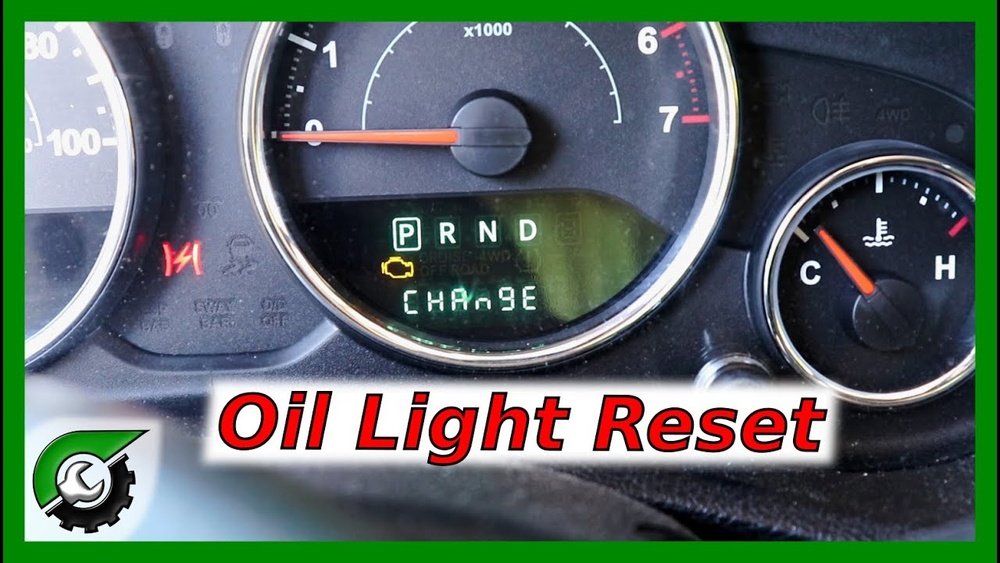
Why Does The Oil Light Come On?
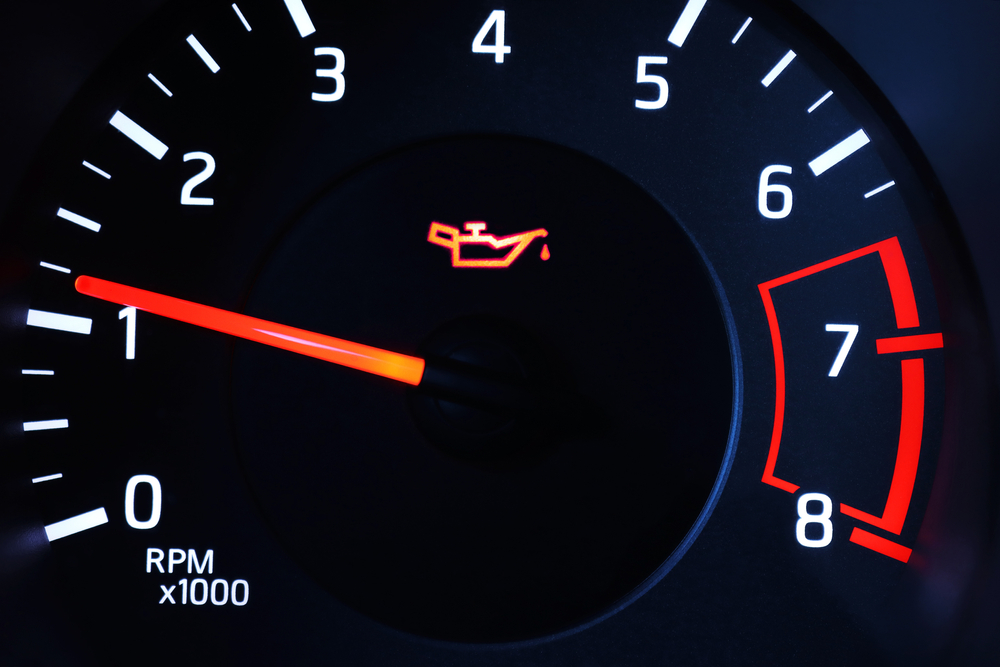
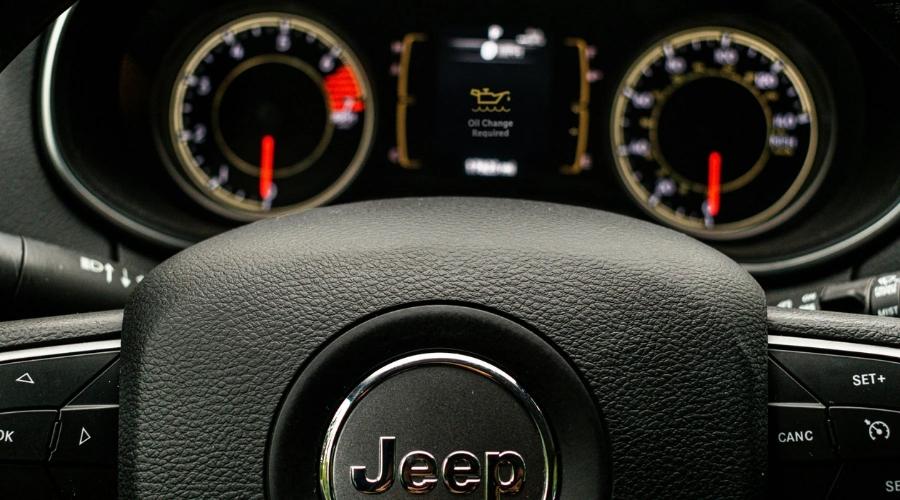
The oil light is not just a reminder for maintenance. It’s a warning system built into your Jeep’s dashboard. When your Jeep’s computer senses it’s time for an oil change, the light comes on. If you change the oil but don’t reset the light, your Jeep will keep signaling you. This can mask real engine problems if you start ignoring the light.
Key facts:
- Most Jeep models recommend oil changes every 5,000–7,500 miles.
- Failing to reset the oil light can confuse you about when the next change is needed.
- The oil light uses sensors and software, not just a timer.
How To Reset Oil Light Jeep: Step-by-step
Resetting the oil light is simple, but the process can differ depending on your Jeep model. Most newer Jeeps use the same system.
Here’s a practical guide for popular models like Wrangler, Cherokee, Grand Cherokee, Compass, and Renegade.
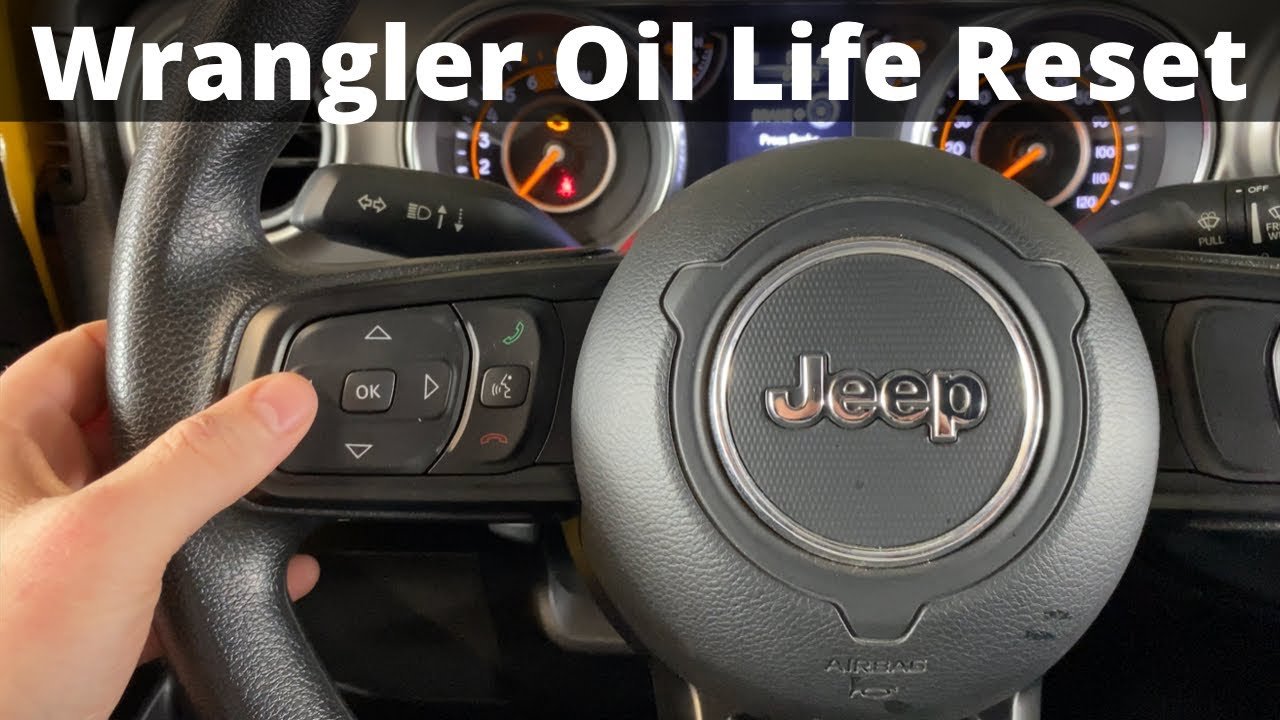
Resetting Oil Light: Jeep Wrangler (2011–present)
- Turn the ignition to the “ON” position. Do not start the engine.
- Press the accelerator pedal three times slowly within 10 seconds.
- Turn the ignition off.
- Start the engine and check if the oil light is gone.
Resetting Oil Light: Jeep Grand Cherokee (2011–present)
- Switch the ignition to “ON” (not running).
- Press the gas pedal three times within 10 seconds.
- Turn ignition off.
- Restart and check the oil light.
Resetting Oil Light: Jeep Cherokee, Compass, Renegade
- Turn ignition to “ON.”
- Press accelerator pedal three times in 10 seconds.
- Turn ignition off.
- Start engine and confirm reset.
Older Jeep Models
Older Jeeps may use different methods. Some require pressing a button on the dashboard, while others might need a scan tool.
Always check your owner’s manual for the correct process.
Common Problems And Solutions
Resetting the oil light should work right away. But sometimes, the light stays on even after following the steps.
| Problem | Possible Cause | Solution |
|---|---|---|
| Oil light stays on | Wrong reset procedure | Repeat steps, check manual |
| Light returns after reset | Sensor malfunction | Visit a mechanic |
| Light never turns off | Electrical issue | Check fuses, seek help |
Key Tips For Successful Reset
- Make sure you press the accelerator pedal slowly three times. Too fast or too slow may not trigger the reset.
- Always turn the ignition to “ON” but not start the engine before resetting.
- If the oil light stays on after several tries, check for underlying issues like sensor failure.
- It’s best to reset the oil light immediately after changing oil. Waiting can confuse the system.
What Happens If You Don’t Reset?
Ignoring the oil light can create several problems:
- Maintenance schedule confusion: You won’t know when the next oil change is really needed.
- False alarms: You may ignore real engine warnings thinking it’s just the oil light.
- Warranty issues: Some Jeep warranties require proof that oil changes and resets were performed.
Jeep Models And Oil Light Reset Differences
The steps to reset the oil light are similar for most Jeeps, but there are subtle differences. Here’s a quick comparison:
| Jeep Model | Reset Steps | Special Notes |
|---|---|---|
| Wrangler | Press gas pedal 3x | Slow pedal press is key |
| Grand Cherokee | Gas pedal 3x | Dashboard button not needed |
| Cherokee | Gas pedal 3x | Works for all trims |
| Compass | Gas pedal 3x | Check manual for older models |
| Renegade | Gas pedal 3x | Sometimes requires scan tool |
Mistakes Beginners Often Make
Many Jeep owners miss these points:
- Not pressing the pedal at the correct speed: Some think faster is better, but slow and steady is needed.
- Starting the engine during the reset: You must keep the engine off.
- Ignoring the owner’s manual: Different years and trims may have unique steps.
- Waiting too long after oil change: Reset right away to avoid confusion.
Real-world Example
Let’s say you own a Jeep Grand Cherokee 2017. You changed the oil, but the oil light stays on. You follow these steps:
- Turn the ignition to “ON.”
- Press the accelerator pedal three times slowly in 10 seconds.
- Turn ignition off.
- Start the engine.
The oil light turns off. If not, you repeat the steps and check your owner’s manual.
If the light still stays on, you ask your mechanic to check the oil sensor.
When To Seek Professional Help
If you have tried resetting several times and the oil light is still on, there may be a deeper issue. Some problems are not fixable at home:
- Faulty oil sensor
- Electrical issues
- Software glitches
A certified Jeep mechanic can diagnose and fix these problems. For more technical details, you can check official Jeep resources like this Jeep Maintenance Guide.
Frequently Asked Questions
Can I Reset The Oil Light Without Changing The Oil?
Yes, you can reset the oil light without changing the oil, but it’s not recommended. This will only turn off the warning, not solve the real issue.
What If The Oil Light Comes Back After A Reset?
If the oil light returns, it could mean a sensor problem or that the oil change wasn’t completed correctly. Check oil levels and consult a mechanic.
Do I Need Any Special Tools To Reset The Oil Light?
For most Jeep models, no tools are needed. However, some older or rare models may require a scan tool.
How Often Should I Reset The Oil Light?
You should reset the oil light every time you change the oil. This keeps your maintenance schedule accurate.
Is It Safe To Drive With The Oil Light On?
It’s not safe to ignore the oil light. It could mean low oil or a serious engine issue.
Always check your oil level and reset the light after maintenance.
Resetting the oil light on your Jeep is quick, easy, and keeps your vehicle running properly. By following the correct steps and avoiding common mistakes, you’ll ensure your Jeep’s engine stays healthy and you stay safe on the road.