If you own a Jeep Renegade, you know how important regular oil changes are for keeping your engine healthy. But after changing the oil, you might notice the oil change light on your dashboard does not turn off by itself.
This light is a reminder, not a sensor, so you need to reset it manually. If you skip this step, you may not know when your next oil change is due, which can lead to engine problems down the road.
Resetting the oil light is simple and does not require any special tools or technical skills. Many Jeep Renegade owners do it themselves in just a few minutes. This guide will walk you through each step, explain why the reset is necessary, and help you avoid common mistakes.
Why The Oil Light Stays On
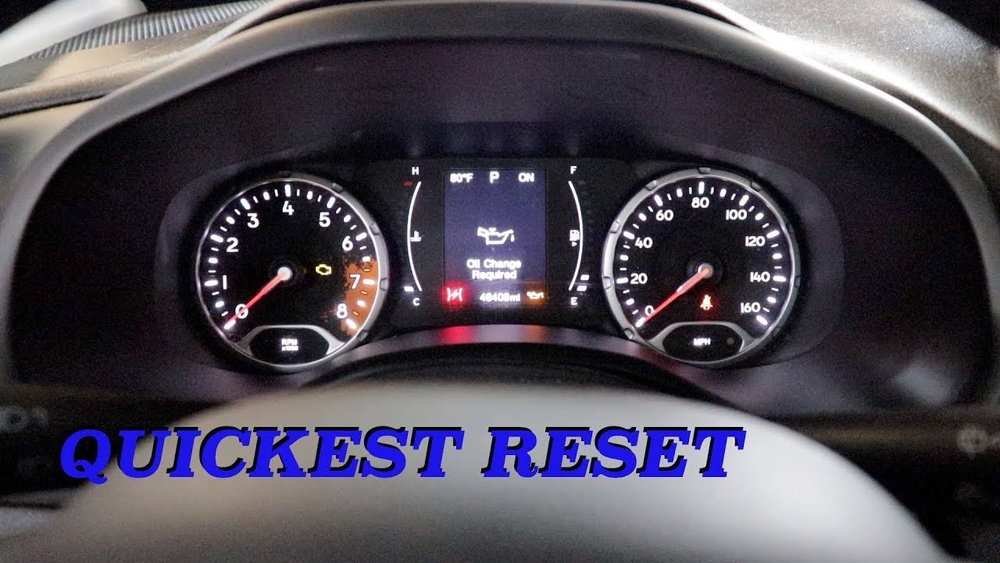
The oil change light in your Jeep Renegade is controlled by the car’s internal computer. It tracks engine hours and miles driven since the last reset. When you change your oil, the system does not automatically know, so the light stays on as a reminder. If you ignore or forget to reset it, you could miss the next oil change, which may lead to increased engine wear or even failure.
Some drivers think the light checks oil quality in real time. However, it does not measure oil condition directly.
Instead, it’s a timer based on your driving patterns and mileage. That’s why resetting it after each oil change is essential.
How To Reset Oil Light On Jeep Renegade
Resetting the oil change light can be done from inside your vehicle. You do not need a mechanic or a diagnostic tool. Here are the steps for most Jeep Renegade models (2015 and newer):
- Turn on the ignition. Do not start the engine. Insert your key or push the start button to the ON position. The dashboard lights will come on.
- Press the gas pedal three times. Within ten seconds, press the accelerator pedal all the way to the floor and release it three times.
- Turn off the ignition. Switch the key to the OFF position or press the start button again.
- Start the engine. Turn your key or press the button as normal. Check your dashboard. The oil change light should be off.
If the light is still on, repeat the process slowly. Timing is important.
Make sure each pedal press is full and within the ten-second window.
Quick Reference Table: Oil Light Reset Steps
| Step | Action | Key Detail |
|---|---|---|
| 1 | Turn ignition ON (do not start engine) | All dashboard lights appear |
| 2 | Press accelerator 3 times | Do this within 10 seconds |
| 3 | Turn ignition OFF | Wait a few seconds |
| 4 | Start engine | Oil light should be off |
When Should You Reset The Oil Light?
You should only reset the oil light after a real oil change. Resetting the light without changing the oil can result in engine damage, since you might skip an important maintenance interval. The recommended oil change interval for most Jeep Renegade models is every 5,000 to 7,500 miles or every 6 months, whichever comes first. Always check your owner’s manual for the exact schedule.
Common Mistakes To Avoid
Many Jeep Renegade owners make small errors when resetting the oil light. Here are the most common mistakes and how to avoid them:
- Not turning the ignition fully ON: The dash lights must be on, but the engine off.
- Pressing the gas pedal too slowly or too quickly: All three presses must be within ten seconds.
- Not pressing the pedal to the floor: Partial presses may not register.
- Resetting without an oil change: This can harm your engine.
- Ignoring a still-lit oil light: If the light remains after several tries, consult your manual or a mechanic.

Oil Light Reset: Digital Display Vs. Manual
Most Jeep Renegade models use the manual pedal method above. However, some trims with advanced digital displays may let you reset the oil light through the on-screen menu.
Here’s a comparison of both methods:
| Method | How It Works | Which Models |
|---|---|---|
| Pedal Method | Use gas pedal and ignition | All trims, 2015–present |
| Digital Menu | Menu on dash screen | Some higher trims, 2019+ |
If your Renegade has a touchscreen or advanced display, check your manual for menu reset steps. Usually, you’ll find “Vehicle Info” or “Oil Life” in the settings.
Practical Tips For Jeep Renegade Oil Maintenance
- Keep a record of each oil change and reset date. This helps you track maintenance and can boost resale value.
- Use high-quality oil recommended by Jeep. This keeps your engine running smoothly.
- Check your oil level monthly, even if the light is off. Low oil can damage the engine quickly.
- If your oil light comes back soon after a reset, check for leaks or consult a mechanic.
- Don’t rely only on the light; always follow the mileage or time intervals in your manual.
Oil Change Interval Comparison
The Jeep Renegade’s recommended oil change interval is similar to other small SUVs:
| Vehicle | Oil Change Interval |
|---|---|
| Jeep Renegade | 5,000–7,500 miles |
| Honda HR-V | 7,500 miles |
| Ford EcoSport | 7,500 miles |
| Chevy Trax | 7,500 miles |

Frequently Asked Questions
How Do I Know If My Oil Light Reset Worked?
After resetting, turn on your engine and look for the oil change light. If it disappears, the reset was successful. If it stays on, repeat the steps or check your manual.
Can I Drive With The Oil Change Light On?
You can drive short distances, but you should not ignore the light for long. It means your car thinks it’s time for an oil change.
Driving too long may lead to engine wear or damage.
Does Resetting The Oil Light Fix Low Oil Level?
No, resetting the oil light only resets the maintenance reminder. It does not add oil or fix leaks.
Always check your oil level manually after a change.
What If My Oil Light Comes Back After A Reset?
If the light returns soon after resetting, check for an oil leak or faulty sensor. If you recently changed the oil and the light comes back, consult a mechanic.
Where Can I Find Official Jeep Maintenance Info?
You can find detailed maintenance info and official recommendations on the Jeep official maintenance site.
Taking a few minutes to reset your oil change light after each service keeps your Jeep Renegade’s maintenance on track. Following these easy steps will save you time, help avoid engine trouble, and give you peace of mind on the road.