Replacing a thermostat in a 2016 Jeep Wrangler is a straightforward job for most car owners. The thermostat controls coolant flow, keeping your engine at the right temperature. If it fails, your Jeep may overheat or run cold, affecting performance and fuel economy. Many drivers ignore thermostat issues, but fixing them early prevents bigger engine problems. This guide breaks down the process, explains common mistakes, and shares tips so you can do the job confidently. Even if you have little car repair experience, you can handle this with some patience and basic tools.
Signs Your Thermostat Needs Replacement
You may notice symptoms before the thermostat fails completely. Watch for:
- Engine overheating: The gauge goes above normal, and you may see steam under the hood.
- Coolant leaks: Puddles under the Jeep, especially near the front, often signal a problem.
- Heater not working: Cold air blows when heat is on, even after the engine warms up.
- Check engine light: Error codes for cooling system, which can be checked with a simple OBD-II scanner.
These symptoms may not always appear together. Sometimes you’ll only notice one, like the heater blowing cold air on a chilly morning.
Replacing the thermostat usually solves these issues. A bad thermostat can damage your engine, so don’t wait.
If you keep driving with a faulty thermostat, you risk warping the cylinder head or blowing a head gasket, which are expensive repairs.
Tools And Parts Needed
Gather these before you start:
- New thermostat (for 2016 Jeep Wrangler)
- Coolant (about 2 gallons)
- Socket set (8mm and 10mm sockets)
- Screwdrivers
- Drain pan
- Gasket scraper
- Torque wrench
- Gloves and safety glasses
The thermostat costs about $20-$40. Coolant prices vary by brand.
Always check the owner’s manual for the right coolant type using the wrong kind can cause corrosion or reduce cooling efficiency. Having extra rags and a flashlight handy helps, especially if you drop a bolt in a tight spot.
Step-by-step Replacement Guide
Follow these steps for a safe, clean replacement.
1. Cool Down And Drain Coolant
- Let your Jeep sit until the engine is cool. Waiting at least 30–45 minutes is safest.
- Open the radiator cap slowly to release pressure. Be careful—residual pressure can spray hot coolant.
- Place a drain pan under the radiator to catch old coolant and avoid spills.
- Open the drain valve and let coolant flow out. Some Jeeps have a petcock valve; others may need the lower hose removed.
2. Remove Air Intake And Locate Thermostat
- Disconnect the negative battery cable for safety. This prevents accidental shorts while working.
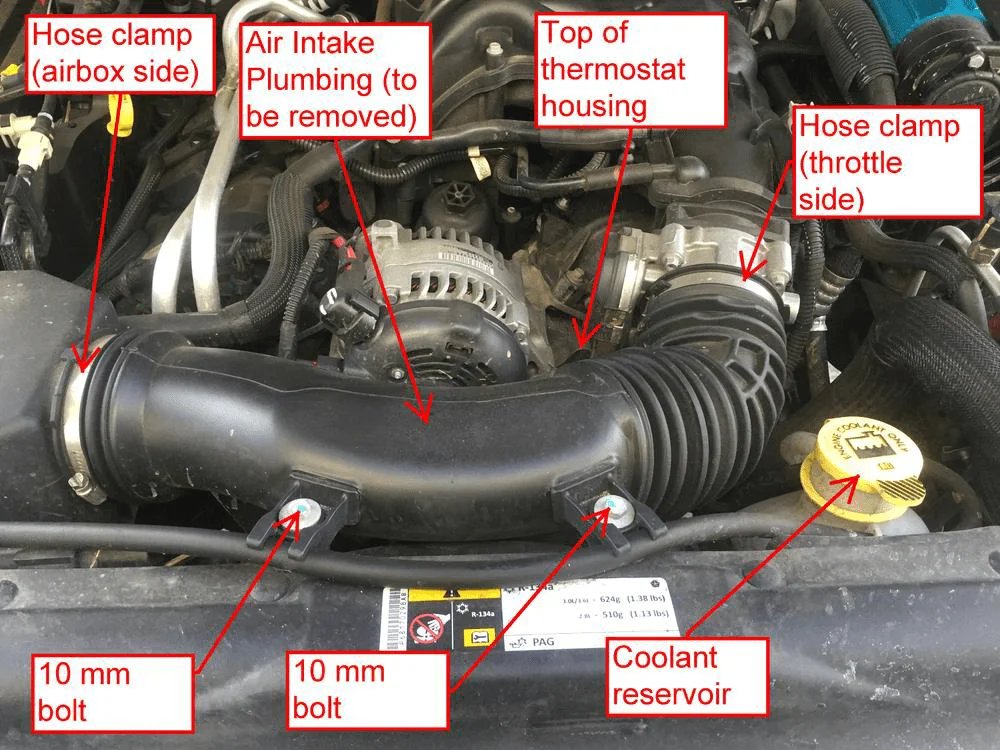
- Remove the air intake tube using a screwdriver. Gently set it aside to avoid damaging sensors.
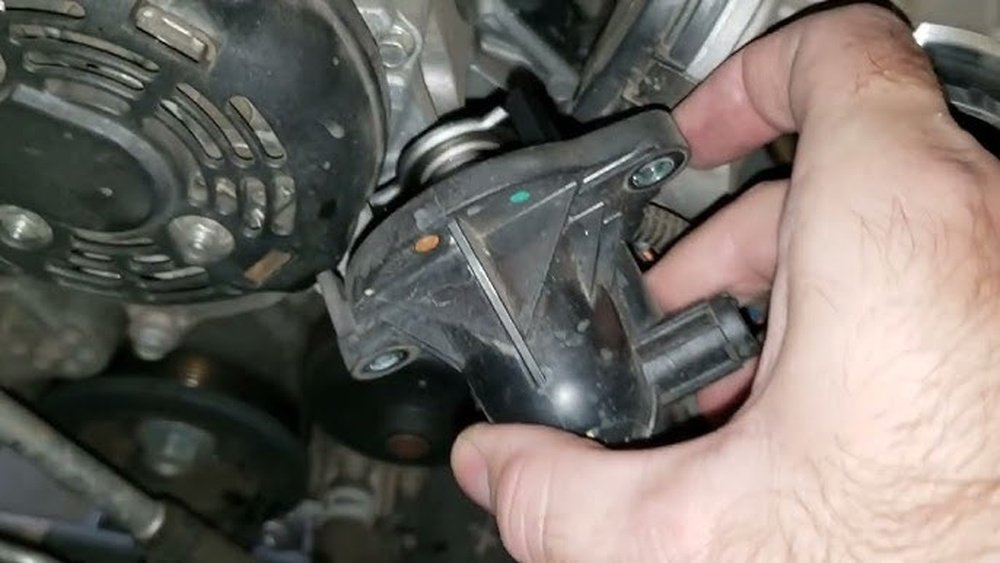
- Find the thermostat housing on the engine’s front, near the radiator hose. It’s usually metal, with the upper radiator hose attached.
3. Detach Thermostat Housing
- Use an 8mm socket to remove two bolts holding the housing. Keep bolts in a cup so they don’t get lost.
- Gently pull off the housing. Some coolant may spill, so keep your drain pan underneath.
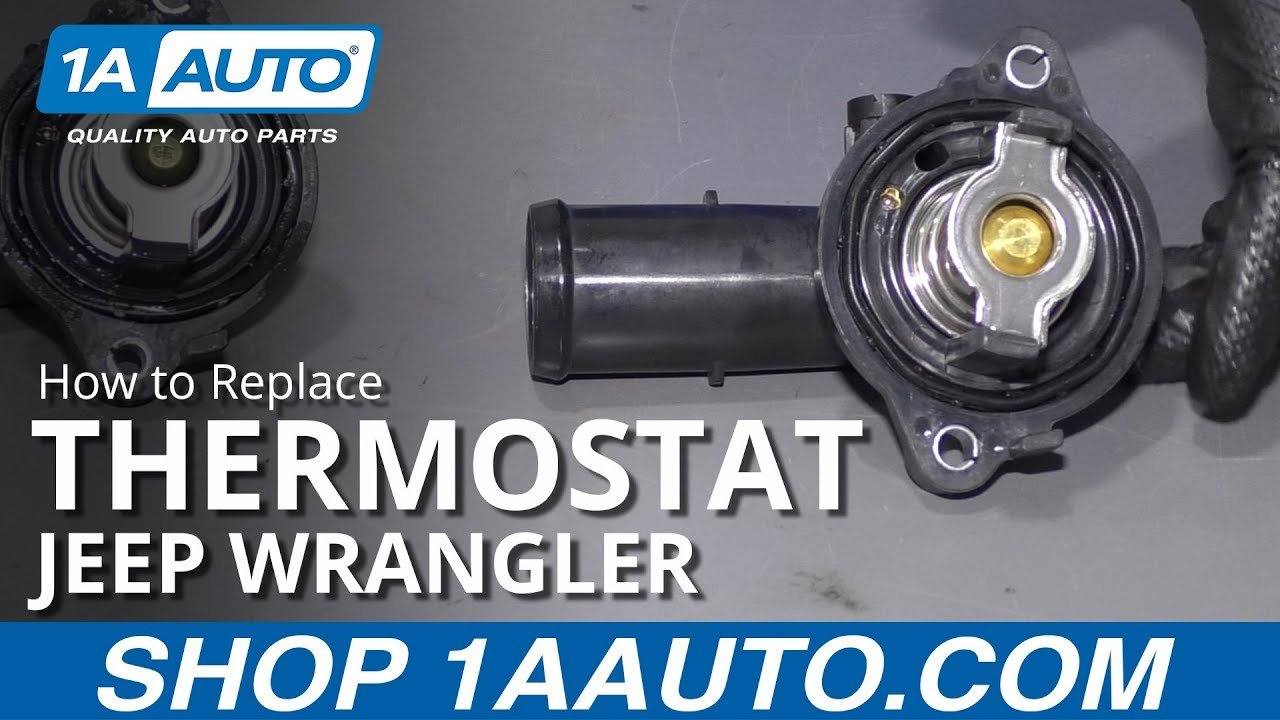
- Take out the old thermostat and gasket. Note the orientation of the thermostat before removing it; installing it upside down is a common mistake.
4. Clean And Prepare Surfaces
- Scrape off any old gasket material. Even a small leftover piece can cause leaks.
- Wipe surfaces clean with a rag. Make sure no debris falls into the engine.
- Check for cracks or corrosion. If the housing is damaged, replace it to avoid future leaks.
5. Install New Thermostat
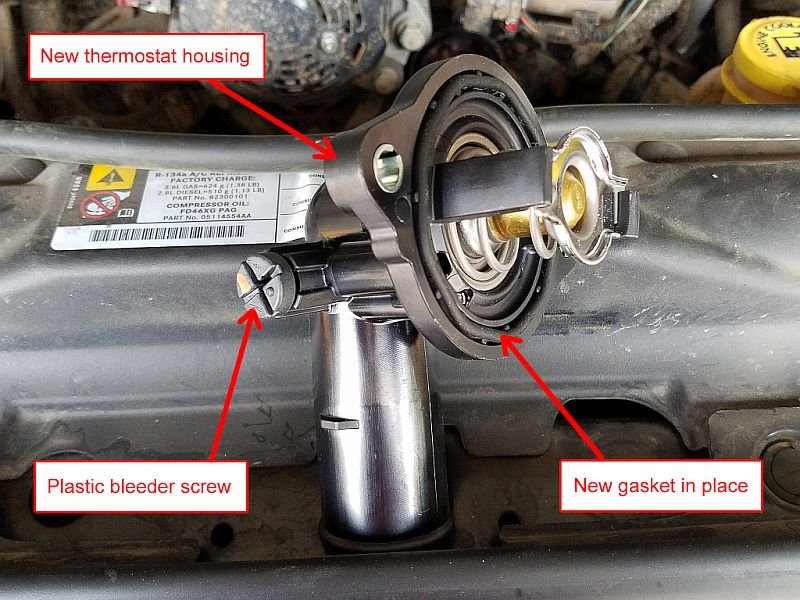
- Place the new thermostat in the housing (spring side down). Double-check the position before installing the gasket.
- Set the new gasket on the housing. Some gaskets may need a small dab of gasket sealant—check the instructions.
- Reinstall the housing. Tighten bolts to 12 Nm with a torque wrench. Uneven tightening can cause leaks.
6. Refill Coolant And Reassemble
- Reconnect the air intake and battery cable.
- Pour new coolant into the radiator until full. Use a funnel for accuracy.
- Start the engine, let it idle, and watch for leaks. The coolant level may drop as air escapes—top off as needed.
- Add coolant as needed when the level drops. Run the heater on high to help remove air pockets.
Bleeding air from the system is essential. Trapped air can cause overheating and poor heater performance.
Squeeze the upper radiator hose to help push out bubbles.
Common Mistakes To Avoid
Many beginners make these errors:
- Not letting the engine cool: Hot coolant can cause burns. Wear safety gear and never rush.
- Failing to clean gasket surfaces: This leads to leaks. A razor blade or gasket scraper works best.
- Using the wrong thermostat: Always use the correct model for your Jeep. Double-check packaging before opening.
- Overtightening bolts: This can crack the housing. Always use a torque wrench if possible.
Taking your time and following steps prevents most problems. Rushing increases the chance of leaks or broken parts.
If you’re unsure, take photos during disassembly to help with reassembly.
Practical Tips
- Use a funnel to pour coolant and prevent spills. This keeps your engine bay clean and avoids costly clean-up.
- Dispose of old coolant safely—it’s toxic. Most auto shops accept used coolant for recycling.
- Double-check bolt tightness after running the engine. Vibrations can loosen bolts, causing leaks later.
- If you see leaks after replacement, check the gasket again. Even a tiny wrinkle or misalignment can let coolant escape.
Wearing gloves keeps your hands safe from sharp edges and chemicals. Keep old towels nearby to clean up drips.
If you’re working outside, avoid windy days so dust and dirt don’t get into your cooling system.
Cost Comparison
Here’s how DIY replacement compares to hiring a mechanic:
| Method | Parts Cost | Labor Cost | Total Cost | Time Needed |
|---|---|---|---|---|
| DIY | $30-$60 | $0 | $30-$60 | 1-2 hours |
| Mechanic | $30-$60 | $100-$200 | $130-$260 | 2-3 hours |
DIY saves money but requires some patience and care. Mechanics charge more for labor, but the job is usually guaranteed.
If you’re short on time or tools, paying a shop can be worth it. But doing it yourself builds confidence and helps you understand your vehicle better.
Thermostat Types For Jeep Wrangler
There are a few thermostat options for the 2016 Jeep Wrangler:
| Type | Temperature Rating | Typical Use |
|---|---|---|
| OEM Thermostat | 195°F | Standard driving |
| High-Performance | 180°F | Hot climates, towing |
| Heavy-Duty | 195°F | Off-road, heavy load |
Most drivers stick with OEM thermostats unless they need special performance. High-performance models open earlier to keep engines cooler, which is useful for heavy towing or desert climates. Heavy-duty types are built stronger for frequent off-road use. Always match the thermostat type to your driving needs—installing the wrong one can cause poor fuel mileage or slow warm-ups in cold weather.
Example: Real-world Results
One Jeep owner replaced his thermostat after noticing overheating. The fix restored normal engine temperature and improved fuel efficiency by about 5%.
Another driver saw reduced leaks after switching to a new gasket. These examples show the impact of a simple repair.
A third Wrangler owner shared that after replacing a stuck thermostat, his heater worked much better during winter. He also noticed the temperature gauge stayed steady instead of fluctuating.
Sometimes, solving small problems like this leads to a smoother, quieter drive and better long-term reliability.
Frequently Asked Questions
How Often Should I Replace The Thermostat In My Jeep Wrangler?
Most thermostats last about 60,000–100,000 miles. Replace it if you see symptoms or during major cooling system work. If you’re replacing hoses or the water pump, it’s smart to do the thermostat at the same time.
Can I Drive With A Bad Thermostat?
It’s risky. A faulty thermostat can cause overheating or engine damage. Fix it as soon as possible. Even running “cold” is bad, as the engine may not reach the right temperature, hurting fuel economy and emissions.
Do I Need To Replace The Coolant Too?
Yes, it’s best to add fresh coolant after thermostat replacement. Old coolant can carry debris and reduce cooling efficiency. Check the color and clarity—cloudy or rusty coolant should always be replaced.
What If My Jeep Overheats After Replacement?
Check for air pockets in the cooling system. Bleed the system by running the engine with the radiator cap off, adding coolant as needed.
Make sure the heater is on high to circulate coolant. If overheating continues, check for leaks or a faulty water pump.
Is A Thermostat Replacement Difficult For Beginners?
It’s a moderate task. If you follow steps and use the right tools, most beginners can do it. Take your time, and don’t rush. Watching a video or having a repair manual handy can boost your confidence.
Changing the thermostat in your 2016 Jeep Wrangler is a smart way to keep your engine healthy. Use the right parts, follow each step, and check for leaks. If you ever feel unsure, consult a professional or refer to the official Jeep manual. For more details, see the Jeep Owner’s Manual. This repair saves money and gives peace of mind, knowing your Jeep is ready for any adventure.