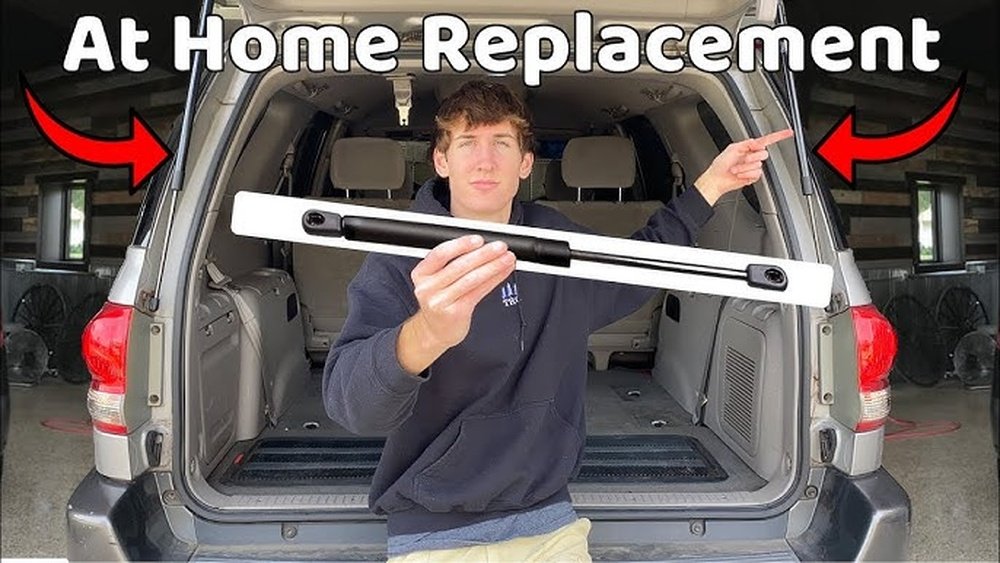
Replacing rear liftgate struts is a simple way to restore your vehicle’s convenience and safety. When these gas-filled supports wear out, your liftgate may sag or slam shut, which is both annoying and dangerous.
With a few tools and some attention to detail, you can easily handle this task at home, even if you have limited mechanical experience.
Let’s break down the process, cover essential tips, and help you avoid common mistakes.
Why Rear Liftgate Struts Matter
Liftgate struts—also called support shocks or gas springs—hold your vehicle’s rear hatch open. They allow smooth lifting and keep the gate up while you load or unload cargo. Over time, the seals and gas inside these struts weaken. You may notice:
- The liftgate won’t stay up on its own.
- The gate feels heavy or closes too quickly.
- You hear hissing or see oil near the strut.
Ignoring these signs can lead to injuries or damage if the liftgate falls unexpectedly. Replacing worn struts improves safety and makes your car more user-friendly.
Tools And Materials You’ll Need
Gather these items before you start. Having everything on hand saves time and frustration.
- New liftgate struts (check your vehicle’s make, model, and year)
- Flathead screwdriver or trim tool
- Small socket set or wrench (some models use bolts)
- Safety glasses and gloves
- Step stool (for tall vehicles)
Most struts attach with simple clips or bolts. Always check your vehicle’s manual for any special instructions.
Step-by-step Replacement Guide
Follow these steps for a smooth, safe replacement:
- Secure the Liftgate: Use a broomstick or have a helper hold the liftgate open. Never rely on worn struts to hold the gate while you work.
- Locate the Struts: Find the struts on both sides of the liftgate. Inspect the mounting points—most use ball sockets with retaining clips.
- Release the Clips: Insert a flathead screwdriver under the metal clip (at the top or bottom of the strut). Gently pry it outward just enough to release the strut from the ball stud. Do not remove the clip entirely.
- Remove the Strut: Once the clips are loose, pull the strut away from the mount. Some vehicles use bolts instead—remove them with a socket or wrench.
- Install the New Strut: Attach the new strut by snapping it onto the ball studs. Press firmly until you hear a click. If your model uses bolts, tighten them securely.
- Repeat for the Other Side: Always replace both struts, even if only one has failed. This ensures balanced support.
- Test the Liftgate: Slowly open and close the liftgate. Make sure it moves smoothly and stays up on its own.
Example: Typical Installation Times
Here’s a quick look at how long this job might take:
| Vehicle Type | Time Needed (per side) | Difficulty |
|---|---|---|
| SUV | 10-15 minutes | Easy |
| Minivan | 15-20 minutes | Moderate |
| Hatchback | 5-10 minutes | Easy |
Choosing The Right Replacement Struts
Not all struts are the same. Picking the wrong size or strength can cause poor performance or early failure. Here’s what to check:
- Length: Measure the extended and compressed length of your old strut.
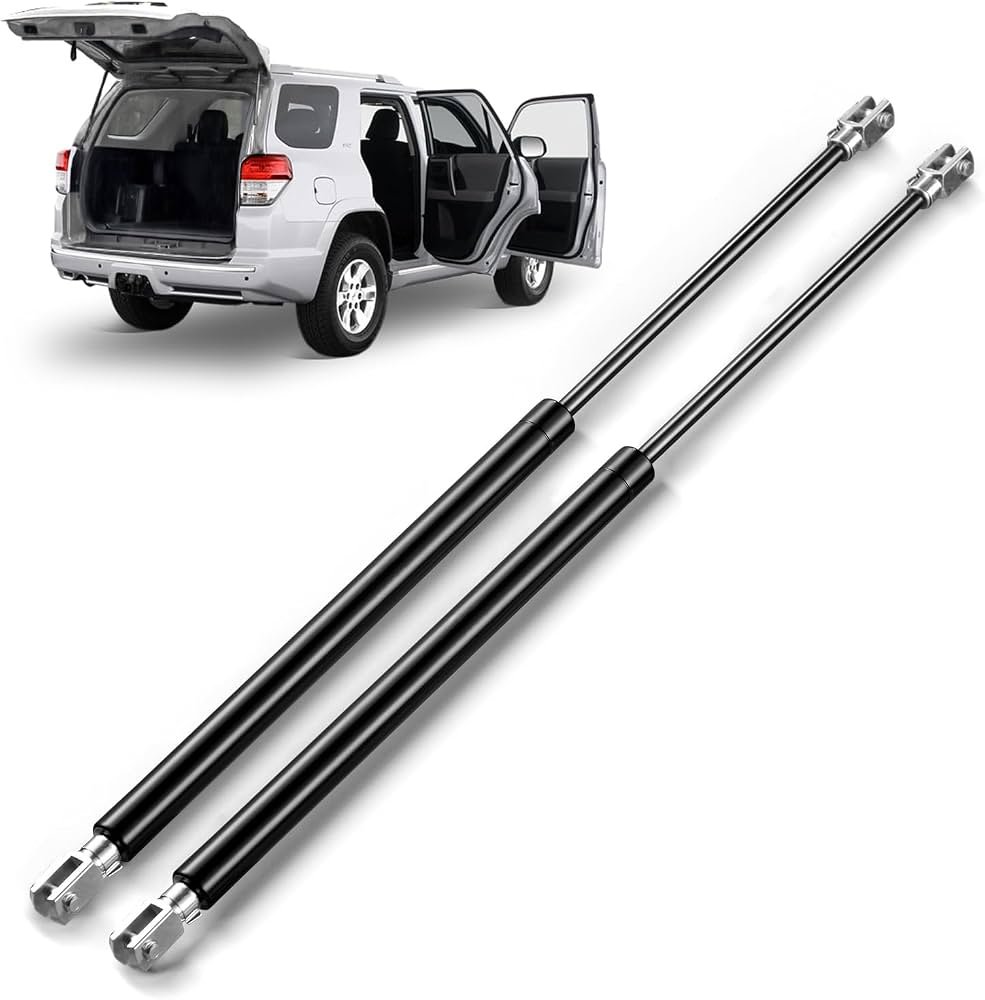
- End Fittings: Compare the mounting style (ball socket, eyelet, or bolt).
- Lift Capacity: Match the force rating (listed in Newtons or pounds).
Here’s a quick comparison of common strut features:
| Feature | Standard Strut | Heavy-Duty Strut |
|---|---|---|
| Lift Capacity | 40-80 lbs | 90-120 lbs |
| Best Use | Standard liftgates | Added spoilers, racks |
| Price Range | $20-$40/pair | $40-$80/pair |
Check the part number on your old strut or use your vehicle’s VIN for a precise match.
Key Tips And Common Pitfalls
Many beginners overlook small but important details during this repair:
- Support the Liftgate Properly: Even a slightly dropped liftgate can cause injury or break glass.
- Replace Both Struts: New and old struts work unevenly together, which can twist hinges or cause leaks.
- Avoid Overextending: Don’t force the liftgate higher than its normal range, as this can damage the new struts.
- Check for Rust or Damage: If the mounting points are rusty or bent, clean or repair them before installing new struts.
- Test Before Finishing: Open and close the liftgate several times to ensure smooth, quiet operation. Listen for unusual noises or sticking.
An extra insight: Some struts are gas-pressurized and may be under tension when removed. Always wear safety glasses, and never puncture or heat a strut.
Cost And Value: Diy Vs. Professional
Replacing struts yourself is much less expensive than a shop repair. Here’s a quick cost breakdown:
| Option | Parts Cost | Labor Cost | Total Cost |
|---|---|---|---|
| DIY | $30–$60 | $0 | $30–$60 |
| Mechanic | $30–$60 | $50–$100 | $80–$160 |
If you’re comfortable with simple tools, DIY is an easy way to save money and learn more about your vehicle.

Extra Advice For A Smooth Installation
- Always compare new and old struts side by side before installing.
- Lubricate the ball joints with a drop of light oil if they seem dry.
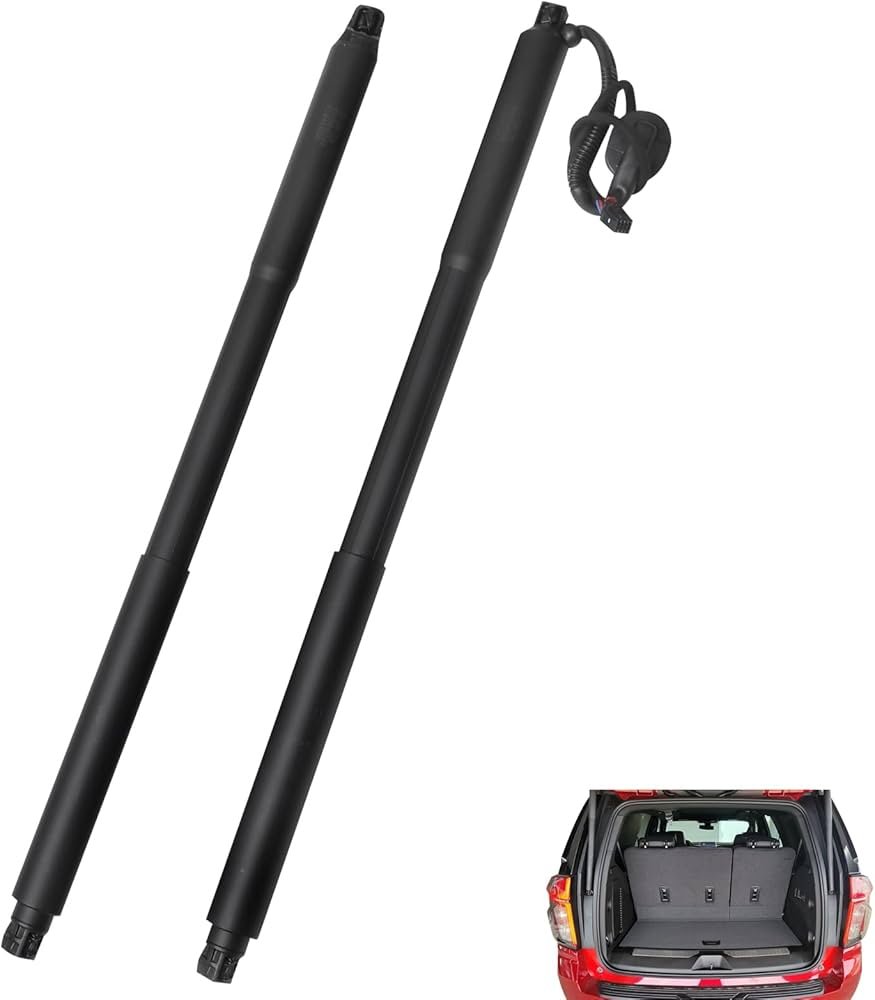
- If your liftgate has a power close feature, disconnect the battery before starting.
- Keep your hands clear of the liftgate’s path during testing.
For additional technical details and safety tips, you can check the Wikipedia page on gas springs.
Replacing rear liftgate struts is a manageable task for most car owners. It brings instant benefits in safety, convenience, and peace of mind.
By following these steps and tips, you’ll restore your liftgate’s smooth action and avoid unexpected hassles. Invest a little time, and you’ll enjoy the result every time you load your trunk.
Frequently Asked Questions
How Do I Know My Liftgate Struts Need Replacing?
If your liftgate no longer stays open, closes too quickly, or feels heavy to lift, the struts are likely worn out. Oil leaks or hissing sounds are also warning signs.
Can I Replace Only One Strut, Or Should I Do Both?
Always replace both struts at the same time. Using one new and one old strut can cause uneven stress and reduce the life of the new part.
Are Special Tools Needed For This Job?
Most vehicles need only a flathead screwdriver and a small socket set. Some models may require a Torx bit or trim removal tool.
Is It Safe To Drive With Bad Liftgate Struts?
Yes, but it’s inconvenient and can be dangerous if the liftgate falls while you’re loading cargo. Replace worn struts as soon as possible.
Where Can I Buy The Correct Liftgate Struts?
You can buy them at auto parts stores, online retailers, or through your car dealer. Always match the part number and specifications for your vehicle.


















