Every Jeep Wrangler owner faces small maintenance tasks. One of the simplest, but often overlooked, is replacing a gas cap.
This small part protects your fuel, prevents leaks, and keeps emissions under control. A faulty gas cap may trigger your check engine light, reduce fuel efficiency, or let dirt into your tank.
If you notice a damaged cap or struggle to tighten it, it’s time for a replacement. Swapping the gas cap is quick, but there are details to consider for a successful job.
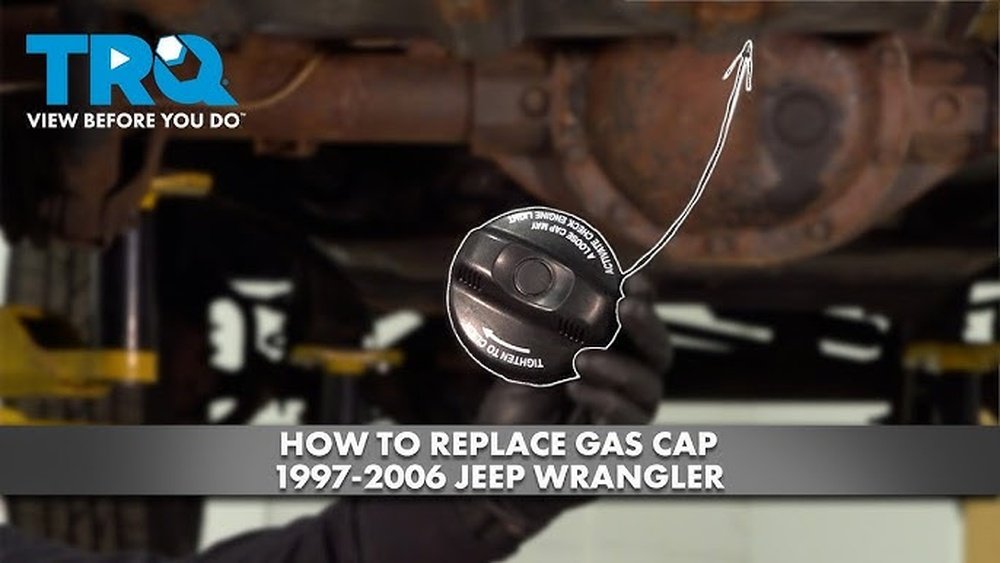
Let’s walk through the process step by step, and highlight what beginners often miss.
Understanding The Gas Cap’s Role
The gas cap is more than a cover. It seals the fuel system, preventing evaporation and keeping contaminants out. Jeep Wranglers (especially after 1996) use caps with a pressure seal and sometimes a tether for convenience. This helps meet environmental standards and keeps the vehicle running smoothly. If the seal is broken or the cap is missing, your Wrangler may fail emissions tests or lose fuel efficiency.
Here’s a quick look at common gas cap types for Jeep Wranglers:
| Type | Main Feature | Compatibility |
|---|---|---|
| Standard | Basic sealing | Older Wranglers (pre-1996) |
| Locking | Anti-theft | Most models (optional) |
| Pressure-sealing | Emissions control | 1996+ Wranglers |
Signs You Need To Replace Your Gas Cap
Many drivers ignore a gas cap problem until the check engine light appears. But you can spot issues earlier by noticing:
- Loose fit: Cap won’t click or feels wobbly.
- Visible cracks: Damage to the seal or plastic.
- Smell of gasoline: Fuel odor near the tank.
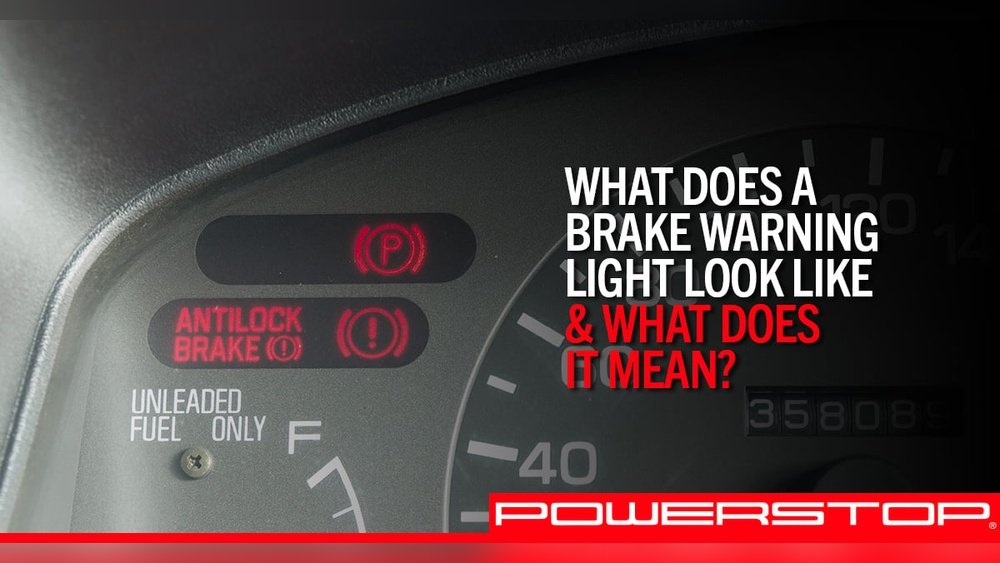
- Check engine light: Evaporative emissions leak code.
- Failed emissions test: Cap doesn’t seal properly.
A damaged cap can cost you up to 10% more on fuel due to evaporation. It can also allow water and dirt into your fuel system, leading to expensive repairs.
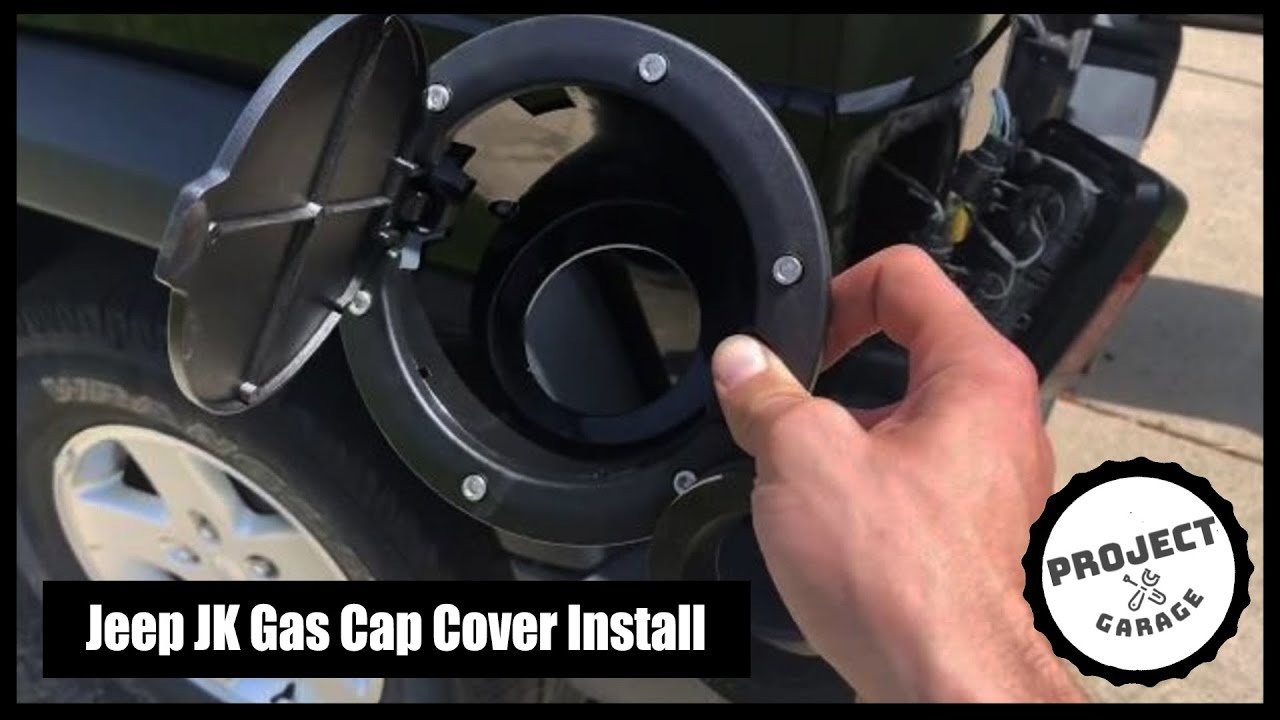
Choosing The Right Gas Cap For Your Jeep Wrangler
Jeep Wranglers have several generations, and not all gas caps fit every model. Here’s a comparison for selecting the right cap:
| Model Year | Cap Type Needed | Special Feature |
|---|---|---|
| 1987-1995 (YJ) | Standard | No tether |
| 1997-2006 (TJ) | Pressure-sealing | Tethered cap |
| 2007-2017 (JK) | Pressure-sealing | Locking option |
| 2018+ (JL) | Pressure-sealing | Integrated tether |
Tip: Always check your owner’s manual or look for the part number on the old cap. Buying the wrong cap may cause leaks or warning lights.
How To Replace The Gas Cap: Step-by-step
Replacing the gas cap is simple, but doing it right prevents future problems. Follow these steps for a safe and effective swap:
- Turn off the engine: Never change the gas cap while the engine is running.
- Open the fuel door: Press or pull the release, depending on your Jeep’s model.
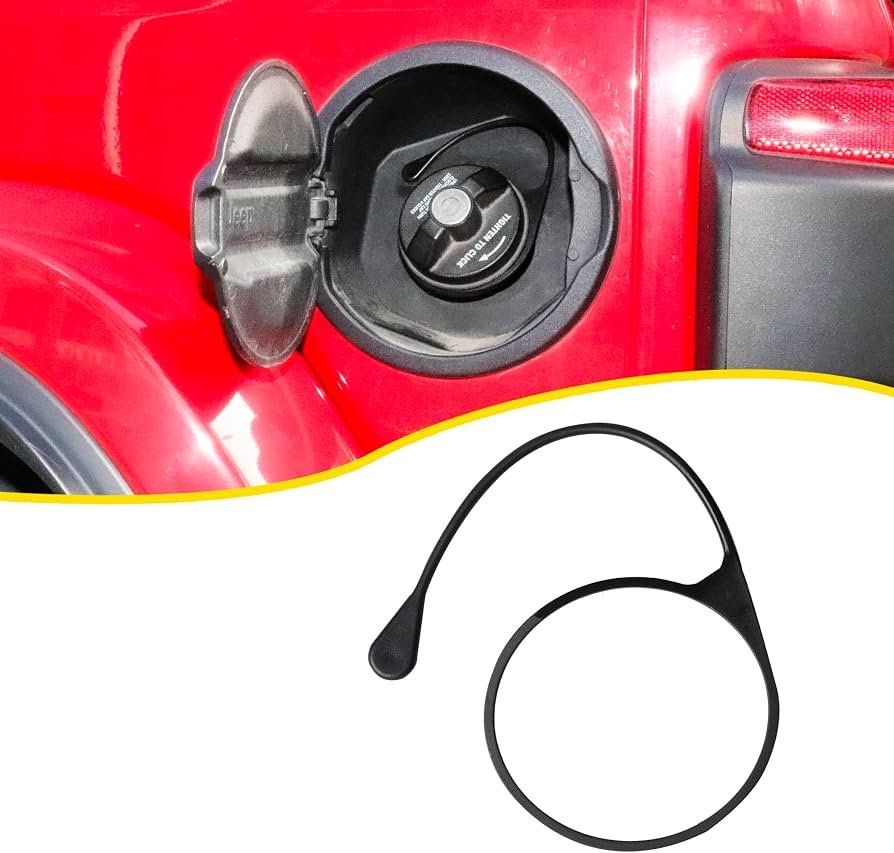
- Remove the old cap: Twist counterclockwise. If your cap has a tether, check for cracks or wear.
- Inspect the fuel neck: Look for dirt, rust, or debris. Clean with a dry cloth if needed.
- Check the new cap: Ensure it matches the old cap’s size and type. Double-check the seal.
- Install the new cap: Place it on the fuel neck and twist clockwise until you hear one or two clicks. This ensures a tight seal.
- Close the fuel door: Make sure everything is secure.
| Step | Action | Common Mistake |
|---|---|---|
| 1 | Turn off engine | Leaving engine on |
| 3 | Remove old cap | Forcing cap, damaging tether |
| 5 | Check new cap | Wrong size or type |
| 6 | Install cap | Not hearing click |
Non-obvious insight: Many beginners skip cleaning the fuel neck, which can lead to poor sealing and future leaks.
After Replacing The Gas Cap
Once you’ve replaced the cap, drive your Jeep for a few days. If the check engine light was on, it may turn off after several cycles. If it stays on, check the cap again or scan for codes.
Extra tip: If your Jeep still smells like gasoline or you notice leaks, the problem might not be the cap alone. Sometimes, the fuel neck or tank needs inspection.
Practical Troubleshooting
If your new cap doesn’t solve the issue, consider these checks:
- Cap compatibility: Make sure it’s the right model.
- Seal condition: Look for cracks on the rubber gasket.
- Tether attachment: Loose tethers can cause gaps.
- Fuel neck damage: Rare, but possible after years of use.
Example: A 2012 Jeep Wrangler owner reported repeated check engine lights after using a generic cap. Switching to an OEM cap fixed the problem. OEM caps are designed for your vehicle’s specifications.
For deeper information about emission systems and gas cap issues, visit Wikipedia.
Frequently Asked Questions
Why Does My Jeep Wrangler’s Check Engine Light Stay On After Changing The Gas Cap?
The light may remain for a few days until the system resets. If it stays on longer, check the cap for a tight seal or scan for error codes.
Can I Use A Universal Gas Cap For My Jeep Wrangler?
Universal caps fit many cars, but Jeep Wranglers often need pressure-sealing or tethered types. Using the wrong cap can cause leaks or warning lights.
How Often Should I Replace My Gas Cap?
Most caps last 5-7 years. Replace it sooner if you notice cracks, loose fit, or fuel smells.
Is A Locking Gas Cap Worth It?
A locking gas cap adds security. It’s useful if you park in public areas or worry about fuel theft. Make sure it’s compatible with your Wrangler’s model year.
What Happens If I Drive Without A Gas Cap?
Driving without a cap allows fuel vapor to escape, lowers efficiency, and risks contaminating the tank. It can also trigger your check engine light and fail emissions tests.
Replacing your gas cap is a quick task, but choosing the right cap and following proper steps ensures your Jeep Wrangler stays efficient and safe. Take a few minutes to inspect and install carefully—your vehicle and wallet will thank you.