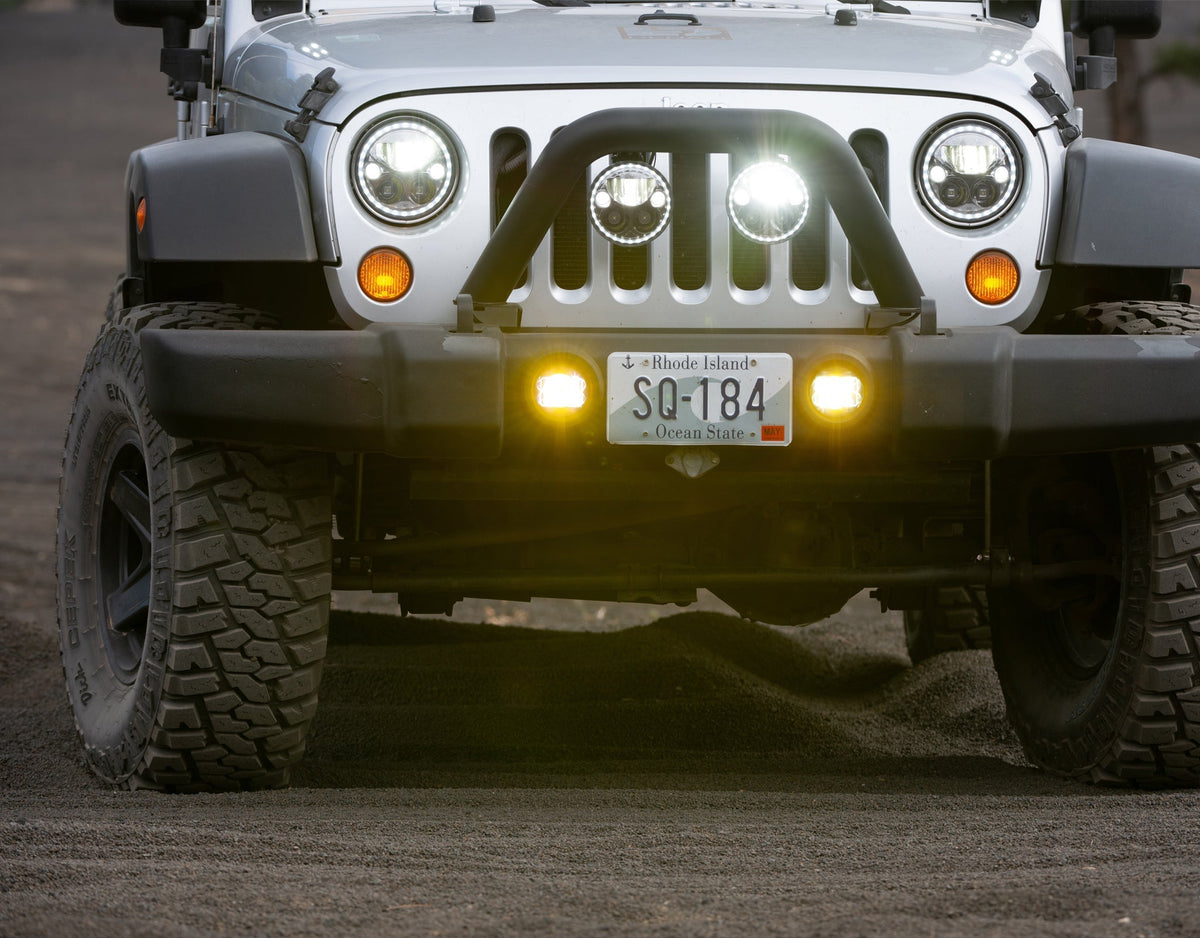
Replacing fog lights on a Jeep Wrangler is a practical way to improve both safety and style. Fog lights help you see better during bad weather, especially when it’s foggy, rainy, or snowy.
Over time, these lights can burn out or get damaged, making it important to know how to swap them yourself.
Many Wrangler owners find this task manageable with basic tools and a bit of patience. If you’re new to car maintenance, don’t worry this guide will walk you through each step, highlight common mistakes, and share useful tips for a smooth replacement.
Understanding Fog Light Types And Compatibility
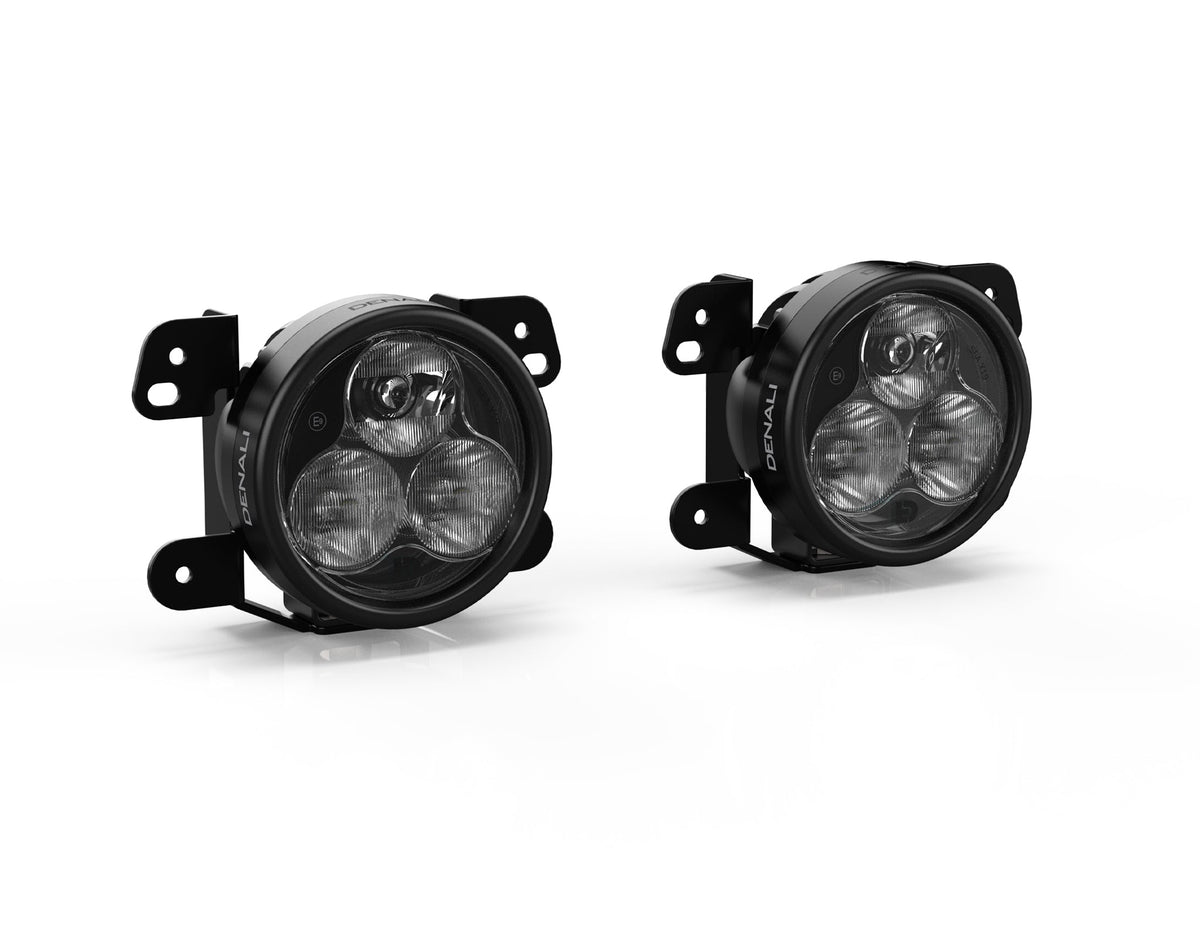
Jeep Wranglers use different fog light designs based on the model year and trim. Most recent Wranglers (JK and JL) use round fog lights, while older models might have rectangular ones. Before buying replacements, check your Wrangler’s year and trim. Also, confirm whether your fog lights are halogen or LED.
Here’s a quick comparison to help you choose:
| Type | Brightness (Lumens) | Average Lifespan | Cost Range |
|---|---|---|---|
| Halogen | 700-1,200 | 500-1,000 hrs | $20-$40 |
| LED | 1,500-2,400 | 20,000+ hrs | $40-$120 |
LED fog lights last longer and are brighter, but they cost more. Choose the type that matches your existing lights, or upgrade both for consistency.
Tools And Parts You’ll Need
Gathering the right tools before you start will make the job easier. Here’s what you’ll need:
- Replacement fog lights (compatible with your Wrangler)
- Screwdriver set (usually Phillips)
- Socket wrench (typically 10mm)
- Trim removal tool (optional, but helps avoid scratches)
- Gloves (protect your hands)
- Torx bit set (some models require these)
If you’re unsure about the exact bulb type, check your owner’s manual or look up your Wrangler’s year online.
Step-by-step Replacement Guide
Let’s walk through the process. For most Jeep Wrangler JK and JL models, follow these steps:
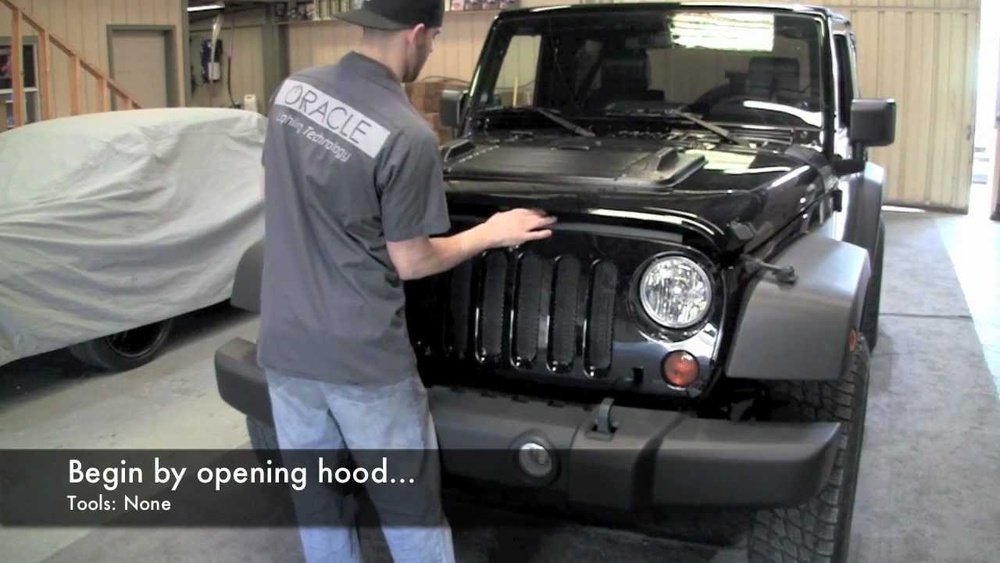
- Turn off the vehicle and disconnect the battery. Safety first—fog lights are connected to the electrical system.
- Remove the front bumper or access panel. Most fog lights are behind the bumper. Use a socket wrench and trim tool to loosen bolts and clips.
- Locate the fog light housing. Once the bumper is off, you’ll see the fog light mounted with screws or bolts.
- Unplug the wiring connector. Gently press the clip and pull the connector away.
- Unscrew and remove the old fog light. Use the right screwdriver or socket size.
- Install the new fog light. Place it in the same position and secure it with screws or bolts.
- Reconnect the wiring. Make sure it clicks into place.
- Test the new fog lights. Reconnect the battery, turn on the vehicle, and check both fog lights.
- Reattach the bumper or panel. Tighten all bolts and clips securely.
Most people can finish this job in 30 60 minutes. If you’re new to car work, give yourself extra time and work slowly.
Common Mistakes And How To Avoid Them
Many beginners make simple mistakes. Watch out for these:
- Buying the wrong size: Fog lights must match your Wrangler’s model and year.
- Skipping battery disconnect: Working with live wires can cause shorts or shocks.
- Forcing connectors: If they don’t come loose easily, check for hidden clips.
- Using the wrong tools: Stripped screws or bolts can make the job harder.
A small but overlooked tip: Take photos during disassembly. It helps you remember where each clip and screw goes, making reassembly easier.
Comparing Oem Vs Aftermarket Fog Lights
Should you stick with OEM (original equipment manufacturer) or try aftermarket brands? Here’s a quick overview:
| Option | Quality | Warranty | Price |
|---|---|---|---|
| OEM | Consistent, reliable | Usually 1 year | Higher ($60–$120) |
| Aftermarket | Varies | Limited or none | Lower ($20–$70) |
OEM lights fit perfectly and match the look of your Wrangler. Aftermarket options can offer brighter output or special features, but quality varies. Read reviews and check compatibility.
Practical Tips For Success
- Check alignment: After installing, make sure the fog lights are aimed correctly. Misaligned lights can blind other drivers.
- Seal gaps: If you see any gaps around the new lights, use weather-resistant tape to prevent water leaks.
- Upgrade both sides: If one fog light fails, the other is likely close behind. Replacing both saves time and keeps brightness even.
- Keep old parts: Sometimes new fog lights don’t fit right. Having the originals on hand helps you troubleshoot.
Experienced Jeep owners sometimes upgrade wiring when switching from halogen to LED. This prevents flickering and ensures steady brightness.
How Fog Lights Improve Jeep Safety
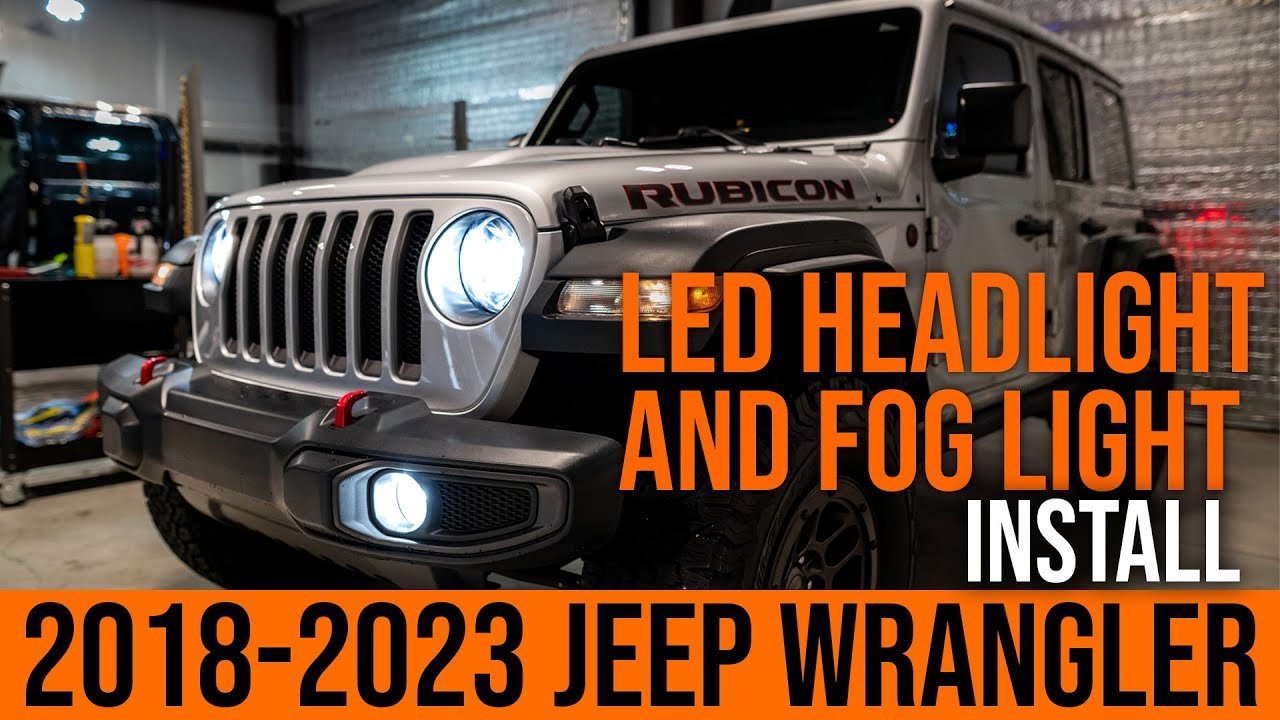
Fog lights are not just for style. According to the National Highway Traffic Safety Administration, vehicles with working fog lights have a lower rate of nighttime accidents in poor weather. They provide a wide, low beam that cuts through mist and rain, helping you see lane markings and obstacles.
For more info on lighting safety, visit the NHTSA official site.
Frequently Asked Questions
What Size Fog Light Does A Jeep Wrangler Use?
Most JK models use 4-inch round fog lights. JL models also use round units but check your owner’s manual for exact sizes.
Older YJ and TJ models may use rectangular lights.
Can I Use Led Bulbs In Halogen Fog Light Housings?
You can, but only if the housing is designed for LEDs. Otherwise, the beam pattern may be incorrect, causing glare. Upgrading the whole light assembly is better.
How Long Do Jeep Wrangler Fog Lights Last?
Halogen fog lights usually last 500 1,000 hours. LED fog lights can last over 20,000 hours if used properly.
Do I Need To Remove The Bumper To Replace Fog Lights?
For most JK and JL Wranglers, removing the bumper makes access easier. Some trim levels have removable panels, but bumper removal is common.
Will Replacing Fog Lights Void My Jeep’s Warranty?
If you use OEM lights and follow proper steps, your warranty should remain intact. Always check your warranty terms before upgrading to aftermarket parts.
Replacing fog lights on your Jeep Wrangler is a straightforward task that boosts safety and keeps your ride looking sharp. With the right tools and careful planning, you can finish the job confidently and avoid common mistakes.
Whether you choose OEM or aftermarket lights, proper installation ensures clear visibility in tough conditions.
Remember to check alignment, keep old parts as backups, and consult your manual for compatibility. With these tips, your Jeep will be ready for any weather.