A fusible link is a small but critical part in many vehicles and machines. It acts as a safety device, protecting electrical systems from damage caused by power surges or short circuits.
If a fusible link fails, you may experience problems like power loss, non-working headlights, or even a car that will not start.
Replacing a fusible link is not as complicated as many think, but you need to follow the correct steps and use the right tools. This article will guide you through the process, highlight important safety tips, and explain common mistakes to avoid.
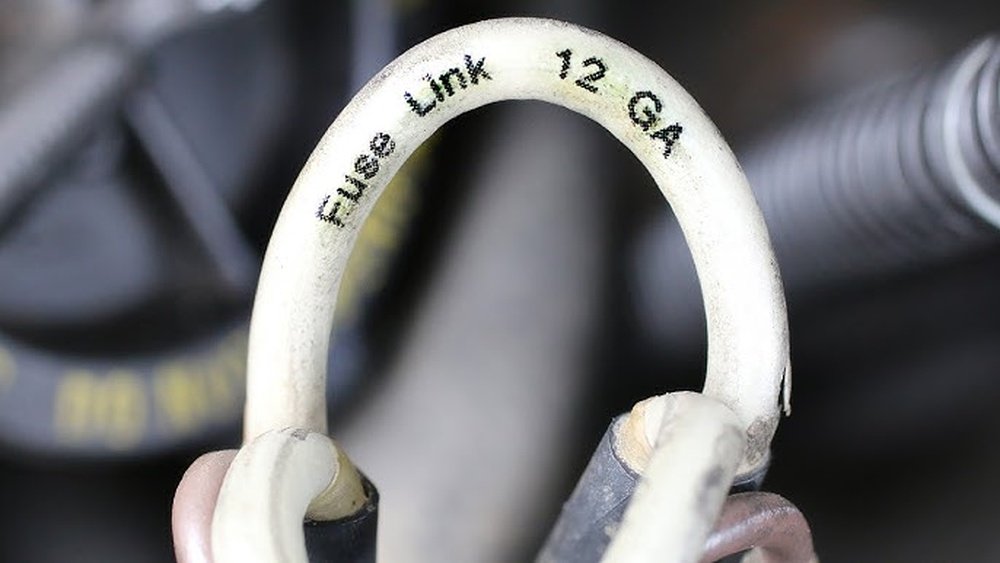
What Is A Fusible Link?
A fusible link is a short piece of wire designed to melt and break the circuit if too much current flows through it. It serves a similar purpose as a fuse but is built into the wiring harness. Fusible links are usually a different color or have tags to make them easy to identify.
Unlike standard fuses, a fusible link can handle more current for short periods and is often used to protect circuits that draw heavy power, such as the starter or alternator.
When a problem occurs, the link melts inside its insulation, stopping electrical flow and preventing fire or further damage.
Signs Your Fusible Link Needs Replacement
Knowing when to replace a fusible link can save you time and money. Here are clear signs your fusible link may be blown:
- No electrical power to major systems (e.g., ignition, lights)
- Visible melting or burning on the link or its insulation
- Car will not start or accessories do not work
- Burnt smell near the battery or fuse box
It is important to confirm the issue is with the fusible link, not another part, before replacing it.

Tools And Materials Needed
Before you start, gather these items:
- Replacement fusible link wire (same gauge and rating as original)
- Wire cutters/strippers
- Soldering iron or crimp connectors
- Electrical tape or heat-shrink tubing
- Wrench (to disconnect the battery)
- Multimeter (to check continuity)
Using the correct gauge and rating is essential. For example, if your car uses a 16-gauge fusible link, never replace it with a thicker or thinner wire. This ensures the link will protect your system correctly.
Step-by-step Guide To Replacing A Fusible Link
Follow these steps carefully:
- Disconnect the battery
- Always remove the negative cable first. This prevents accidental shorts while working.
- Locate the fusible link
- Check your owner’s manual for the exact location. Most links are near the battery, starter, or main fuse box.
- Inspect the link
- Look for signs of melting, breakage, or discoloration. If unsure, use a multimeter to test for continuity.
- Remove the damaged link
- Cut out the bad section with wire cutters. Leave enough wire on both sides for a secure connection.
- Prepare the new link
- Cut a new fusible link wire, matching the length of the old one. Strip about 1/2 inch of insulation from each end.
- Connect the wires
- Either solder the new link in place or use crimp connectors. Make sure the connection is tight and secure.
- Insulate the joint
- Cover the joint with heat-shrink tubing or wrap with electrical tape. This prevents moisture and short circuits.
- Reconnect the battery
- Attach the negative cable last. Check that all systems work as expected.
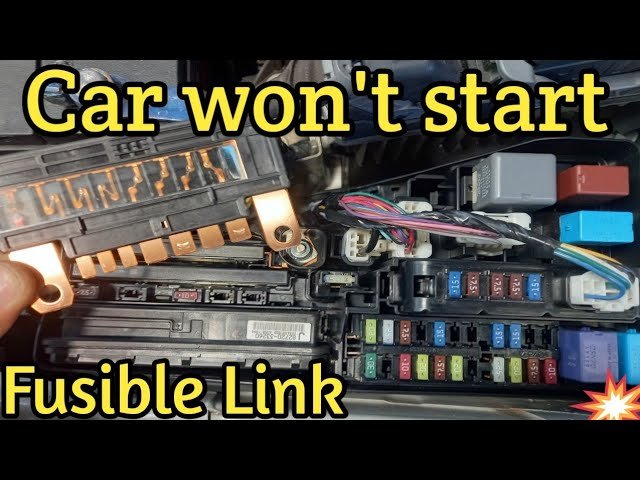
Comparison: Fusible Link Vs. Standard Fuse
Understanding the difference between a fusible link and a standard fuse is helpful when handling repairs. Here is a quick comparison:
| Feature | Fusible Link | Standard Fuse |
|---|---|---|
| Location | In wiring harness | In fuse box |
| Replacement Frequency | Rarely replaced | Replaced more often |
| Current Handling | High, for short bursts | Lower, constant current |
| Identification | Special tags or color | Numbered rating |
Safety Tips And Common Mistakes
Working with car electronics is not risk-free. Here are important tips:
- Never use regular wire instead of a fusible link; it will not protect against overloads.
- Do not bypass a blown fusible link with a straight connection.
- Always match the wire gauge to the manufacturer’s specifications.
- Make sure all connections are secure and insulated to avoid future problems.
One mistake many beginners make is not checking for the cause of the blown link. A fusible link usually fails for a reason, such as a short circuit or faulty part.
Replacing the link without fixing the real problem can lead to repeated failures or even fire.
Data: Average Lifespan And Cost
Understanding the lifespan and cost can help you plan maintenance:
| Parameter | Fusible Link |
|---|---|
| Average Lifespan | 5-15 years (if no faults) |
| Typical Replacement Cost | $5–$20 (parts only) |
| Professional Labor Cost | $50–$100 |
Example: Real-world Scenario
Suppose your car suddenly loses all interior power, but the battery and main fuses are fine. You find a shorted wire near the starter, and the fusible link is burnt.
By replacing the link and fixing the short, your car starts again.
Many people overlook that a weak battery or corroded connections can also cause high current draw, leading to link failure. Always inspect related parts during repairs for a complete fix.
Where To Find More Information
If you want more detailed specifications for your vehicle’s fusible link, consult your owner’s manual or visit resources like the Wikipedia page on fusible links.
Frequently Asked Questions
What Size Fusible Link Should I Use?
Always use the same gauge and length as your original link. Common practice is to use a fusible link wire that is four gauges smaller than the protected wire.
Can I Use A Regular Wire Instead Of A Fusible Link?
No. Regular wire will not melt safely in an overload. This can cause severe damage or even start a fire.
How Do I Know If My Fusible Link Is Blown?
Check for visible signs like melting or a burnt smell. Use a multimeter to test for continuity if unsure.
Is It Safe To Drive With A Blown Fusible Link?
No, it is not safe. Critical systems may not work, and you risk further electrical damage.
Should I Replace The Fusible Link Myself Or Go To A Mechanic?
If you have basic electrical skills and the right tools, you can do it yourself. For complex systems or if you are unsure, a professional mechanic is a safer option.
Replacing a fusible link may seem small, but it is crucial for your vehicle’s safety. With the right approach and attention to detail, you can restore power and prevent bigger problems in the future.