If your Jeep’s steering wheel feels loose, squeaks, or doesn’t respond smoothly, it’s more than just annoying—it can be a safety risk. Many Jeep owners face issues with steering wheels, especially as their vehicles age or if they take their Jeeps on rough terrains.
Luckily, you don’t always need a mechanic to fix common steering wheel problems. With the right tools and some careful steps, you can repair a Jeep steering wheel yourself.
In this guide, you’ll learn how to diagnose problems, what tools you need, and how to make safe and lasting repairs.
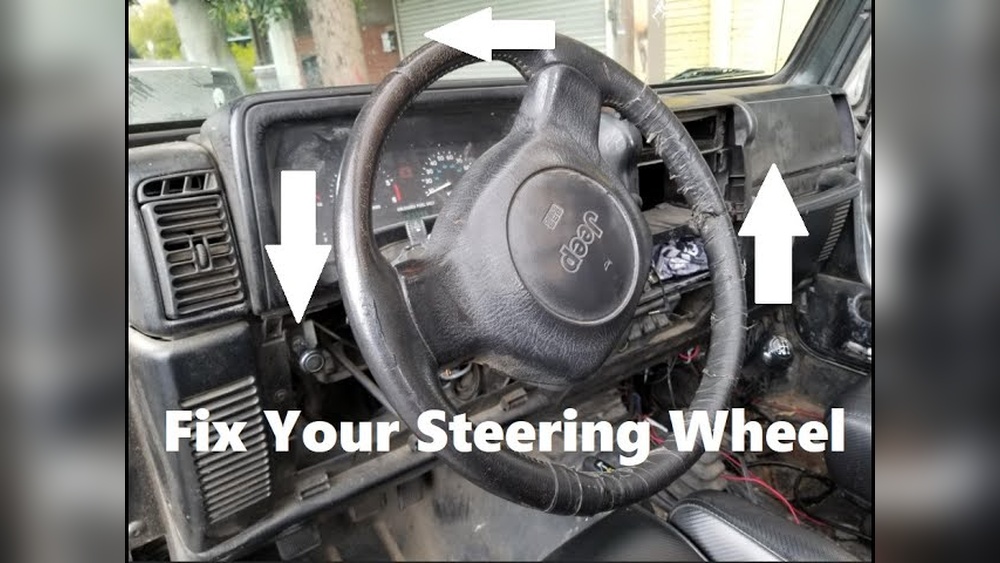
Understanding Jeep Steering Wheel Problems
Before you start fixing, it’s important to know what’s wrong. Jeep steering wheels can develop several issues over time:
- Loose steering wheel
- Strange noises when turning
- Stiff or hard steering
- Wheel not centering after a turn
- Worn or damaged grip
Each problem has different causes. For example, a loose wheel might mean the steering column or steering shaft has worn parts. Noises can come from the clock spring or from inside the steering column. Hard steering could be a sign of low power steering fluid or a failing steering box.
How To Spot The Real Issue
Try these quick checks:
- Turn the wheel with the car off and on—does it feel different?
- Listen for clicks, squeaks, or grinding when you turn.
- Check if the wheel returns to the center after a turn.
- Wiggle the steering wheel gently when the car is off—does it move more than half an inch?
If you notice any of these issues, you’re ready to move forward.
Tools And Materials You’ll Need
Having the right tools makes repairs faster and safer. Here’s what you’ll usually need for most Jeep steering wheel repairs:
- Steering wheel puller kit
- Socket wrench set (especially 10mm, 13mm, 19mm sockets)
- Flathead and Phillips screwdrivers
- Torx drivers (common for Jeep steering wheels)
- Allen wrenches
- Trim removal tool (for removing covers)
- Needle-nose pliers
- Torque wrench
- Electrical contact cleaner (for switches)
- Replacement parts (clock spring, bushings, grip, etc.)
Always use safety gloves and disconnect the car battery before you start. Airbags are sensitive and can be dangerous if handled incorrectly.
Diagnosing And Fixing Common Steering Wheel Issues
Let’s look at the most common steering wheel problems Jeep owners face and how to repair them.
1. Loose Or Wobbly Steering Wheel
A loose steering wheel is usually caused by a worn steering shaft, loose retaining nut, or bad bushings.
Step-by-step Fix:
- Disconnect the Battery
- Always remove the negative battery terminal to avoid airbag deployment.
- Remove the Airbag Module
- Use a Torx driver to remove the screws behind the steering wheel.
- Gently pull the airbag out and unplug its connector.
- Check the Retaining Nut
- Use a socket wrench to check the tightness of the central nut holding the wheel.
- If loose, tighten it to the manufacturer’s torque spec (usually around 35-40 ft-lbs).
- Inspect the Steering Shaft and Bushings
- If the nut is tight but the wheel still moves, the shaft or bushings may be worn.
- Use a steering wheel puller to remove the wheel and inspect the shaft.
- Replace worn bushings with new ones (available at most auto parts stores).
- Reinstall Everything
- Reverse the steps to put the wheel and airbag back.
- Reconnect the battery.
Pro Tip: Don’t overtighten the retaining nut—it can damage the threads.
2. Squeaking Or Clicking Noises
Noise when turning the wheel often means a bad clock spring or dry bushings.
Step-by-step Fix:
- Remove the Airbag and Steering Wheel (as above).
- Check the Clock Spring
- The clock spring sits behind the wheel and connects the airbag and controls.
- If broken, replace it with a new one—don’t try to repair a damaged clock spring.
- Lubricate or Replace Bushings
- Use silicone grease on bushings if they’re dry.
- Replace if worn.
3. Hard To Turn Steering Wheel
If the steering is stiff, check these areas:
- Power steering fluid (should be at the correct level)
- Steering box or rack and pinion condition
- Steering shaft joints
A stiff wheel is often caused by a failing steering box or low power steering fluid. If adding fluid doesn’t help, you may need a mechanic for deeper steering box repairs.
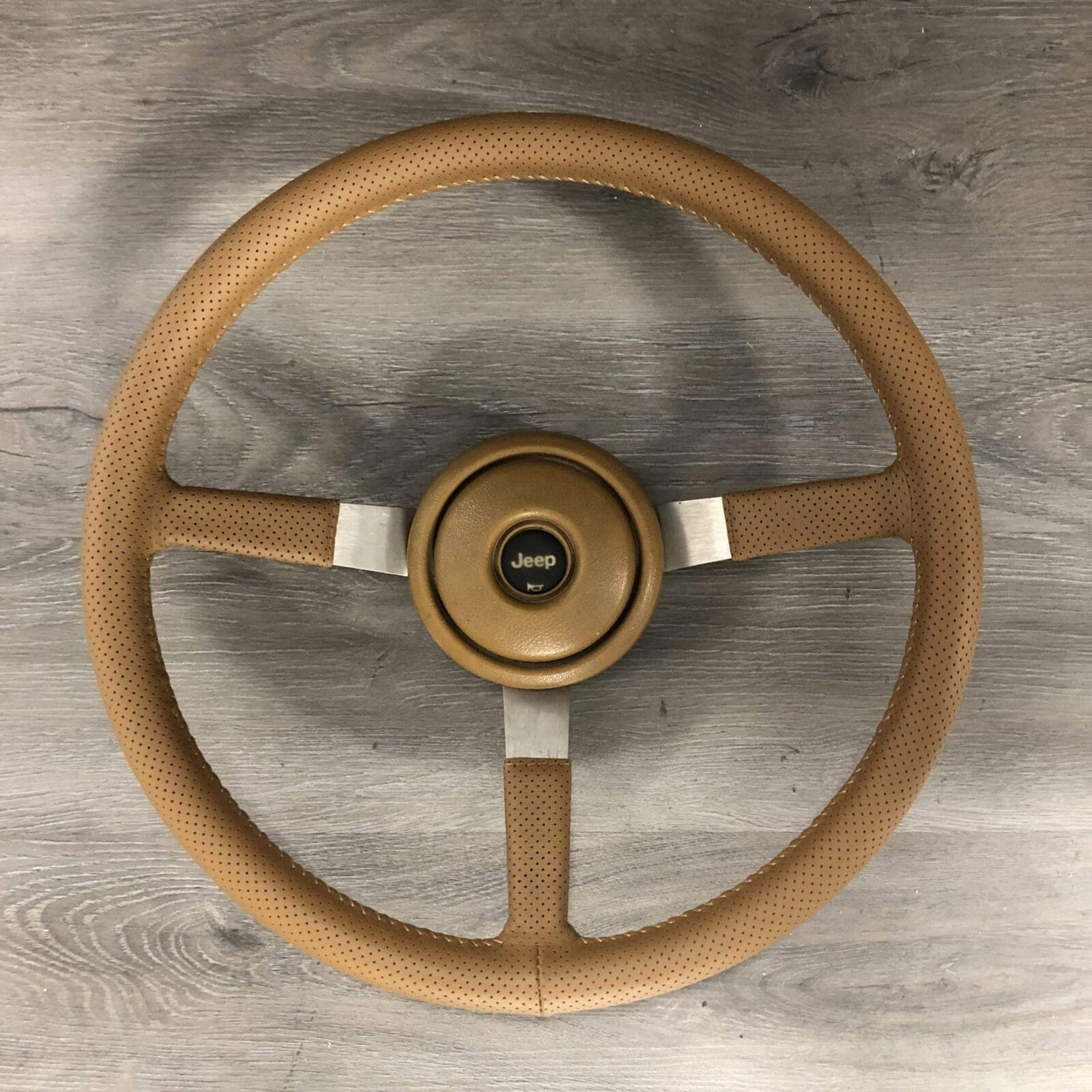
4. Damaged Or Worn Steering Wheel Grip
Years of use can wear out the steering wheel grip. You can re-cover or replace it.
Quick Repair:
- Buy a compatible steering wheel cover or replacement leather wrap.
- Remove the old cover if needed.
- Fit the new cover tightly, following instructions.
Some Jeep owners prefer custom wraps for better grip and style.
Step-by-step: Removing And Reinstalling A Jeep Steering Wheel
Here’s how to safely remove and reinstall your Jeep’s steering wheel for most repairs.
- Disconnect the Battery
- Wait at least 10 minutes after disconnecting (for airbag safety).
- Remove the Airbag
- Use the correct Torx bit to unscrew the airbag from the back.
- Gently unplug the connectors.
- Mark the Wheel Position
- Mark the steering shaft and wheel with a marker so you can align them later.
- Remove the Center Nut
- Use a socket wrench to remove the center nut.
- Pull the Steering Wheel
- Attach the steering wheel puller and follow the instructions.
- Never hammer the wheel—it can damage the column.
- Fix or Replace Parts as Needed
- Replace bushings, clock spring, or clean switches.
- Reinstall the Steering Wheel
- Align your marks before installing.
- Tighten the nut to spec.
- Reconnect the airbag and battery.

Jeep Steering Wheel Types And Compatibility
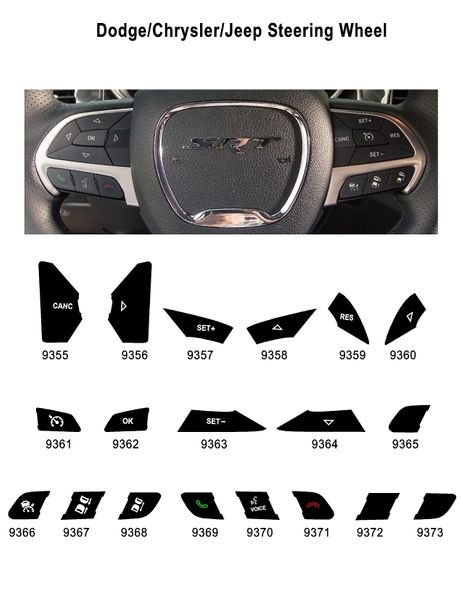
Not every steering wheel is the same. Jeep models use different wheels and columns depending on the year and trim.
Here’s a comparison of common Jeep models and their steering wheel compatibility:
| Jeep Model | Years | Steering Wheel Type | Airbag Compatible |
|---|---|---|---|
| Wrangler TJ | 1997–2006 | 3-spoke, 2-spoke | Yes |
| Wrangler JK | 2007–2018 | 4-spoke | Yes |
| Cherokee XJ | 1984–2001 | 2-spoke, 3-spoke | Some |
| Grand Cherokee WJ | 1999–2004 | 4-spoke | Yes |
Non-obvious tip: Always check the airbag connector type if you’re swapping wheels. Some models use different connectors, and using the wrong one can make the airbag useless.
When To Repair Vs. Replace
Sometimes, it’s better to replace the steering wheel or column parts instead of repairing them.
Here’s a simple comparison:
| Problem | Repair | Replace |
|---|---|---|
| Loose grip | Recover grip | New steering wheel |
| Worn bushings | Replace bushings | Replace column (if severe) |
| Broken clock spring | Replace clock spring | — |
| Heavily damaged wheel | — | New steering wheel |
Insight: If your Jeep is over 15 years old and the steering wheel has multiple problems, a replacement can save time and improve safety.
Safety Precautions You Must Follow
Working on a steering wheel means dealing with airbags, electrical wiring, and steering components. Here’s how to stay safe:
- Disconnect the battery and wait 10–15 minutes.
- Never use metal tools near the airbag connector.
- Follow torque specs when tightening bolts.
- If unsure, consult your Jeep manual or a professional.
- Always work in a well-lit, dry area.
Many beginners forget to wait after disconnecting the battery. The airbag can still deploy if there’s leftover charge, so patience is key.
Common Mistakes To Avoid
- Skipping battery disconnection—can cause airbag deployment.
- Losing alignment marks—the wheel may not be straight after reinstallation.
- Forgetting torque specs—can lead to loose or overtightened parts.
- Using the wrong tools—strips bolts or damages trim.
- Reusing damaged parts—always replace worn bushings or clock springs.
Avoiding these mistakes can save you time and keep your Jeep safe to drive.
Advanced Tips For Jeep Owners
- If you drive off-road, check your steering wheel and column every 12,000 miles.
- For improved steering feel, upgrade to polyurethane bushings—they last longer.
- When replacing the wheel, consider aftermarket options with better grip and durability, but make sure they are airbag compatible.
- Check the steering column bearings if you still feel play after repairs.
Many Jeep owners overlook the steering column bearings—these can wear out and cause movement, even after replacing the wheel or bushings.
Is It Worth Doing Yourself?
Most basic repairs on a Jeep steering wheel are DIY-friendly. The average repair takes 1 2 hours, and you’ll save $150 $400 compared to a mechanic.
However, if you’re not comfortable working with airbags or notice deeper steering problems, getting a professional’s help is wise.
For more technical details and wiring diagrams, the official Jeep Owner’s Manual is a great resource.
Frequently Asked Questions
How Do I Know If My Jeep’s Steering Wheel Needs Repair?
If your steering wheel feels loose, makes noises, is hard to turn, or the controls (horn, airbag light) stop working, it likely needs repair. Regular inspection helps catch issues early.
Can I Repair My Jeep Steering Wheel Without Removing The Airbag?
Most repairs, especially for loose wheels or noise, require airbag removal. Never attempt this without disconnecting the battery and following safety steps.
How Much Does It Cost To Repair A Jeep Steering Wheel?
DIY repairs usually cost $30 $100 for parts like bushings, clock springs, or covers. Professional repairs can range from $200 to $600, depending on the problem.
What’s The Most Common Steering Wheel Problem In Jeeps?
The most common problems are loose wheels (from worn bushings or nuts) and noises due to dry bushings or a faulty clock spring. Both are easy to fix with basic tools.
Can I Upgrade My Jeep’s Steering Wheel To A Newer Model?
You can, but you must check compatibility, especially for airbag and control wiring. Some Jeep wheels fit across different years, but always verify before swapping.
Repairing your Jeep steering wheel can be a rewarding project that improves your driving safety and comfort. Take your time, use the right tools, and follow safety steps carefully. With practice, you’ll keep your Jeep feeling solid and reliable for many miles ahead.