Getting an oil cap stuck on your car’s engine can be frustrating. Many drivers face this problem, often while doing simple maintenance like checking or changing the oil.
The cap might feel welded on, not budging even with firm twisting. If you force it, you risk breaking the cap or, worse, damaging the engine cover.
But with the right steps, you can remove a stuck oil cap safely and avoid costly repairs.
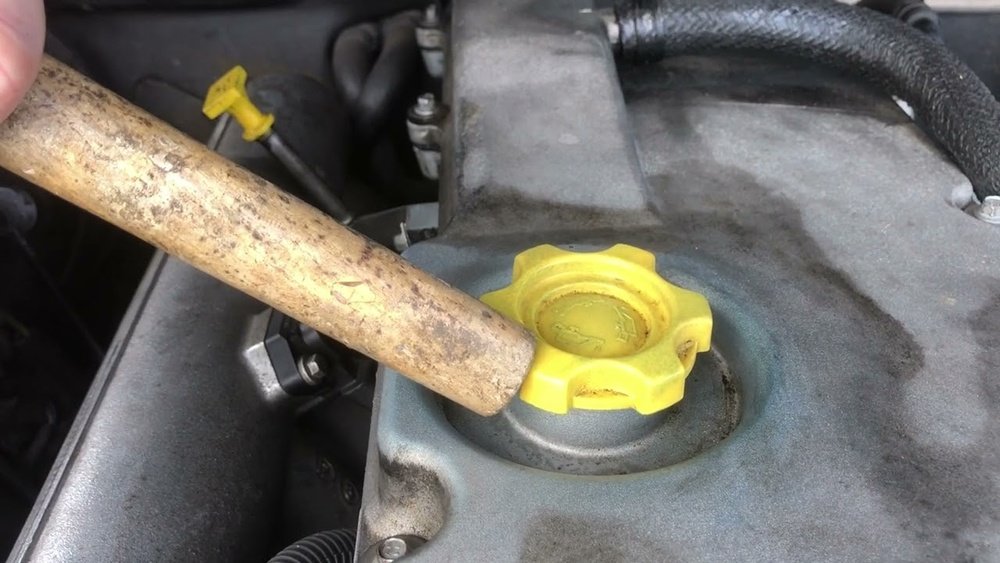
This guide explains why oil caps get stuck, how to remove them without causing damage, and what you should do to prevent this issue next time. You’ll also find practical tips and answers to common questions.
Why Oil Caps Get Stuck
Understanding why the cap is stuck helps you choose the best removal method. Here are the main reasons:
- Heat and residue: Engine heat can cause plastic or rubber parts to expand and contract. Over time, oil residue can act like glue, making the cap stick.
- Over-tightening: Sometimes, the cap is screwed on too tightly during the last oil change or check.
- Aging and wear: Older caps may have warped threads or hardened seals.
- Dirt and debris: Dust and grime can build up around the threads, locking the cap in place.
Tools And Materials You May Need
Before you start, gather these items. Having them ready makes the process smoother and safer.
- Gloves (for grip and safety)
- Rubber strap wrench or adjustable wrench (for extra leverage)
- Pliers (preferably with padding to avoid damage)
- WD-40 or penetrating oil
- Clean rag
- Plastic scraper (optional, to remove residue)
- Flashlight (to see inside the engine bay)
Step-by-step: How To Remove A Stuck Oil Cap
Follow these steps. Move slowly rushing can break the cap or cause injury.
1. Let The Engine Cool Completely
A hot engine can make the cap expand and get tighter. Wait at least 30 minutes after running the car.
Trying to remove the cap while the engine is hot can also burn your hands.
2. Clean Around The Cap
Wipe away dirt and oil with a clean rag. This prevents debris from falling into the engine once the cap is off.
It also helps you see the cap clearly.
3. Try Opening By Hand
Put on gloves for better grip. Turn the cap counterclockwise. Sometimes, a firm, steady twist is enough, especially if you haven’t tried before.
4. Use A Rubber Strap Wrench
If the cap won’t move, use a rubber strap wrench. This tool gives more leverage without damaging the cap. Place the strap around the cap, tighten it, and turn gently. Avoid using metal tools first, as they can break the cap.
5. Apply Penetrating Oil
Spray a small amount of WD-40 or another penetrating oil around the cap’s edge. Let it soak for 5–10 minutes. This helps break up any hardened oil or grime.
6. Use Padded Pliers (if Needed)
If the cap is still stuck, try padded pliers. Wrap a rag around the cap to avoid scratches, then grip gently and twist.
Do not apply excessive force plastic caps can crack.
7. Tap The Cap Lightly
Sometimes, gentle tapping can loosen a tight cap. Use the handle of a screwdriver or a plastic scraper to tap around the edge. This can break the seal.
8. Remove And Inspect
Once the cap is loose, twist and lift it off. Check the threads and rubber seal for wear or damage.
Clean any sticky residue from the area before replacing the cap.
Common Mistakes To Avoid
Many people make the problem worse by:
- Using metal tools directly on the cap, causing cracks
- Applying too much force, which can break the cap or engine cover
- Trying to pry the cap off—this can damage the filler neck
- Ignoring the problem and running the engine without a cap (this lets dirt into the oil)
Real-life Comparison: Methods To Remove A Stuck Oil Cap
Here’s a simple comparison of the most common removal methods:
| Method | Risk of Damage | Difficulty | Success Rate |
|---|---|---|---|
| Hand Twist (with Gloves) | Low | Easy | Medium |
| Rubber Strap Wrench | Very Low | Easy | High |
| Padded Pliers | Medium | Moderate | Medium |
| Metal Tools | High | Hard | Low |
What To Do If The Oil Cap Breaks
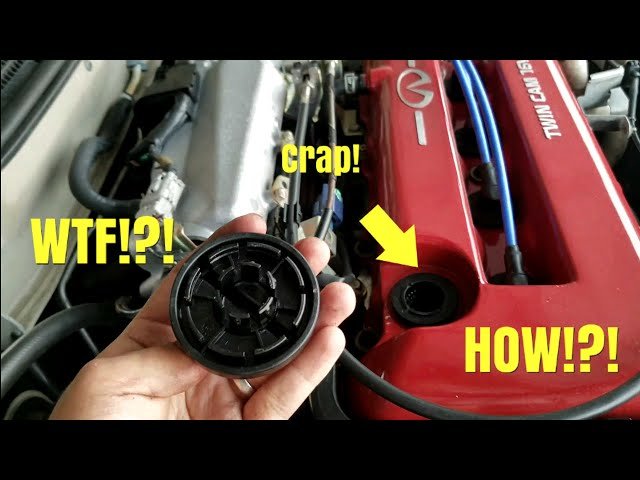
If the cap cracks or breaks during removal, do not drive your car. Broken pieces can fall into the engine, causing serious damage.
Here’s what to do:
- Remove all broken pieces from the filler neck.
- Seal the opening with a clean rag (temporarily) to keep out debris.
- Buy a replacement cap from an auto parts store. Take your car’s make and model for a proper fit.
- Install the new cap before starting the engine.
Preventing A Stuck Oil Cap In The Future
It’s easier to prevent this problem than fix it. Here are some simple tips:
- Don’t over-tighten: Hand-tighten the cap until it’s snug, then stop.
- Clean the threads: Wipe the cap and filler neck every oil change.
- Lubricate the seal: Use a small amount of engine oil on the rubber gasket.
- Inspect regularly: Check for cracks or hardening, especially on older vehicles.
Quick Reference: What Not To Do
| Don’t | Why |
|---|---|
| Use a hammer or screwdriver | Can damage engine parts |
| Run engine without a cap | Lets dirt and debris into oil |
| Ignore a cracked cap | Oil leaks and engine damage |
| Force metal tools | Breaks plastic threads |
When To Ask A Mechanic
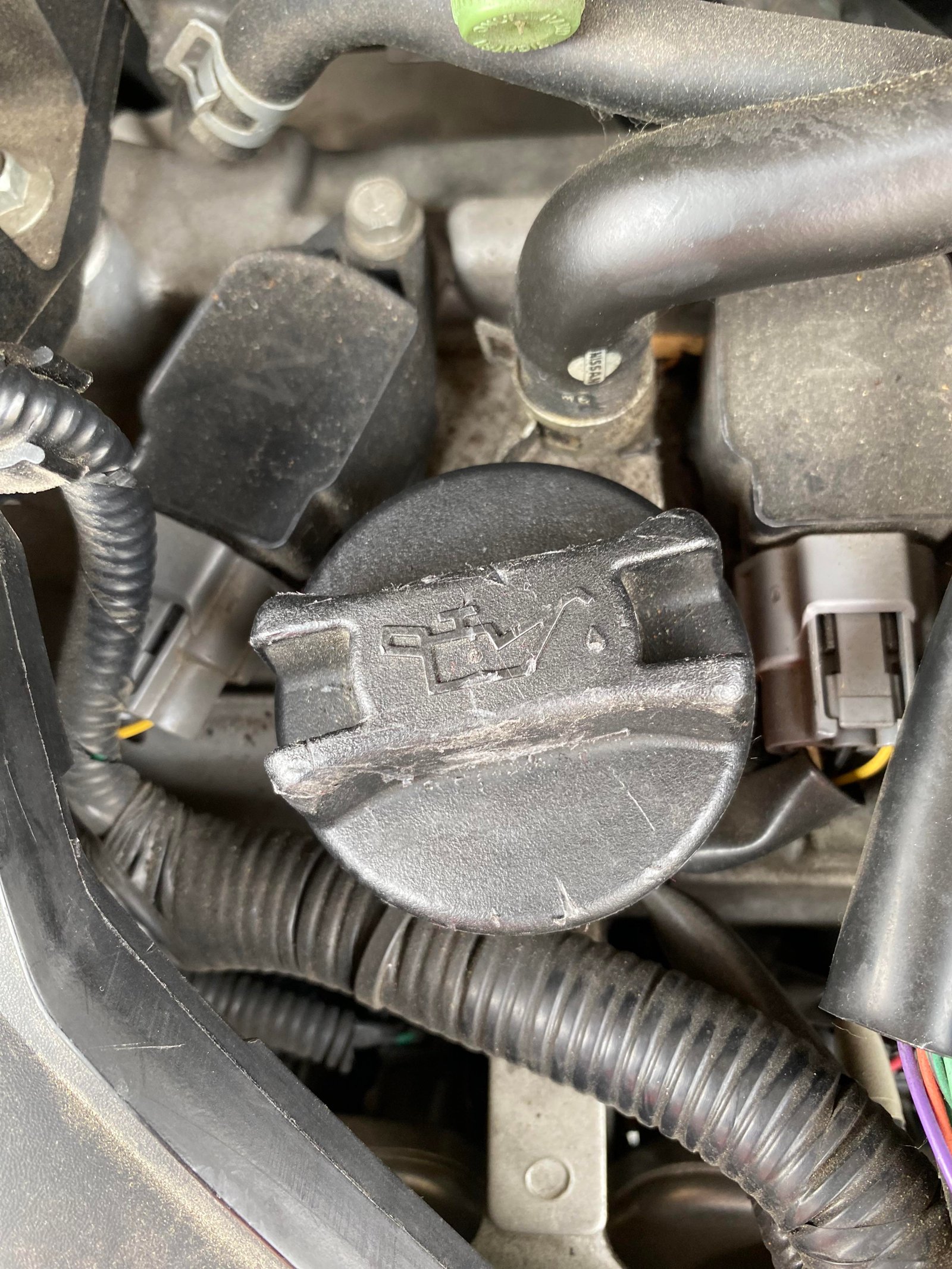
If none of these steps work, or if you see broken pieces stuck inside, it’s best to call a professional. Mechanics have specialized tools and can remove the cap without causing more damage.
Ignoring a stuck or broken cap can lead to expensive repairs.
Small Details Most People Miss
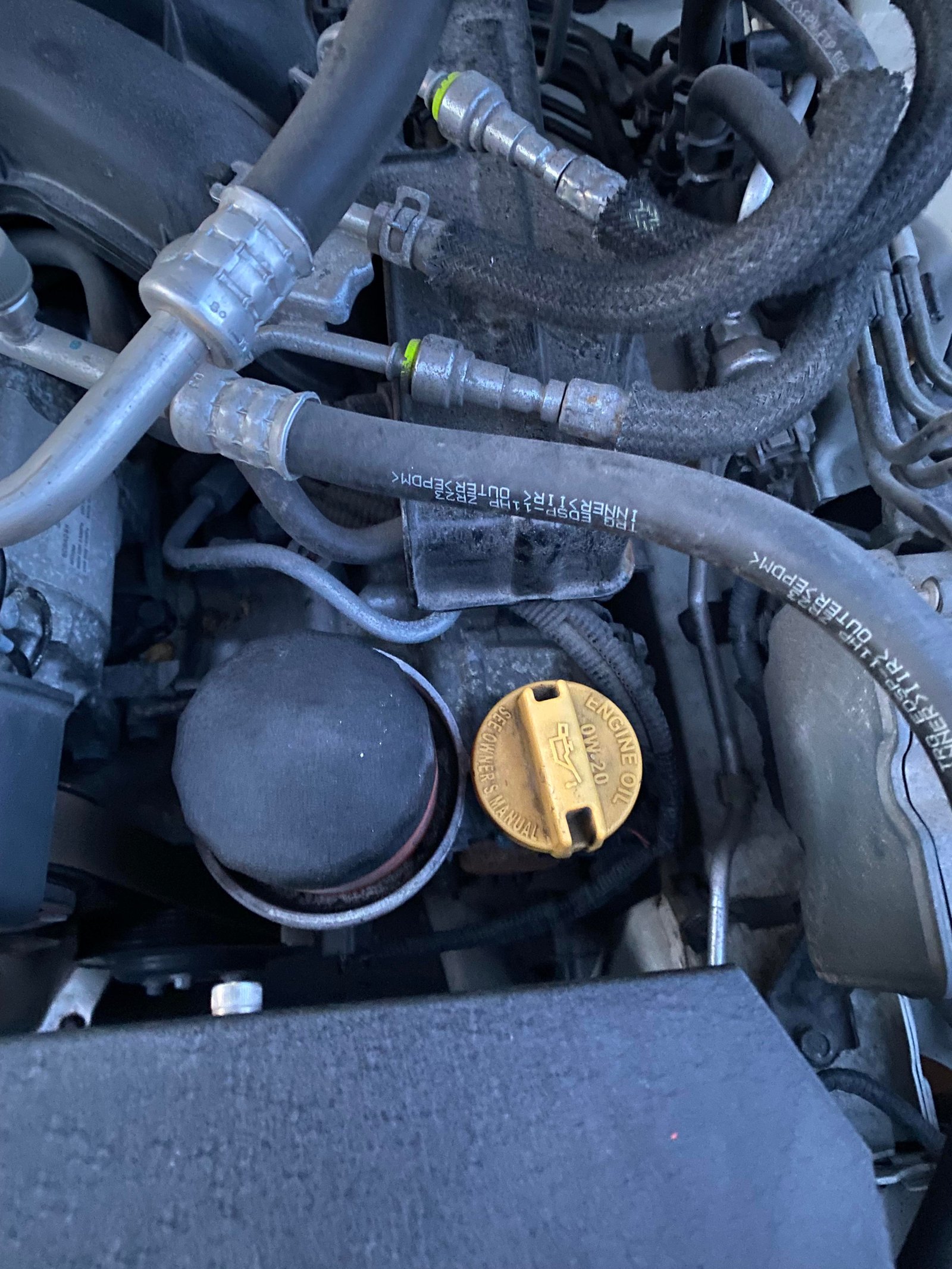
Many drivers forget to check the rubber gasket under the cap. If it’s swollen or out of place, the cap won’t seal or may get stuck again. Also, some newer vehicles have locking or vented oil caps—these require different removal steps. Always check your car’s manual for specific advice.
Learning to remove a stuck oil cap is a practical skill that helps you avoid frustration and engine problems. Take your time, use the right tools, and you’ll save money and your engine.
Frequently Asked Questions
What Can I Use Instead Of Wd-40?
You can use any penetrating oil or even a small amount of regular engine oil. The goal is to loosen sticky residue around the threads.
How Tight Should I Put The Oil Cap Back On?
Tighten the cap by hand until it’s snug, then stop. Over-tightening can make it hard to remove next time and may damage the gasket.
Can I Drive Without An Oil Cap?
No. Driving without an oil cap allows dirt and debris to enter the engine, which can cause major damage. Replace the cap before driving.
How Do I Know If My Oil Cap Needs Replacing?
Look for cracks, warping, or a hardened gasket. If you see oil leaking around the cap or if it feels loose, get a new one.
Where Can I Find More Information On Basic Car Maintenance?
Check the Wikipedia page on car maintenance for more tips and guidance.
Removing a stuck oil cap might seem tough, but with patience and the right approach, most people can handle it at home. Your engine will thank you for the extra care.