Taking out the back seat of a Jeep Wrangler might sound challenging if you’ve never tried it before. But with the right steps, anyone can do it—even if you’re new to working on cars. Maybe you want more cargo space for a camping trip, need to clean under the seat, or want to fit bigger gear. No matter your reason, this guide explains everything you need to know, step by step, without confusing jargon. You’ll learn what tools you need, how to avoid common mistakes, and how to put your seat back safely. Let’s make your Jeep Wrangler more flexible for your adventures.
Why Remove The Jeep Wrangler Back Seat?
Many Jeep owners remove the back seat for practical reasons. The most common is to create more room for luggage, pets, or outdoor gear. If you love camping, mountain biking, or kayaking, having extra space in your Wrangler can be a game-changer. Some people remove the back seat to clean up spills, sand, or mud that collects under the seat. Others want to install special equipment or upgrade their audio system.
Removing the seat can also reduce the vehicle’s weight by about 35–45 pounds (depending on the year and model), which might give you a slight bump in fuel efficiency and ride height. However, keep in mind that removing the rear seat means you lose legal passenger space in most states.

What You Need Before You Start
Before you grab your wrench, gather these basic tools and items:
- Socket wrench set (with 13mm and 18mm sockets for most models)
- Extension bar for your wrench (makes it easier to reach tight spots)
- Torx bit set (some models use Torx bolts)
- Flathead screwdriver
- A container for bolts and small parts
- Protective gloves
- Flashlight (helpful for seeing under the seat)
Important Tip: Double-check your Jeep’s manual or look up your Wrangler’s year and trim. Some models (like the JL, JK, or TJ) may use different bolts.
Understanding Wrangler Models: Seat Removal Differences
Not all Jeep Wranglers are built the same. The back seat removal process can change depending on the model year and whether you have a two-door or four-door (Unlimited) version. Here’s a quick comparison:
| Model | Seat Attachment Type | Seat Fold Mechanism | Tools Needed |
|---|---|---|---|
| Wrangler TJ (1997–2006) | Latch & Bolts | Manual Fold | Socket & Torx |
| Wrangler JK (2007–2018) | Bolts Only | 60/40 Split Fold | Socket |
| Wrangler JL (2018+) | Bolts & Clips | 60/40 Split Fold | Socket & Torx |
Non-obvious insight: Even if you’ve removed seats from one Wrangler, the process and bolts can be different in another. Always check for hidden wiring (like for seat heaters or airbag sensors) in newer models.
Step-by-step Guide: How To Remove Jeep Wrangler Back Seat
Follow these instructions for a safe and smooth removal. These steps work for most JK and JL models, but always check your specific year.
1. Prepare Your Jeep
- Park on a flat surface and turn off the engine.
- Disconnect the battery if your back seat has any wiring (like for heated seats or airbags). This helps you avoid electric shocks or warning lights.
2. Fold And Slide The Rear Seat
- Pull the release strap or lever to fold the seatbacks forward. On some models, you may need to remove the headrests first.
- If your Wrangler has a 60/40 split, fold down both sides for easier access.
3. Locate And Remove Bolts
- Look at the base of the seat. You’ll see bolts securing the seat brackets to the floor.
- Use your socket wrench with the correct size (usually 13mm or 18mm) to remove these bolts.
- Some bolts are hidden under plastic covers. Pry these off gently with a flathead screwdriver.
4. Remove The Rear Seat
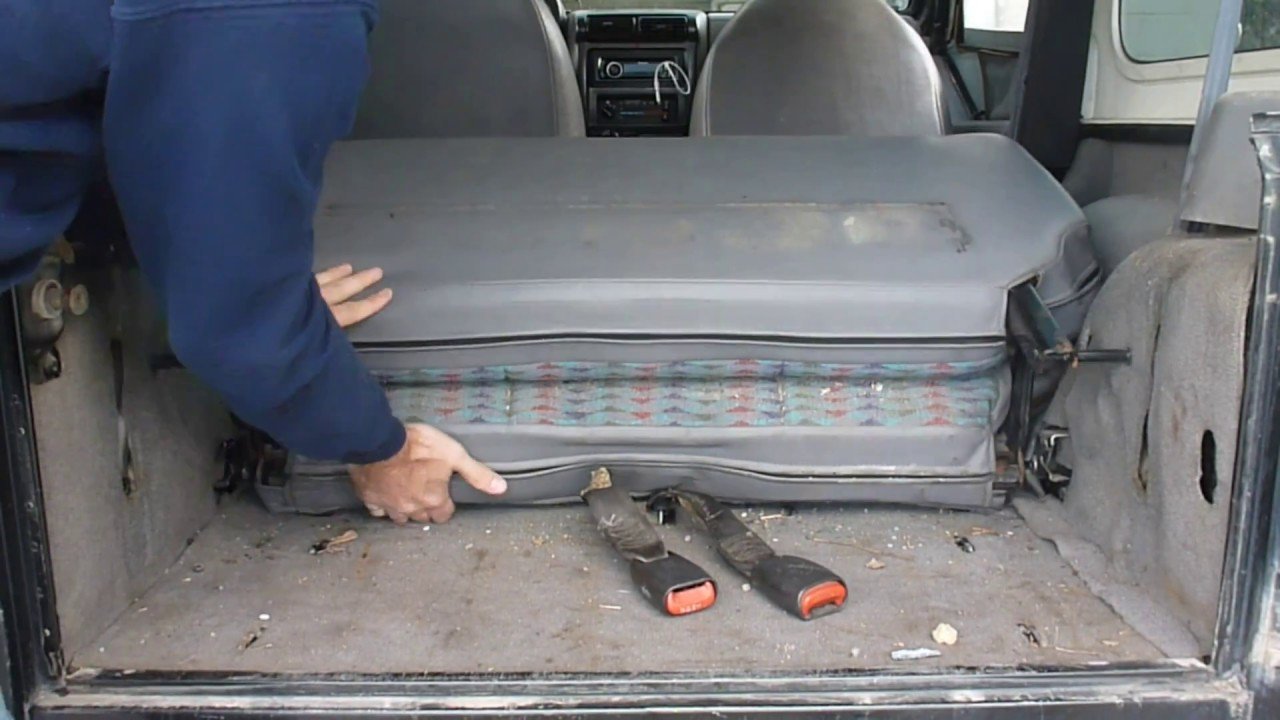
- With all bolts removed, tilt the seat forward and lift it out carefully.
- If your Jeep has extra wiring, unplug the connectors before taking out the seat fully.
5. Store Bolts And Seat Safely
- Put all bolts and small parts in a container so you don’t lose them.
- Place the seat on a blanket or mat to avoid damaging your Jeep’s interior or scratching the seat.
6. Check The Floor For Wires Or Clips
- Before driving, check for any loose wiring, seatbelt buckles, or clips.
- Tape down or secure any wiring to prevent rattles.
Pro tip: Take a quick photo before you start. It helps you remember where each bolt and clip goes when you want to reinstall the seat.
Reinstalling The Jeep Wrangler Back Seat
Putting the back seat back is often easier than removal, but there are a few things to watch out for.
- Position the seat: Line up the seat brackets with the bolt holes.
- Reconnect any wiring: Plug in connectors for seat heaters or sensors (if your model has them).
- Insert bolts loosely at first, then tighten them fully after all bolts are in place. This prevents cross-threading.
- Test the seat: Fold and unfold the seat to be sure it locks in place and doesn’t rattle.
Common mistake: Overtightening bolts can strip the threads or damage the floor. Tighten them just enough to hold the seat firmly.
Benefits And Drawbacks Of Removing The Back Seat
Before you make this change, consider the upsides and downsides:
| Benefit | Drawback |
|---|---|
| Much more cargo space | No rear passenger seats |
| Easier cleaning | Possible seatbelt warning lights |
| Install custom gear (storage, racks) | May affect resale value |
| Reduce weight by 35–45 lbs | Not legal to carry passengers in back |
Non-obvious insight: Insurance companies sometimes require you to have all factory seats installed. Check your policy before making a permanent change.
Tips For A Smooth Removal Process
- Label your bolts if they’re different sizes or lengths.
- Lay down a towel or blanket inside the Jeep to protect the doors and floor from scratches.
- If your seat is stuck, wiggle it gently—never force it.
- Work with a friend for heavy lifting, especially in four-door models.
When Should You Not Remove The Back Seat?
There are times when removing the back seat isn’t a good idea:
- If you plan to carry more than two people regularly.
- If your state’s laws require all installed seatbelts to be in working order.
- If your Wrangler is still under warranty—some dealers may not cover repairs if you’ve made changes.
Practical example: In California, carrying people in cargo areas is illegal. Always check local laws before you drive without your back seat.
Cleaning And Maintenance After Removal
With the seat out, it’s a perfect time for a deep clean:
- Vacuum the floor and under-seat area.
- Wipe down metal brackets with a damp cloth to remove dirt and rust.
- Spray a little silicone lubricant on exposed bolts if you plan to reinstall the seat later.
- Inspect for signs of water leaks (common in Jeeps after off-roading).
What To Do With The Removed Seat
You can store the back seat in your garage, sell it, or even use it as a bench in your workshop. Store the seat in a dry, clean place direct sunlight can fade the fabric or leather.
Real-world tip: If you’re storing the seat for a long time, cover it with a sheet to keep off dust and moisture.
Quick Comparison: Jeep Wrangler Cargo Space With Vs. Without Back Seat
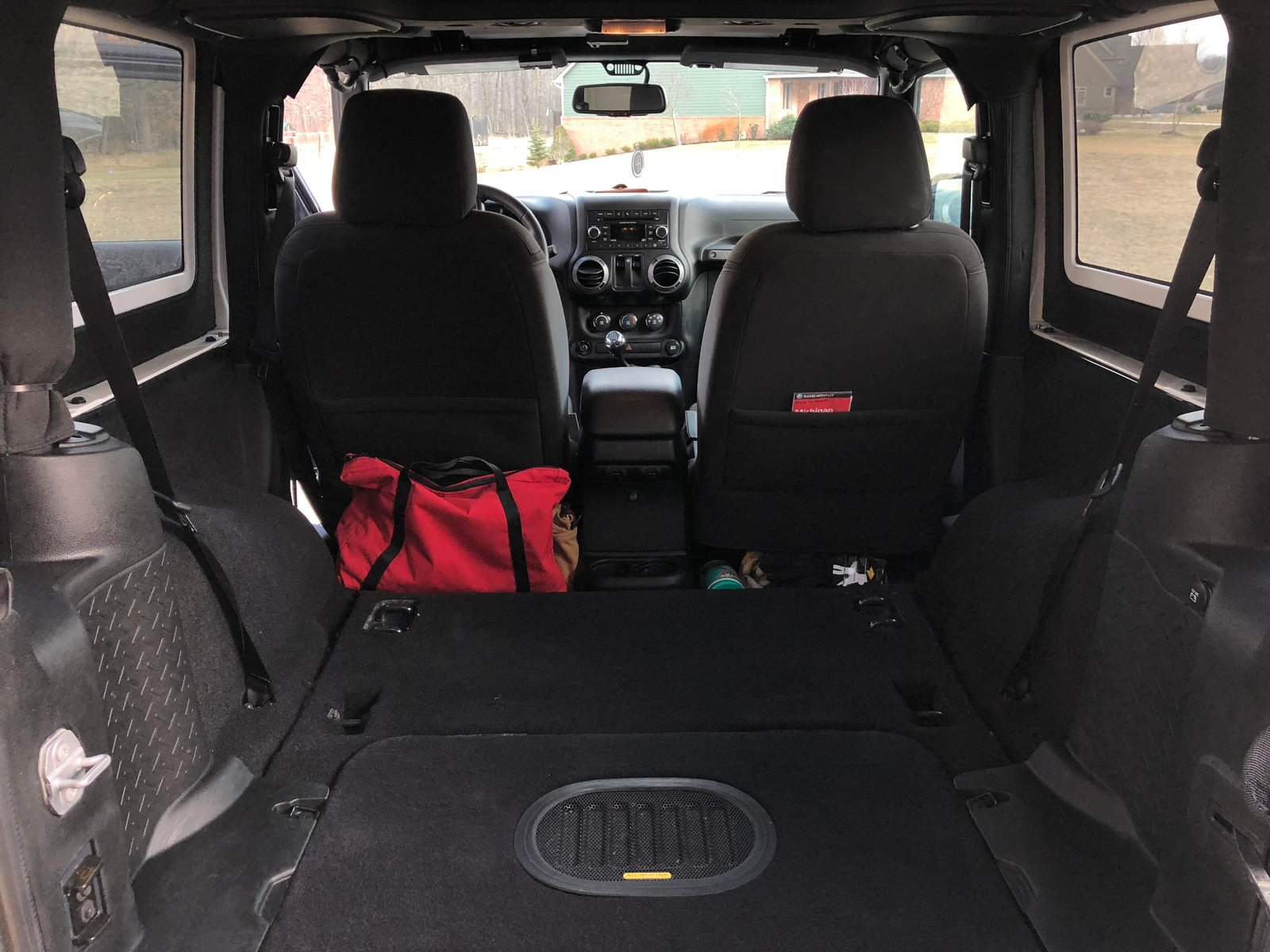
Here’s how much space you gain by removing the rear seat in a typical four-door Jeep Wrangler (JK model):
| Configuration | Cargo Volume (cubic feet) |
|---|---|
| With back seat installed | 31.7 |
| Back seat folded (not removed) | 70.6 |
| Back seat removed | 72.4 |
That extra space can make a big difference if you’re hauling bikes, coolers, or camping gear.
Safety Considerations
- Never leave loose bolts or tools where they can roll under the pedals.
- Secure any items in the cargo area before driving. In a crash, loose objects can become dangerous.
- If you disconnect wiring, be aware that your airbag or seatbelt warning lights may come on. If so, you may need to reset the system or visit a dealer.
For more on vehicle safety after modifications, the National Highway Traffic Safety Administration (NHTSA) offers guidelines: NHTSA Seat Belt Safety.

Frequently Asked Questions
How Long Does It Take To Remove A Jeep Wrangler Back Seat?
Usually, it takes 20–40 minutes for most people, even if you’re new to working on cars. If your seat has wiring or is stuck from rust, it might take a bit longer.
Will Removing The Back Seat Void My Jeep’s Warranty?
Generally, taking out the back seat for cleaning or temporary cargo space won’t void your warranty. However, if you damage wiring or structural parts during removal, repairs might not be covered.
Always keep your removed parts in case you need to reinstall for service.
Can I Reinstall The Back Seat Myself?
Yes, reinstalling is usually straightforward. Just reverse the steps you took to remove it, making sure all bolts are tight and any wiring is reconnected.
Test the seat to make sure it locks in place and isn’t loose.
Is It Legal To Drive Without The Back Seat?
Laws vary by state and country. In most places, you can drive without the back seat as long as all seatbelts are functional and you aren’t carrying passengers in the cargo area. Always check local laws before making changes.
What Should I Do If My Seatbelt Warning Light Comes On After Removal?
If the seatbelt warning light stays on, you may have disconnected a sensor or left a wiring connector unplugged. Check all connections.
If the light won’t turn off, you may need to reset your Jeep’s computer or visit a dealer for help.
Removing your Jeep Wrangler’s back seat is a practical way to create more space for your adventures or keep your vehicle cleaner. With a few tools and some care, you can do the job yourself and enjoy a more flexible Jeep.
Always keep safety in mind, save your bolts, and check your local laws to avoid surprises.