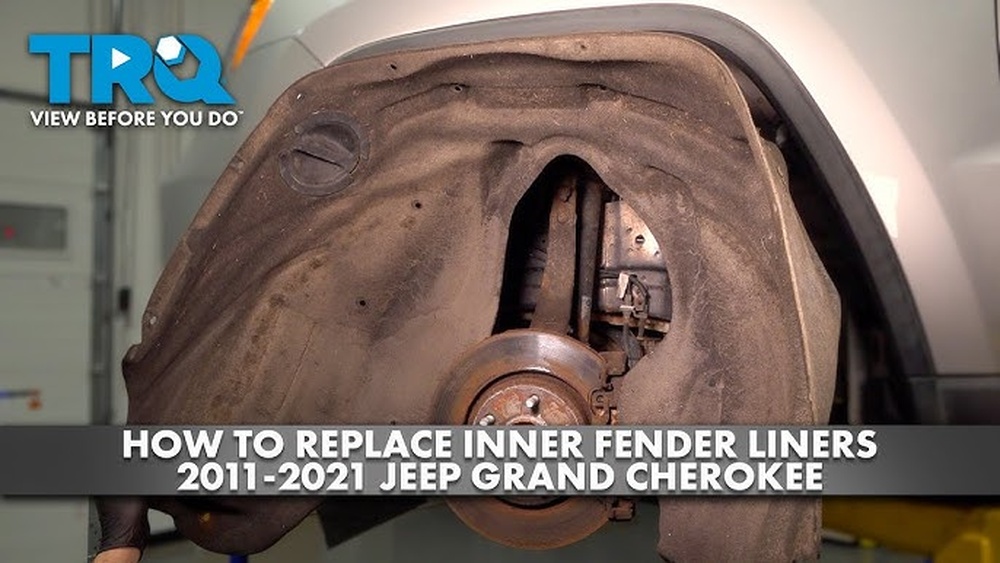
Getting access to your Jeep’s wheel well often means removing the wheel well liner. This plastic or rubber shield protects the engine bay and suspension from mud, water, and rocks.
Maybe you want to check for rust, install new lights, or upgrade your suspension. Whatever your reason, removing the liner is a straightforward task—but it’s easy to miss a few key steps if you’re new to Jeep maintenance.
This guide will show you how to remove the wheel well liner safely, avoid common mistakes, and keep your Jeep in top shape.
What You Need Before Starting
Preparation is the first step to success. Gather these tools and items:
- Socket wrench set (sizes: 8mm, 10mm are common)
- Flathead screwdriver
- Trim removal tool (optional but helpful)
- Gloves for protection
- Flashlight for better visibility
Check your Jeep’s manual for any specific requirements. Most Jeep models like the Wrangler, Cherokee, and Grand Cherokee have similar liners, but fastener types can vary.
Step-by-step: Removing The Wheel Well Liner
Follow these steps to remove your Jeep’s wheel well liner with minimal hassle.
- Lift and Secure Your Jeep
- Park on a flat surface.
- Engage the parking brake.
- If needed, use a jack to lift the Jeep and secure with jack stands. This gives you easier access but is not always required.
- Remove the Wheel
- Loosen the lug nuts before lifting.
- Lift the Jeep and remove the wheel completely.
- Locate Fasteners and Clips
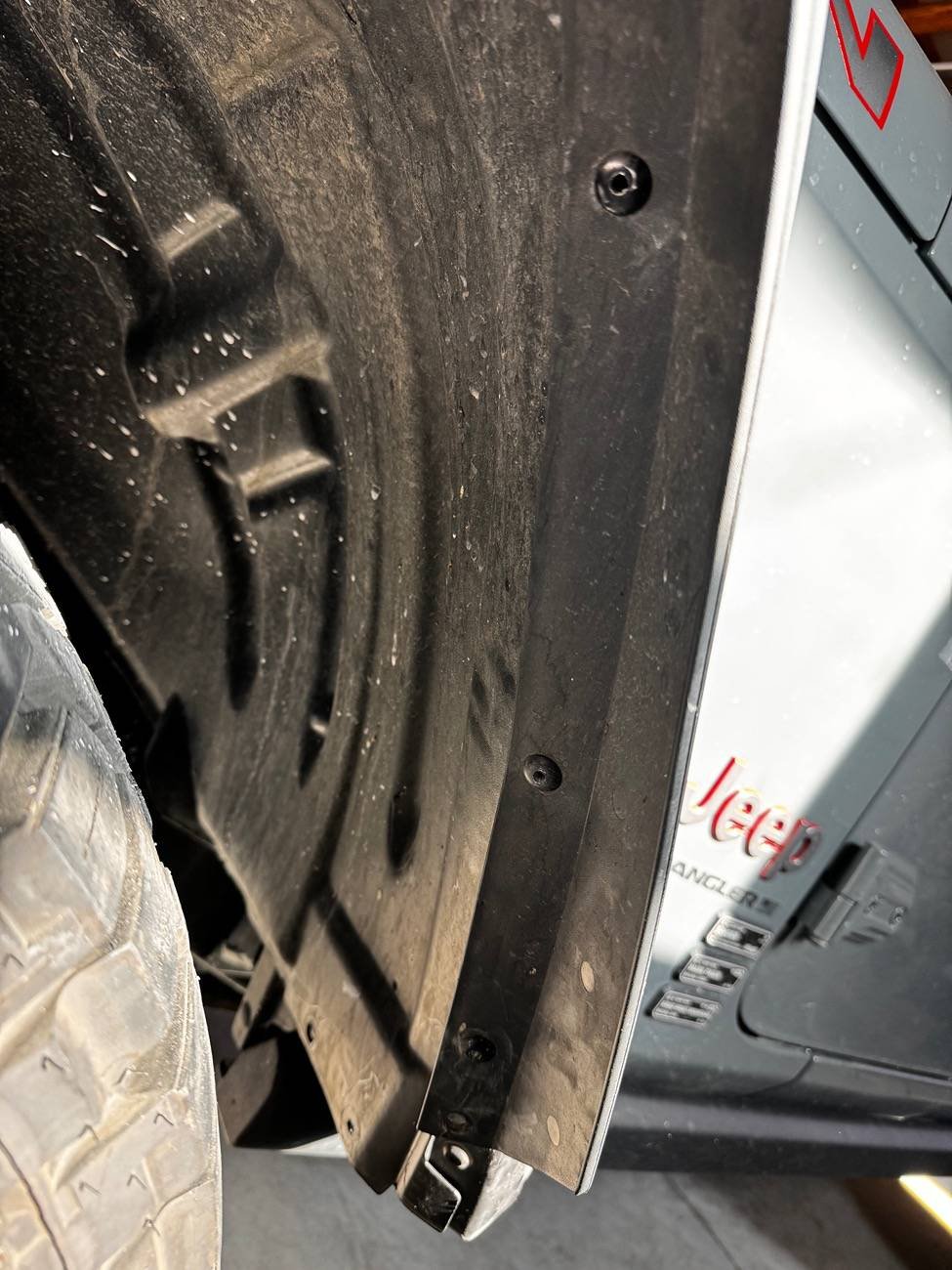
- Inspect the liner. You’ll see plastic clips, screws, and sometimes bolts.
- Use a flashlight to spot hidden fasteners around the edge.
- Remove Fasteners
- Use a socket wrench for bolts.
- Use a flathead screwdriver or trim tool for plastic clips.
- Be gentle—clips can break easily. If a clip is stubborn, wiggle it gently instead of forcing.
- Free the Liner
- Once all fasteners are out, gently pull the liner away.
- Some liners fit tightly. Start at one corner and work around, easing the liner out.
- Inspect for Hidden Fasteners
- If the liner won’t come out, double-check for missed fasteners.
- Sometimes fasteners hide behind mud or debris—clean the area if needed.
- Remove the Liner
- Once loose, slide the liner out. Avoid bending too much, as liners can crack.
Jeep Model Comparison: Fastener Types
Here’s a quick comparison of fastener types found in popular Jeep models:
| Jeep Model | Common Fasteners | Tools Needed |
|---|---|---|
| Wrangler (JK) | Plastic clips, 10mm bolts | Trim tool, socket wrench |
| Cherokee (KL) | Plastic screws, clips | Screwdriver, trim tool |
| Grand Cherokee (WK2) | Bolts, push pins | Socket wrench, flathead screwdriver |

Common Mistakes And How To Avoid Them
Many Jeep owners make small errors that lead to bigger problems.
- Breaking clips: These are often fragile. Always use a trim removal tool for extra safety.
- Missing fasteners: Some screws may be hidden under mud or behind the liner. Clean the area first.
- Forcing the liner: If the liner feels stuck, check for missed fasteners. Forcing can cause cracks.
- Losing fasteners: Keep a small container handy for screws and clips.
Fastener Durability: Plastic Vs Metal
Some Jeeps use plastic clips, others use metal bolts. Here’s how they compare:
| Type | Durability | Replacement Cost |
|---|---|---|
| Plastic Clip | Prone to breakage | $1–$2 each |
| Metal Bolt | Long-lasting | $2–$5 each |
Tip: Always buy a few extra clips before starting, especially if your Jeep is older.
What To Do After Removing The Liner
Once the liner is out, take a few extra steps:
- Inspect for rust or damage: Check the wheel well, suspension, and brake lines.
- Clean the area: Remove mud, debris, and any trapped moisture.
- Plan for upgrades: Now is the best time to install new lights or check wiring.
If you want to reinstall the liner, reverse the removal steps. Make sure all fasteners are tight, and replace any broken clips.
Practical Insights Most Beginners Miss
- Hidden wiring: Some Jeep models have wiring behind the liner for sensors or lights. Move the liner carefully to avoid damaging these wires.
- Weather impact: Wheel well liners are more likely to stick in cold weather. If it’s cold, warm up the area with a heat gun or wait for a sunny day.
Cost And Time Estimate
On average, removing a wheel well liner takes about 30–45 minutes per wheel. If you break clips, add a few dollars for replacements. Professional shops may charge $50–$100 for this job, but doing it yourself saves money and lets you inspect your Jeep closely.
Frequently Asked Questions
How Do I Know If My Jeep Needs A New Wheel Well Liner?
If your liner is cracked, missing clips, or hanging loose, it’s time to replace it. Damage allows dirt and water to reach important parts, leading to rust.
Can I Drive Without The Wheel Well Liner?
You can drive without it, but it’s not recommended. The liner protects your Jeep’s suspension, engine bay, and brake lines from debris and moisture.
Are Wheel Well Liners Universal For All Jeeps?
No. Each Jeep model has a liner shaped for that wheel well. Always buy a liner specific to your Jeep’s year and model.
How Can I Remove Stubborn Clips Without Breaking Them?
Use a trim removal tool and gently wiggle the clip. Applying a little lubricant (like WD-40) can help loosen stuck clips.
Where Can I Buy Replacement Clips And Liners?
Replacement clips and liners are available at Jeep dealers, auto parts stores, and online. For more details, visit the official Jeep Parts & Accessories site.
Removing your Jeep’s wheel well liner is not difficult, but attention to detail is key. With the right tools and careful steps, you can finish the job quickly and avoid costly mistakes.
This task lets you check your Jeep’s health and plan upgrades so don’t rush, and keep safety first.