If you own a Jeep TJ, you probably love working on your vehicle. One common project is removing the tail lights—maybe for replacement, repairs, or to upgrade to LEDs. While this task looks simple, there are a few steps and tips you should know to avoid damaging your Jeep or the new lights. This guide explains how to remove Jeep TJ tail lights safely, even if you have little experience with car maintenance.
Why Remove Jeep Tj Tail Lights?
You may want to take off your Jeep TJ tail lights for several reasons:
- Replacing a broken or faded light
- Upgrading to brighter LED lights
- Fixing wiring or electrical problems
- Painting or modifying the Jeep’s rear
Whatever the reason, knowing the right process saves time and prevents mistakes.
Tools And Materials You’ll Need
Before you start, gather these items:
- Phillips screwdriver (medium size)
- Flathead screwdriver (optional, for prying)
- Work gloves (to protect your hands)
- Protective eyewear (recommended)
- Small container (for screws)
- New tail lights (if you’re replacing them)
- Electrical tape (for covering wires, if needed)
Having the right tools helps you avoid stripping screws or damaging plastic parts.

Step-by-step: How To Remove Jeep Tj Tail Lights
Follow these steps for a smooth process:
1. Park And Prepare The Jeep
Park your Jeep on level ground. Turn off the engine and remove the key.
For extra safety, disconnect the negative battery cable this prevents any electrical shock or short circuit.
2. Access The Tail Light Screws
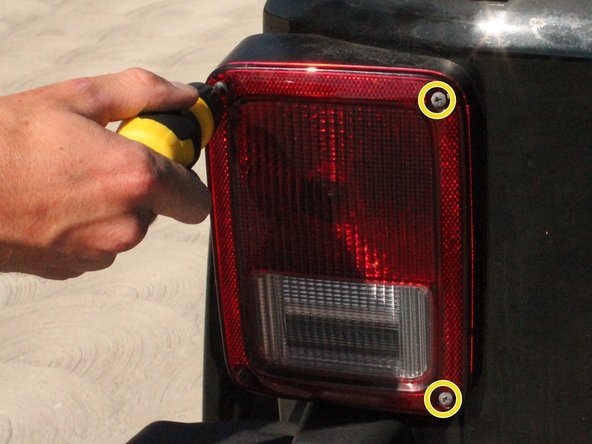
Open the tailgate of your Jeep. You’ll see the tail light assemblies at each rear corner.
The screws are usually visible on the outside lens.
- Most Jeep TJ tail lights have four Phillips screws holding the lens to the housing.
- Some models may have a fifth screw inside the tailgate area.
3. Remove The Screws
Using your Phillips screwdriver, remove all the screws. Place them in your container so you don’t lose any.
Pro Tip: If a screw is rusty or stuck, spray a little WD-40 and wait a few minutes before trying again. This prevents the screw head from stripping.
4. Detach The Lens And Housing
Gently pull the lens away from the Jeep. If it feels stuck, use a flathead screwdriver to carefully pry it off.
Be gentle too much force can crack the plastic or scratch your paint.
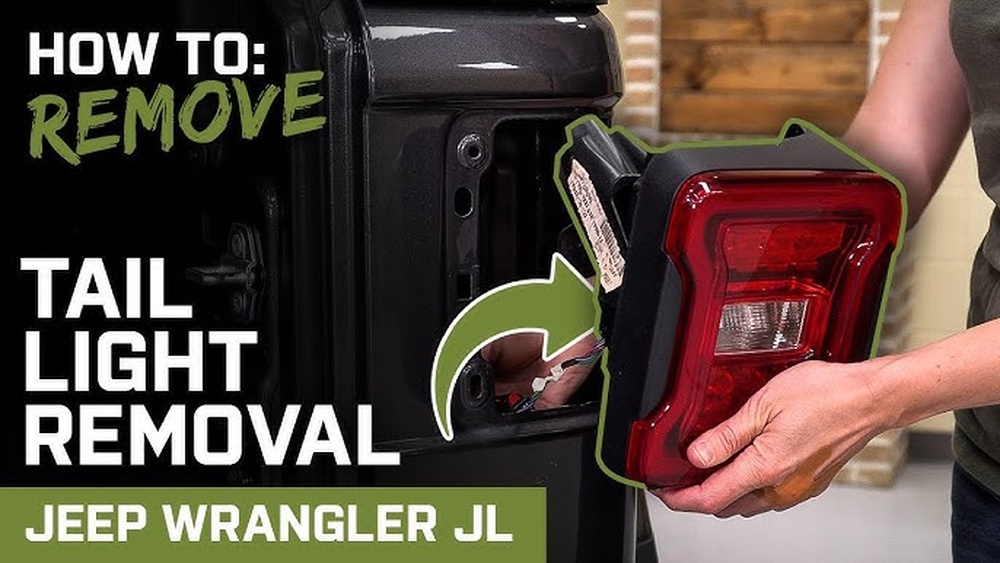
Now, you’ll see the bulb sockets and wiring behind the lens.
5. Disconnect The Bulb Sockets
Turn the bulb sockets counterclockwise about a quarter turn. They should pop out easily.
- If you’re replacing the tail light, leave the bulbs in the sockets.
- For repairs, remove the bulbs by gently pulling them out of the sockets.
Important: Don’t touch the bulbs with bare fingers. Oil from your skin can make them burn out faster.
6. Remove The Tail Light Housing
With the bulbs and wiring out, you can now remove the housing from the body. On some models, there may be a plastic clip or seal. Gently pull or unclip as needed.
You’ve now fully removed the Jeep TJ tail light.
Comparison: Factory Vs Aftermarket Tail Lights
Choosing between original and aftermarket tail lights? Here’s a quick comparison:
| Feature | Factory (OEM) | Aftermarket |
|---|---|---|
| Fit | Perfect fit, plug-and-play | May need adjustments |
| Cost | More expensive | Usually cheaper |
| Style | Original look | Many designs, including LED |
| Warranty | Usually included | Depends on brand |
Common Problems And Solutions
Some issues can pop up during this project. Here’s how to handle them:
| Problem | Solution |
|---|---|
| Stripped screw head | Use a screw extractor or pliers |
| Broken lens | Replace with new lens |
| Corroded socket | Clean with electrical contact cleaner |
| Loose wiring | Secure with electrical tape or new connectors |
Tips For A Smooth Removal
- Always support the lens with one hand while removing screws.
- Label the bulb sockets if you’re new to wiring—left, right, brake, and reverse.
- Inspect the wiring for corrosion or damage before reassembly.
- Take a picture of the assembly before you start. This helps you remember the order of parts.
What Beginners Often Miss
Many first-timers forget to disconnect the battery. This small step prevents accidental shorts, especially if you touch two wires together.
Another common mistake is mixing up the bulb sockets. Jeep TJ tail lights have different bulbs for stop, tail, and reverse.
Plugging them in the wrong place can cause the lights to work incorrectly.
When To Seek Professional Help
If you notice melted wires, water in the tail light, or damaged connectors, it’s safer to ask a mechanic or auto electrician. These problems can affect other electrical parts if not fixed properly.
Reinstalling Or Upgrading
To put your tail lights back, just reverse the steps. Make sure all screws are tight but not overtightened—Jeep plastic can crack easily. If you’re installing aftermarket LED lights, follow the specific wiring instructions included by the manufacturer. Some LEDs need extra resistors to work with your Jeep’s system.
For wiring diagrams and more technical details, you can check the official Jeep service manuals.
Frequently Asked Questions
How Long Does It Take To Remove Jeep Tj Tail Lights?
Most people can finish in 15–30 minutes. If screws are rusted or stuck, it may take longer.
Do I Need To Disconnect The Battery Before Removing The Tail Lights?
It’s highly recommended, especially for beginners. This prevents electrical shorts and accidental shocks.
Can I Reuse The Old Bulbs With New Tail Lights?
Yes, if the bulbs are still working and fit the new housing. Many aftermarket lights use the same size bulbs.
What Size Screwdriver Do I Need?
A #2 Phillips screwdriver fits most Jeep TJ tail light screws. Check the screw head to be sure.
Will Removing The Tail Lights Affect My Jeep’s Inspection Or Warranty?
No, as long as you reinstall them properly and use DOT-approved lights. Always check your local laws.
Removing Jeep TJ tail lights is a simple but important skill for Jeep owners. With the right tools and careful steps, you can replace, upgrade, or repair your tail lights safely.
Always double-check wiring and connections before finishing the job.
This keeps your Jeep safe and road-legal for all your adventures.