Removing seats from your Jeep can unlock more cargo space, make cleaning easier, or help with custom upgrades. Whether you drive a Wrangler, Grand Cherokee, or another model, seat removal is a job many owners tackle themselves.
It’s easier than you may think, but knowing the right steps—and what mistakes to avoid—will save you time and prevent damage. This article gives you clear instructions, practical advice, and tips you won’t find in most guides.
Why Remove Jeep Seats?
Jeep owners remove seats for several reasons. Some want extra room for camping gear, others need to deep-clean after an off-road trip, and many enjoy customizing their interior. Removing the seats makes it easier to reach hidden dirt, upgrade seat covers, or install sound systems. It’s also a must for some repairs. Knowing how to do this safely is important because modern Jeeps often have seat sensors and airbags.
Tools And Materials Needed
Before you start, gather these tools:
- Socket wrench set
- Torx bits (often needed for Jeep bolts)
- Screwdrivers
- Plastic trim tool (prevents scratches)
- Ratchet extension
- Gloves for safety
Having these tools ready will make the job faster and help avoid stripping bolts.

Step-by-step: Removing Jeep Seats
Let’s break down the process so you know exactly what to do. These instructions cover most Jeep models, but always check your manual for specifics.
1. Disconnect The Battery
Safety comes first. Jeep seats often have airbag sensors or seatbelt alarms. Disconnecting the battery avoids accidental airbag deployment.
- Locate the battery under the hood.
- Use a wrench to remove the negative cable.
- Wait at least 5 minutes before starting.
2. Slide The Seat Forward And Back
Move the seat to its furthest position forward, then backward. This exposes the seat bolts and makes them easier to reach.
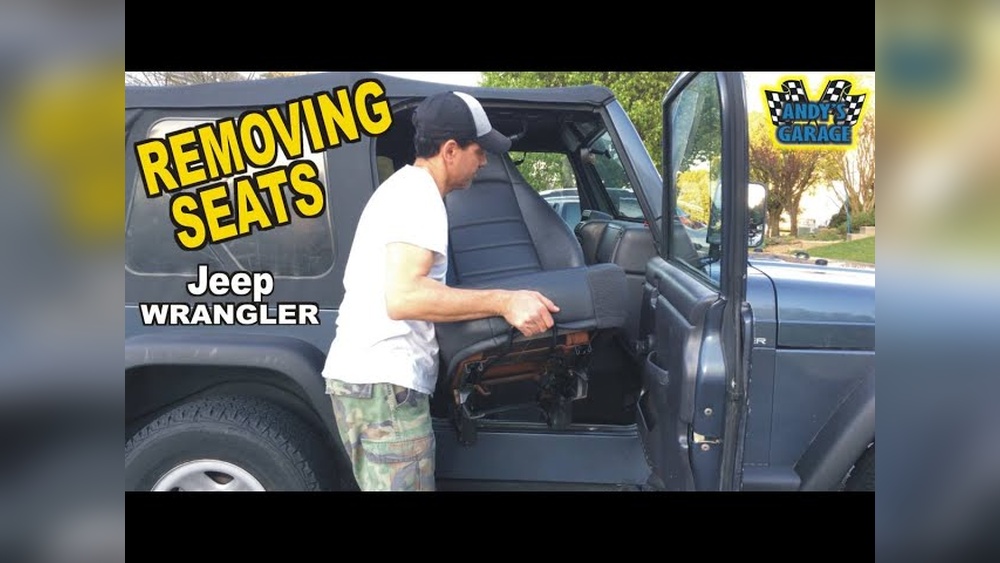
3. Remove Bolts
Most Jeep seats use Torx or hex bolts. You’ll usually find 4 bolts—two in front, two in back.
- Use the socket wrench and Torx bit to unscrew each bolt.
- Keep bolts in a small container to avoid losing them.
| Seat Position | Number of Bolts | Tools Required |
|---|---|---|
| Front Seats | 4 | Socket, Torx bit |
| Rear Bench | 6-8 | Socket, Torx bit |
4. Disconnect Electrical Connectors
Seats may have wiring for airbags, seat heaters, or sensors. Carefully unplug these connectors.
- Gently press the release tab.
- Pull connectors straight out—never yank.
Non-obvious tip: Some connectors have a hidden locking tab. Use a small screwdriver to release it.
5. Lift Out The Seat
With bolts and wires removed, lift the seat out. Seats can be heavy use proper lifting technique to avoid injury.
- Tilt the seat to clear the door frame.
- If working alone, remove headrests for easier handling.
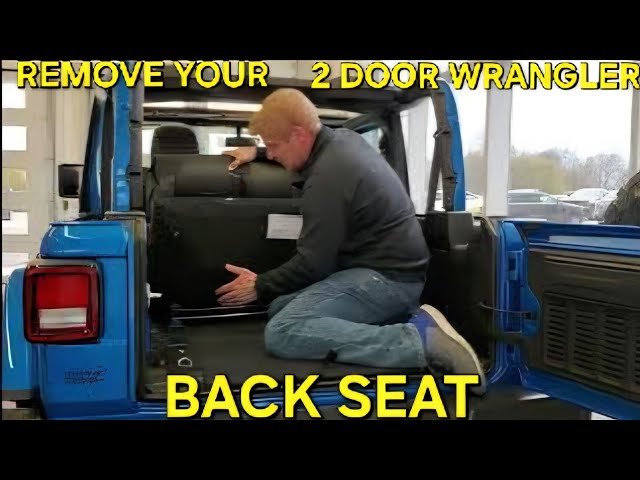
6. Rear Seats (if Applicable)
Rear seats often have more bolts or extra brackets. Check under the seat for hidden fasteners.
- Remove bolts as before.
- Some rear seats fold up—release latches first.
| Jeep Model | Rear Seat Removal Difficulty | Estimated Time |
|---|---|---|
| Wrangler JK | Easy | 20 minutes |
| Grand Cherokee | Moderate | 40 minutes |
| Compass | Hard | 50 minutes |
Common Mistakes And How To Avoid Them
- Forgetting to disconnect the battery: This can trigger airbag errors or even cause an airbag to deploy.
- Stripping bolts: Use the correct Torx size and apply steady pressure.
- Damaging connectors: Take your time—many connectors are fragile.
- Losing bolts: Use a container for all hardware.
Non-obvious insight: Some seats have sensors that need to be reset after reinstallation. If your airbag light stays on, a dealer scan may be required.
Practical Tips For Smooth Removal
- Mark each connector with tape to make reinstallation easier.
- Vacuum under the seat once removed—hidden dirt is common.
- If your Jeep is older, spray bolts with WD-40 before removal.
- Plan for extra time if you’ve never done this before.
| Task | Estimated Time | Difficulty |
|---|---|---|
| Front Seat Removal | 30 min | Beginner |
| Rear Seat Removal | 45 min | Intermediate |
| Reinstallation | 30 min | Beginner |
Reinstalling Jeep Seats
Putting seats back is mostly the reverse process:
- Align seat rails with bolt holes.
- Connect all wiring before bolting in.
- Tighten bolts to factory specs—check your manual.
- Reconnect the battery and test seat functions.
Non-obvious tip: Don’t overtighten bolts. Over-tightening can cause metal fatigue or make future removal difficult.
When To Call A Professional
If your Jeep has complex wiring, heated seats, or advanced airbags, consider professional help. Some newer models have seat sensors that require calibration.
If you’re unsure, a mechanic can finish the job safely.
For more technical details, check the official Jeep manuals or visit Jeep Owner’s Manuals.
Frequently Asked Questions
How Long Does It Take To Remove Jeep Seats?
For most models, removing the front seats takes about 30 minutes each. Rear seats may take longer, especially in SUVs. Beginners should plan for extra time.
Is It Safe To Remove Seats With Airbags?
Yes, but only if you disconnect the battery first and handle connectors carefully. If unsure, check your manual or talk to a professional.
Will Removing Seats Void My Warranty?
Usually, removing seats for cleaning or repairs does not void the warranty. But damage to seat sensors or airbags might. Always check your warranty terms.
What Should I Do If The Airbag Light Stays On After Reinstalling?
You may need a dealer scan to reset the airbag system. Sometimes, reconnecting the battery with all connectors in place will fix it.
Can I Drive My Jeep With Seats Removed?
Legally, you can drive with seats removed, but only if all seatbelts and safety systems work. It’s not recommended for passenger seats, especially if airbags or seat sensors are disconnected.
Removing Jeep seats is a useful skill for any owner. With the right tools, clear steps, and a bit of patience, you can transform your Jeep’s interior in under an hour.
Remember to handle connectors gently, keep track of hardware, and reconnect everything before hitting the road.
If you run into trouble, don’t hesitate to get professional help.