Finding Great Deals On Second-hand Mahindra Jeep Alloy Wheels
Mahindra Jeeps are known for their toughness and ability to go anywhere. Many owners want to make their vehicles look even better or perform differently.
One popular way to do this is by upgrading the wheels. Alloy wheels are lighter and often look more stylish than the standard steel wheels.
However, buying brand-new alloy wheels can be expensive. This is where second-hand Mahindra Jeep alloy wheels come in.
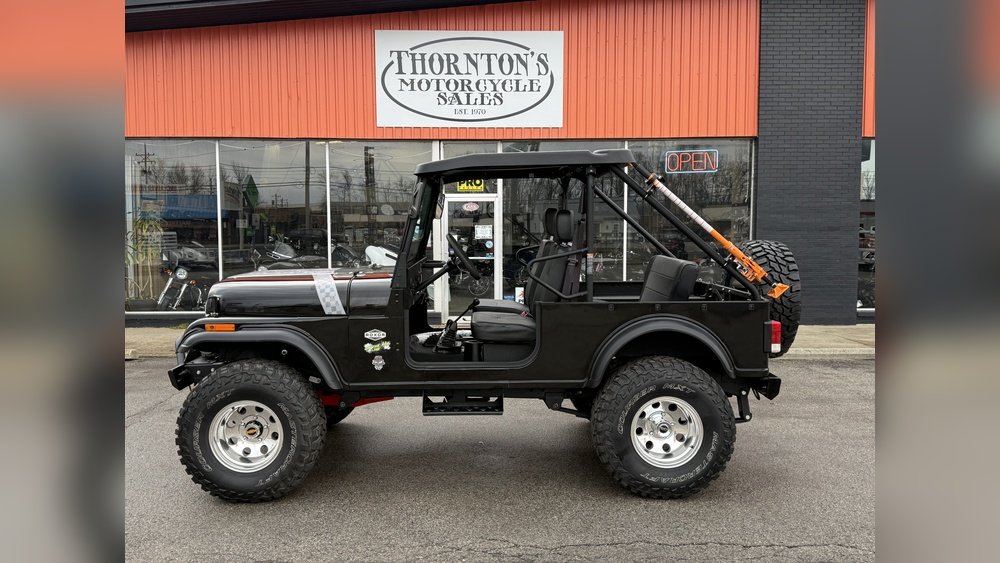
They offer a way to get a great look or improved performance at a much lower cost. But buying used parts needs careful thought.
You need to know what to look for and where to find them to avoid problems.
This guide will help you through the process of buying used alloy wheels for your Mahindra Jeep. We will cover where to find them, what to check before you buy, and how to make sure you are getting good value for your money.
Whether you own a classic CJ, a robust Thar, a family-friendly XUV500, or any other Mahindra model, finding the right used alloy wheels can make a big difference.
Why Choose Second-hand Alloy Wheels?
There are several good reasons why many Jeep owners consider buying used alloy wheels instead of new ones.
Cost Savings
This is usually the biggest reason. New alloy wheels, especially those from reputable brands or with unique designs, can be very pricey. The price can sometimes be more than the cost of a used set of tires. Buying second-hand wheels can save you a significant amount of money, sometimes 50% or even more compared to buying new. This saved money can then be used for other upgrades, like better tires, suspension, or accessories for your Jeep.
Access To Discontinued Or Rare Designs
Sometimes, manufacturers stop making certain wheel designs. Or, a special edition Jeep might come with wheels that are no longer easily available. If you are looking for a specific look to match an older model or a custom build, used markets are often the only place you can find these rare alloy wheels. This allows for a truly unique customization of your Mahindra Jeep.
Environmental Friendliness
Buying used items is a form of recycling. Instead of manufacturing new wheels, which uses energy and resources, you are giving a perfectly good set of wheels a new life. This is a more sustainable choice for the environment. For Jeep owners who value off-roading and nature, this can be an important consideration.
Trying Different Styles
Maybe you are not sure if a certain wheel style will look good on your Jeep. Buying new wheels and then deciding you don’t like them can be a costly mistake. Purchasing a used set allows you to try out a different look without a huge financial commitment. If you decide to change your mind later, you can usually sell the used wheels for a similar price, or a small loss, rather than taking a big hit on new ones.

Where To Find Second-hand Mahindra Jeep Alloy Wheels
Finding used parts requires looking in the right places. Here are some of the most common and effective sources for second-hand Mahindra Jeep alloy wheels:
Online Marketplaces
Websites like OLX, Quikr, and Facebook Marketplace are very popular for buying and selling used items in India, where Mahindra Jeeps are widely used. You can often find local sellers, which means you might be able to inspect the wheels in person before buying.
- Pros: Wide variety, often local sellers, competitive pricing.
- Cons: Quality can vary greatly, need to be cautious about scams, shipping can be an issue for heavy items.
Specialized Used Car Parts Websites And Forums
There are dedicated websites and online forums for car enthusiasts and parts resellers. These platforms often have sections for used parts.
Mahindra Jeep owner groups on social media can also be a great resource. Members often sell parts they have upgraded or removed from their own vehicles.
- Pros: Often have knowledgeable sellers, can find specific or rare parts, community trust can be higher.
- Cons: May have fewer listings than general marketplaces, can be harder to find.
Local Scrap Yards And Used Auto Parts Shops
Many cities have scrap yards or used auto parts dealers. These places often buy old vehicles and sell off usable parts. While they might not always have a wide selection of specific alloy wheel models, it’s worth checking, especially if you are looking for factory-fitted wheels from a particular Mahindra model.
- Pros: Can physically inspect parts, immediate availability, often the cheapest option.
- Cons: Inventory is unpredictable, condition can be poor, might require cleaning and refurbishing.
Tire Shops And Wheel Refurbishers
Some tire shops that also sell new wheels might have a section for trade-in or used wheels. Wheel refurbishing shops sometimes have sets of wheels that were replaced by customers during a repair or upgrade.
- Pros: Wheels are often checked or refurbished, shops may offer some guarantee.
- Cons: Selection might be limited, prices could be higher than other used sources.
What To Inspect Before Buying Used Alloy Wheels
Buying used wheels means you need to be a careful inspector. A seemingly good deal can turn into a costly problem if the wheels have hidden damage. Here’s a checklist of what to look for:
1. Structural Integrity: Cracks And Bends
This is the most critical check. Wheels can develop cracks or bends from hitting potholes or curbs, especially during off-roading.
- How to Check:
- Visual Inspection: Look closely at the entire wheel, especially around the spokes, the rim edge, and the bolt holes. Use a flashlight.
- Feel: Run your fingers along the edges and spokes. You might feel a small crack or a rough spot.
- Spin Test: If possible, have the seller spin the wheel. Look for any wobbling, which can indicate a bend. A bent wheel will not sit flat and can cause vibrations while driving.
- Professional Check: If you are unsure, take the wheels to a tire shop and ask them to inspect them on a balancing machine. This can quickly reveal bends or warps.
Pro Tip: Even a small crack can compromise the wheel’s strength and safety. It’s best to avoid any wheel with visible cracks, as they are often irreparable or unsafe.
2. Rim Condition: Curb Rash And Corrosion
Curb rash is damage to the outer edge of the wheel caused by scraping against curbs. Corrosion can happen, especially on older wheels or those used in salty environments.
- How to Check:
- Inspect Edges: Look for scrapes, gouges, or missing metal on the outer rim. Minor curb rash can often be repaired by sanding and painting, but deep damage might be a concern.
- Check for Pitting: Look for small pits or bubbling on the surface, which indicates corrosion under the paint or clear coat. This can spread and weaken the wheel over time.
- Paint and Finish: While cosmetic damage is less critical than structural issues, significant peeling paint or dullness might mean the wheel was not well-maintained.
3. Bolt Holes And Hub Bore
The holes where the bolts go and the center hole (hub bore) need to be in good condition.
- How to Check:
- Bolt Holes: Ensure the holes are not stripped or excessively widened. This can prevent the wheel from being mounted securely.
- Hub Bore: The center hole should be the correct size for your Mahindra Jeep. While hub rings can be used to adapt different sizes, it’s best if the bore matches your vehicle’s hub or is slightly larger (to use a ring). Check for any damage or corrosion in the hub bore area.
4. Wheel Weight And Balance
Wheels are balanced using small weights. The number and placement of these weights can tell you something.
- How to Check:
- Excessive Weights: If a wheel has a lot of wheel weights attached, it might mean the wheel is significantly out of round or has been repaired. While some weights are normal, an excessive amount could be a red flag.
- Balance Marks: Some wheels have a red dot indicating the lightest point. This should ideally align with the valve stem (the heaviest point). If it doesn’t, it suggests the wheel might be bent or uneven.
5. Tire Condition (if Included)
Often, used alloy wheels are sold with tires still mounted. Even if you plan to buy new tires, the condition of the existing ones can tell you about the wheels.
- How to Check:
- Tread Depth: Check for sufficient tread. If the tires are worn out, you will need to factor in the cost of new tires immediately.
- Uneven Wear: Look for signs of uneven tire wear (e.g., wear on one side only). This can indicate alignment problems or bent wheels that caused the tires to wear improperly.
- Sidewall Damage: Check the tire sidewalls for any cuts, bulges, or cracks.
6. Fitment For Your Mahindra Jeep Model
Not all alloy wheels fit all Jeep models. You need to ensure the wheels have the correct Bolt Pattern (PCD) and Offset.
- Bolt Pattern (PCD): This is the number of lug holes and the diameter of the circle on which they are spaced. For example, many Mahindra Jeeps use a 5×114.3mm PCD. Using the wrong PCD can prevent the wheel from fitting or cause serious safety issues.
- Offset: This refers to how the wheel is positioned in relation to the hub. Incorrect offset can cause the wheels to rub against suspension components or the fender, leading to damage and poor handling.
Pro Tip: Always confirm the exact PCD and offset specifications for your specific Mahindra Jeep model and year before searching for wheels. Mahindra uses different PCDs across its range. For instance, older models might differ from newer ones.
Understanding Wheel Specifications: Pcd, Offset, And Center Bore
Getting the right specifications for your Mahindra Jeep is crucial. Buying wheels that don’t fit correctly can lead to a range of problems, from minor annoyances like vibrations to major safety concerns.
Bolt Pattern (pcd)
PCD stands for Pitch Circle Diameter. It describes the bolt circle of the wheel. It’s expressed as a number of studs (or holes) followed by the diameter in millimeters. For example, 5×114.3mm means there are 5 lug holes spaced on a circle with a diameter of 114.3mm.
- Common Mahindra PCDs: While variations exist, common PCDs for Mahindra vehicles include 5×114.3mm, 5×139.7mm, and others depending on the model and year. Always verify for your specific Jeep.
- Why it Matters: If the PCD doesn’t match, the wheel simply won’t bolt onto your Jeep’s hub. Using adapters is possible but adds complexity and can sometimes weaken the connection.
Offset
Wheel offset is the distance from the mounting surface of the wheel (where it bolts to the hub) to the centerline of the wheel. It’s usually measured in millimeters (mm) and can be positive (+), negative (-), or zero.
- Positive Offset (+): The mounting surface is towards the outside of the wheel. This is common on front-wheel-drive vehicles and many SUVs.
- Negative Offset (-): The mounting surface is towards the inside of the wheel. This is often seen on older rear-wheel-drive vehicles and some trucks.
- Zero Offset (0): The mounting surface is exactly in the center of the wheel.
- Why it Matters:
- Clearance: The correct offset ensures the wheel and tire clear the suspension components (like brake calipers and control arms) on the inside and the fender on the outside.
- Handling: Offset affects the track width of the vehicle, which can influence steering feel, stability, and tire wear.
- Aesthetics: Offset plays a role in how flush the wheels sit with the fenders.
Pro Tip: When buying used wheels, look for wheels with the same offset as your original factory wheels. If you want to change the offset for a wider stance, do so cautiously and ensure there’s enough clearance. A difference of a few millimeters might be acceptable, but larger deviations can cause problems.
Center Bore
The center bore is the hole in the middle of the wheel that fits over the vehicle’s hub.
- Why it Matters:
- Centering: The center bore helps to center the wheel on the hub, reducing vibrations and ensuring a secure fit.
- Hub Rings: If a used wheel has a larger center bore than your Jeep’s hub, you can use hub-centric rings. These plastic or metal rings fill the gap, ensuring proper centering. However, it’s always best if the wheel’s center bore matches your hub or is only slightly larger.
Comparing Used Wheels: Factory Vs. Aftermarket
When looking at second-hand Mahindra Jeep alloy wheels, you’ll encounter two main types: factory (OEM) wheels and aftermarket wheels. Each has its pros and cons.
Factory (oem) Wheels
These are wheels originally designed and manufactured by Mahindra for their Jeeps.
- Pros:
- Guaranteed Fitment: They are made specifically for your Jeep model, so fitment (PCD, offset, center bore) is usually perfect.
- Build Quality: OEM wheels are generally built to high standards for durability and safety.
- Resale Value: They can maintain the vehicle’s original look and potentially its resale value.
- Reliability: Less likely to have hidden structural issues if well-maintained.
- Cons:
- Limited Designs: You are restricted to the designs Mahindra offered.
- Potentially Higher Cost: Even used, OEM wheels can sometimes be more expensive than comparable aftermarket options.
- Availability: Finding specific OEM wheels for older models can be challenging.
Aftermarket Wheels
These wheels are made by third-party manufacturers. They come in a vast array of designs, sizes, and finishes.
- Pros:
- Design Variety: Huge selection of styles, colors, and finishes to customize your Jeep’s look.
- Size Options: Available in different diameters and widths, allowing for larger tires or a more aggressive stance.
- Weight Savings: Many aftermarket alloys are lighter than OEM steel or alloy wheels, potentially improving performance and fuel efficiency.
- Potentially Lower Cost: Depending on the brand and design, used aftermarket wheels can be very affordable.
- Cons:
- Fitment Uncertainty: You *must* verify the PCD, offset, and center bore. Incorrect fitment is common if you’re not careful.
- Variable Quality: