The Jeep Patriot front passenger wheel bearing is a crucial component for your vehicle's smooth and safe operation. When this part starts to fail, it can lead to a variety of unsettling symptoms, from annoying noises to serious safety concerns.
Understanding how a wheel bearing works, recognizing the signs of a failing one, and knowing what to expect during replacement are key for any Jeep Patriot owner.
This guide will break down everything you need to know about the front passenger wheel bearing in your Jeep Patriot, ensuring you can keep your ride safe and enjoyable.
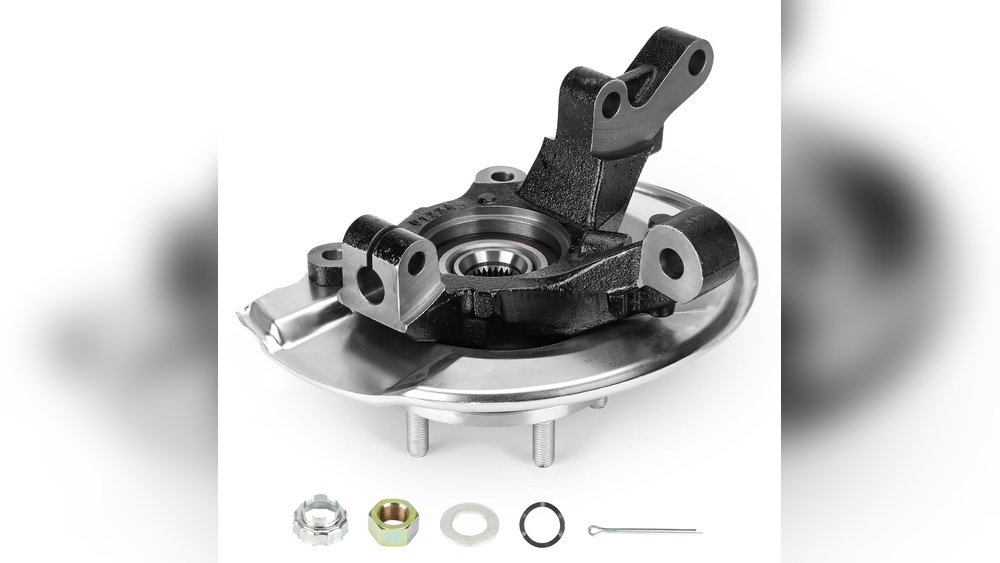
Understanding The Jeep Patriot Wheel Bearing
A wheel bearing is a simple yet vital part of your vehicle's wheel assembly. Its primary job is to reduce friction and allow the wheels to spin freely with minimal resistance.
Think of it as a set of tiny metal balls, or sometimes rollers, housed within a metal ring.
These balls roll between two other rings, enabling the wheel to rotate smoothly around the axle. Without functioning wheel bearings, your wheels wouldn’t turn, making driving impossible.
On your Jeep Patriot, the front wheel bearings are particularly important because they handle a significant amount of stress. They are responsible for supporting the weight of the front of the vehicle and also manage the forces generated during turning, braking, and acceleration.
The front passenger side wheel bearing, specifically, is constantly working as you drive, especially when turning left, as it bears more load in such situations.
The bearing is typically sealed and lubricated for life, meaning it’s designed to last the lifetime of the vehicle. However, like any mechanical part, it can wear out over time due to factors like road debris, water intrusion, impact from potholes, or simply accumulated mileage.
When this happens, the smooth rolling action is compromised, leading to increased friction, heat, and eventually, failure.
Symptoms Of A Failing Front Passenger Wheel Bearing
Recognizing the signs of a failing wheel bearing is essential for preventing further damage and ensuring your safety. These symptoms often start subtly but can become much more pronounced as the bearing deteriorates.
Common Signs To Watch For
- Humming or Grinding Noise: This is often the first and most noticeable symptom. As the bearing wears down, the metal balls or rollers inside can become damaged, creating a distinct humming, rumbling, or grinding sound. This noise usually changes with speed; it might get louder as you accelerate. A key indicator that it’s a wheel bearing issue is that the noise often changes or disappears when you turn. If the noise gets louder when turning left, it suggests the right-side (passenger side) bearing is likely the culprit, and vice versa. This is because turning loads the opposite wheel bearing.
- Wobbly or Loose Steering: A severely worn wheel bearing can create play or looseness in the wheel assembly. This can manifest as a feeling of instability in the steering wheel, making it feel less responsive or even wobbly. You might notice the steering wheel vibrating or pulling to one side, especially at higher speeds.
- Clicking or Popping Sounds: While humming and grinding are more common, some bearing failures can produce clicking or popping noises, particularly when turning or accelerating from a stop. This can sometimes be confused with CV joint issues, but a mechanic can usually differentiate.
- ABS Warning Light: Many modern vehicles, including the Jeep Patriot, have Anti-lock Braking System (ABS) sensors integrated with the wheel bearings or located near them. If the wheel bearing is damaged or loose, it can interfere with the ABS sensor’s ability to read the wheel’s speed accurately. This can trigger the ABS warning light on your dashboard, indicating a potential problem with the ABS system, which is often linked to the wheel bearing itself.
- Uneven Tire Wear: A damaged wheel bearing can cause the wheel to sit at a slightly incorrect angle, leading to abnormal and uneven wear patterns on your tire. If you notice your tires wearing out faster on one side or developing a cupping pattern, a wheel bearing problem could be the cause.
When To Pay Close Attention
It’s important to note that these symptoms can sometimes overlap with other vehicle issues, such as brake problems or tire damage. However, the changing noise with speed and turning is a strong indicator pointing towards a wheel bearing. If you experience any of these symptoms, it’s best to have your Jeep Patriot inspected by a qualified mechanic as soon as possible. Driving with a failing wheel bearing can be dangerous, as it could eventually lead to the wheel detaching from the vehicle.
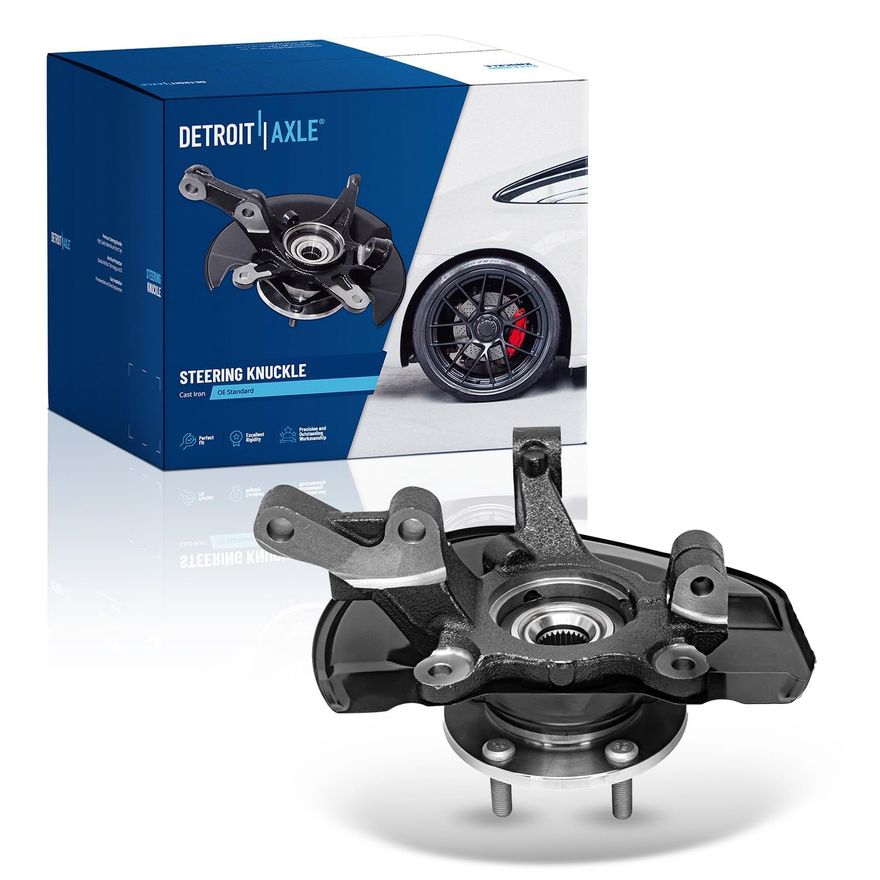
Diagnosing A Faulty Front Passenger Wheel Bearing
Diagnosing a wheel bearing issue requires a systematic approach to pinpoint the exact problem. While a mechanic has specialized tools and experience, you can perform some basic checks yourself to get a better idea of what might be wrong.
Self-checks You Can Do
- The Noise Test: As mentioned, listen carefully to the sounds your Jeep Patriot is making. Does the noise change when you accelerate, decelerate, or turn? Try driving at different speeds on a quiet road. If the noise is consistent and seems to come from the front passenger side, it’s a strong clue. Turning slightly right might make the noise louder if it’s the passenger side bearing because this puts more load on it. Conversely, turning slightly left might quiet it down.
- The Wiggle Test: With the vehicle safely parked and the parking brake engaged, try to rock the front passenger wheel. You can do this by placing your hands at the top and bottom of the tire and pushing and pulling. Then, try the same with your hands on the sides of the tire. Any noticeable play, looseness, or clicking when you move the wheel by hand could indicate a worn wheel bearing or other suspension issues. Warning: This test is most effective when there is significant play. A slightly worn bearing might not exhibit much movement.
Professional Diagnosis
A mechanic will typically perform a more thorough diagnosis:
- Road Test: They will drive your Jeep Patriot to listen for the characteristic noises and feel for any instability in the steering.
- Lift Inspection: The vehicle will be put on a lift so the mechanic can spin each wheel by hand. They will listen for grinding or humming noises and check for any play or looseness in the wheel assembly by trying to wiggle it.
- ABS Sensor Check: If the ABS light is on, they will use a diagnostic scanner to check for specific codes related to the ABS system, which can help confirm if a wheel speed sensor or the bearing itself is the issue.
- Visual Inspection: They will look for any signs of damage to the bearing assembly, seals, or surrounding components.
Jeep Patriot Front Wheel Bearing Replacement: What To Expect
Replacing a front wheel bearing on a Jeep Patriot is a moderately complex job that often requires specialized tools. While it can be done by a skilled DIYer, many owners prefer to have it done by a professional mechanic.
The Replacement Process
The general steps involved in replacing a front wheel bearing are as follows:
- Loosen Lug Nuts: Before lifting the vehicle, slightly loosen the lug nuts on the front passenger wheel.
- Lift and Support Vehicle: Safely lift the front of the Jeep Patriot using a jack and secure it with jack stands.
- Remove Wheel: Take off the lug nuts completely and remove the front passenger wheel.
- Remove Brake Components: The brake caliper and rotor will need to be removed to access the wheel bearing assembly. This usually involves removing a few bolts holding the caliper in place.
- Remove Axle Nut: There is a large axle nut that holds the wheel hub assembly to the suspension. This nut is typically very tight and may require a breaker bar and a strong impact wrench to loosen and remove.
- Remove Hub Assembly: Once the axle nut is off, the hub assembly (which includes the wheel bearing) can be separated from the steering knuckle. This might require some persuasion with a hammer or a specialized puller tool.
- Press Out Old Bearing (if separate): In some Jeep Patriot models, the wheel bearing is a separate component that needs to be pressed out of the hub carrier using a hydraulic press. In others, the bearing is integrated into the hub assembly, and the entire hub assembly is replaced.
- Press In New Bearing (if separate): If the bearing is separate, the new one is pressed into the hub carrier.
- Install New Hub Assembly/Bearing: The new hub assembly or bearing is then installed onto the steering knuckle.
- Reassemble: All components are reassembled in reverse order: axle nut (often torqued to very specific, high values), brake rotor, brake caliper, and finally, the wheel.
- Torque Lug Nuts: Tighten the lug nuts in a star pattern to the manufacturer’s specified torque.
- Lower Vehicle: Safely lower the Jeep Patriot.
- Final Torque: Re-torque the lug nuts and the axle nut to the correct specifications.
Tools You Might Need
- Jack and jack stands
- Lug wrench
- Socket set and ratchet
- Breaker bar and large socket for axle nut
- Torque wrench
- Hammer
- Pry bar
- Hydraulic press (if the bearing is not integrated into the hub assembly)
- Ball joint separator (sometimes needed)
- Wire brush for cleaning
- Penetrating oil (like WD-40)
Cost Of Replacement
The cost of replacing a front passenger wheel bearing on a Jeep Patriot can vary depending on your location, the specific parts used, and whether you do it yourself or take it to a mechanic.
- Parts Cost: A quality aftermarket wheel bearing or hub assembly typically ranges from $50 to $150. OEM (Original Equipment Manufacturer) parts will generally be more expensive, potentially costing $150 to $300 or more.
- Labor Cost: If you have a mechanic perform the job, labor costs can range from $150 to $300. This depends on the shop’s hourly rate and how long they estimate the job will take (typically 1.5 to 2.5 hours).
- Total Cost: Therefore, you can expect the total cost for a professional replacement to be anywhere from $200 to $600, depending on the factors mentioned above.
Pro Tip: Always opt for a quality brand for replacement parts. Cheap, unbranded bearings may fail prematurely, costing you more in the long run with repeated repairs.
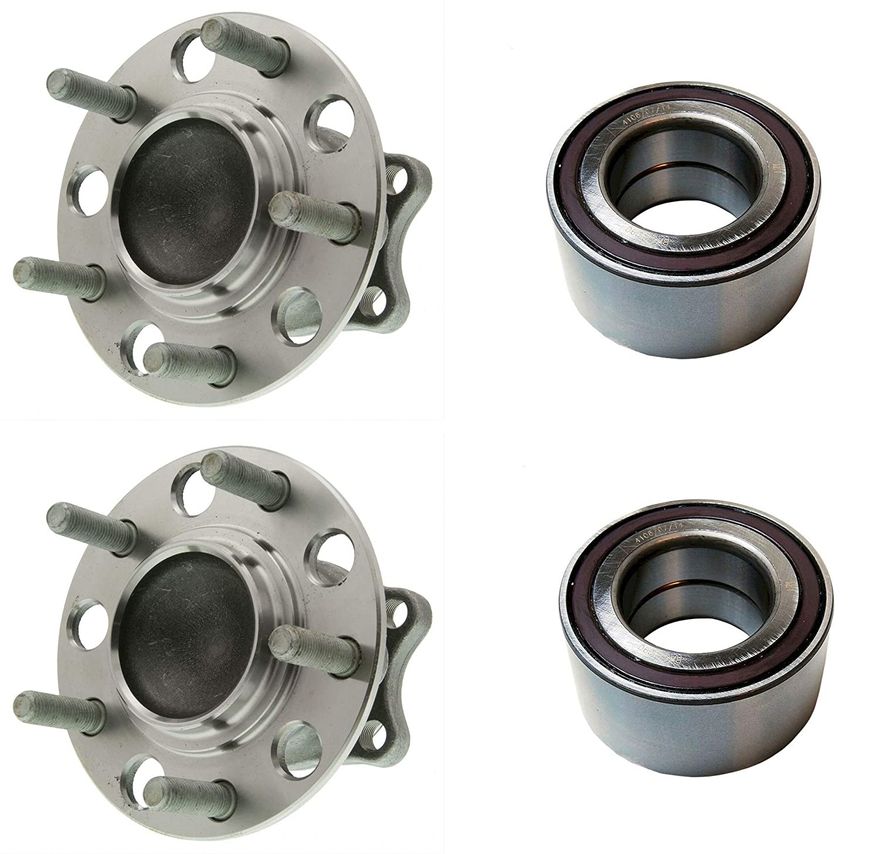
Factors Affecting Wheel Bearing Lifespan
Several factors can influence how long your Jeep Patriot’s wheel bearings last. Understanding these can help you take steps to prolong their life.
Driving Habits And Conditions
- Potholes and Bumps: Hitting potholes or driving aggressively over rough terrain puts significant stress on wheel bearings. Repeated impacts can damage the bearing seals or internal components.
- Road Salt and Water: Driving through deep puddles or in areas where roads are heavily salted in winter can lead to corrosion and water intrusion into the bearing. This contamination degrades the lubricant and can cause premature wear.
- Heavy Loads: Regularly carrying heavy loads or towing can increase the strain on the wheel bearings, especially the front ones if the load significantly shifts weight distribution.
- Aggressive Driving: Sharp turns at high speeds or frequent hard braking can also contribute to accelerated wear.
Maintenance And Care
- Tire Rotation: While not directly related to bearing wear, regular tire rotations ensure even wear across all tires. If a bearing is starting to cause uneven tire wear, catching it early during a tire rotation can prevent further damage.
- Brake Maintenance: When replacing brake pads or rotors, it’s a good time to inspect the wheel bearing and surrounding components. Sometimes, brake dust and debris can accumulate around the bearing area.
- Washing: Thoroughly washing your vehicle, especially after driving in dirty or wet conditions, can help remove corrosive elements and debris that might otherwise settle around the wheel bearings.
When To Replace Both Front Wheel Bearings
A common question is whether to replace just the faulty front passenger wheel bearing or both front bearings at the same time. While replacing only the bad one is possible, there are strong arguments for replacing them in pairs.
The Case For Replacing In Pairs
- Symmetrical Wear: The front passenger and front driver-side wheel bearings experience very similar stresses and operating conditions. If one bearing has failed due to age and mileage, it’s highly probable that the other bearing is also nearing the end of its service life.
- Preventative Maintenance: Replacing both bearings at once is a form of preventative maintenance. It saves you from potentially having to go through the same repair process again in a few months or a year if the other bearing fails.
- Cost-Effectiveness: While the upfront cost will be higher, replacing both bearings at the same time can be more cost-effective in the long run. You’ll only pay for labor once, and you’ll avoid the cost of a second repair. Labor is often the most significant part of the repair bill.
- Reduced Downtime: By addressing both potential issues simultaneously, you reduce the chances of your Jeep Patriot being out of commission again soon due to the other bearing failing.
When Replacing One Might Be Okay
- Recent Replacement: If the driver’s side bearing was replaced relatively recently, and the passenger side is now failing, it might make sense to only replace the one.
- Clear Signs of Failure: If the driver’s side bearing is confirmed to be in excellent condition with no signs of wear or noise, and the passenger side is clearly failing, you could opt to replace just the one. However, this requires a very thorough inspection of the remaining bearing.
In most scenarios, especially if your Jeep Patriot has a significant number of miles on it, replacing both front wheel bearings is the recommended approach for long-term reliability and safety.
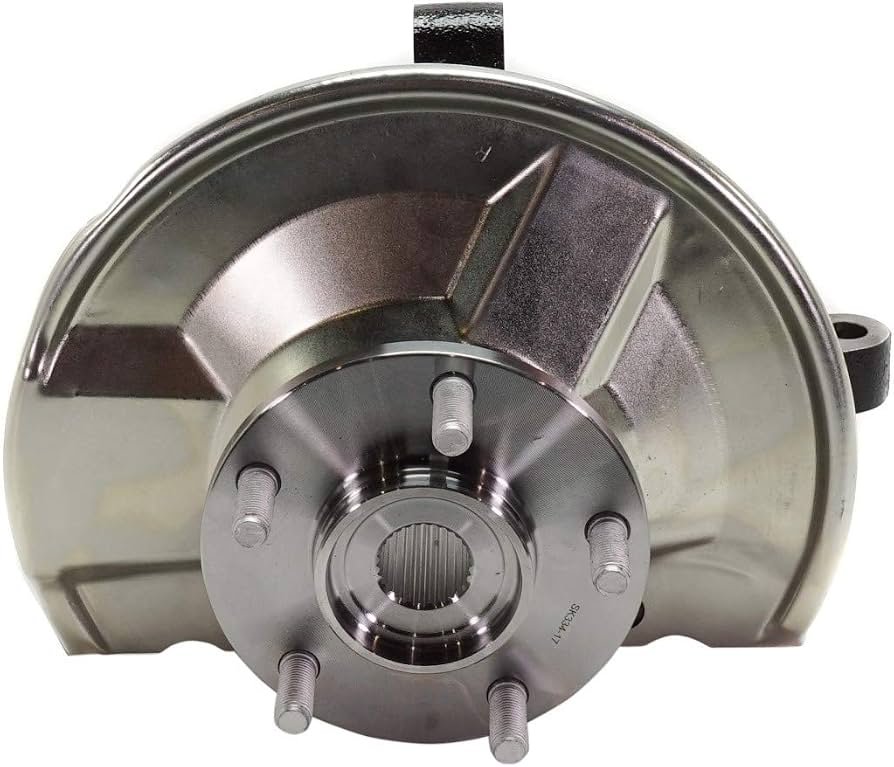
Jeep Patriot Wheel Bearing Specifications And Torque Values
Specific torque values and part numbers can vary slightly depending on the exact year and model of your Jeep Patriot. Always consult your vehicle’s service manual or a trusted online resource for the most accurate information for your specific vehicle. However, here are some general specifications and typical torque values that are often relevant:
| Component | Typical Torque Value (ft-lbs / Nm) | Notes |
|---|---|---|
| **Lug Nuts** | 100-120 ft-lbs (135-160 Nm) | Tighten in a star pattern. |
| **Front Axle Nut** | 150-200+ ft-lbs (200-270+ Nm) | This is a very high torque value. Often requires a specific procedure. |
| **Brake Caliper Bolts** | 20-30 ft-lbs (27-40 Nm) | Varies by bolt size and location. |