If you own a Jeep JL Wrangler, chances are you love to customize it. One of the easiest upgrades is adding grill inserts. These small pieces protect your radiator from rocks and debris, and they also change your Jeep’s look. But what if you want to remove them—maybe for cleaning, replacing with a new design, or restoring the original look? Removing Jeep JL grill inserts can seem tricky if you’ve never done it before, but with the right steps, it’s a simple DIY project. Here’s a clear, step-by-step guide to help you remove your grill inserts safely and efficiently, plus tips to avoid common mistakes.
Why Remove Grill Inserts?
Jeep JL owners remove grill inserts for different reasons:
- Replacing with a new style or color
- Cleaning after off-road adventures
- Checking for trapped debris or insects
- Preparing for radiator or fan maintenance
Most inserts are easy to remove, but some have clips, adhesives, or special fasteners. Understanding your specific insert type helps you avoid damage.
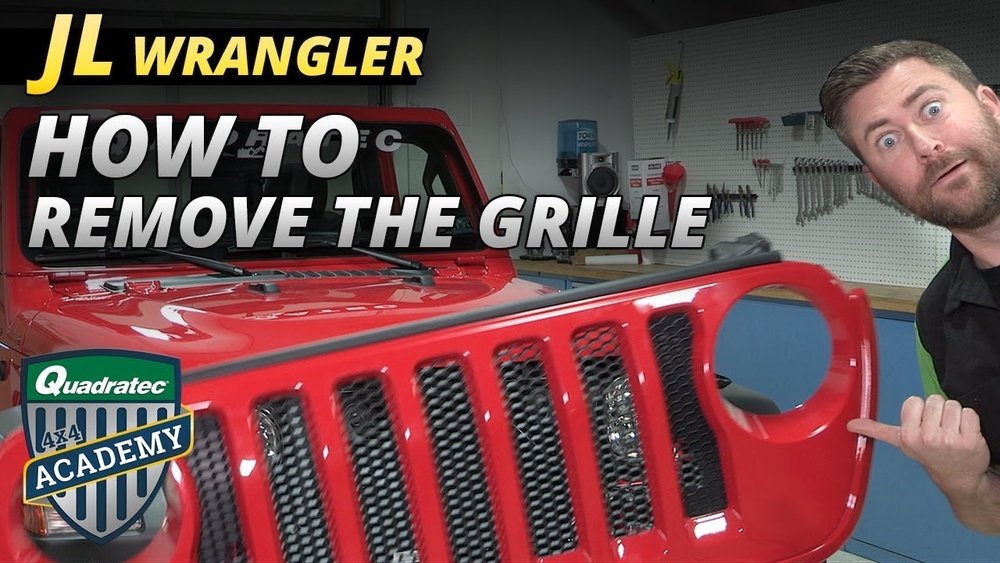
Tools And Materials You Need
Before starting, gather these basic tools. Having everything ready will make the job much smoother.
- Plastic trim removal tool – Prevents scratching your paint or damaging the grill.
- Flathead screwdriver (optional) – For stubborn clips, but use carefully.
- Gloves – Protect your hands from sharp edges.
- Microfiber cloth – To clean inserts or grill area after removal.
- Bucket or tray – To keep screws and clips safe.
Some inserts may require a Phillips screwdriver or a Torx bit if they have screws. Always check your insert type before starting.
Understanding Jeep Jl Grill Insert Types
Jeep JL grill inserts come in several styles. Knowing what you have helps you plan the best removal method. Here’s a quick comparison:
| Insert Type | Attachment Method | Removal Difficulty |
|---|---|---|
| Snap-in Plastic | Clips | Easy |
| Adhesive-backed | Tape/Glue | Medium |
| Screwed-in Metal | Screws | Medium-Hard |
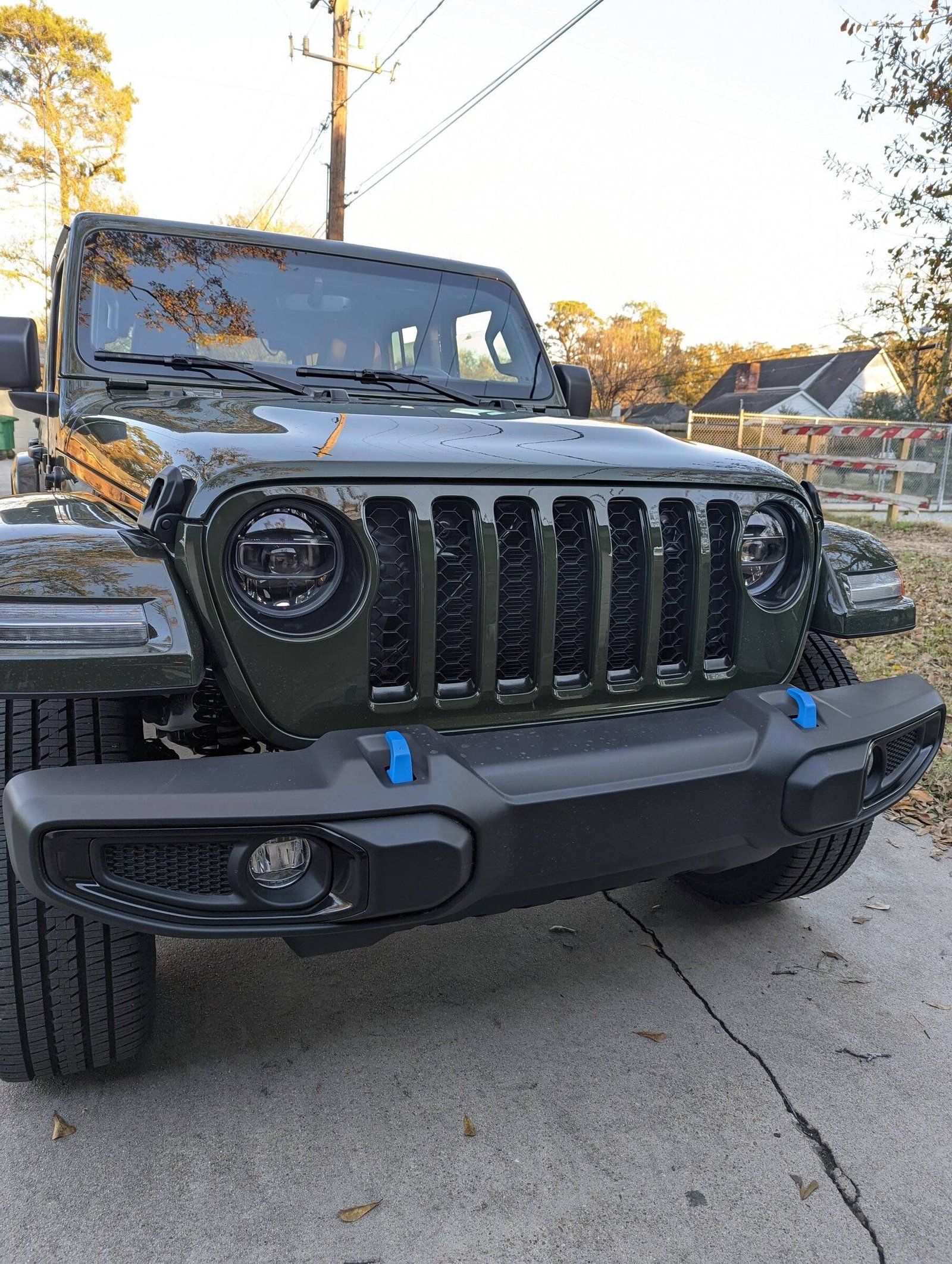
Most aftermarket inserts are snap-in or adhesive-backed. Factory inserts are usually built into the grill and not meant for regular removal.
Step-by-step Guide To Removing Jeep Jl Grill Inserts
1. Park And Prepare
- Park your Jeep on a flat surface and turn off the engine. Let it cool if you’ve been driving—it’s safer to work on a cool engine bay.
- Open the hood. Use the prop rod to secure it if your Jeep doesn’t have hood struts.
- Put on your gloves and have all tools within reach.
2. Inspect Your Grill Inserts
- Check how your inserts are attached. Look for visible clips, screws, or signs of double-sided tape.
- Gently tap around each insert. Snap-in types will move a little when pressed.
3. Removing Snap-in Plastic Inserts
Most popular aftermarket options use plastic clips. Here’s how to remove them:
- Insert the trim removal tool between the grill and the insert. Start at a corner or edge.
- Gently pry outward. You should feel the clips pop loose. Work around the insert, releasing each clip.
- Pull the insert out once all clips are free. Go slow to avoid breaking any tabs.
Pro Tip: If a clip feels stuck, try wiggling the tool in different spots. Forcing it can break the insert or scratch your paint.
4. Removing Adhesive-backed Inserts
Some inserts stick with strong tape or glue.
- Warm the area with a hair dryer for 1-2 minutes. This softens the adhesive (avoid heat guns, as they may damage plastic).
- Slide dental floss or fishing line behind the insert. Use a gentle sawing motion to cut through the adhesive.
- Pry off the insert once the tape is cut. If any remains, peel it away with your fingers.
Extra Step: Clean any sticky residue with adhesive remover or rubbing alcohol and a microfiber cloth.
5. Removing Screwed-in Metal Inserts
A few heavy-duty inserts use screws.
- Locate all screws (usually 2-4 per insert).
- Unscrew them using the correct screwdriver or Torx bit.
- Remove the insert carefully. Store screws in your tray for reinstallation.
Caution: Never overtighten screws during reinstallation; this can crack plastic parts.
6. Cleaning After Removal
This is a good time to clean the exposed area. Use a microfiber cloth to wipe away dust, bugs, or mud. For stubborn dirt, a little soapy water works well. Dry thoroughly before installing new inserts or reassembling your grill.
Common Mistakes To Avoid
Even a simple DIY like this has pitfalls. Here are mistakes Jeep JL owners often make:
- Using metal tools – Metal screwdrivers can scratch paint or break plastic clips. Always start with a plastic trim tool.
- Pulling too hard – Many inserts break when people yank them off. Work slowly, feeling for stuck clips or adhesive.
- Skipping inspection – Not all inserts are the same. Check yours before starting—you may need different tools.
- Ignoring residue – Leaving adhesive on your grill can attract dirt and make new inserts hard to install.
Practical Tips For A Smooth Removal
- Do the job in daylight or a well-lit garage. Good lighting helps you see all clips and tabs.
- If an insert is stuck, take a break and try again later. Sometimes, letting the area warm up slightly makes removal easier.
- Keep all hardware in a small container. Losing screws or clips can delay reassembly.
- Take a photo of your grill before removal. It helps you remember where each insert goes.
What To Do If An Insert Won’t Budge
Occasionally, you’ll find a stubborn insert. Here’s how to handle tough cases:
| Problem | Solution |
|---|---|
| Clip won’t release | Try a different angle or use two trim tools at once |
| Adhesive too strong | Heat the area longer, then retry with floss or fishing line |
| Screw stripped | Use a screw extractor or consult a shop |
Bonus Tip: If all else fails, check Jeep forums or YouTube for model-specific tricks. The Jeep community is full of creative solutions.
Reinstalling Or Replacing Inserts
After removal, you may want to install new inserts or put the old ones back. Here’s what to watch for:
- Clean the grill thoroughly before installing new inserts.
- Check all clips or screws for damage. Replace any broken parts.
- Test fit each insert before final installation.
- Apply new adhesive tape if the old one was damaged or lost its stickiness.
If you’re restoring the factory look, make sure to align each insert with the original tabs or slots. For custom inserts, follow the manufacturer’s instructions closely.
When To Seek Professional Help
Most Jeep JL grill insert removals are easy DIY jobs. However, if you’re:
- Dealing with factory-built (integrated) inserts
- Facing severe rust or corrosion
- Unsure about removing the whole front grill
It’s smart to ask a professional. A body shop or dealership has tools and experience to avoid costly damage.
Cost And Time Estimates
On average, removing Jeep JL grill inserts takes 15–30 minutes for snap-in or adhesive types. Screwed-in inserts may take up to an hour if rusted or stripped. Most jobs cost nothing if you have basic tools, but buying a trim removal kit ($10–$20) is a good idea if you plan more Jeep mods.
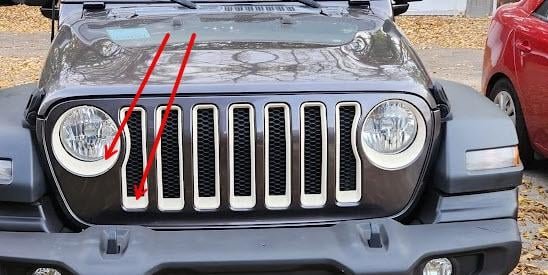
Maintenance After Removal
Keeping the grill area clean extends its life and keeps your engine cooler. After you remove the inserts:
- Inspect the radiator and condenser for debris.
- Use compressed air or a soft brush to clear dirt.
- Check for bent fins or minor damage. Straighten with a fin comb if needed.
- Clean the grill and inserts before reinstallation.
Doing this every few months, especially after muddy or dusty trips, prevents overheating and keeps your Jeep looking sharp.
Real-world Example
Sarah, a Jeep JL owner from Colorado, shared her experience: “I wanted to swap my black inserts for red ones. The first time, I used a metal screwdriver and cracked a tab. The next time, I bought a plastic trim tool, and everything came out clean in under 20 minutes. Now I swap colors for every season!”
This shows how the right tool and a patient approach make all the difference.
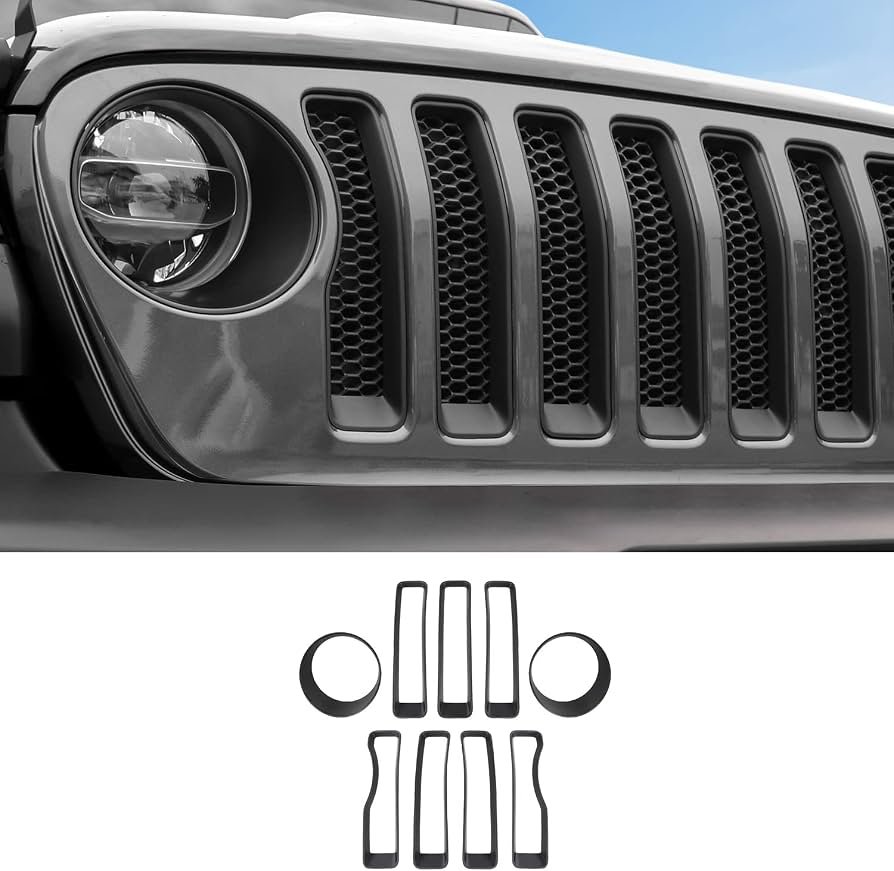
Comparing Grill Insert Materials
Some Jeep JL owners wonder if plastic or metal inserts are easier to remove or last longer. Here’s a quick look:
| Material | Durability | Ease of Removal | Common Issues |
|---|---|---|---|
| Plastic | Medium | Easy | Tab breakage |
| Metal | High | Medium | Rust, stripped screws |
| Composite | Medium-High | Easy-Medium | Adhesive issues |
Plastic is popular because it’s affordable and simple to swap. Metal lasts longer but requires more care during removal.
Frequently Asked Questions
How Do I Know If My Jeep Jl Grill Inserts Are Removable?
Most aftermarket grill inserts are designed to be removable. Snap-in and adhesive types are the easiest. Factory inserts are often integrated with the grill and may require removing the entire grill assembly. Check your insert’s attachment method before starting.
Can I Reuse Old Adhesive Grill Inserts?
Sometimes. If the adhesive is still sticky and the insert fits snugly, you can reuse it.
However, for the best hold and to prevent rattling, it’s better to use fresh automotive-grade tape when reinstalling. Cleaning off old residue is important for a secure fit.
Will Removing Grill Inserts Void My Jeep’s Warranty?
Generally, removing aftermarket grill inserts does not affect your warranty. However, damage caused during removal (like breaking clips or scratching paint) may not be covered. If you’re unsure, check your owner’s manual or ask your dealer.
What’s The Best Way To Remove Stuck Adhesive From My Grill?
Use a hair dryer to soften the adhesive, then peel as much off as possible with your fingers or a plastic scraper. For residue, apply a small amount of rubbing alcohol or an automotive adhesive remover.
Always test on a small area first to avoid damage.
Where Can I Find More Information Or Visual Guides?
The Jeep JL user manual offers some details, but online Jeep forums and YouTube have many video tutorials. For reliable advice, visit the Wrangler Forum—a trusted resource for Jeep owners.
Removing Jeep JL grill inserts is a straightforward job if you follow the right steps. With basic tools, a bit of patience, and this guide, you’ll keep your Jeep looking sharp and ready for the next adventure.
Whether you’re upgrading, cleaning, or troubleshooting, taking your time and using the right technique will save you frustration and keep your grill in great shape.
Happy wrenching!