If you’ve lost your Jeep key or the ignition lock cylinder is damaged, you might need to remove it without a key. This task is tricky and requires care, but it can save time and money compared to hiring a locksmith.
Knowing the right steps helps avoid damaging your steering column or electrical parts. Here’s a detailed guide to safely remove your Jeep ignition lock cylinder without a key, with practical advice and real examples.
Understanding The Ignition Lock Cylinder
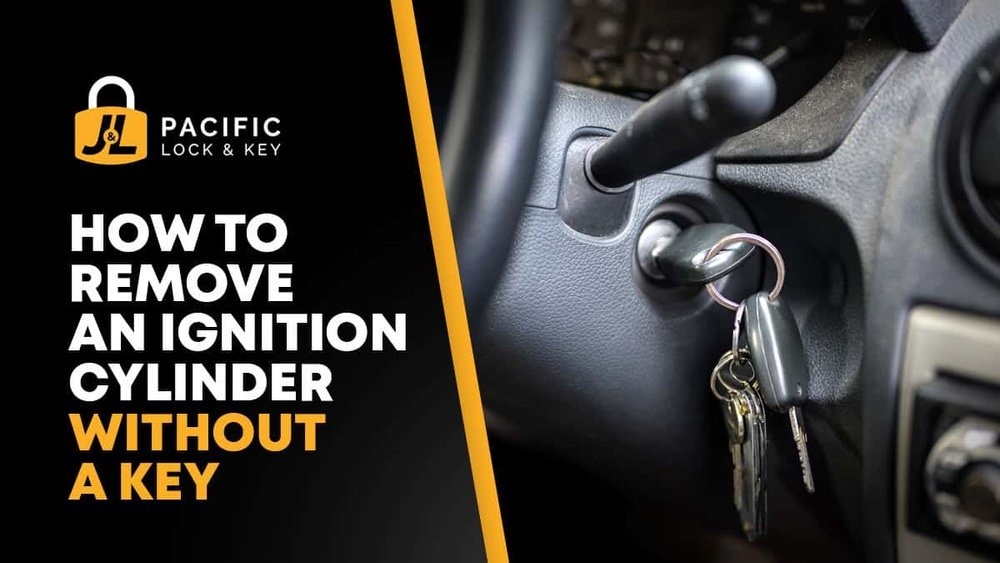
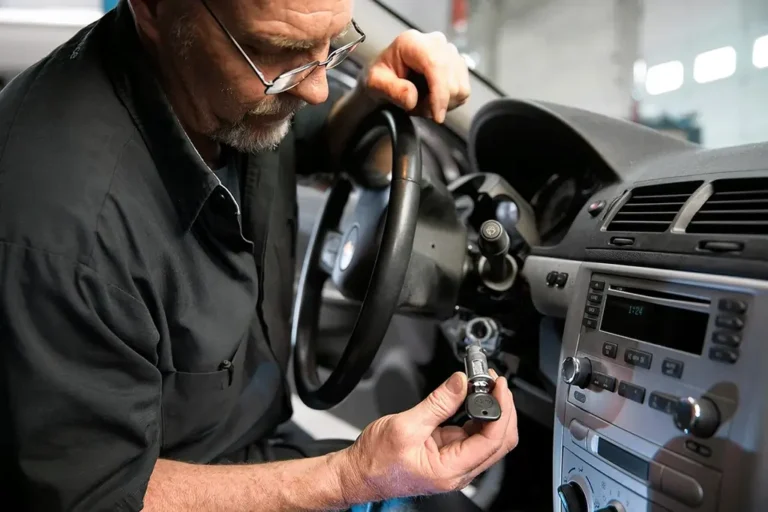
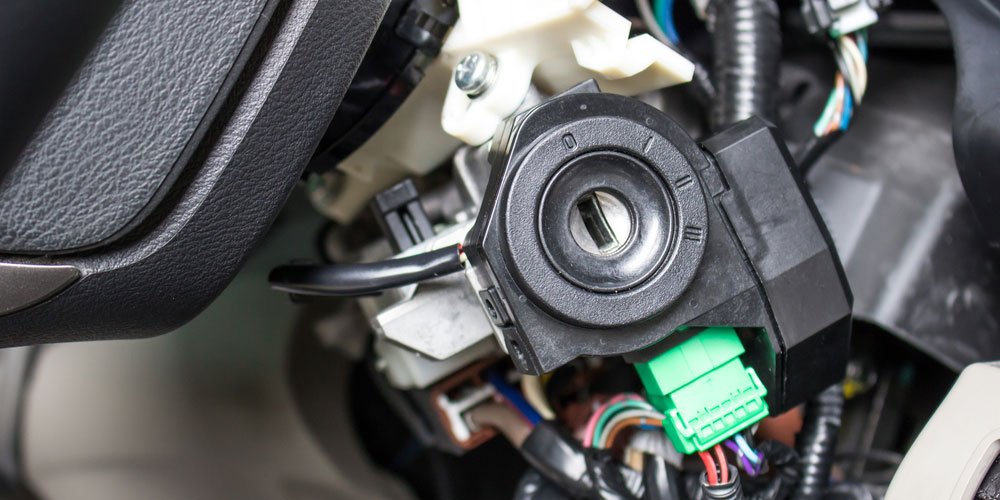
The ignition lock cylinder is the part where you insert the key to start your Jeep. It sits inside the steering column and connects to the ignition switch. When the cylinder fails or you lose your key, you won’t be able to start the vehicle.
Different Jeep models have slightly different lock cylinder designs. For example, a Jeep Wrangler may use a clip-retained cylinder, while a Grand Cherokee often uses a pin-retained design. Always check your Jeep’s year and model for exact details.
| Jeep Model | Cylinder Retention Type | Special Tools Needed |
|---|---|---|
| Wrangler (1997–2006) | Clip | Flat screwdriver, Torx driver |
| Grand Cherokee (2001–2010) | Pin | Drill, punch tool |
| Liberty (2002–2007) | Pin | Drill, Torx driver |
Tools And Safety Precautions
Before starting, gather these tools:
- Flat-head screwdriver
- Torx screwdriver set
- Small drill with metal bit (for pin-retained cylinders)
- Needle-nose pliers
- Safety goggles and gloves
- Clean rag
Safety tip: Disconnect the Jeep’s battery before working. This prevents electrical shorts or airbag activation.
Step-by-step Removal Process
Removing the ignition lock cylinder without a key is not simple. Here’s a clear, step-by-step method used by experienced mechanics.
1. Disconnect The Battery
Open the hood and remove the negative cable from the battery. This stops power to the steering column.
2. Access The Steering Column
Remove the screws holding the plastic covers around the steering column. Use the Torx screwdriver and set the covers aside.
3. Locate The Ignition Lock Cylinder
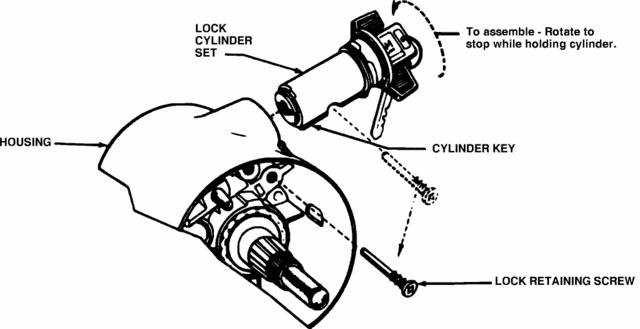
Find the cylinder housing. Look for the retaining clip or pin, depending on your Jeep model.
4. Remove The Cylinder (clip Type)
For clip-retained cylinders:
- Insert a flat-head screwdriver into the small slot under the cylinder.
- Push gently to release the clip.
- Pull the cylinder out with pliers.
- Remove the cylinder (pin type)
For pin-retained cylinders:
- Find the pin hole on the cylinder housing.
- Use a drill (about 1/8” bit) to carefully drill into the pin hole.
- Insert a punch tool to push the pin inside.
- Pull the cylinder out with pliers.
- Check for damage
Inspect the housing for metal shavings or broken parts. Clean with a rag before installing a new cylinder.
| Step | Estimated Time | Common Mistakes |
|---|---|---|
| Disconnect battery | 2 min | Not removing negative cable |
| Remove covers | 5 min | Breaking plastic tabs |
| Release cylinder | 10–15 min | Drilling too deep; damaging wires |
Practical Tips And Real-world Insights
Most beginners miss these important points:
- Drilling with care: Only drill deep enough to reach the pin, not through the entire housing. Going too far can destroy the ignition switch.
- Steering wheel lock: If the wheel is locked, gently wiggle it while pulling out the cylinder. This reduces stress on internal parts.
- Replacement parts: Always buy a new cylinder compatible with your Jeep model. Using the wrong part can cause electrical issues or steering lock problems.
If you’re unsure, check your Jeep’s service manual or visit a trusted auto parts store. Some stores can help match the correct cylinder using your VIN.
| Replacement Cylinder Cost | DIY Difficulty | Professional Cost |
|---|---|---|
| $30–$80 | Medium | $150–$300 |
Installing The New Cylinder
Once the old cylinder is out, installation is simple:
- Slide the new cylinder into the housing.
- Make sure the retaining clip or pin clicks into place.
- Reattach the steering column covers.
- Reconnect the battery.
Test the new cylinder with the key. If it turns smoothly and starts the Jeep, the job is complete.
If it sticks or won’t turn, check for misalignment or debris.
When To Call A Professional
Removing a Jeep ignition lock cylinder without a key is possible for most people with basic tools and patience. However, if you notice broken wires, severe damage, or the steering wheel won’t unlock, call a certified mechanic.
Jeep steering columns contain important safety systems, such as airbags.
Improper handling can cause expensive repairs or injury.
If you want to read more about how ignition systems work, visit Wikipedia for a detailed overview.
Frequently Asked Questions
Is It Legal To Remove My Jeep Ignition Lock Cylinder Without A Key?
Yes, if you own the Jeep. Tampering with a vehicle you do not own is illegal and can lead to criminal charges.
Always have proof of ownership if you buy parts or ask for help.
Can I Reuse My Old Ignition Lock Cylinder After Removal?
Usually no. Once removed without a key, the cylinder is often damaged.
It’s safer and more reliable to install a new cylinder.
What If My Steering Wheel Stays Locked After Cylinder Removal?
This means part of the lock mechanism is still engaged. Check for broken pins or debris, and make sure the new cylinder is installed correctly. If the issue continues, call a professional.
Will Removing The Cylinder Affect My Jeep’s Security System?
It depends on the model. Newer Jeeps have transponder chips in the key.
If you install a new cylinder without programming the key, the Jeep may not start. Ask your dealer or locksmith about key programming.
How Long Does The Whole Process Take?
For most people, removing and replacing the cylinder takes 30 60 minutes. If you’re new to DIY car repair, allow extra time and work slowly to avoid mistakes.
Removing your Jeep ignition lock cylinder without a key can be done carefully with the right tools and attention to detail. Follow each step closely, use proper safety gear, and don’t hesitate to call a professional if you run into trouble.
With patience, you’ll have your Jeep back on the road and ready to go.