Removing a Jeep hardtop by yourself can feel intimidating. It’s heavy, awkward, and usually requires two people. But with the right tools, smart techniques, and a bit of patience, you can safely take off your Jeep hardtop alone. Many Jeep owners do it themselves every season, saving money and gaining flexibility. This guide breaks the process into clear steps, shares helpful tips, and points out mistakes you should avoid. Whether you drive a Wrangler, Gladiator, or another model, you’ll learn how to handle the job confidently.
Understanding Jeep Hardtop Basics
The Jeep hardtop is a durable roof made from fiberglass or composite material. Most Jeep hardtops weigh between 100 and 150 pounds, depending on the model and options. For example, the two-door Wrangler hardtop is lighter than the four-door Unlimited version.
| Jeep Model | Approx. Hardtop Weight (lbs) | Removal Difficulty |
|---|---|---|
| Wrangler 2-Door | 100 | Medium |
| Wrangler 4-Door | 140 | High |
| Gladiator | 145 | Medium |
Most hardtops are secured with torx bolts and electrical connectors for the rear defroster or wiper. You’ll need some basic tools and a safe space to work.
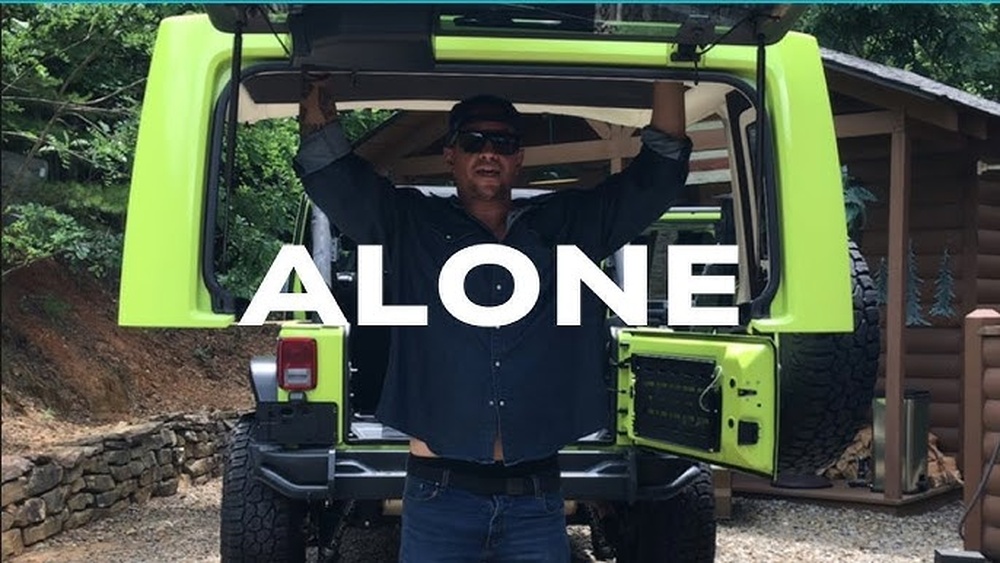
Essential Tools And Preparation
Before starting, gather these tools:
- Torx set (usually T40 or T50)
- Step ladder
- Soft moving blankets
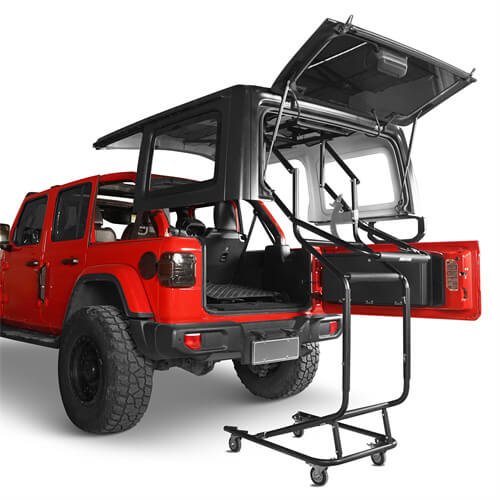
- Hardtop hoist (optional but helpful)
- Storage cart or foam pads
Check your Jeep’s manual for specific bolt sizes and connector locations. Remove any cargo or items inside the vehicle.
Park on a flat surface. Never rush this job takes 20 40 minutes for most people.
Step-by-step Removal Process
1. Remove Freedom Panels
Most Wranglers and Gladiators have front roof panels (called Freedom Panels):
- Flip the latches inside the cabin.
- Unscrew the bolts using your torx tool.
- Lift each panel out carefully and set them on a soft blanket.
2. Disconnect Electrical Components
If your hardtop has a rear wiper or defroster:
- Locate the wiring harness near the rear driver-side corner.
- Gently unplug the connector.
- Carefully separate the washer fluid hose if present.
3. Unscrew Hardtop Bolts
There are usually 6–8 torx bolts along the rear and sides:
- Use your torx set to remove each bolt.
- Place bolts in a safe container—never leave them loose.
4. Lift Hardtop Off
There are two main ways to lift the hardtop by yourself:
Manual Lift
- Stand at the rear, grab the edges firmly.
- Use a step ladder if you’re short.
- Rock the top gently to break the seal.
- Lift slowly, keeping your back straight.
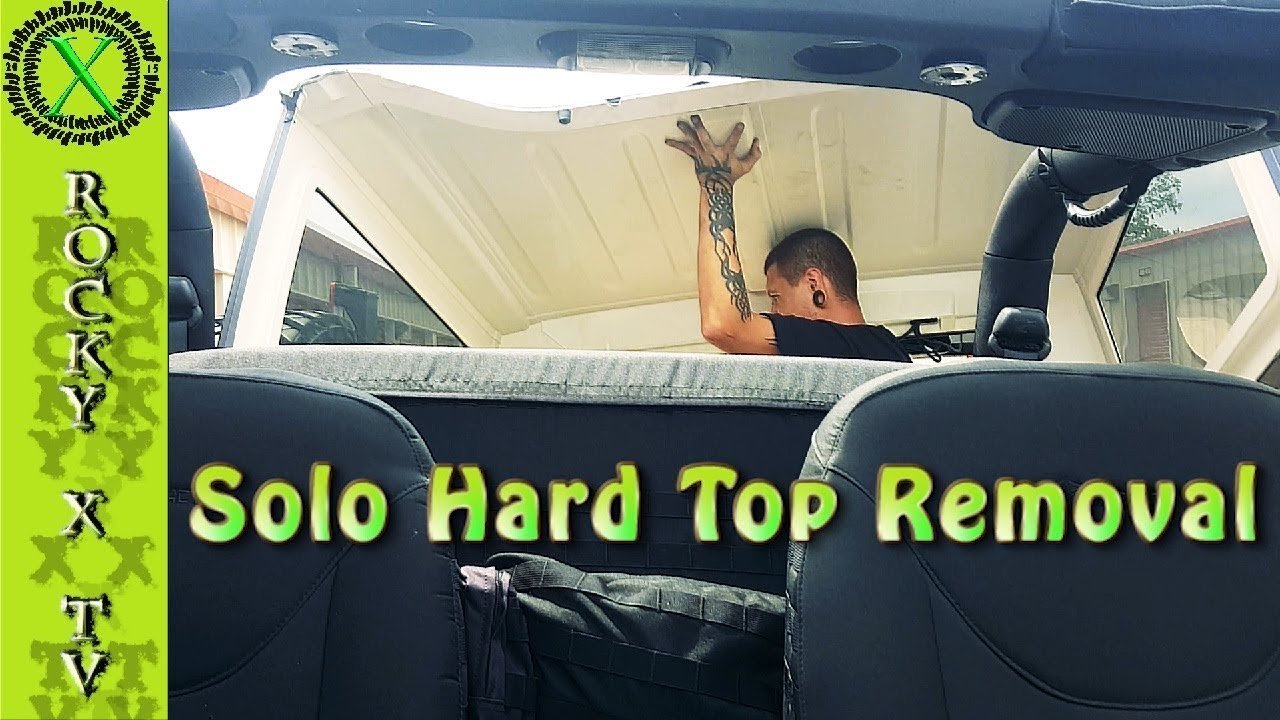
- Slide the hardtop backward and set it on a storage cart or blanket.
Hoist System
If you have a garage, a ceiling hoist saves effort:
- Attach straps to the hardtop’s mounting points.
- Use the hoist to lift the top evenly.
- Raise it above your Jeep, then drive away.
- Lower and secure the hardtop for storage.
| Removal Method | Effort Needed | Safety Risk |
|---|---|---|
| Manual Lift | High | Medium |
| Hoist System | Low | Low |
Practical Tips For Solo Removal
- Protect your paint: Use blankets on the Jeep body and ground.
- Check weather: Only remove your hardtop on dry days.
- Label bolts: Mark each bolt location for easy reinstall.
- Use gloves: They improve grip and prevent scratches.
- Go slow: Rushing increases the risk of damage.
Many beginners skip disconnecting the washer fluid hose, leading to leaks. Another common mistake is forgetting to unplug the rear wiper connector.
Storage And Maintenance
After removal, store your hardtop safely:
- Place it upright on foam pads or a cart.
- Avoid direct sunlight, which can fade paint.
- Cover it with a dust sheet.
Proper storage prevents scratches, warping, and fading. If you have a garage, installing a hardtop hoist doubles as safe storage.
Mistakes To Avoid
- Forgetting electrical connectors: Always unplug before lifting.
- Lifting alone without a hoist: If your hardtop is over 140 lbs, use a hoist or ask for help.
- Leaving bolts inside the Jeep: Store them in a labeled container.
- Dropping the hardtop: This can crack fiberglass or damage paint.
Experienced Jeep owners often recommend practicing the process with a partner first. But with careful planning, many manage solo.
Cost And Time Comparison
Removing your Jeep hardtop at a shop costs $50 $120 depending on location. Doing it yourself is free after buying tools.
Most people spend 30 45 minutes for the first removal, then get faster with practice.
| Removal Method | Cost (USD) | Time (minutes) |
|---|---|---|
| Professional Shop | 50–120 | 15–30 |
| Solo Removal | 0 (after tools) | 30–45 |
Real-world Example
A Jeep Wrangler owner in Texas reports that solo removal with a $150 hoist takes less than 20 minutes after setup. Another owner in Colorado uses just a cart and step ladder, finishing in 30 minutes.
Most say the hardest part is the first lift after that, storing and reinstalling is much easier.
If you want more detailed technical guidance, check the official Jeep website: Jeep Official.
Frequently Asked Questions
How Heavy Is A Jeep Hardtop?
Most Jeep hardtops weigh 100–150 pounds, depending on the model. Four-door versions are heavier and harder to lift alone.
Can I Remove The Hardtop Without A Hoist?
Yes, but it’s much harder. A hoist makes solo removal safer and easier.
Without a hoist, use a step ladder and move slowly.
What Tools Do I Need For Hardtop Removal?
You need a torx set, step ladder, moving blankets, and a storage cart. A hoist is optional but recommended for heavier tops.
Will Removing The Hardtop Damage My Jeep?
If you follow the steps carefully and protect the paint, removing the hardtop won’t damage your Jeep. Always unplug connectors and use soft blankets.
How Do I Store The Hardtop After Removal?
Store it upright on foam pads or a cart. Cover with a dust sheet and keep away from sunlight and moisture.
Removing your Jeep hardtop alone is possible for most owners. With the right preparation, tools, and careful steps, you can enjoy open-air driving without needing help.
Take your time, follow this guide, and keep your hardtop safe for next season.