Removing a Jeep hard top by yourself is a task many Jeep owners face, especially when the weather gets warm and you want that open-air feeling. While it can seem difficult at first, with the right tools and a clear plan, you can do it safely and efficiently without needing extra help. This guide will walk you through each step, share practical tips, and highlight some mistakes to avoid. Whether you own a Jeep Wrangler or another Jeep model, you’ll find useful advice here.
Preparing For Removal
Before you start, make sure you have everything you need. Preparation is key to avoid damage or injury.
Tools You’ll Need
- Torx bit set (usually T40 or T50)
- Ratchet or screwdriver
- Storage bags for bolts
- Blanket or foam pad (to protect the top)
- Step stool (if your Jeep is tall)
Most Jeep hard tops use Torx bolts, so check your owner’s manual for the correct size. A ratchet makes the job faster, but a screwdriver works too.
Safety Precautions
- Park on a flat surface.
- Engage the parking brake.
- Remove any items inside the Jeep that may get in the way.
- Wear gloves to avoid cuts or scratches.
Many beginners forget to secure the area. Make sure pets and kids are away while you work.
Step-by-step Hard Top Removal
Follow these steps to remove your Jeep hard top safely and efficiently.
1. Remove Interior Panels And Hardware
First, take off any interior panels or sun visors that block access to bolts. Some models have small trim pieces around the top; gently pull them off.
2. Disconnect Electrical Connections
If your Jeep hard top has wiring (like a rear wiper or defroster), disconnect these carefully. There’s usually a plug near the driver’s side rear. Press the tab and pull gently.
3. Unscrew Bolts
Use your Torx bit and ratchet to remove the bolts attaching the hard top to the body. Typical locations:
- Six bolts inside the cargo area
- Two bolts above each door (for four-door models)
Store bolts in a bag so you don’t lose them. Jeep bolts are easy to misplace!
4. Lift Off The Hard Top
With bolts and connections removed, you’re ready to lift. Stand at the rear of the Jeep, grip the edges, and lift straight up.
If your top is heavy, use a step stool for better leverage.
For solo removal, slide the top back a few inches before lifting to reduce the force needed. Place the top on a blanket or foam pad to avoid scratches.
5. Store The Hard Top Safely
Find a dry, flat spot to store the top. Never lean it against a wall or leave it exposed to sun or rain.
Cover it with a tarp if storing outside.
Comparison: Hard Top Vs Soft Top Removal
It’s helpful to see how hard top removal compares to soft top removal. Here’s a quick overview:
| Feature | Hard Top | Soft Top |
|---|---|---|
| Time Required | 20–40 minutes | 10–15 minutes |
| Tools Needed | Torx bits, ratchet | None or minimal |
| Weight | 50–100 lbs | 15–25 lbs |
| Storage Needs | Large, dry space | Can fold and store easily |
Hard tops are heavier and need more care when removing. Soft tops are simpler but don’t offer the same protection.
Common Mistakes And How To Avoid Them
Many Jeep owners make mistakes when removing their hard top. Here’s how to avoid trouble:
- Losing bolts: Use storage bags and label them.
- Forgetting to disconnect wires: Double-check all connections before lifting.
- Scratching the top: Use a blanket or foam pad for protection.
- Lifting too quickly: Move slowly and use your legs, not your back.
- Storing outside: Always protect the top from weather.
Practical Tips For Solo Removal
Removing a Jeep hard top alone is possible, but some tricks make it easier.
Use A Hoist System
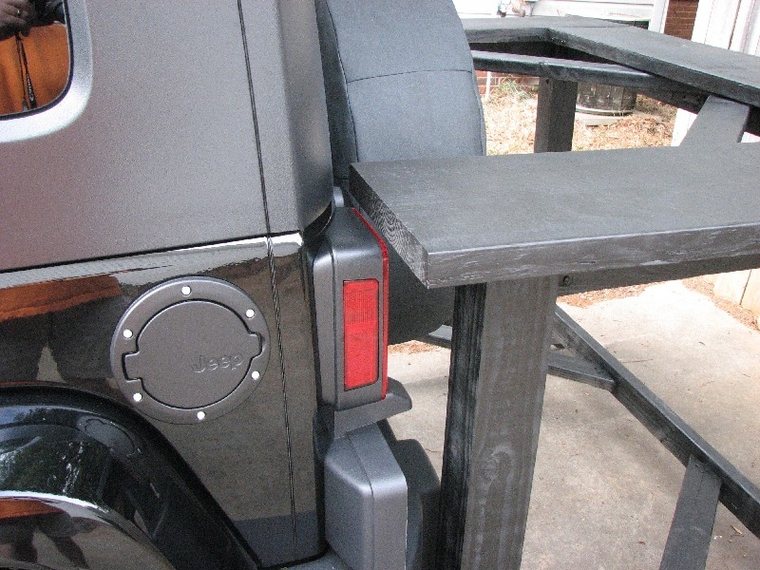
If you plan to remove your top often, consider a garage hoist. These systems attach to the ceiling and let you lift the top with a crank or pulley. It’s safer and easier for one person.
Roll Your Top On A Cart
Some owners use a rolling cart to move the top after removal. This prevents heavy lifting and makes storage easier.
Plan Your Storage
Choose a spot before you remove the top. If you wait until after, you’ll struggle to move it safely.
Data Table: Hard Top Removal By Jeep Model
Different Jeep models have slightly different removal steps. Here’s a quick comparison:
| Model | Bolt Count | Average Weight | Wiring |
|---|---|---|---|
| Wrangler JK (2-door) | 6 | 70 lbs | Yes |
| Wrangler JK (4-door) | 8 | 90 lbs | Yes |
| Gladiator | 8 | 95 lbs | Yes |
| Wrangler JL | 6–8 | 80 lbs | Yes |
Check your manual for exact numbers. Some models have extra bolts or wire connectors.
Non-obvious Insights
- The weight distribution of a Jeep hard top means it’s heavier in the rear. Always lift from the back first, then balance as you move.
- If you plan to keep your hard top off for weeks, store the bolts inside the Jeep so you don’t lose them. Many owners misplace bolts after months of open-air driving.
Strong Advice For Beginners
If you’re new to this, go slow and double-check each step. Don’t rush, and don’t skip safety.
Many accidents happen because people try to lift too fast or forget about the wiring.
For more detailed instructions and visuals, the official Jeep website offers helpful guides: Jeep Official Guide.

Frequently Asked Questions
How Heavy Is A Jeep Hard Top?
Most Jeep hard tops weigh 50–100 lbs, depending on the model. Four-door tops are heavier than two-door versions.
Can I Remove The Hard Top Alone?
Yes, but use the right tools and follow safety steps. A hoist system or rolling cart makes solo removal much easier.
Do I Need To Disconnect Any Wires?
If your top has a rear wiper or defroster, you must disconnect the wiring plug. Check near the driver’s side rear corner.
Where Should I Store My Hard Top?
Store your top in a dry, flat area. Avoid direct sun or rain. Use a blanket or tarp for extra protection.
Will Removing The Hard Top Void My Warranty?
No, Jeep designs their hard tops for removal. It won’t affect your warranty if you follow instructions and don’t damage the top.
Removing your Jeep hard top by yourself is a rewarding task. With careful steps and good planning, you’ll enjoy the open-air experience and protect your investment.
Take your time, stay safe, and soon you’ll be driving with the wind in your hair.


















