Removing a Jeep hard top is a task many owners face, whether it’s to enjoy open-air driving or to perform maintenance. While the process seems simple, doing it incorrectly can cause damage or injury.
This guide will walk you through every step, highlight common mistakes, and share practical tips to make the job easier. Whether you drive a Jeep Wrangler, Gladiator, or another model, you’ll find clear instructions and helpful advice here.
Why Remove Your Jeep Hard Top?
Jeep owners often remove the hard top to:
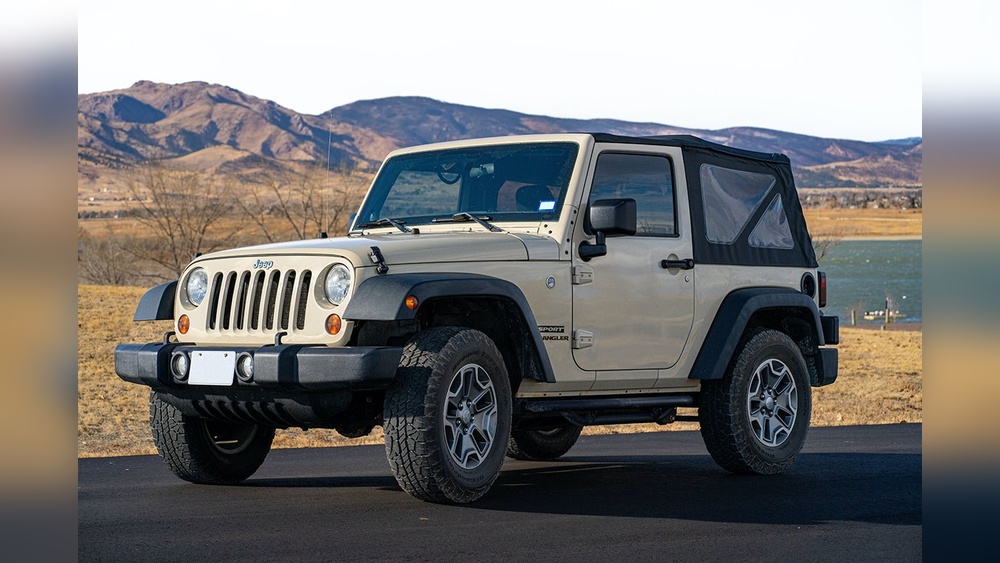
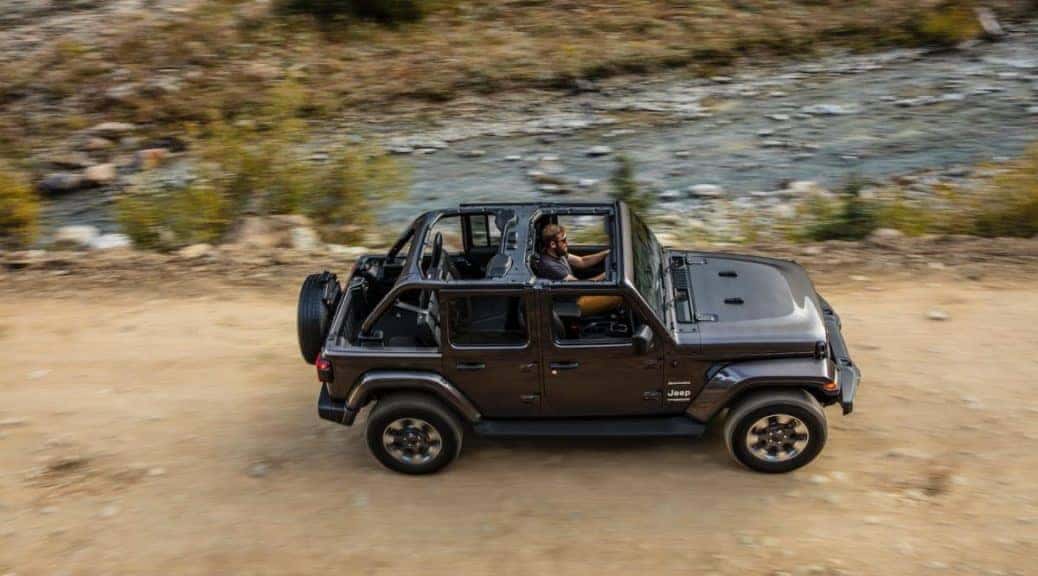
- Experience open-air driving in good weather
- Reduce vehicle weight slightly for better fuel efficiency
- Access the roll bars for mounting accessories
Some drivers also take off the hard top to clean hard-to-reach areas or to swap it for a soft top. According to Jeep forums, over 60% of owners remove their hard top at least once a year, especially in spring and summer.
Tools And Preparation
Having the right tools and a safe workspace is crucial. Here’s what you’ll need:
- Torx screwdriver set (usually T40 and T50)
- Hard top removal hoist or a second person to help
- Protective gloves
- Storage cart or blanket for placing the hard top
Check your owner’s manual for exact screw types. A hoist is recommended for heavier models; the hard top can weigh 80 120 lbs depending on the model.
Example: Torx Screw Sizes By Model
| Jeep Model | Torx Size | Hard Top Weight |
|---|---|---|
| Wrangler JK | T40 | 90 lbs |
| Wrangler JL | T50 | 105 lbs |
| Gladiator | T50 | 120 lbs |
Always use the correct Torx size to avoid stripping screws.
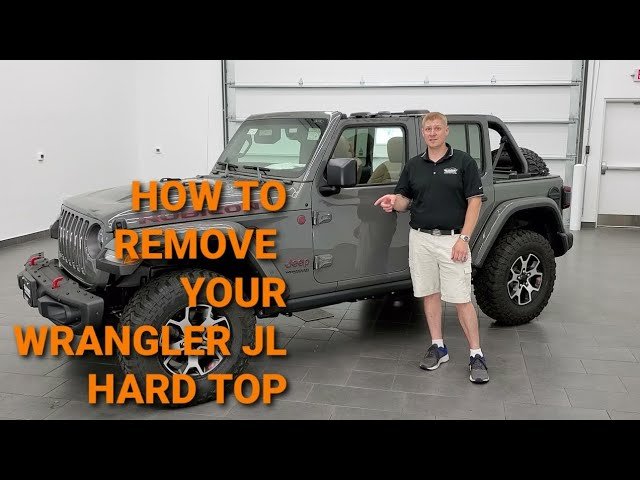
Step-by-step Removal Process
Follow these steps carefully for a safe removal:
- Remove roof panels: On models like the Wrangler, unscrew and lift out the front roof panels first.
- Disconnect electricals: If your hard top has a rear wiper or defroster, unplug the wiring harness and washer hose in the cargo area.
- Unscrew bolts: Locate and remove all Torx bolts securing the hard top to the body. Most models have 6–8 bolts.
- Lift the hard top: With a partner or a hoist, gently lift the hard top up and off the vehicle. Take care not to scratch the paint.
- Store safely: Place the hard top on a padded cart or blanket to prevent damage.
Common Mistakes And How To Avoid Them
- Forgetting to unplug electricals: This can cause costly wire damage.
- Using wrong tools: Stripped bolts make future removal difficult.
- Trying to lift alone: Most hard tops require two people or a hoist.
Practical Tips For Easy Removal
- Mark bolt locations with tape for quick reinstallation.
- Clean seals and hinges before reinstalling to prevent leaks.
- Use a hard top storage cart for easier movement.
Hard Top Storage Options
| Storage Method | Protection Level | Ease of Use |
|---|---|---|
| Padded cart | High | Easy |
| Blanket on floor | Medium | Moderate |
| Wall mount | High | Requires installation |
Choosing the right storage helps keep your hard top in good condition.
Reinstalling The Hard Top
When it’s time to put the hard top back on, reverse the removal steps:
- Position carefully: Align the hard top with the body.
- Reconnect electricals: Plug back the wiring and washer hose.
- Tighten bolts: Use the correct Torx screwdriver and tighten bolts evenly.
- Check seals: Inspect weather seals for cracks or dirt.
- Test: Run the rear wiper and defroster if equipped.
Comparing Hard Top Vs Soft Top
Some owners switch between hard and soft tops. Here’s how they compare:
| Feature | Hard Top | Soft Top |
|---|---|---|
| Weather protection | Excellent | Good |
| Noise level | Lower | Higher |
| Weight | Heavy | Light |
| Removal time | 30–60 min | 10–20 min |
Hard tops are better for winter and long trips, while soft tops are easier for quick changes.
Safety And Maintenance Insights
Many beginners overlook two key points:
- Check weather seals: Cracked seals lead to leaks after reinstalling.
- Store bolts safely: Losing them means buying replacements, and mismatched bolts can damage threads.
Never rush the removal process. Take your time to avoid damage to the top, paint, or wiring.
Expert Advice
If you’re unsure, watch a video or ask a Jeep dealer for guidance. Some dealerships offer removal services for a small fee. There’s also a detailed guide on the Jeep Official Site.
Frequently Asked Questions
How Long Does It Take To Remove A Jeep Hard Top?
For most models, the process takes 30–60 minutes. With practice, you can do it faster.
Do I Need Special Tools?
Yes, you need a Torx screwdriver set. Some models require T40, others T50. Always check your manual.
Is It Safe To Remove The Hard Top Alone?
No. The hard top is heavy and awkward.
Always get help or use a hoist to prevent injury.
Can I Drive With Only The Roof Panels Removed?
Yes. Many Jeep owners remove just the front panels for a partial open-air experience. The rest of the hard top stays in place.
Will Removing The Hard Top Void My Warranty?
No. Removing the hard top is allowed, but improper handling can cause damage not covered by warranty. Always follow proper steps.
Enjoying your Jeep without the hard top opens up a unique driving experience. With the right tools and careful steps, you can safely remove and reinstall your hard top without stress.
Taking care of your hard top during storage will keep it looking and functioning great for years.
If you’re new to the process, don’t hesitate to ask for help protecting your Jeep is worth the extra effort.


















