Removing the back seat of a Jeep Cherokee may seem like a big task, but with the right approach, it’s simple and can be done in under an hour.
Whether you need more cargo space, want to clean under the seat, or plan to upgrade your interior, this guide will walk you through each step.
Many Jeep owners are surprised at how much extra room they can gain or how much dirt hides beneath the seat. Let’s explore the best way to remove your Jeep Cherokee back seat safely and efficiently.
Understanding Your Jeep Cherokee Back Seat
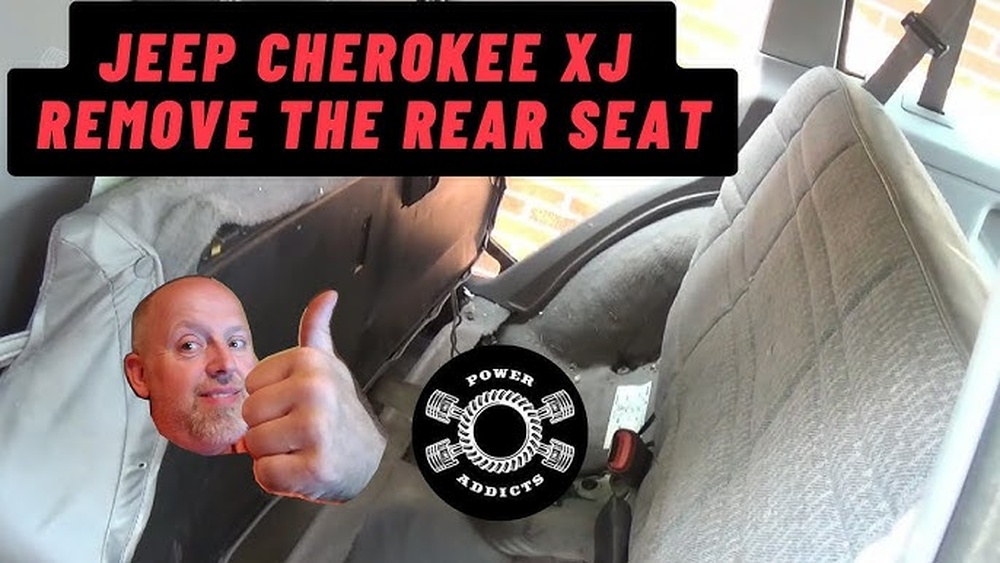
The Jeep Cherokee comes in several models and years. While the basic seat removal process is similar, there are some differences. Most models from 2014 onward (KL generation) use a split-folding rear seat. Older models (XJ, KJ, KK) may have bench-style or split seats with different attachment points.
Here is a quick comparison of seat features by model year:
| Model Year | Seat Type | Mounting System |
|---|---|---|
| 1997-2001 XJ | Bench | Bolt & Clip |
| 2002-2013 KK/KJ | Split-Fold | Bolt |
| 2014-Present KL | 60/40 Split-Fold | Bolt & Latch |
Knowing your model helps you locate the right fasteners and tools.
Tools And Preparation
Before starting, gather the following:
- Socket wrench (typically 15mm or 18mm sockets)
- Torx bit set (mainly for newer models)
- Flathead screwdriver
- Trim removal tool (optional but useful)
- A clean work area
For your safety:
- Park on a level surface.
- Engage the parking brake.
- Disconnect the battery if your seat has airbags or sensors.
Step-by-step Guide To Removing The Back Seat
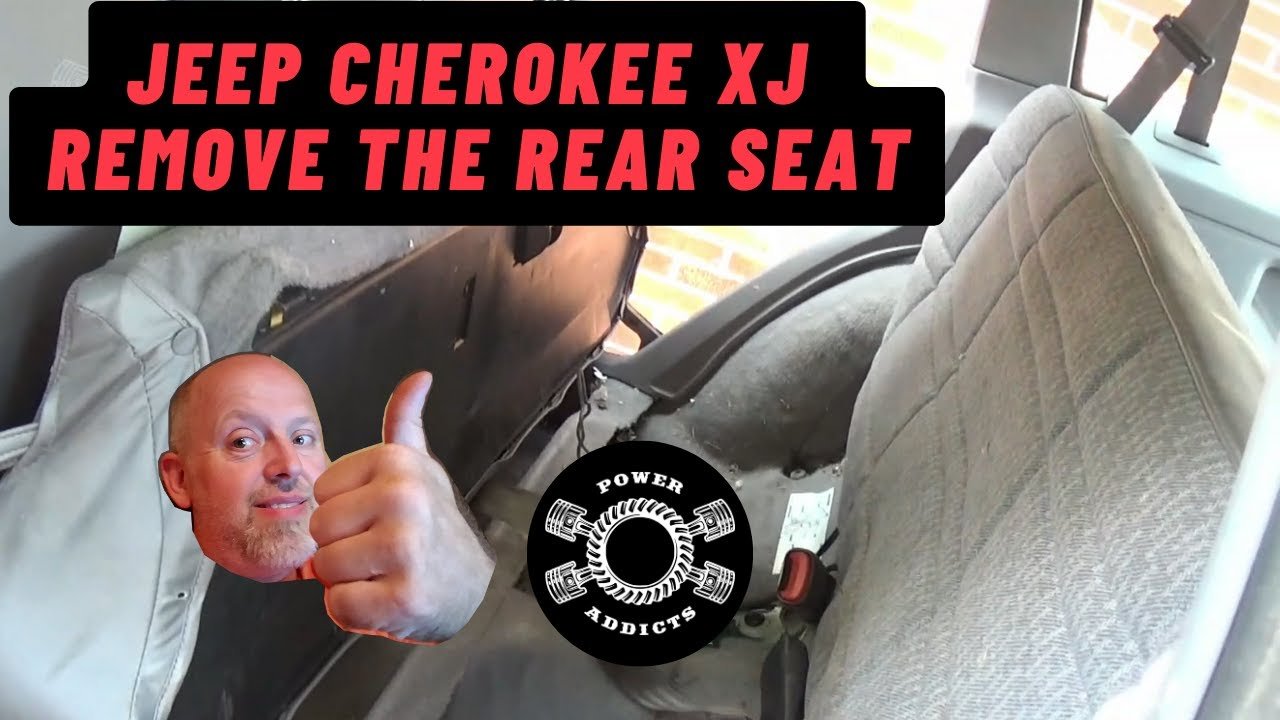
Follow these steps to remove the rear seat in most Jeep Cherokee models:
1. Fold Down The Seatbacks
Start by folding the seatbacks forward. In split-fold models, use the release lever or button near the headrest. This exposes the seat base and makes fasteners more accessible.
2. Remove The Seat Base
Check for visible bolts at the front edge of the seat base. In many models, there are two bolts securing the base to the floor.
- Use your socket wrench to remove these bolts.
- For clip-in seats, gently lift up the front edge and pull forward to release.
If you encounter resistance, check for hidden fasteners or consult your owner’s manual.
3. Detach The Seatbacks
With the base out, locate bolts at the bottom or sides of each seatback.
- Remove these bolts using your socket or Torx wrench.
- Most models have a hinge or pivot point; after unbolting, lift the seatback upward and away from the vehicle wall.
Some newer models have wiring harnesses for airbags or sensors. If present, gently unplug them before fully removing the seat.
4. Remove Additional Hardware
Inspect for any remaining brackets or clips attached to the floor. Remove these to free up space and avoid rattling noises later.
5. Lift Out The Seats
Carefully lift the seat pieces out. The seatbacks can be awkward, so having a second person helps prevent scratches or interior damage.
Common Challenges And How To Solve Them
Removing a back seat is not always trouble-free. Here are some typical issues and solutions:
| Challenge | Solution |
|---|---|
| Stuck bolts due to rust | Apply penetrating oil, wait 10 minutes, then try again |
| Hidden fasteners | Check under carpet flaps or consult manual |
| Wiring connections | Gently unplug; do not pull on wires |
A non-obvious tip: Some bolts may be covered by plastic trim. Use a trim removal tool to avoid damaging the covers.

Practical Tips For Smooth Removal
- Label your hardware. Place bolts, clips, and screws in labeled bags for easy reinstallation.
- Take photos of each stage. This helps you remember where everything fits.
- Protect your interior with a blanket or towels, especially when removing large seatbacks.
- Check under the seat for lost items. Many Jeep owners find coins, pens, or even small tools lodged under the seat base.
- If your Jeep has airbag sensors, wait 5–10 minutes after disconnecting the battery to allow systems to power down before unplugging connectors.
When Should You Remove The Back Seat?
There are a few practical reasons to take out the back seat:
- Creating more cargo space for camping, moving, or hauling large items
- Deep cleaning after spills or to remove pet hair
- Installing sound systems or custom storage solutions
- Reducing weight for off-road or racing needs
Some Jeep owners remove the seat seasonally, especially if they spend time outdoors and need to haul gear.

What To Do After Removal
With the seat out, you have new options:
- Vacuum and clean the area thoroughly.
- Check for signs of rust or moisture under the carpet.
- Install a cargo liner if you plan to leave the seat out for long periods.
If you want to reinstall the seat, simply reverse the removal steps.
Extra Insight: Safety And Legal Considerations
It’s important to know that removing rear seats may affect passenger safety and could be illegal if you regularly carry passengers in the back. Always check local regulations and consider insurance implications. For more on vehicle modifications and safety, refer to the National Highway Traffic Safety Administration.
Frequently Asked Questions
Can I Remove The Back Seat By Myself?
Yes, most people can remove the Jeep Cherokee back seat alone, but the seatbacks are heavy and awkward. Having help is recommended.
Will Removing The Seat Affect My Car’s Value?
If you keep all hardware and seats in good condition, you can reinstall them later, which should not impact resale value.
Are Special Tools Required?
Usually, only common hand tools like socket wrenches and screwdrivers are needed. Some newer models may require a Torx bit.
What If My Jeep Has Heated Rear Seats?
There will be wiring connections for the seat heaters. Unplug these gently before removing the seat, and reconnect them when reinstalling.
Is It Safe To Drive Without The Back Seat Installed?
Driving without the back seat is safe for cargo use, but never transport passengers in the back without proper seats and restraints.
Removing your Jeep Cherokee’s back seat can open up new possibilities for space and customization. With careful planning and the right tools, you can complete the job in under an hour and enjoy a cleaner, more functional vehicle interior.