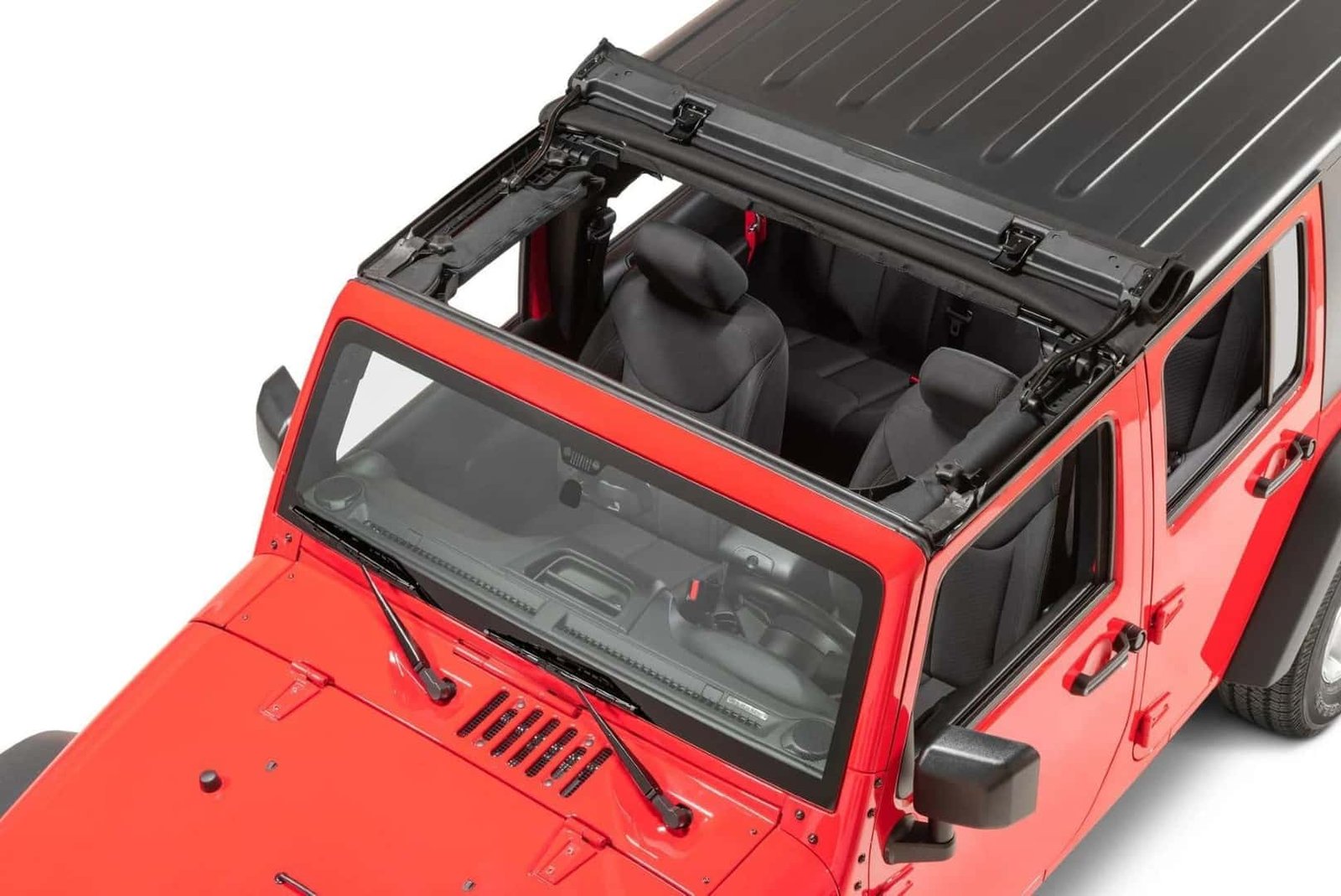
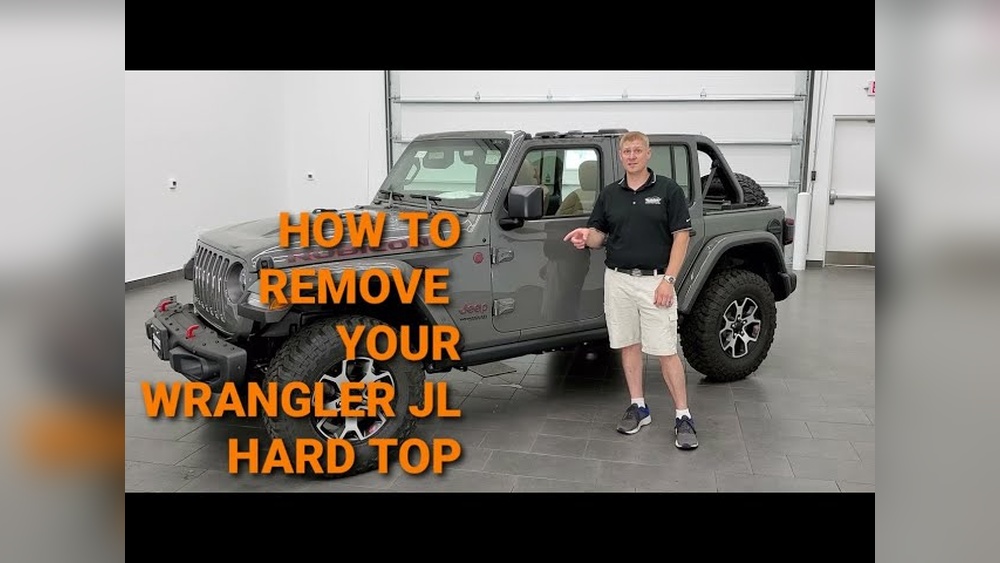
Removing the hardtop from a Jeep Wrangler is a popular task for owners who want to enjoy open-air driving. The process may look simple, but it requires careful steps to avoid damage and keep your Jeep safe.
Whether you drive a two-door or four-door Wrangler, knowing how to take off the hardtop safely helps you switch between styles, maintain your vehicle, and boost your driving experience. This article will guide you through the process, highlight common mistakes, and answer key questions, all within a concise format.
Tools And Preparation
Before you begin, gather the necessary tools and check your workspace. Here’s what you’ll need:
- Torx bit set (usually T40)
- Ratchet or screwdriver
- Hardtop hoist (optional for easier lifting)
- Storage space for the hardtop
- A friend (recommended for heavy lifting)
Make sure your Jeep is parked on a flat surface. If you plan to store your hardtop for weeks, prepare a clean, soft area to prevent scratches.
Many beginners overlook the importance of protecting the top, which can lead to expensive repairs.
Step-by-step Removal Guide
Follow these steps to remove the hardtop without hassle:
1. Remove Interior Panels And Hardware
Start inside the Jeep. Open the doors and locate the sun visors. Flip them down and unclip the freedom panel latches. There are six latches in most Wranglers. Carefully remove the front freedom panels and set them aside.
Next, find the Torx screws along the top edges and sides. There are usually eight screws for four-door models and six for two-door. Use the Torx bit and ratchet to unscrew them. Keep the screws in a small bag or container—losing them is a common mistake.
2. Disconnect The Electrical And Washer Lines
In the rear cargo area, you’ll see two connections: the electrical wiring for the rear defroster and the washer fluid hose. Press the release tab on the connector and gently pull it apart. Do the same for the washer hose. Some owners forget this step and damage the wiring, so double-check before lifting.
3. Lift And Remove The Hardtop
With all bolts removed and connectors unplugged, it’s time to lift. If you have a hoist, attach it to the hardtop and lift slowly. If not, ask a friend to help. Grab the hardtop from both sides, lift straight up, and walk back carefully. The hardtop weighs around 100 pounds (four-door) or 85 pounds (two-door), so don’t attempt this alone.
Set the hardtop down on a soft surface. Avoid placing it on concrete or gravel, as even small rocks can cause cracks.
4. Store The Hardtop Safely
Protect your hardtop by keeping it indoors, covered with a blanket or specialized cover. If you plan to reinstall soon, leave the bolts and connectors nearby.
Long-term storage should keep the top away from moisture and direct sunlight.
Data And Comparison Tables
Jeep Wrangler hardtops differ by model and year. Here’s a quick comparison for popular models:
| Model | Hardtop Weight | Number of Bolts | Freedom Panels |
|---|---|---|---|
| Wrangler JK 2-Door | 85 lbs | 6 | Yes |
| Wrangler JK 4-Door | 100 lbs | 8 | Yes |
| Wrangler JL 2-Door | 90 lbs | 6 | Yes |
| Wrangler JL 4-Door | 105 lbs | 8 | Yes |
Some owners use a hoist system for easy removal. Here’s a quick look at the pros and cons:
| Method | Advantages | Disadvantages |
|---|---|---|
| Manual Removal | Cheap, simple | Requires help, risk of dropping |
| Hoist System | Easy, safer for solo removal | Costs $100-$300 |
Practical Tips And Common Mistakes
Many beginners make mistakes that can lead to costly repairs or injuries. Here are some practical tips:
- Label your bolts: Use a small sticker or bag to keep them organized.
- Clean the hardtop before removal to prevent scratches.
- Never force the connectors. If they don’t release easily, check for hidden clips.
- Avoid storing the top upright; keep it flat to prevent warping.
A non-obvious insight: Some hardtops have hidden screws under the rear trim. Always check your manual or look for extra screws before lifting.
Another tip: If your Jeep is older, the connectors may be stiff. Use a bit of silicone spray for easier disconnection, but avoid spraying directly on the wiring.
Safety And Reinstallation
After removal, keep your Jeep protected from rain and dust. Install a soft top or use a cover if you plan to drive without the hardtop. When reinstalling, reverse the steps, making sure connectors and bolts are secured tightly. Loose bolts can cause rattling or leaks.
If you need more details on Jeep models or maintenance, visit the official Jeep Wrangler site.
Frequently Asked Questions
How Long Does It Take To Remove A Jeep Wrangler Hardtop?
For most people, it takes 30–45 minutes. If you use a hoist or have experience, you can finish in under 30 minutes.
Can One Person Remove The Hardtop Alone?
It’s possible with a hoist system, but not safe to do manually. The hardtop is heavy and awkward to lift.
Will Removing The Hardtop Affect My Jeep’s Warranty?
No, removal does not void the warranty. But damage caused during removal is not covered.
Are There Any Weather Risks After Removing The Hardtop?
Without the hardtop, your Jeep is exposed to rain, dust, and sun. Use a soft top or cover to protect the interior.
What’s The Best Way To Store The Hardtop?
Store it flat and covered in a dry place. Avoid stacking items on top or leaving it exposed to sunlight for long periods.
Removing your Jeep Wrangler’s hardtop opens up a new driving experience. With careful steps and the right tools, you can switch from enclosed to open-air in less than an hour.
Remember to protect the top, keep track of bolts and connectors, and ask for help if needed.
With these tips, you’ll enjoy your Jeep’s versatility without any hassle.