Every driver knows how distracting a foggy or hazy windshield can be. Over time, a film builds up on the inside of your windshield.
This layer makes it hard to see, especially when sunlight hits it. Removing this film is not just about looks—it's about safety.
Let’s explore why the film forms, how to clean it effectively, and what you should avoid to keep your view clear.
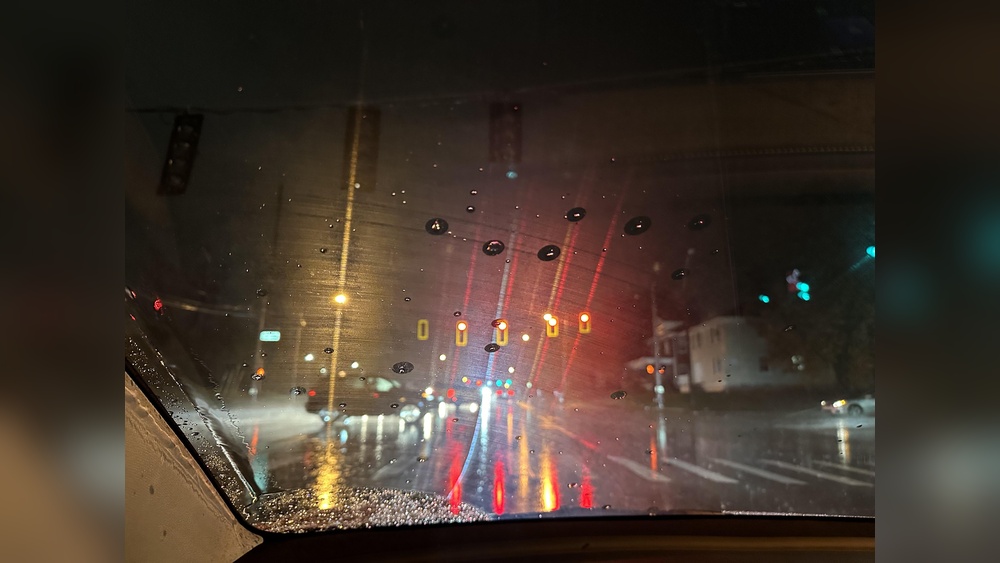
Why Does Film Build Up On Your Windshield?
The film on the inside of your windshield is a mix of dust, oils, and airborne particles. Some of the main causes include:
- Plastic off-gassing: Car interiors release gases, especially when new. These gases can settle on glass and slowly create a cloudy layer.
- Tobacco smoke: Leaves a sticky residue. If you smoke in your car, the smoke particles quickly attach to surfaces, and glass is no exception.
- Body oils: Touching glass transfers oils from your skin. Even a simple fingerprint can attract more dirt over time.
- Dust and pollen: These stick to the glass, especially in humid conditions. Pollen is particularly stubborn during springtime, and dust can build up faster if you drive with windows open.
According to the National Highway Traffic Safety Administration, poor visibility from dirty windshields contributes to thousands of accidents each year. A clean windshield is essential for safe driving. Even a thin film can scatter sunlight, creating glare and making it hard to spot hazards on the road.
Another point most people miss: car air conditioning and heating systems can also circulate particles, making film form faster. If you use scented air fresheners, these can leave invisible residue that adds to the problem.
What You Need To Clean The Windshield
Before you start, gather these supplies:
- Microfiber cloths: Soft and non-abrasive. They trap dirt without scratching the glass and are much better than regular fabrics.
- Glass cleaner: Preferably ammonia-free (ammonia can damage tint). Look for “auto glass” or “safe for tint” labels.
- Distilled water: Reduces streaks. Using distilled water instead of tap water stops mineral deposits that can leave spots.
- Isopropyl alcohol: For tough residue. Alcohol breaks down sticky film from smoke or oils.
- Spray bottle: Helps with even application. You can mix your cleaning solutions and spray them directly onto cloths.
The tools you use matter. Here’s a quick comparison:
| Cleaning Tool | Pros | Cons |
|---|---|---|
| Microfiber cloth | Gentle, reusable | Must be kept clean |
| Paper towel | Cheap, disposable | Can leave lint |
| Old T-shirt | Soft, accessible | May leave fibers |
For best results, use fresh microfiber cloths each time you clean. If you reuse a dirty cloth, it can leave streaks or even scratch the glass.

Step-by-step Guide To Removing Film
Cleaning your windshield the right way prevents streaks and damage. Follow these steps:
1. Prepare The Area
Park your car in the shade. Direct sunlight causes cleaners to dry too fast, leaving streaks.
Make sure your car’s interior is cool, and open doors if needed for airflow.
2. Remove Loose Dirt
Use a dry microfiber cloth to wipe off dust. This stops grit from scratching the glass.
Pay special attention to the lower corners and edges where dirt often collects.
3. Apply Glass Cleaner
Spray the cleaner on your cloth (not directly on the glass). This prevents drips on the dashboard and makes cleaning more controlled.
Use enough cleaner to lightly dampen the cloth.
4. Wipe In Circular Motions
Move your hand in circles across the glass. Cover the whole surface, paying extra attention to the corners.
Circular motions help lift stubborn film and avoid streaks. For large windshields, clean in sections to avoid missing spots.
5. Tackle Stubborn Film
Mix equal parts distilled water and isopropyl alcohol. Spray this on the cloth and scrub any sticky areas.
If the film is thick, you may need to repeat this step or let the solution sit for a minute before wiping.
6. Dry And Buff
Use a clean, dry cloth to buff the glass. This step gives you a streak-free finish.
Buffing in straight lines after circular cleaning can remove any final marks.
Here’s a comparison of common cleaning solutions:
| Solution | Effectiveness | Safety for Tint |
|---|---|---|
| Ammonia-based cleaner | High | Unsafe |
| Alcohol-water mix | Medium | Safe |
| Vinegar-water mix | Low | Safe |
If you have tinted windows, always double-check your cleaner. Ammonia-based products can weaken tint glue, leading to bubbling or peeling.
Common Mistakes To Avoid
Many people make errors that leave their windshield looking worse. Avoid these:
- Using dirty cloths: Old cloths transfer grime. Always use fresh, clean cloths to avoid spreading dirt.
- Spraying cleaner directly: Causes drips and streaks. Spray onto the cloth instead.
- Skipping the corners: Dirt collects here. These areas are often missed but can affect visibility.
- Using ammonia-based products: These can harm tinted windows. Always check labels.
An often-missed tip: Clean your windshield last. Dust from cleaning other parts of your car can settle on the glass. Also, never use rough sponges or brushes on the glass—they can scratch it.
Another mistake is rushing the drying step. If you don’t buff thoroughly, streaks will appear as soon as sunlight hits the glass.
Extra Tips For A Clear Windshield
- Repeat monthly: Regular cleaning stops film from building up. More frequent cleaning may be needed if you drive in cities or dusty areas.
- Switch microfiber cloths: Use one for cleaning, another for drying. This prevents leftover cleaner from causing streaks.
- Check ventilation: Good airflow reduces off-gassing from plastics. If you notice a new car smell, it’s often a sign that gases are being released.
- Don’t forget the wipers: Dirty wipers can add film to the inside if you touch them after cleaning. Clean wipers separately to avoid cross-contamination.
Most people overlook the importance of distilled water. Tap water can leave mineral spots, making the glass appear cloudy. Also, always check your cleaning products’ labels for ammonia, especially if your car has tinted windows.
One extra tip: after cleaning, open windows for a few minutes. This helps dry any leftover moisture and reduces future film buildup.
How Professional Detailers Clean Windshields
Detailers use a systematic approach. They start with a deep clean, often using steam or special solutions.
A final polish with a high-quality glass cleaner ensures no streaks. Some professionals use a clay bar for stubborn films, but this requires skill.
A clay bar can remove heavy contaminants that regular cleaning leaves behind. However, improper use can scratch the glass, so it’s best left to professionals.
Here’s a quick table showing the difference between DIY and professional methods:
| Method | Time Required | Results |
|---|---|---|
| DIY cleaning | 10–15 minutes | Good |
| Professional detailing | 20–40 minutes | Excellent |
For more tips on car care, you can check guides from Consumer Reports.

Frequently Asked Questions
How Often Should I Clean The Inside Of My Windshield?
It’s best to clean the inside once a month. If you smoke, drive in dusty areas, or park in the sun often, clean it more frequently. For example, after long road trips or if you notice haze returning quickly, clean sooner.
Can I Use Vinegar To Clean My Windshield?
Yes, a vinegar-water mix works for light film. However, it’s less effective for sticky residue or smoke buildup. Vinegar is gentle and safe but may not remove all grime.
Is Ammonia Safe For Tinted Windows?
No. Ammonia can damage tint, causing it to peel or discolor. Always use ammonia-free cleaners for tinted glass. Some auto glass products are labeled “safe for tint”—choose these.
Why Does Film Return So Quickly After Cleaning?
Film comes back due to off-gassing, dust, and oils. Keeping your car ventilated and cleaning regularly slows down buildup. If you use air fresheners or drive with windows open in busy areas, expect faster film return.
Should I Clean The Windshield Before Or After Other Interior Surfaces?
Always clean it last. Dust from seats, dashboard, and other surfaces can settle on the glass during cleaning. This ensures your windshield stays clear.
A clear windshield makes every drive safer and more pleasant. By following these steps, you remove film quickly and prevent it from coming back.
With the right tools and techniques, your car’s glass will stay clean, clear, and free of distracting haze.
Even just a few minutes of careful cleaning can make a big difference in your safety and comfort on the road.


















