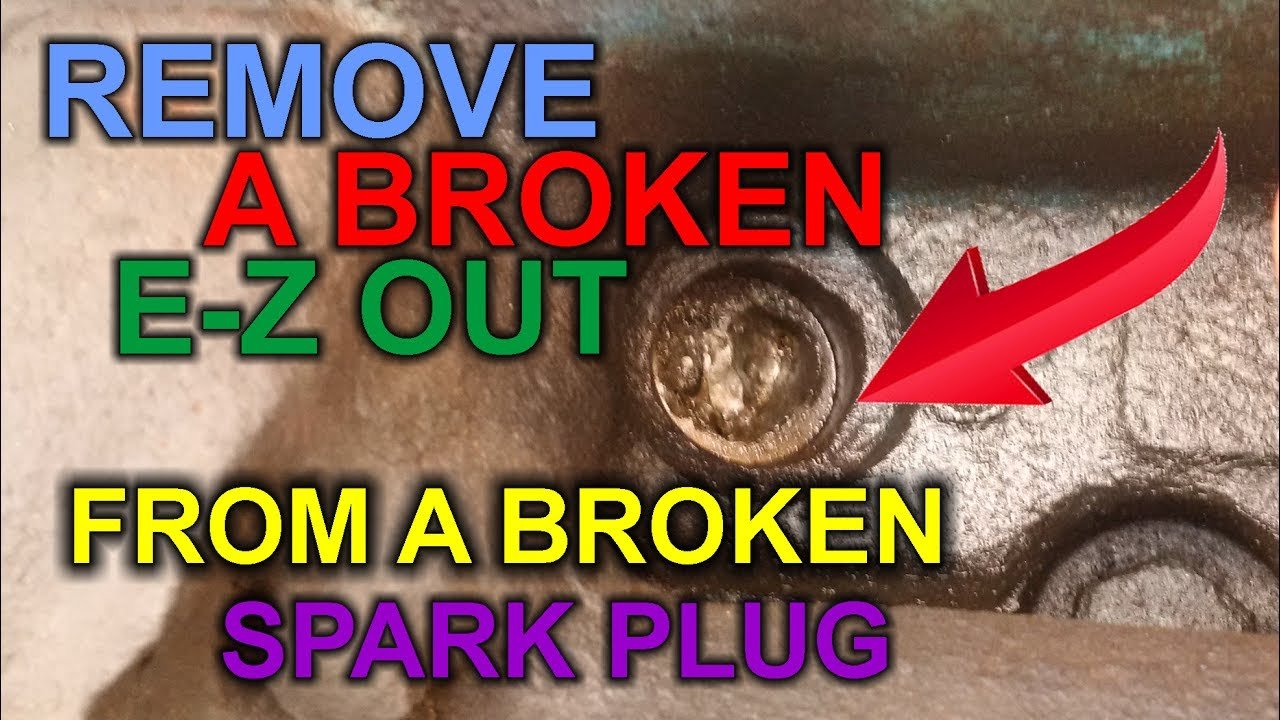
A broken spark plug is a frustrating challenge for any car owner or mechanic. When the ceramic or metal breaks inside the cylinder head, removing it becomes tricky—especially if you don’t have an Easy Out tool.
However, you don’t need expensive equipment to solve this problem. With the right approach, patience, and some common tools, you can safely remove a broken spark plug and get your engine running again.
Understanding The Broken Spark Plug Problem
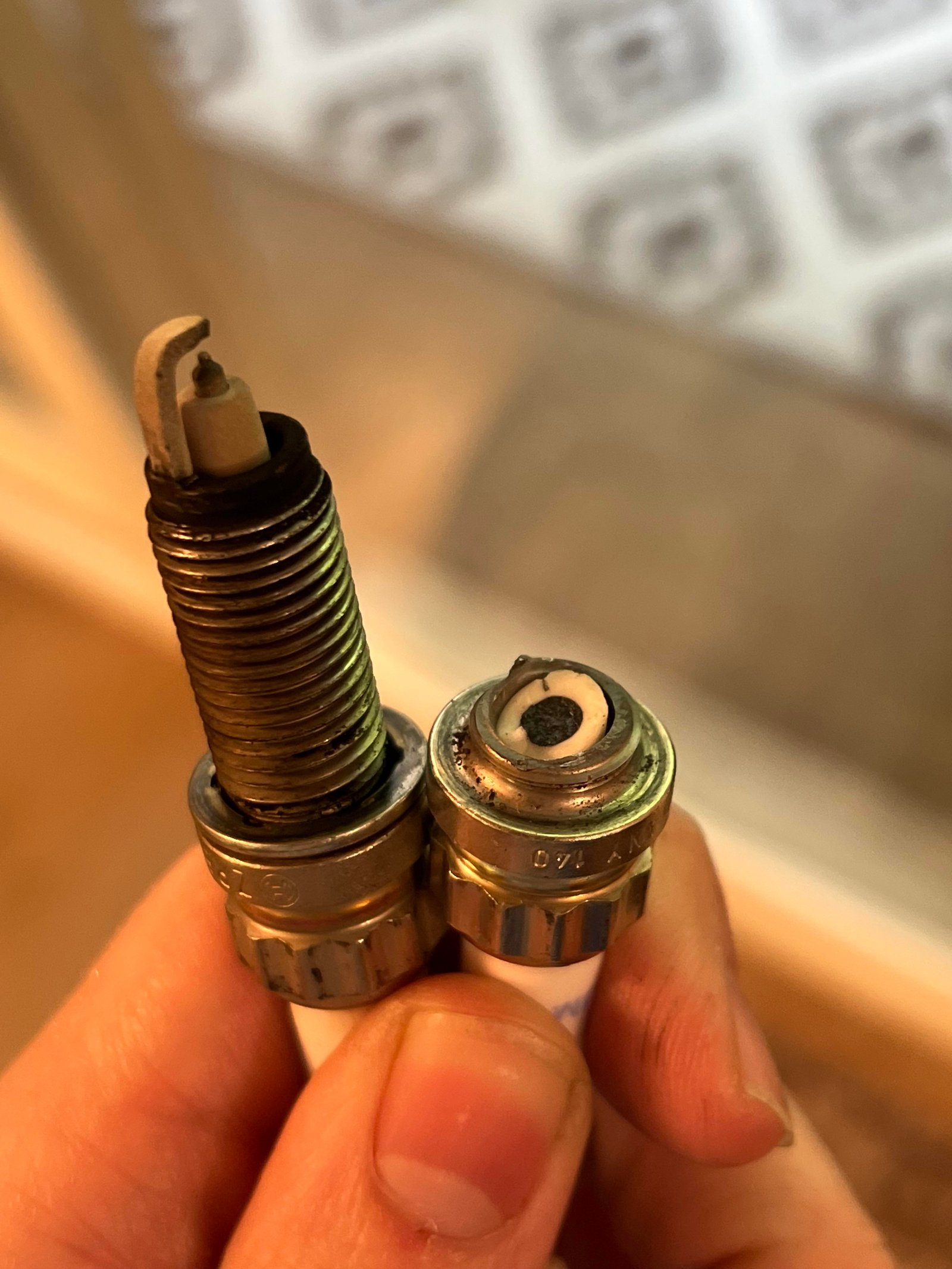
When a spark plug breaks, it’s usually the ceramic insulator or the threaded metal shell. Sometimes, only the tip snaps off, leaving the threads inside the engine.

The risk is damaging the cylinder head or dropping debris into the combustion chamber, which can lead to engine failure.
Here’s a quick breakdown of what usually breaks:
| Component | Common Failure | Difficulty to Remove |
|---|---|---|
| Ceramic Insulator | Shatters or cracks | Medium |
| Metal Shell | Threads stuck in head | Hard |
| Center Electrode | Breaks off, falls in engine | Hard |
It’s important to identify which part is broken before you start. Visual inspection with a flashlight helps.
If the ceramic is gone and the metal shell is stuck, the job is more difficult.
Essential Tools And Preparation
You don’t need special tools, but a few basics are necessary:
- Needle-nose pliers or locking pliers
- Screwdriver (flathead or Phillips)
- Hammer
- Vacuum cleaner (for debris)
- Magnet tool (for metallic parts)
- Penetrating oil (like WD-40)
- Shop rag (to protect and clean)
Safety matters. Always let the engine cool before starting.
Wear eye protection to avoid injury from shards or debris.
Step-by-step Removal Process
Removing a broken spark plug without an Easy Out takes patience. Follow these steps:
1. Apply Penetrating Oil
Spray penetrating oil onto the broken threads. Wait 10 15 minutes.
This loosens rust and helps prevent thread damage.
2. Remove Loose Ceramic Pieces
Use needle-nose pliers to gently pull out any loose ceramic. If fragments fall into the cylinder, use a vacuum or magnet to remove them.
3. Loosen Metal Shell
If the metal shell remains, try gently tapping it with a screwdriver and hammer. Tap counterclockwise to loosen the threads.
Avoid hitting too hard damage to the head is expensive.
4. Use Pliers For Extraction
Once loose, grip the metal shell with locking pliers and slowly twist counterclockwise. If it doesn’t move, apply more penetrating oil and wait.
5. Clean The Spark Plug Hole
After removal, clean the hole with a rag and vacuum. Check for debris or damage.
6. Inspect And Replace
Install a new spark plug. If threads are damaged, consider using a thread repair kit.
Here’s a comparison of removal methods:
| Method | Success Rate | Risk Level | Cost |
|---|---|---|---|
| Pliers & Oil | High | Low | Low |
| Hammer & Screwdriver | Medium | Medium | Low |
| Drilling | Low | High | Medium |
Practical Tips And Common Mistakes
Many beginners make simple mistakes that can cause expensive repairs. Here are some tips to avoid trouble:
- Don’t rush the job. Hurrying can snap the shell or damage threads.
- Avoid excessive force. Gentle pressure is safer.
- Protect the cylinder. Always vacuum out debris before installing a new plug.
- Choose the right pliers. Locking pliers grip best.
Two insights often missed: First, using a magnet tool is essential for finding small metal fragments—leaving these inside can ruin your engine. Second, never use a drill unless you have experience; it’s easy to damage the cylinder head and make the problem worse.
When To Seek Professional Help
If the plug shell is severely stuck or threads are damaged, it’s best to visit a mechanic. Professional extraction tools and experience prevent costly mistakes.
In some cases, the cylinder head may need removal for safe extraction.
The cost for professional spark plug removal can range from $100 to $300, depending on labor and engine type. If the cylinder head is damaged, repairs may cost more.
Preventing Future Breakage
Broken spark plugs are often caused by overtightening or using the wrong type. Follow these tips for prevention:
- Always use a torque wrench. Tighten plugs to manufacturer specs.
- Use quality spark plugs. Cheap plugs break easily.
- Replace plugs regularly. Old plugs corrode and stick.
Here’s a quick reference for torque settings:
| Engine Type | Spark Plug Torque |
|---|---|
| Small engines (lawn mower, motorcycle) | 10–15 ft-lbs |
| Car engines | 20–30 ft-lbs |
| Truck engines | 30–40 ft-lbs |
Frequently Asked Questions
How Do I Know If My Spark Plug Is Broken Inside The Cylinder?
Listen for engine misfire, check for rough idling, and inspect the spark plug hole. If the plug is missing or damaged, it’s likely broken inside.
Can I Drive With A Broken Spark Plug?
No. Driving with a broken spark plug can cause engine damage, poor performance, and expensive repairs.
What If Ceramic Falls Into The Cylinder?
Use a vacuum or magnet tool to remove fragments. If pieces remain, seek professional help to avoid engine damage.
Is It Safe To Use A Drill For Removal?
Drilling is risky. It can damage the cylinder head and worsen the problem. Only use a drill if you have experience and the correct bits.
Where Can I Find More Information On Spark Plug Removal?
For detailed automotive repair guides, visit Haynes Manuals for step-by-step instructions and safety tips.
Removing a broken spark plug without an Easy Out is possible with patience and care. By following the steps above and avoiding common mistakes, you can save money and protect your engine. Always use the right tools, take your time, and don’t hesitate to seek professional help if things get difficult.