Removing excess air from tires is a simple but important task that can make your vehicle safer and help your tires last longer. Too much air can cause a harsh ride, uneven tire wear, and less traction on the road.
Whether you drive a car, motorcycle, bicycle, or even a truck, knowing how to lower tire pressure correctly is a basic skill. This guide explains the steps, tools, and key mistakes to avoid, so you can handle tire maintenance with confidence.
Why Tire Pressure Matters
Tire pressure affects how your vehicle handles, stops, and uses fuel. Overinflated tires can reduce grip, especially in wet conditions, and can wear out quickly in the center. Underinflated tires cause poor fuel efficiency and faster wear on the edges. According to the National Highway Traffic Safety Administration, about 11% of vehicles in the US have at least one tire that is overinflated or underinflated.
The recommended tire pressure is usually found on a sticker inside the driver’s door or in the owner’s manual. Most passenger cars need about 30–35 PSI (pounds per square inch), but always check your vehicle’s specific requirements.
Tools Needed To Remove Air From Tires
Before you start, gather these basic tools:
- Tire pressure gauge: Digital or analog, for accurate readings
- Valve cap remover: Optional, but helps remove tight caps
- Flathead screwdriver or tire deflator tool: For pressing the valve pin
- Air compressor (optional): Useful if you accidentally let out too much air
Digital gauges tend to be more precise and easier for beginners. A tire deflator tool, available at auto shops, makes the process even safer and faster.
Step-by-step Guide To Removing Air
Follow these steps to lower your tire pressure safely:
- Park your vehicle on a level surface. Avoid doing this on a slope, as tires can shift and readings may be inaccurate.
- Check current tire pressure. Use your gauge to measure each tire. Compare with the recommended PSI for your vehicle.
- Remove the valve cap. Twist counterclockwise and set aside. Don’t lose it—valve caps protect against dirt and moisture.
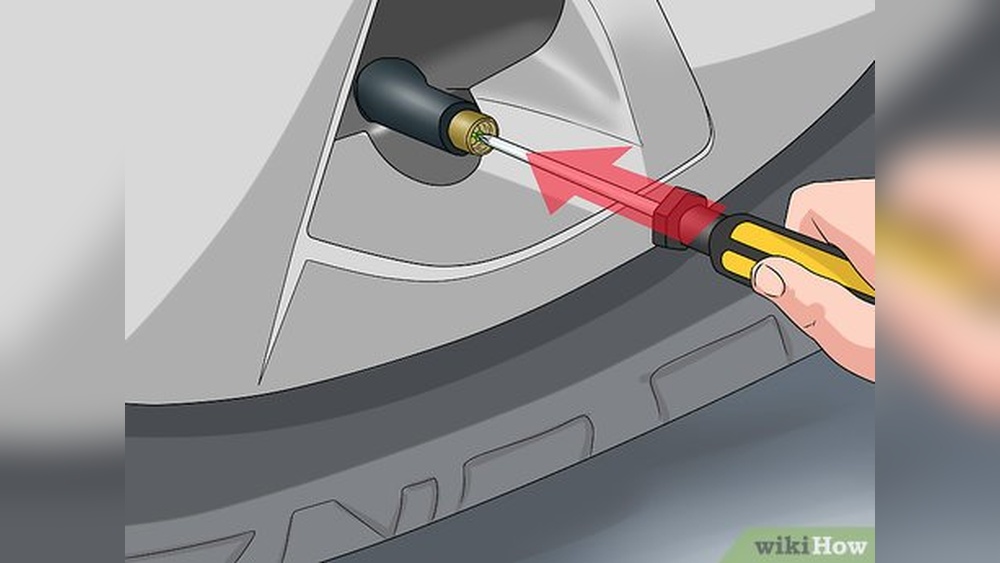
- Press the valve pin. Use a tire deflator tool or the tip of a flathead screwdriver. Press gently and listen for the hissing sound.
- Release air slowly. Let out air in short bursts. After each burst, check the pressure again with your gauge.
- Repeat as needed. Continue until you reach the target PSI. Be patient; removing too much air can mean starting over with an air compressor.
- Replace the valve cap. Twist clockwise until snug. This keeps the valve clean and prevents leaks.
Common Mistakes To Avoid
- Letting out too much air: This is easy to do, especially if you don’t check pressure often. Always stop and check after each burst.
- Not checking all tires: Many people adjust only one tire, but uneven pressure can affect handling.
- Ignoring tire temperature: Tires heat up while driving, so check pressure when tires are cold for the most accurate reading.
- Forgetting the valve cap: Without it, dirt can enter and cause leaks.
Comparing Tire Pressure Gauges
Different types of pressure gauges suit different needs. Here’s a quick comparison:
| Gauge Type | Accuracy | Ease of Use | Price Range |
|---|---|---|---|
| Digital | High | Very Easy | $10–$30 |
| Analog (Dial) | Medium | Easy | $8–$25 |
| Stick/Pencil | Low–Medium | Moderate | $5–$10 |
Digital gauges are best for accuracy, while stick gauges are cheap but harder to read.

Effects Of Incorrect Tire Pressure
The impact of wrong tire pressure is measurable. Here’s how it changes performance:
| Pressure Level | Ride Comfort | Tire Wear | Fuel Efficiency |
|---|---|---|---|
| Correct | Optimal | Even | Best |
| Too High | Harsh | Center Wears Faster | Often Worse |
| Too Low | Soft | Edges Wear Faster | Poor |
Overinflated tires give a bumpy ride and reduce grip, especially in rainy conditions. Underinflated tires feel soft and can cause overheating.
When Should You Remove Air From Tires?
You may need to lower tire pressure in these situations:
- After inflating at a gas station: Many air pumps are not calibrated, so double-check with your own gauge.
- Seasonal changes: Air expands in hot weather and contracts in cold. After a temperature shift, check and adjust pressure.
- Off-road driving: Lower pressure can help tires grip soft surfaces like sand or mud.
- After maintenance: Sometimes mechanics inflate tires higher than needed. Always check before leaving the shop.
Quick Tips For Beginners
- Always use a quality gauge. Cheap gauges can give wrong readings.
- Check pressure monthly. Even if you don’t drive much, tires lose air over time.
- Keep a spare valve cap. Losing a cap is common; extras are cheap and useful.
- Don’t rely on tire appearance. Tires can look normal but still be overinflated.
A tip many beginners miss: tire pressure changes with altitude. Traveling to higher elevations will increase pressure inside the tire, so re-check if you drive in the mountains.
Another overlooked point: nitrogen-filled tires hold pressure better than regular air, but still need checking.
Frequently Asked Questions
How Much Air Should I Remove From My Tire?
Only remove enough air to reach the recommended PSI for your vehicle. Use your tire gauge to check after each burst. Over-removing can make driving unsafe.
Can I Use Any Object To Press The Valve Pin?
While a flathead screwdriver works, it’s safer to use a dedicated tire deflator tool. Other objects may damage the valve or let out air too quickly.
What Happens If I Drive On Overinflated Tires?
Overinflated tires can cause a harsh ride, less traction, and faster wear in the center. They also increase the risk of blowouts, especially on rough roads.
How Often Should I Check Tire Pressure?
Check at least once a month and before long trips. Also, after large temperature changes, as pressure can rise or fall with weather.
Do All Vehicles Have The Same Recommended Tire Pressure?
No, each vehicle has its own recommended PSI. Always check your owner’s manual or the sticker inside the driver’s door. For more info on tire safety, visit NHTSA Tire Safety.
Regular tire maintenance, including adjusting air pressure, helps you drive safely and extends tire life. With the right tools and careful steps, removing air from tires is quick and easy.
Stay alert to changes in temperature and road conditions, and always double-check your work.
This simple habit can save money, improve comfort, and keep you safer on the road.