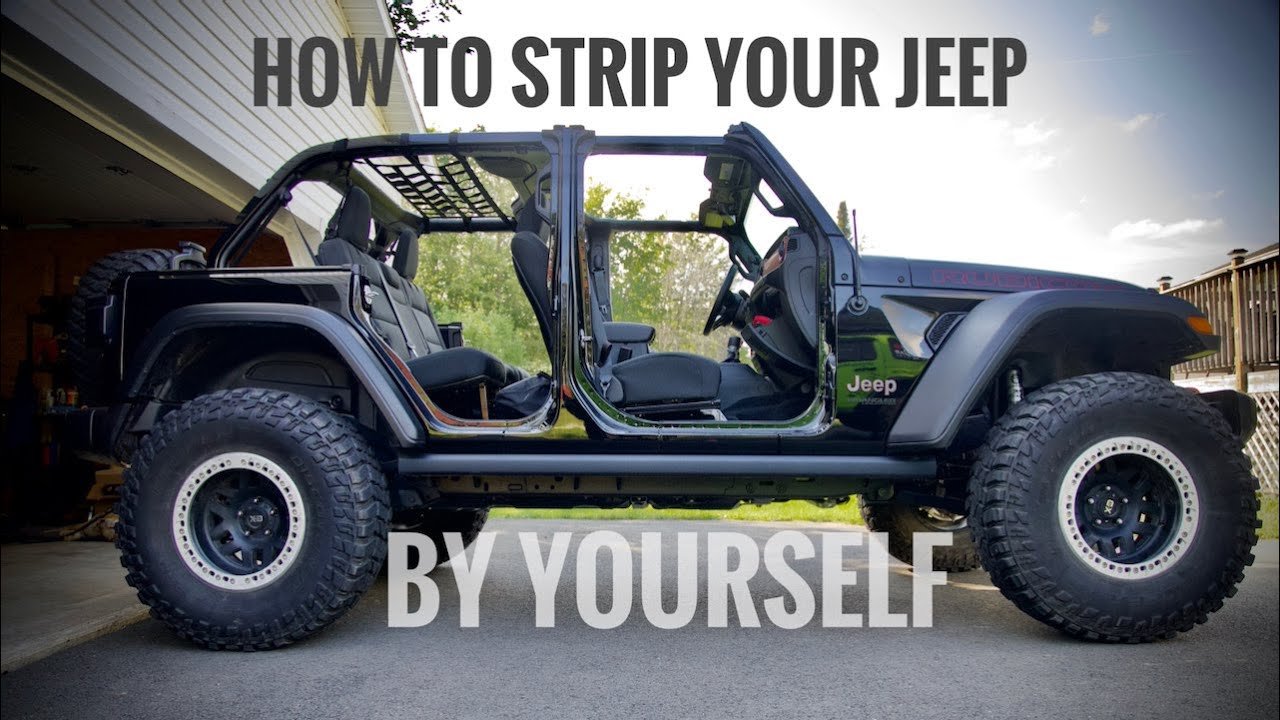
Removing a Jeep hardtop by yourself can seem challenging the first time. But with the right approach, a bit of patience, and some simple tools, you can do it safely and confidently.
This guide walks you through the process step by step, highlights common mistakes, and offers tips to make your next removal much easier.
Why Remove Your Jeep Hardtop?
There are practical reasons for taking off your Jeep hardtop. Many owners like to enjoy open-air driving in warmer months. It also helps with cleaning, adding roof racks, or performing maintenance. Understanding the process helps you avoid damaging the top or your Jeep.
Tools And Supplies You’ll Need
Before starting, gather these essentials:
- Socket wrench set (typically 13mm for most Jeep models)
- Torx bit set (usually T40)
- Phillips screwdriver
- A soft blanket or foam pads
- Ziplock bags for bolts
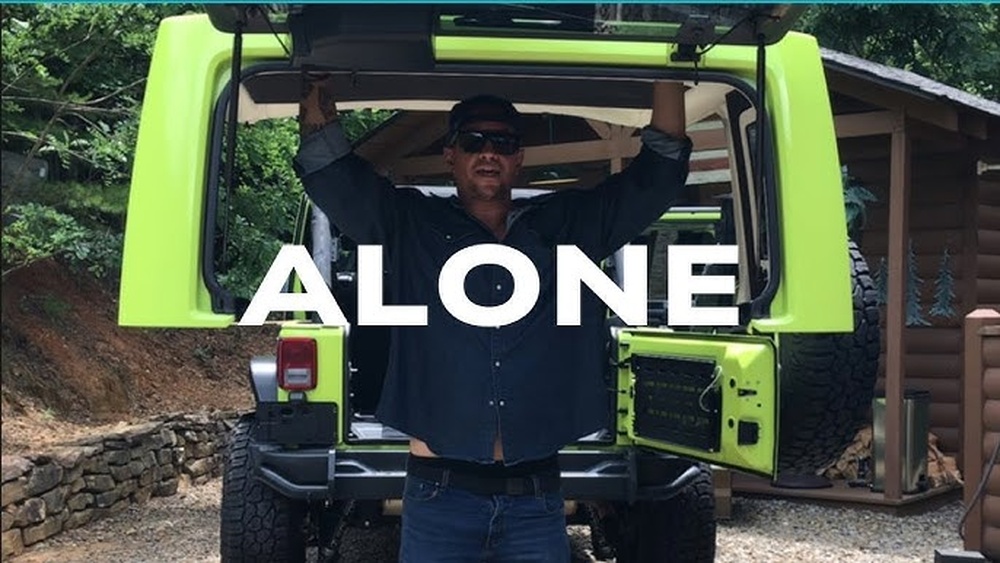
- A friend (optional, but helpful for heavy tops)
Many beginners forget to use foam pads or blankets to protect the top and their Jeep’s paint. Also, don’t skip labeling your bolts—mixing up hardware is a common headache.
Preparation: Safety First
- Park on level ground. This keeps the Jeep steady.
- Turn off the engine and remove the keys.
- Open all doors. This gives you full access and prevents accidental damage.
- Place your foam or blanket near the Jeep. This is where you’ll set the top after removal.
Step-by-step: Removing The Jeep Hardtop
1. Remove The Freedom Panels (if Equipped)
Most newer Jeep Wranglers and Gladiators have removable Freedom Panels over the driver and passenger seats.
- Unclip the sun visors.
- Undo the latches above the windshield (usually two or three).
- Unscrew the hand bolts above your head.
- Carefully lift each panel and set it on a soft surface.
2. Disconnect The Electrical And Washer Connections
Locate the electrical plug and the washer fluid hose in the rear cargo area. These are usually on the driver’s side, just inside the tailgate.
- Press the tab and gently pull apart the wiring connector.
- Pull the washer hose off its connector. Plug or tape it to prevent leaks.
Many owners forget to disconnect these, risking damage to the wiring or hose when lifting the top.
3. Remove The Bolts Holding The Hardtop
Open your tailgate and locate the Torx bolts along the inside edges of the hardtop.
- Use your Torx bit and wrench to remove each bolt. Newer models have eight bolts (three per side, two in the rear).
- Place all bolts and washers in a labeled bag.
Some Jeep models use a mix of bolt sizes. Check your manual if you’re unsure.
Example: Typical Bolt Locations
| Model Year | Side Bolts | Rear Bolts | Total |
|---|---|---|---|
| 2018+ Wrangler JL | 6 | 2 | 8 |
| 2007-2017 Wrangler JK | 6 | 2 | 8 |
| Older TJ/YJ | 4 | 2 | 6 |
4. Lift The Hardtop Off
With all bolts and connections removed, it’s time to lift.
- Stand inside the cargo area, facing the rear.
- Place your hands at the rear corners.
- Lift straight up to clear the rear lip, then walk the top backward.
The hardtop is heavy (around 100–140 lbs, depending on model). If you’re doing this alone, slide the top onto your foam pads or blanket. If you have a friend, each person takes a side and lifts together.
Weight Comparison
| Jeep Model | Hardtop Weight (lbs) | Difficulty (Solo) |
|---|---|---|
| Wrangler JL 2-Door | ~100 | Medium |
| Wrangler JL 4-Door | ~140 | Hard |
| Gladiator JT | ~150 | Hard |
5. Store Your Hardtop Safely
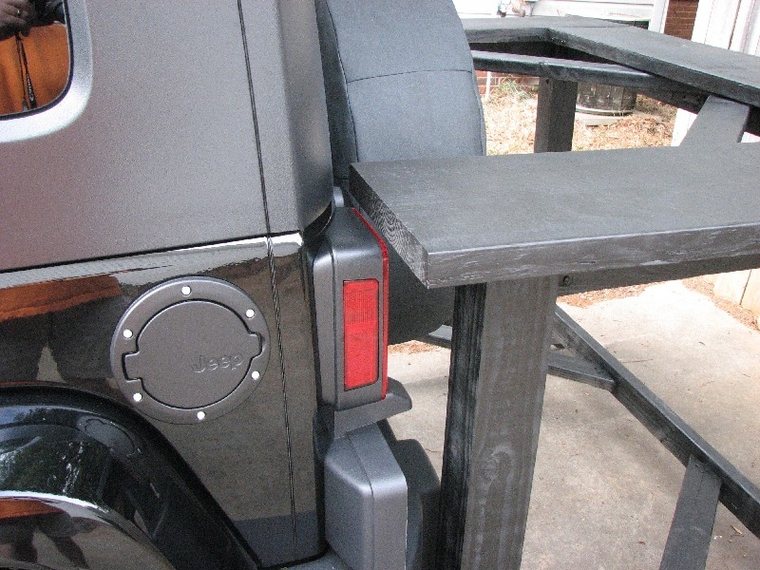
Lay the top on a flat, soft surface away from direct sunlight. Standing it on its edge can cause warping. Specialized hardtop hoists are available if you plan to remove it often.
Key Tips For Easier Hardtop Removal
- Label and bag your bolts to avoid confusion.
- Use a hoist system if you’ll do this regularly—especially helpful for one-person jobs.
- Always disconnect all wiring and hoses before lifting.
- Don’t rush the process; damaging the hardtop can be expensive to fix.
Common Mistakes And How To Avoid Them
1. Forgetting To Disconnect Wiring/hoses
This can rip wires or cause fluid leaks.
2. Trying To Lift Without Help
The top is awkward and heavy. Injury or damage is likely without assistance or a hoist.
3. Scratching The Paint
Skipping blankets or pads can lead to costly paint damage.
When To Ask For Help
If your Jeep is a four-door or Gladiator, the top is especially heavy. If you have back problems or limited space, ask a friend or consider a local Jeep shop. Some shops offer quick removal for a fee.
How To Make Reinstallation Easier
Before you put the top back on, check the rubber seals for dirt or damage. Clean them with mild soap and water. Lubricate the seals with silicone spray to prevent squeaks and leaks.
Keep your bolts and washers organized. Taking a quick photo of the bolt locations can help during reinstallation.
Jeep Hardtop Removal At A Glance
For visual learners, here’s a summary of key steps and their usual time:
| Step | Estimated Time | Tools Needed |
|---|---|---|
| Remove Freedom Panels | 5 min | Hands |
| Disconnect Wiring/Hoses | 2 min | Hands |
| Unbolt Hardtop | 10 min | Torx bit, wrench |
| Lift Hardtop | 5 min | None |
| Store Hardtop | 3 min | Blanket, pads |
Final Thoughts
Removing your Jeep hardtop solo is very doable with planning and care. Take your time, protect your vehicle, and don’t hesitate to ask for help if you need it. Once you’ve done it a couple of times, the process becomes much faster and more enjoyable. For more tips and model-specific guides, check the official Jeep website.
Frequently Asked Questions
How Heavy Is A Jeep Hardtop?
A typical two-door Jeep Wrangler hardtop weighs about 100 pounds, while the four-door and Gladiator models can reach 140-150 pounds. Always check your owner’s manual for exact weights.
Can I Remove The Hardtop Alone?
Yes, but it’s easier with two people or a hardtop hoist. If you’re strong and careful, you can do it solo with pads and slow movements.
Do I Need Special Tools?
Most hardtops use standard Torx bits (T40) and a socket wrench. Your Jeep’s toolkit may already include what you need.
Will Removing The Hardtop Damage My Jeep?
No, if you follow the steps, use pads, and disconnect all wiring and hoses. Rushing or forcing bolts can cause scratches or leaks.
How Often Can I Remove And Reinstall The Hardtop?
You can remove and reinstall your hardtop as often as you like. Just keep the seals clean and bolts organized to prevent wear or leaks.