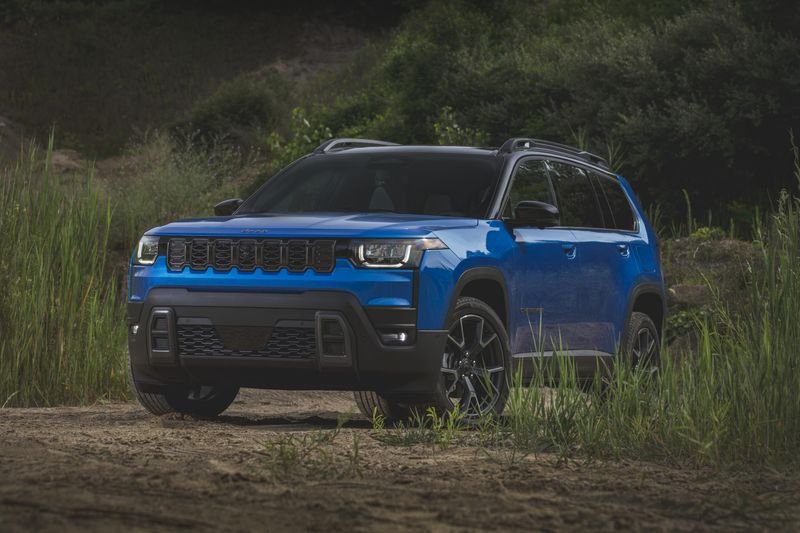
Parking brakes are an essential safety feature in every vehicle, including the Jeep Grand Cherokee. They prevent your SUV from rolling when parked, especially on slopes.
But sometimes, releasing the parking brake can be confusing, especially if you’re not familiar with the Grand Cherokee’s systems. Whether your Jeep uses a manual lever, foot pedal, or an electronic parking brake, knowing how to release it quickly and safely is important.
This guide will help you understand the process, avoid mistakes, and stay confident when handling your Jeep’s parking brake.
Understanding The Parking Brake Types
Jeep Grand Cherokees come with different parking brake systems depending on the model year.
| Model Year | Parking Brake Type | Release Method |
|---|---|---|
| 1999-2010 | Foot Pedal | Manual Release |
| 2011-2021 | Electronic | Button Release |
| 2022+ | Electronic | Button Release |
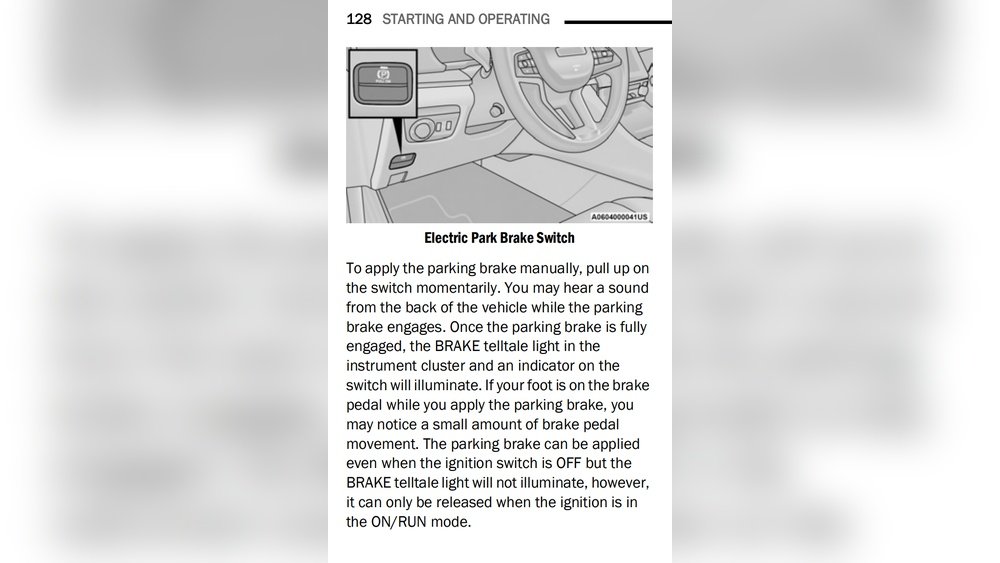
Older models usually have a foot pedal parking brake, while newer models have an electronic parking brake. Before you try to release the brake, check which type your Grand Cherokee has. The electronic system is now standard, offering easier operation but sometimes causing confusion for new users.
How To Release Parking Brake: Step-by-step
Follow these steps to release the parking brake on your Jeep Grand Cherokee. The process varies by brake type.
Foot Pedal Parking Brake (older Models)
- Locate the pedal: It’s usually found on the left side of the driver’s footwell, near the door.
- Press the release handle: Look for a small lever above the pedal. Pull it firmly; the pedal should return to its original position.
- Check brake indicator: Make sure the parking brake light on your dashboard turns off.
Tip: If the pedal sticks or doesn’t release smoothly, don’t force it. There may be rust or mechanical issues needing attention.
Electronic Parking Brake (newer Models)
- Turn on ignition: The electronic brake only works when the ignition is on or in accessory mode.
- Press the brake pedal: Keep your foot firmly on the main brake pedal.
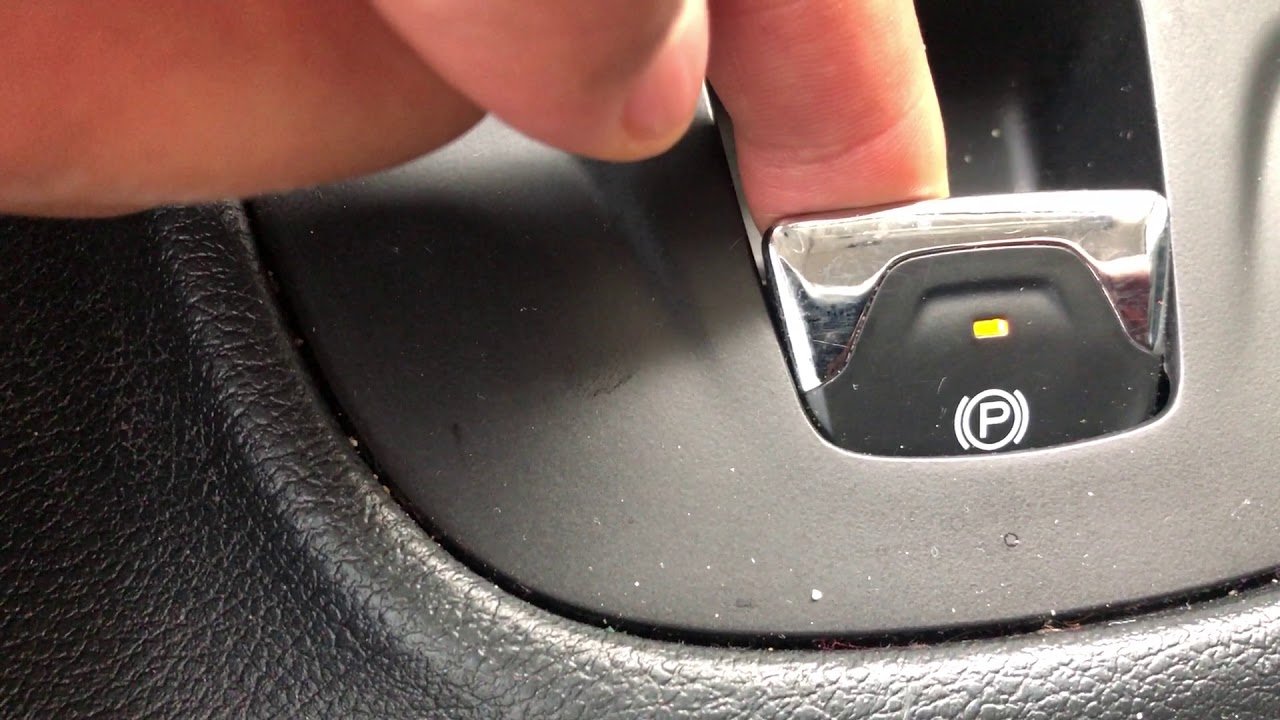
- Press the EPB switch: The Electronic Parking Brake (EPB) button is usually on the center console. Push it down to release.
- Wait for confirmation: The indicator light should go off. You may hear a faint motor sound as the brake disengages.
Tip: If the electronic system does not release, check for warning messages. Low battery or electrical issues can prevent operation.
Common Mistakes To Avoid
Many drivers make small errors when releasing the parking brake. These can lead to frustration or even damage.
| Mistake | Consequence | Prevention |
|---|---|---|
| Trying to release without pressing brake pedal | Brake won’t release | Always press brake pedal first |
| Forcing stuck pedal | Damage to cable | Inspect or lubricate before forcing |
| Ignoring warning lights | Possible brake failure | Check dashboard for alerts |
One non-obvious insight: Electronic brakes can lock if battery voltage is too low. Always ensure the battery is healthy before long parking periods.
Another tip: If you hear grinding or squeaking when releasing, it may signal a worn brake cable or actuator. Address this quickly to avoid costlier repairs.
Troubleshooting Parking Brake Issues
Sometimes, the parking brake won’t release even after following the correct steps. Here’s what you can do:
- Check for error codes: Modern Grand Cherokees display messages if something is wrong with the system.
- Inspect the battery: Low voltage can stop the electronic brake from working.
- Look for mechanical blockage: Debris or rust can prevent the pedal or actuator from moving.
- Consult the manual: Refer to your Jeep’s owner’s manual for exact instructions. If you’ve lost it, you can access digital versions from the Jeep official site.
- Seek professional help: If all else fails, a certified mechanic can diagnose and fix deeper issues.
Comparison: Manual Vs Electronic Parking Brake
Understanding the differences helps you use and maintain your Jeep safely.
| Feature | Manual Brake | Electronic Brake |
|---|---|---|
| Ease of Use | Requires physical effort | Simple button press |
| Reliability | Less prone to electrical faults | May fail if battery is low |
| Maintenance | Needs cable lubrication | Needs actuator check |
| Emergency Release | Possible even without power | May require manual override |
Safety Tips For Parking Brake Use
- Always release before driving: Leaving the parking brake engaged can damage rotors and pads.
- Use brake on slopes: When parking on a hill, apply the brake firmly.
- Don’t ignore warning lights: If the indicator stays on, check the brake immediately.
- Regular maintenance: Clean and lubricate the mechanism every six months.
- Know emergency release: For electronic systems, there is usually a manual override in the trunk or under the seat. Learn its location before emergencies.

Frequently Asked Questions
What Should I Do If My Parking Brake Won’t Release?
First, check if you’re pressing the main brake pedal. If you have an electronic brake, ensure the battery is not weak.
If nothing works, look for error messages and consult your owner’s manual. Sometimes, mechanical issues or electrical faults need a professional mechanic.
Is It Safe To Drive With The Parking Brake Partially Engaged?
No, driving with the parking brake even slightly on can cause brake pad wear and overheating. Always double-check that the indicator light is off before moving your Jeep.
How Do I Know If My Jeep Grand Cherokee Has An Electronic Parking Brake?
If your parking brake is controlled by a button (not a pedal or lever), it’s electronic. Most models from 2011 onward have this system. Check your owner’s manual or look for the EPB button on the center console.
Can The Electronic Parking Brake Fail During Cold Weather?
Yes, extreme cold can affect the actuator or battery, making the electronic brake stick. Keeping your battery charged and parking in a garage when possible helps prevent this issue.
Where Can I Find Official Instructions For My Jeep Grand Cherokee’s Parking Brake?
You can find detailed guides, diagrams, and troubleshooting steps at the Jeep official site. This resource covers all model years and brake types.
Releasing the parking brake on a Jeep Grand Cherokee is straightforward once you know your system. Understanding the differences and common problems will help you avoid mistakes and keep your vehicle safe.
With regular maintenance and careful use, your parking brake will remain reliable for years.
Always consult your owner’s manual or seek professional help if you face persistent issues.