Recharging the AC system in a Jeep Wrangler is not just about comfort—it’s about safety, especially during hot days. Many Wrangler owners notice their air conditioning loses power over time.
The good news: with the right tools and steps, you can recharge your Jeep’s AC yourself, save money, and stay cool on every drive.
When Does Your Jeep Wrangler Need An Ac Recharge?
If your Wrangler’s air conditioning is blowing warm air or not cooling like before, it’s a clear sign something is wrong. A weak AC often means low refrigerant. Other signs include:
- The AC clutch doesn’t engage when turned on
- Hissing noises from the engine bay
- Visible leaks under the Jeep
A common mistake is to keep running the AC, hoping it will “fix itself.” This can damage the compressor and lead to expensive repairs. Checking the refrigerant level should be your first step.
What You Need Before Recharging
Before you start, gather these tools and materials:
- AC recharge kit (includes a can of R-134a refrigerant and a pressure gauge)
- Safety glasses and gloves
- Thermometer (to check air temperature)
- Jeep Wrangler owner’s manual
Most Jeep Wranglers (1997 and newer) use R-134a refrigerant. Double-check your manual to confirm.
| Model Year | Refrigerant Type | Typical Capacity (oz) |
|---|---|---|
| 1997-2017 | R-134a | 20-24 |
| 2018-present | R-1234yf | 20-22 |
Note: Newer Wranglers (2018+) may use R-1234yf, which is more eco-friendly but expensive. If your Jeep uses this, consider professional service for the best results.
Step-by-step: How To Recharge Ac In Jeep Wrangler
1. Park And Prepare
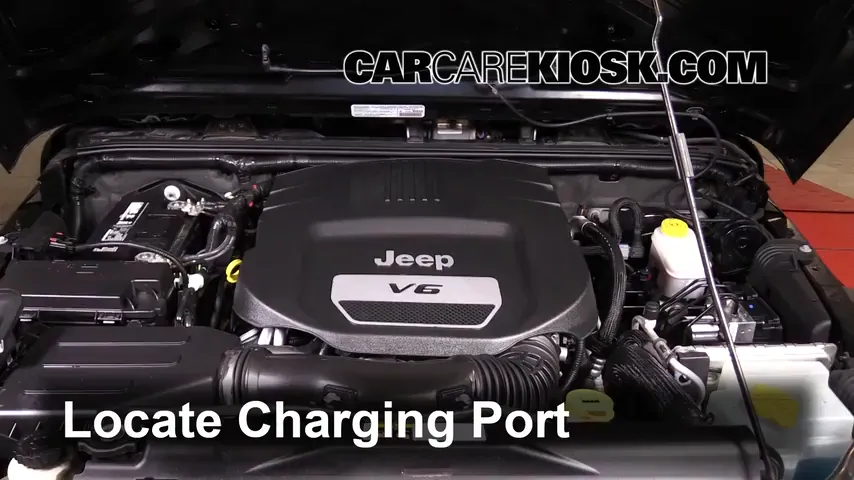
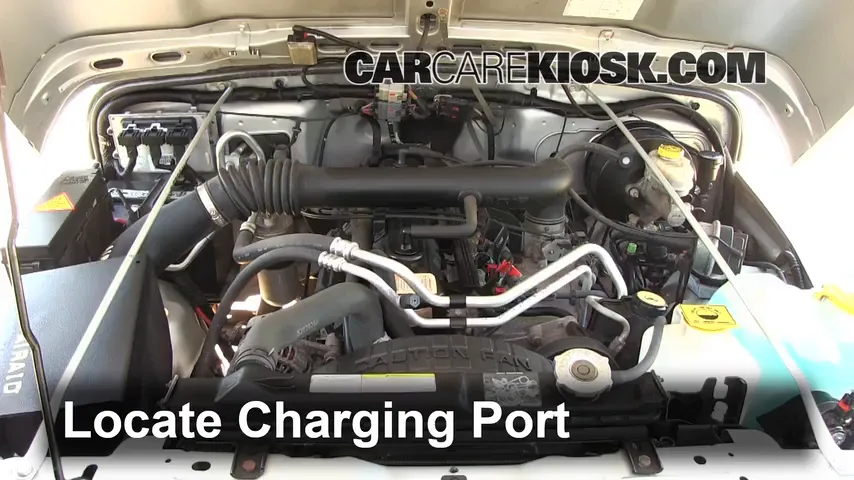
Find a flat, well-ventilated area. Turn off the engine. Put on safety glasses and gloves. Open the hood and locate the AC low-pressure port. It usually has a black or blue cap marked “L.”
2. Check System Pressure
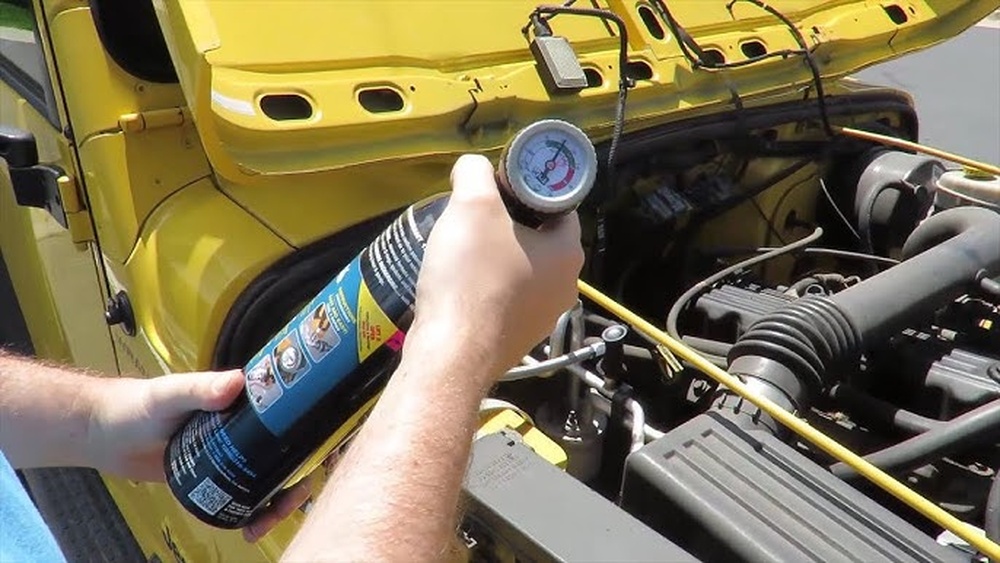
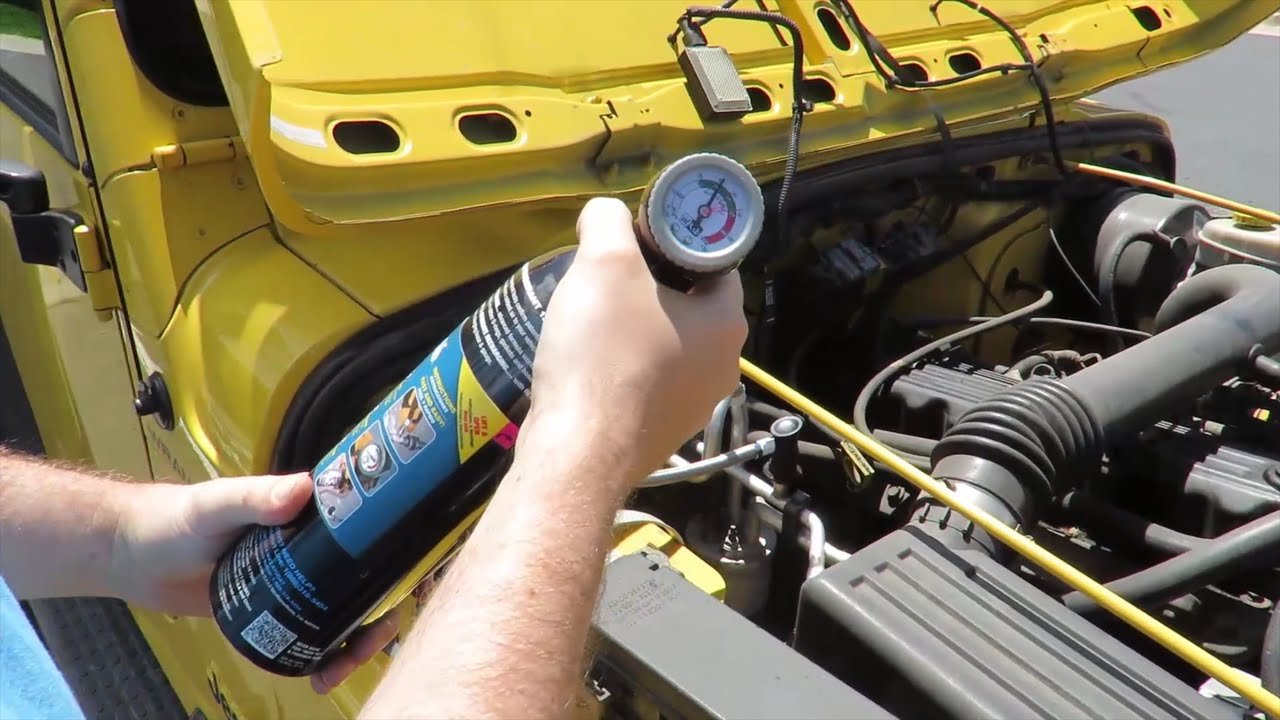
Attach the pressure gauge from your recharge kit to the low-pressure port. Do this with the engine off.
Next, start the engine, set AC to max cold, and turn the fan to high.
Read the pressure gauge. For most Wranglers, normal pressure with the AC running is between 25-45 psi. If the reading is below this range, you need to add refrigerant.
| Pressure (psi) | AC Status |
|---|---|
| 0-25 | Low – recharge needed |
| 26-45 | Normal |
| 46+ | Too high – do not add refrigerant |
Tip: If pressure is above 45 psi, do not add refrigerant. This may point to another problem.
3. Add Refrigerant
Shake the refrigerant can well. Connect it to the port and hold the can upright.
Squeeze the trigger in short bursts, watching the gauge as you go. Do not overfill the goal is to reach the normal pressure range.
Move the can slightly as you fill, but do not tip it upside down. Filling should take about 5-10 minutes.
4. Monitor Cooling Performance
Use a thermometer to check the air temperature from your Jeep’s center vent. A well-functioning AC should blow air at 40-50°F (4-10°C) below outside air temperature.
5. Finish Up
Once the pressure is in the normal range, remove the hose. Replace the cap on the low-pressure port.
Turn off the engine. Run your Jeep for a few minutes to confirm the AC is cold and consistent.
Common Mistakes To Avoid
- Overcharging the system: Too much refrigerant can damage the compressor.
- Using the wrong refrigerant: Always check your Wrangler’s manual.
- Ignoring leaks: If your system loses refrigerant quickly, there may be a leak. Recharging is a temporary fix.
- Not wearing safety gear: Refrigerant can cause frostbite or eye injury.
Many beginners forget to inspect for leaks before recharging. Always look for oily spots or listen for hissing sounds near AC lines.
If you suspect a leak, use a UV dye or have a mechanic check.
How Often Should You Recharge?
Most Jeep Wrangler AC systems are sealed and shouldn’t need recharging often. If you have to recharge more than once every few years, there may be a bigger problem.
Regular loss of refrigerant usually means a leak, not normal use.
When To Call A Professional
If recharging does not fix the problem, or if the pressure is too high, it’s time to see a certified mechanic. Complex issues like a bad compressor, electrical faults, or clogged components need expert tools and knowledge.
For more on AC systems and refrigerants, visit the U.S. EPA Mobile Air Conditioning page.
Frequently Asked Questions
How Long Does It Take To Recharge The Ac In A Jeep Wrangler?
It usually takes 15-30 minutes. This includes checking pressure, adding refrigerant, and testing the cooling.
Can I Use Any Refrigerant For My Jeep Wrangler?
No. Most Wranglers use R-134a, but newer models may use R-1234yf. Always confirm with your owner’s manual.
Is It Safe To Recharge My Jeep’s Ac At Home?
Yes, if you follow the instructions and use the correct tools. Wear safety gear and avoid overfilling.
Why Does My Ac Lose Cooling Even After A Recharge?
This usually means there’s a leak in the system. Recharging will only help for a short time. A mechanic should find and fix the leak.
What Temperature Should My Ac Blow After Recharging?
A healthy Wrangler AC should blow air at 40-50°F (4-10°C) below the outside temperature. If it’s not cold, check for leaks or other AC issues.
Keeping your Jeep Wrangler’s AC in top shape means comfort and safety year-round. Recharging is a simple DIY job for most owners, but always check for leaks and use the right refrigerant.
If you have doubts, don’t risk bigger repairs seek professional help.
With these steps, you’ll enjoy every drive, no matter how high the temperature climbs.