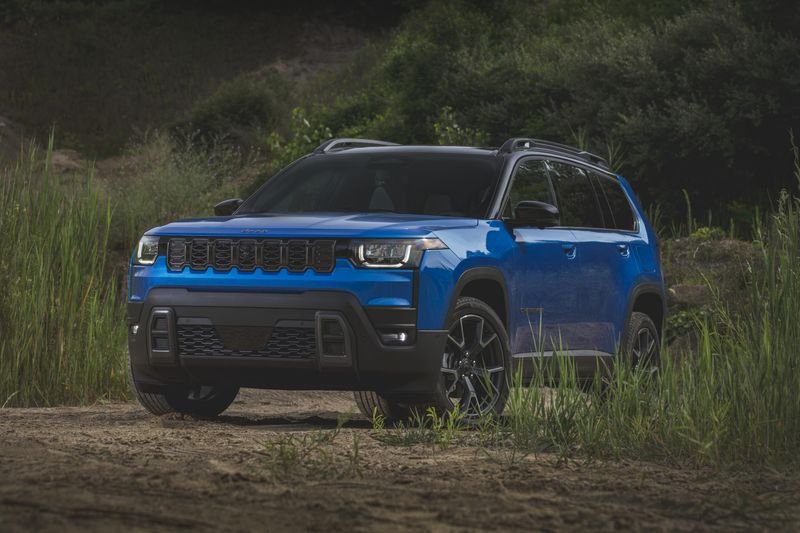
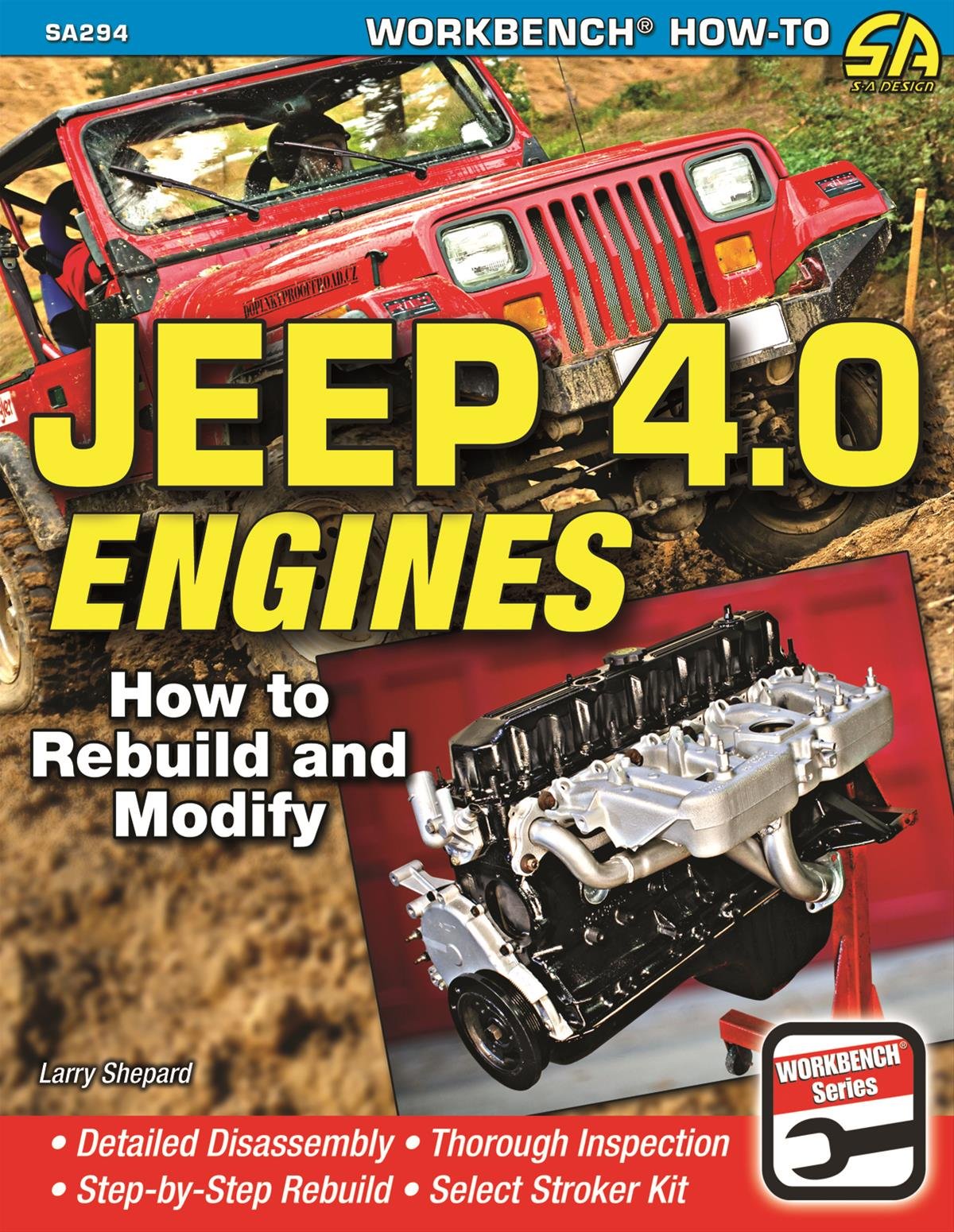
Rebuilding a Jeep engine is a major project that can bring an old or damaged engine back to life. Whether you want to restore a classic Jeep or extend the life of your daily driver, learning how to rebuild the engine yourself can save money and give you a sense of accomplishment.
This guide explains each step, highlights common mistakes, and provides insights that many beginners miss.
Understanding Jeep Engine Rebuilds
A Jeep engine rebuild means taking apart the engine, cleaning and inspecting all parts, replacing worn components, and reassembling the engine. Most Jeep models, such as the 4.0L inline-six and V8 engines, follow similar rebuild processes, but always check your Jeep’s manual for details.

When Should You Rebuild?
Rebuild your Jeep engine when you notice:
- Loss of compression (hard starts, power loss)
- Knocking or tapping sounds
- Excessive oil consumption
- Blue or white exhaust smoke
If your engine has more than 150,000 miles or serious mechanical problems, rebuilding is often better than replacing.
Tools And Parts You Will Need
Before starting, gather these essential tools:
- Socket and wrench set (SAE and metric)
- Torque wrench
- Engine hoist
- Ring compressor
- Engine stand
- Feeler gauges
- Plastigauge (for measuring bearing clearances)
- Micrometer and dial bore gauge
You’ll also need a Jeep engine rebuild kit. Kits usually include:
- Pistons and rings
- Bearings (main, rod, cam)
- Gaskets and seals
- Timing set
- Oil pump
Always buy high-quality parts. Cheap components can lead to early failure.
Step-by-step Jeep Engine Rebuild
1. Remove The Engine
- Disconnect the battery.
- Drain engine oil and coolant.
- Remove the air intake, radiator, exhaust manifold, and accessories.
- Label all wires and hoses for easier reassembly.
- Unbolt the engine from the transmission and mounts.
- Use an engine hoist to lift the engine out.
2. Disassemble The Engine
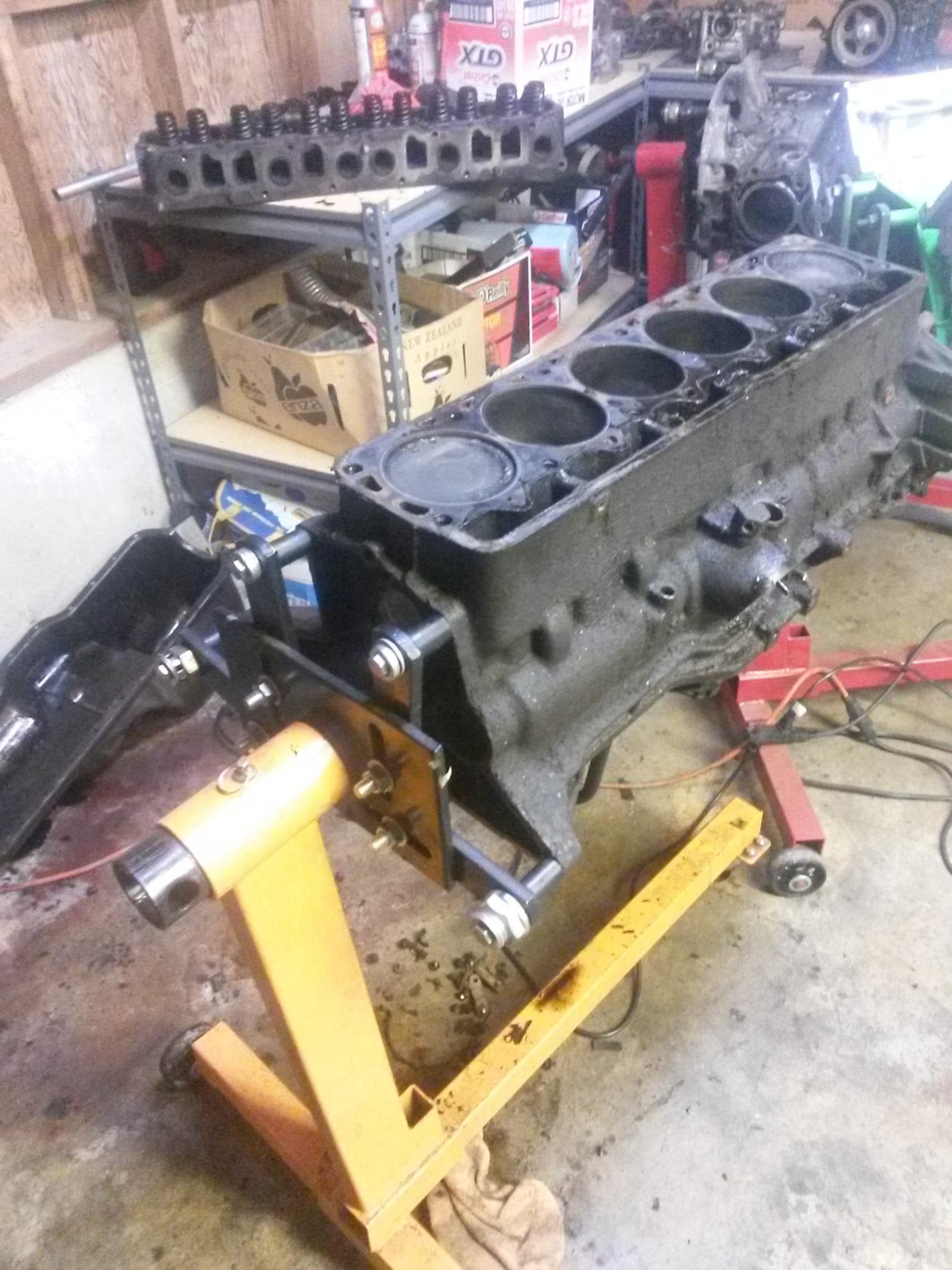
- Mount the engine on a stand.
- Remove the valve cover, cylinder head, oil pan, and timing cover.
- Take out pistons, rods, crankshaft, and camshaft.
- Keep each part organized and labeled.
3. Clean And Inspect All Parts
Clean all parts with solvent. Look for cracks, wear, or scoring. Use a micrometer and bore gauge to measure cylinder walls, crank journals, and cam bearings. Replace any part out of spec. Many beginners forget to check oil passages—clean them to prevent future failures.
4. Machine Work
Most Jeep engines need the cylinders honed or bored to fit new pistons. The crankshaft may need to be ground. Take your block, head, and crank to a machine shop. Ask for:
- Cylinder honing or boring
- Valve job and resurfacing
- Crankshaft grinding or polishing
The table below compares common Jeep engine specs before and after machining.
| Component | Stock Size | Typical After Machining |
|---|---|---|
| Cylinder Bore | 4.000 in | 4.020 in |
| Main Journal | 2.499 in | 2.489 in |
| Valve Seat | 1.910 in | 1.910 in (resurfaced) |
5. Reassemble The Engine
- Install new cam bearings.
- Insert crankshaft and check clearances with Plastigauge.
- Install pistons and rods using a ring compressor.
- Torque all bolts to Jeep specifications. Incorrect torque is a common mistake.
- Install the oil pump, timing set, and gasket sets.
- Attach the head and set the valve lash.
Use assembly lube on all moving parts. Double-check oil passage plugs missing one can ruin your rebuild.
6. Final Installation
- Attach all accessories, intake, and exhaust.
- Lower the engine into the Jeep.
- Reconnect the transmission, mounts, and wiring.
- Fill with oil and coolant.
- Prime the oil system before the first start.
The following table shows break-in oil choices and characteristics.
| Oil Type | Viscosity | Zinc Additive | Use Duration |
|---|---|---|---|
| Conventional Break-In Oil | 10W-40 | High | 500 miles |
| Semi-Synthetic | 10W-30 | Medium | 500-1000 miles |
Tips For First Start And Break-in
- Set the ignition timing before cranking.
- Crank with the spark plugs out to build oil pressure.
- Start the engine and run at 2000 RPM for 20 minutes to break in the cam.
- Change oil and filter after 500 miles.
Many overlook the importance of heat cycling. Allow the engine to fully cool after the first run to help rings seat and gaskets seal.
Common Mistakes To Avoid
- Mixing up rod caps and main caps (keep them in order)
- Forgetting to torque bolts to spec
- Not cleaning parts thoroughly
- Skipping professional machine work
- Rushing the break-in process
Cost And Time Estimates
A Jeep engine rebuild can cost $1,200 $2,500 in parts and machine work. It usually takes 20 40 hours, depending on skill level and tool access.
Here’s a quick comparison of DIY vs professional rebuild:
| Factor | DIY Rebuild | Professional Shop |
|---|---|---|
| Cost | $1,200–$2,500 | $2,500–$5,000 |
| Time | 20–40 hours | 1–2 weeks |
| Warranty | No | Yes (usually) |
Final Thoughts
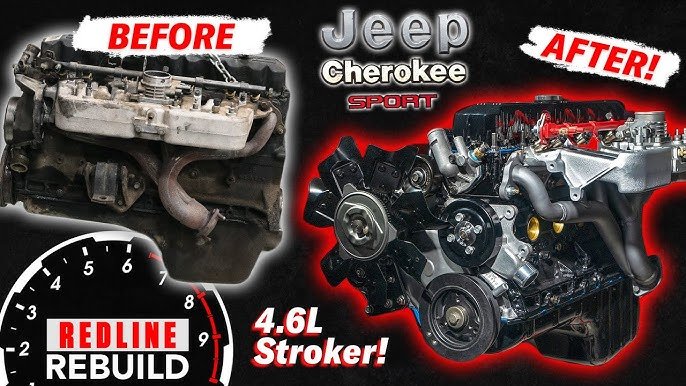
Rebuilding a Jeep engine is a big task, but it is possible for careful DIYers. Take your time, follow each step, and use the right tools and parts. The satisfaction of hearing your rebuilt engine roar to life is well worth the effort. For further details, you can check the Jeep Wikipedia page for Jeep engine history and models.
Frequently Asked Questions
How Long Does A Rebuilt Jeep Engine Last?
A properly rebuilt Jeep engine can last 100,000 to 150,000 miles or more with regular maintenance.
Can I Rebuild A Jeep Engine Without Special Tools?
Some special tools like a torque wrench and engine hoist are necessary. Borrow or rent these if you do not own them.
How Do I Know If My Engine Needs Machining?
If cylinders are out of round or pistons are loose, machining is required. Always measure with proper gauges before skipping this step.
Should I Replace The Camshaft During A Rebuild?
If your camshaft shows wear or scoring, replace it. Even a slightly worn cam can affect power and reliability.
What Is The Hardest Part Of Rebuilding A Jeep Engine?
The most challenging step is reassembly—especially setting clearances and torquing bolts correctly. Careful labeling and using the manual help prevent mistakes.