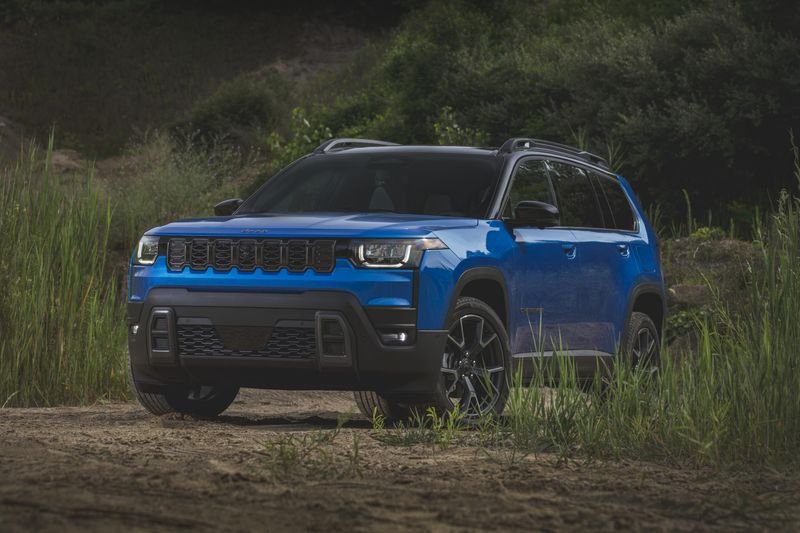
Rebuilding a Jeep 40 engine is a project that many car enthusiasts dream about. It brings an old engine back to life, improves performance, and helps you understand how your vehicle works. Whether your Jeep is running poorly or you want to upgrade, rebuilding can be a smart investment. This guide will walk you through the 40 key steps, highlight common mistakes, and share tips that many beginners overlook.
Essential Steps To Rebuild A 40 Jeep Engine
1. Disconnect Battery
Always start by disconnecting the battery. This prevents accidental shorts and keeps you safe.
2. Drain Fluids
Remove all engine fluids: oil, coolant, and fuel. Use containers to catch spills.

3. Remove Hood
Taking off the hood gives you better access. Mark hinge locations for easy reinstallation.
4. Label Wires And Hoses
Use masking tape to label each wire and hose. This makes reassembly much easier.
5. Remove Radiator
Carefully take out the radiator. Don’t forget to disconnect the fan shroud.
6. Detach Exhaust Manifold
Remove the exhaust manifold. Spray bolts with penetrating oil if they’re rusty.
7. Disconnect Intake Manifold
Unbolt the intake manifold. Keep track of gaskets for later.
8. Remove Carburetor Or Fuel Injection
Take off the carburetor or fuel injection system depending on your Jeep model.
9. Remove Accessories
Detach alternator, power steering pump, and air conditioning compressor. Set aside brackets.
10. Remove Engine Mount Bolts
Support the engine and remove the mount bolts. Use a hoist if needed.
11. Lift Engine Out
Use an engine hoist to remove the engine. Work slowly and check for missed connections.
12. Place Engine On Stand
Move the engine to a stand. This lets you rotate and work comfortably.
13. Remove Valve Covers
Unbolt and remove the valve covers. Inspect for sludge or wear.
14. Remove Timing Cover
Take off the timing cover. Note the position of timing marks.
15. Remove Timing Chain/belt
Remove the timing chain or belt. Check for stretch or damage.
16. Remove Cylinder Head
Unbolt and lift the cylinder head. Place bolts in order for easier reassembly.
17. Inspect Cylinder Head
Check for cracks, warping, and valve wear. Many skip this inspection, but it’s critical.
18. Remove Oil Pan
Unbolt the oil pan. Look for metal shavings in the oil.
19. Remove Pistons
Push out the pistons from the top. Mark their position for proper placement.
20. Remove Connecting Rods
Take out the connecting rods. Inspect for bend or damage.
21. Remove Crankshaft
Remove main caps and lift out the crankshaft. Measure journals for wear.
22. Inspect Bearings
Check all bearings for scoring or wear. Replace if needed.
23. Clean Engine Block
Clean the engine block with degreaser. Remove all old gasket material.
24. Inspect Block For Damage
Look for cracks or worn cylinders. Many beginners miss hidden cracks.
25. Measure Cylinder Bores
Use a bore gauge to measure cylinders. Compare with factory specs.
26. Hone Or Bore Cylinders
If needed, hone or bore the cylinders for new pistons.
27. Clean Cylinder Head
Remove carbon deposits from the cylinder head. Check valve seats.
28. Replace Valves And Springs
Install new valves and springs if worn. Always use new seals.
29. Install New Piston Rings
Fit new piston rings. Gap them according to specs.
30. Install Pistons
Carefully install pistons into the block. Use assembly lube.
31. Install Connecting Rods
Attach connecting rods to crankshaft. Torque bolts to spec.
32. Install Crankshaft
Fit the crankshaft and main bearings. Check for proper rotation.
33. Install Camshaft
Slide in the camshaft. Lubricate before installation.
34. Install Timing Chain/belt
Align timing marks and install the chain or belt.
35. Install Cylinder Head
Place the cylinder head back and torque bolts in sequence.
36. Install Oil Pan
Fit a new gasket and install the oil pan.
37. Install Valve Covers
Use new gaskets and install valve covers. Tighten bolts evenly.
38. Reinstall Accessories
Attach alternator, power steering pump, and other accessories.
39. Reinstall Engine
Lower the engine into the bay. Reconnect mounts and hoses.
40. Refill Fluids And Start Engine
Add oil, coolant, and fuel. Start the engine and check for leaks.
Comparison Of Common Jeep Engines
Here is a comparison of three popular Jeep engines for reference:
| Engine Model | Displacement | Horsepower | Torque |
|---|---|---|---|
| Jeep 4.0L | 4.0L | 190 hp | 235 lb-ft |
| Jeep 3.8L | 3.8L | 205 hp | 240 lb-ft |
| Jeep 2.5L | 2.5L | 120 hp | 140 lb-ft |
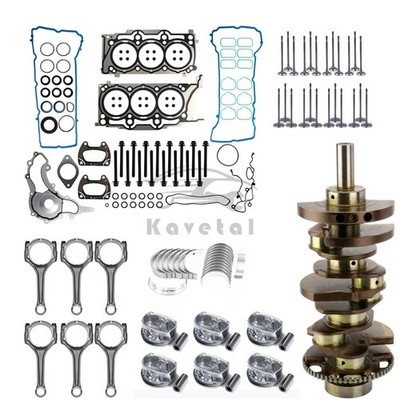
Key Tools And Their Uses
| Tool | Purpose |
|---|---|
| Engine Hoist | Lift and move the engine |
| Torque Wrench | Tighten bolts to correct specs |
| Bore Gauge | Measure cylinder diameter |
| Assembly Lube | Reduce friction on moving parts |
Extra Tips That Beginners Often Miss
- Always double-check torque specs for each bolt. Incorrect torque can cause leaks or engine failure.
- Before starting, take clear photos during every step. This helps with tricky reassembly.
- Clean all parts thoroughly. Even small dirt can cause big problems.
- Replace all seals and gaskets with new ones. Reusing old parts leads to leaks.
- Don’t rush the process. Let sealants dry fully before adding fluids.

Frequently Asked Questions
How Long Does A Jeep 40 Engine Rebuild Take?
Most people need 40–60 hours for a full rebuild. This depends on your experience and tools.
What Is The Cost To Rebuild A Jeep 40 Engine?
Parts usually cost $1,500–$2,000. Labor varies. Doing it yourself saves money, but you need tools and patience.
Do I Need Special Tools For Rebuilding?
Yes, you’ll need an engine hoist, torque wrench, bore gauge, and assembly lube. Some local auto shops rent tools.
Can I Reuse Old Pistons And Bearings?
It’s best to replace pistons and bearings. Old parts often have hidden wear. Reusing can cause engine failure.
Where Can I Find Official Jeep Engine Specs?
Visit the Jeep 4.0 Engine Wikipedia page for detailed factory specs and information.
Rebuilding a Jeep 40 engine is a big project, but with careful planning and the right steps, you can do it yourself. Take your time, follow each step closely, and enjoy the process.
A well-rebuilt engine will give your Jeep years of reliable performance.