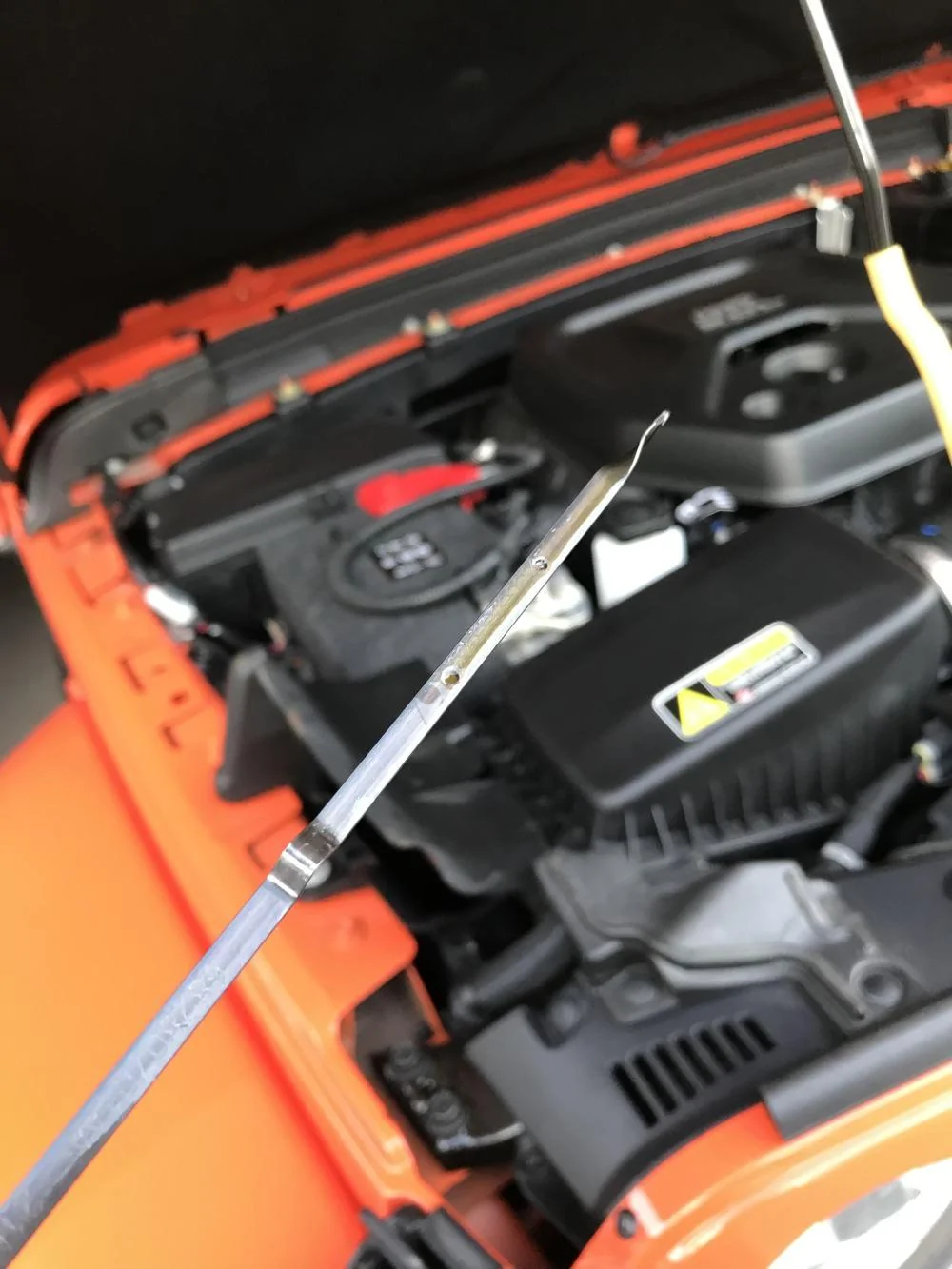
Reading the dipstick in your Jeep Wrangler may seem simple, but many drivers get it wrong without realizing. Checking your engine oil is not just about avoiding breakdowns; it also helps keep your engine running smoothly for years. Knowing how to read the dipstick correctly can save you money and prevent engine trouble. Whether you drive a classic Wrangler or the latest model, these steps and tips will help you check your oil like a pro.
Why Checking Your Dipstick Matters
The dipstick is your engine’s health monitor. It shows if you have enough oil and if the oil is clean. Low or dirty oil can cause engine damage, overheating, and expensive repairs. Many Jeep owners forget regular checks, but oil levels change with use, leaks, and even weather.
According to the Car Care Council, checking oil regularly can help avoid 70% of engine failures caused by poor lubrication. For a Jeep Wrangler, this is even more important because off-road driving puts extra stress on the engine.
Step-by-step: How To Read A Jeep Wrangler Dipstick
Checking your oil is quick, but accuracy is key. Follow these steps for the best results:
1. Warm Up The Engine
Start your Jeep and let it run for 2 3 minutes. Oil flows better when warm, giving a true reading.
Turn off the engine and wait a minute for the oil to settle.
2. Find The Dipstick
Open the hood. The dipstick usually has a yellow or orange handle and is near the engine. Consult your Wrangler’s manual if you’re unsure.
3. Remove And Clean
Pull out the dipstick. Wipe it clean with a paper towel or cloth.
This removes old oil and lets you see the fresh reading.
4. Insert And Remove Again
Put the dipstick all the way back in. Pull it out slowly and hold it horizontally.
5. Read The Oil Level
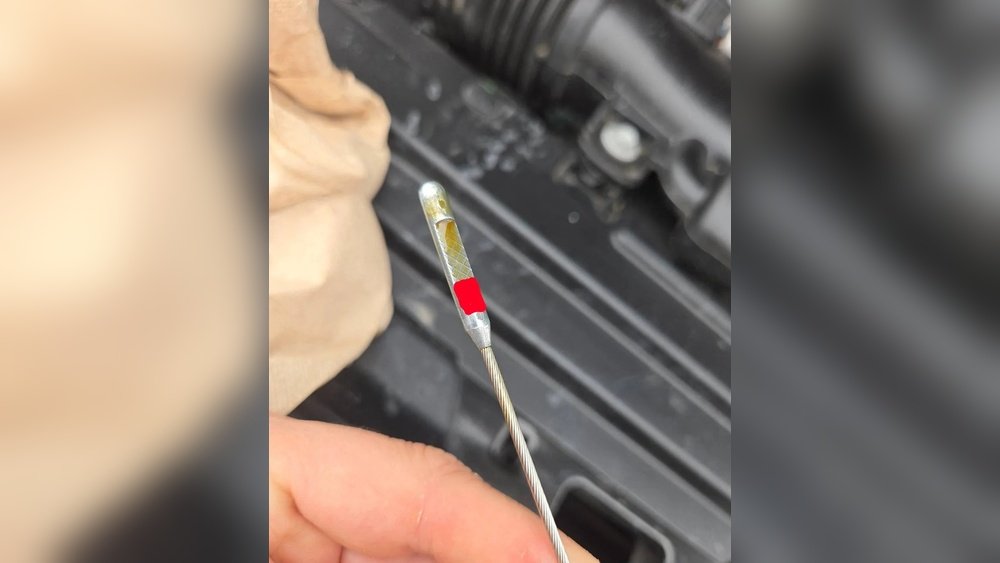
Look for two marks: MIN and MAX (or Low and Full). The oil should be between these marks. If it’s below MIN, you need more oil.
6. Check Oil Condition
Examine the oil’s color and texture. Clean oil is amber and smooth. Dirty oil is dark and gritty, which means it’s time for a change.
7. Add Oil If Needed
If your oil is low, add the recommended oil type slowly. Check again after adding.
Common Mistakes
- Checking oil when the engine is cold (may give false readings)
- Not cleaning the dipstick before reading
- Overfilling, which can cause leaks and engine issues

Understanding Dipstick Marks And Measurements
Every Jeep Wrangler dipstick has unique marks. Some newer models use small holes or lines instead of MIN/MAX. Here’s a comparison of dipstick styles:
| Model Year | Dipstick Markings | Oil Capacity |
|---|---|---|
| 2010–2017 | MIN/MAX Lines | 5 quarts |
| 2018–2024 | Dot Holes | 5.5 quarts |
| Pre-2010 | Low/Full Text | 4.5 quarts |
The oil level should always be between the marks, but closer to MAX is better. If your oil is above MAX, drain some out.
Too much oil can cause foaming and poor lubrication.
What Oil Should You Use?
Choosing the right oil is important for engine protection. Wrangler engines usually need 5W-20 or 5W-30 oil. Always check your manual before buying. Synthetic oils offer better performance and last longer, especially in extreme temperatures.
Here’s a quick comparison of oil types:
| Oil Type | Benefits | Recommended For |
|---|---|---|
| Conventional | Affordable, easy to find | Older Wranglers |
| Synthetic | Long-lasting, better protection | Newer models, extreme conditions |
| Blend | Mix of both, balanced price | Mixed driving styles |
Tip: Never mix different oil types unless recommended. Mixing can reduce performance and cause sludge.
Signs Your Jeep Wrangler Needs An Oil Change
Sometimes, the dipstick tells you more than just the oil level. Watch for these warning signs:
- Oil is black or gritty
- Oil smells burnt
- Oil level drops quickly
- Engine noise increases
Regular oil changes (every 5,000 miles for synthetic, 3,000 miles for conventional) prevent most problems.
Practical Tips For Accurate Dipstick Reading
Many beginners overlook these helpful tips:
- Always park on a level surface. Inclines can give false readings.
- Wait at least 1 minute after turning off the engine before checking.
- Use gloves if oil is hot or dirty.
- If you’re unsure, compare your reading with the last service record.
For more advanced guidance, visit the official Jeep service page: Jeep Vehicle Care.
Troubleshooting Common Dipstick Issues
Sometimes, the dipstick is hard to read because oil splatters or the marks are unclear. Here’s what to do:
- If oil is foamy, it may be contaminated with coolant or overfilled.
- If the dipstick is dry, check for leaks or oil pump issues.
- If the oil level changes often, have a mechanic check for engine wear.
Frequently Asked Questions
How Often Should I Check My Jeep Wrangler Dipstick?
Check your dipstick every 2 weeks or before long trips. Off-road use or heavy driving may require weekly checks.
What If My Oil Level Is Above The Max Mark?
Too much oil can damage your engine. Drain excess oil immediately or visit a mechanic to correct the level.
Can I Use Any Type Of Oil In My Jeep Wrangler?
No. Use the oil type recommended in your owner’s manual.
Using the wrong oil can reduce performance and cause engine problems.
Why Does My Dipstick Show Low Oil Even After I Add Oil?
Possible reasons include leaks, engine wear, or checking on an uneven surface. Make sure to check after the engine has cooled and oil has settled.
Is It Normal For Oil To Look Dark After A Few Weeks?
Yes, oil darkens as it cleans the engine. If it’s gritty or smells burnt, change it soon.
Keeping your Jeep Wrangler dipstick readings accurate protects your engine and saves you from costly repairs. With these steps and tips, you’ll handle oil checks confidently every time.