Reading your Jeep Renegade dipstick can seem tricky if you’ve never done it before. Knowing how to check your engine oil is essential. It helps you spot problems early and keep your engine running smoothly. Many car owners skip this simple check, but it can save you from expensive repairs. This guide will show you, step by step, how to read the dipstick in a Jeep Renegade. You’ll learn tips, find out what mistakes to avoid, and understand what the readings really mean.
Why Checking Your Dipstick Matters
Engine oil is like your car’s lifeblood. The right level keeps moving parts cool and reduces wear. If your oil level drops too low, your engine can overheat or even break down. Too much oil isn’t good either—it can cause leaks or damage. That’s why using your dipstick is so important. It gives you a quick way to check your oil level and condition.
Where To Find The Dipstick In A Jeep Renegade
In a Jeep Renegade, the dipstick is under the hood. Most models have a yellow or orange ring handle near the front of the engine. It’s usually labeled “Engine Oil.” You don’t need tools. Just pull on the handle to remove the dipstick.
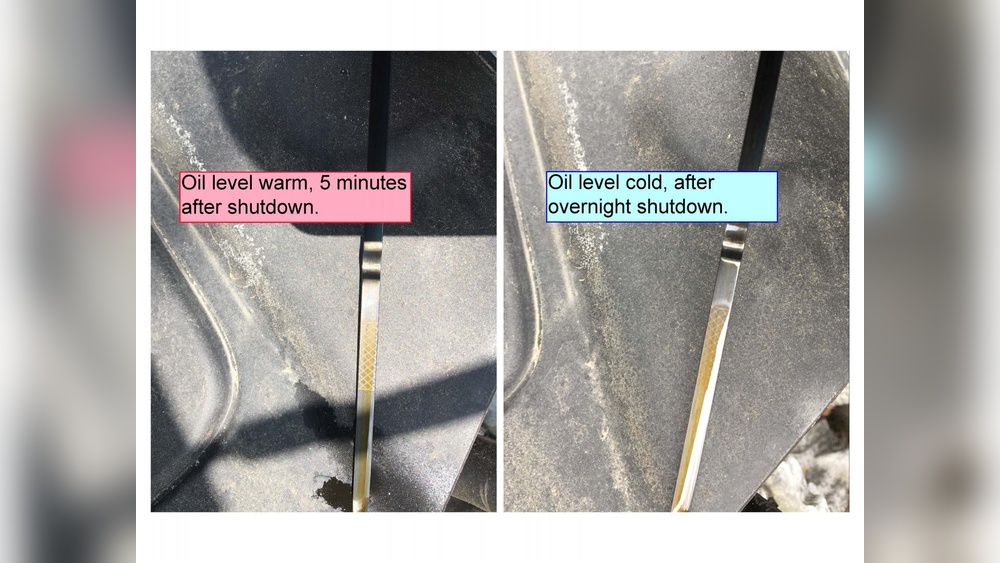
Here’s a quick comparison of Jeep Renegade engine types and dipstick locations:
| Engine Type | Dipstick Handle Color | Position |
|---|---|---|
| 1.3L Turbo | Yellow | Front left |
| 2.4L Tigershark | Orange | Center front |
| Diesel (Europe) | Yellow | Front right |
If you can’t find it, check your owner’s manual for a diagram.
Step-by-step: How To Read The Dipstick
- Park on a Level Surface: Always check oil when the car is cool and parked flat.
- Turn Off the Engine: Wait at least 5-10 minutes after shutting off the engine. This lets oil settle in the pan.
- Open the Hood: Pull the hood release lever and secure the hood.
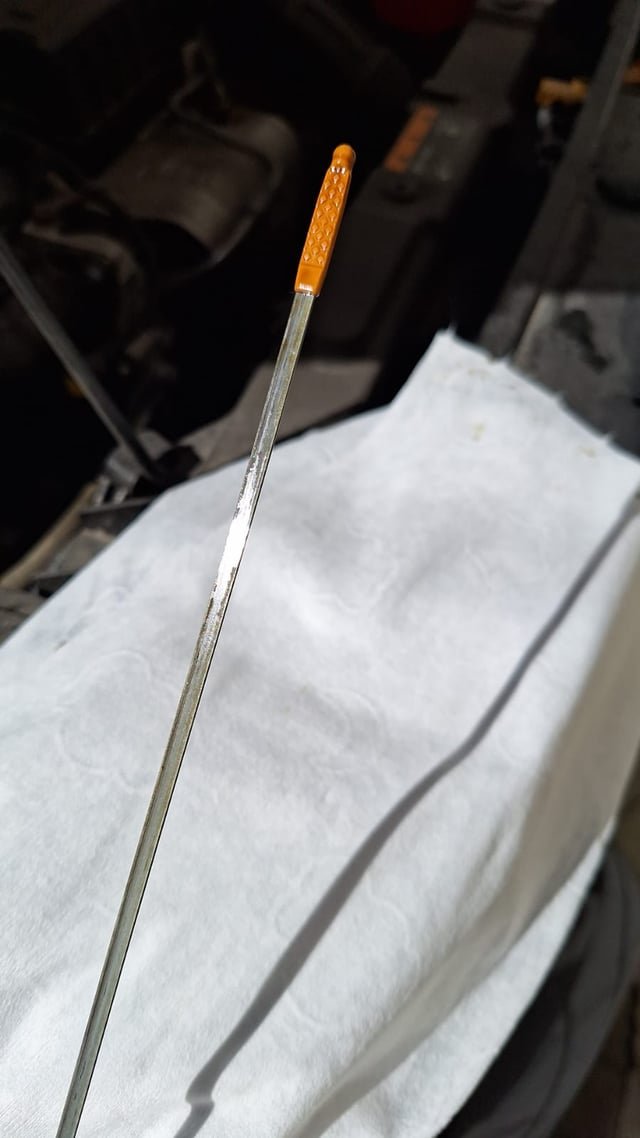
- Locate and Remove the Dipstick: Pull the dipstick out. Wipe it clean with a paper towel or rag.
- Reinsert Fully: Push the dipstick all the way back in until it clicks or stops.
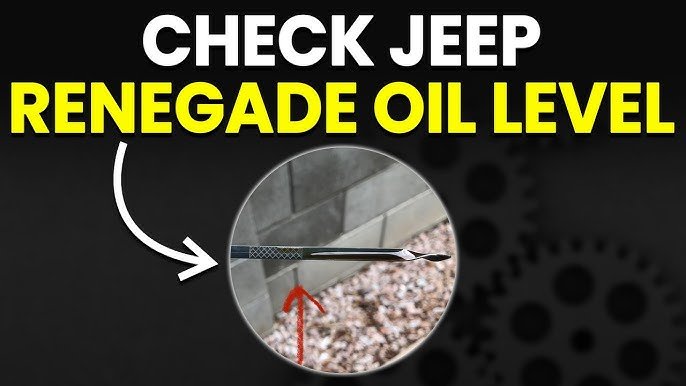
- Remove and Read: Pull the dipstick out again. Hold it horizontally and look at the tip.
You’ll see two marks—MIN and MAX or two dots/lines. The oil film should be between them.
What The Readings Mean
- Below MIN: Add oil immediately.
- Between MIN and MAX: Safe to drive.
- At or above MAX: Too much oil—remove some to avoid engine problems.
Here’s a simple chart for reference:
| Dipstick Reading | Action Needed |
|---|---|
| Below MIN mark | Add oil as soon as possible |
| Between MIN and MAX | No action needed |
| Above MAX mark | Remove excess oil |
Checking Oil Condition
The color and texture of your oil tell you a lot. Fresh oil is amber and clear.
Old or dirty oil looks dark or gritty. Rub a bit between your fingers if it feels rough, it’s time for a change.
| Oil Color | Condition | What to Do |
|---|---|---|
| Amber, clear | Good | No action |
| Dark brown, smooth | Fair | Change soon |
| Black, gritty | Poor | Change now |
| Milky or foamy | Possible coolant leak | See mechanic |
Non-obvious insight: If you see bubbles or milky oil, it might mean a coolant leak. This is serious—get it checked right away.
Tips For Accurate Dipstick Reading
- Wait for Oil to Settle: Reading too soon after driving gives a false high reading.
- Use a Clean Rag: Dirt can hide the oil line.
- Check Regularly: Once a month is a good habit, or before long trips.
- Track Oil Usage: If you’re adding oil often, your engine may have a leak or burn oil.
Beginners often miss: Engine oil expands when hot. That’s why checking after the engine cools is important.
Common Mistakes To Avoid
- Checking on a Slope: This can make your oil level look higher or lower than it is.
- Not Inserting Dipstick Fully: Always push it all the way in for a correct reading.
- Forgetting to Wipe First: The first reading is always wrong—wipe, then measure again.
- Adding Wrong Oil Type: Use the oil grade specified in your manual.
When To Add Or Change Oil
If your oil is at or below the MIN mark, add oil before driving. Use the type and amount recommended for your engine. If the oil is dark and gritty, schedule an oil change soon. Never drive with oil below the safe range.
Most Jeep Renegade engines need oil changes every 5,000 to 7,500 miles. Driving in dusty or hot areas means you might need more frequent changes. Always check your owner’s manual for your model’s needs.
For more details on oil maintenance, visit the official Jeep maintenance page.
Frequently Asked Questions
How Often Should I Check My Jeep Renegade Dipstick?
Check your oil at least once a month. If you notice leaks, engine noise, or are about to take a long trip, check more often.
What If The Dipstick Is Hard To Read?
Sometimes oil is hard to see, especially if it’s clean. Use good lighting and tilt the dipstick.
If it’s still unclear, check again after a short drive and cooling period.
Can I Use Any Oil To Top Up My Engine?
No. Always use the oil type and viscosity recommended in your Jeep’s manual.
Wrong oil can reduce engine life or cause damage.
What Does It Mean If The Oil Looks Milky?
Milky oil usually means coolant is mixing with the oil, often from a head gasket leak. This is a serious issue get your vehicle checked by a mechanic.
How Do I Know If I Added Too Much Oil?
If the oil is above the MAX mark, you’ve added too much. Too much oil can cause leaks or damage. Remove some oil or have your mechanic do it.
Reading your Jeep Renegade dipstick is simple but vital. It’s the first step in keeping your engine healthy.
With regular checks, you’ll spot problems early and avoid costly repairs. Make dipstick checks a habit it’s quick, easy, and gives peace of mind every time you drive.