Putting the soft top back on a Jeep Wrangler can be tricky if you haven’t done it before. Many owners struggle with tight fabric, confusing latches, and awkward angles.
But with the right steps—and a few smart tips—it’s much easier than you think. Whether you’re switching from hardtop to soft top for summer or just reattaching after cleaning, this guide will help you do it quickly and safely.
Understanding Your Jeep Wrangler Soft Top
The Jeep Wrangler soft top consists of several parts: the main fabric, side windows, rear window, and frame. Most models from 1997 to present use a similar system, but newer Wranglers (like the JL and JK series) have refined latches and easier-to-use rails. Knowing your model helps avoid mistakes.
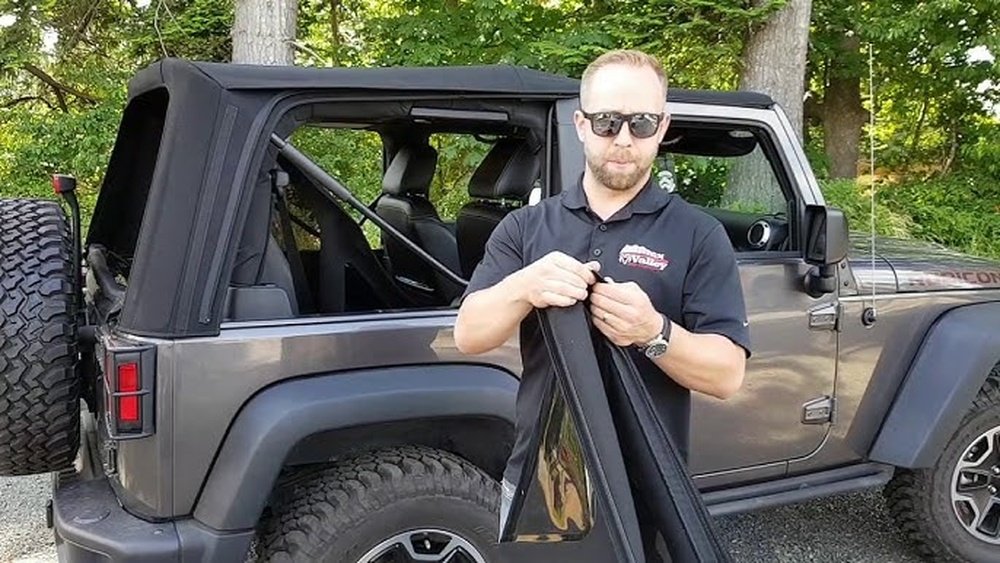
Here’s a quick comparison between different Wrangler generations and their soft top systems:
| Model Year | Top Mechanism | Ease of Installation |
|---|---|---|
| 1997–2006 (TJ) | Manual Latch | Moderate |
| 2007–2018 (JK) | Quick Release | Easy |
| 2018–present (JL) | Tool-Free Latch | Very Easy |
If you aren’t sure about your model, check your owner’s manual or look for a label inside the door. The process is similar for all types, but some details may change.
Preparation: What You Need
Before you start, gather these items:
- The soft top fabric and windows
- All frame hardware (bows, rails, door surrounds)
- A clean, dry area
- Optional: A friend to help (especially with older models)
Check the fabric for tears and clean it to prevent dirt from getting trapped. If the soft top is new or stored for a long time, let it warm in the sun for 20-30 minutes. This makes the material more flexible.
Here’s a quick checklist for readiness:
| Item | Importance | Notes |
|---|---|---|
| Soft top fabric | Essential | Check for damage |
| Frame hardware | Essential | Count pieces |
| Clean space | Important | Prevents scratches |
| Helper | Optional | Makes process easier |
Many beginners forget to check for missing clips or screws. This is a common mistake and can lead to loose fitting or leaks.

Step-by-step Guide: Installing The Soft Top
Follow these steps for a smooth installation:
- Remove Hardtop (if installed): Unscrew and lift off the hardtop. Store it safely.
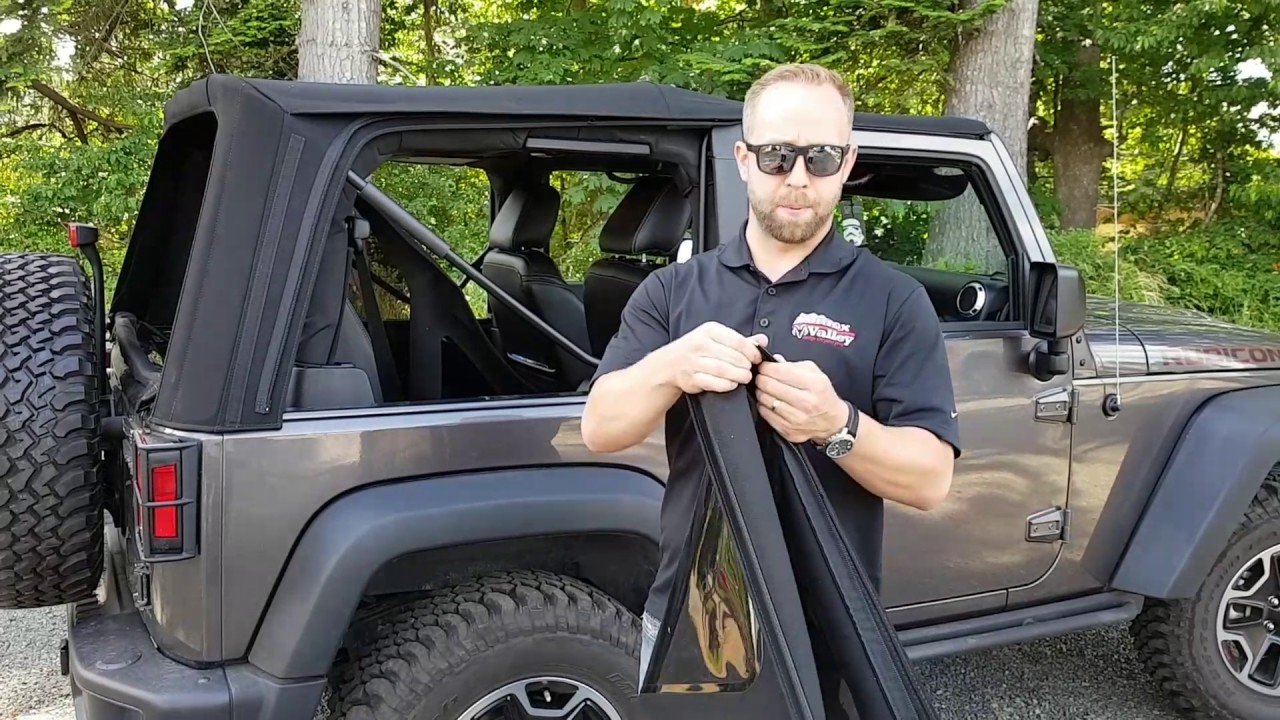
- Install Door Surrounds: Attach the plastic surrounds above each door. These are key for sealing and securing the soft top.
- Attach Rear Bows: Place the metal bows onto their mounting points behind the back seats.
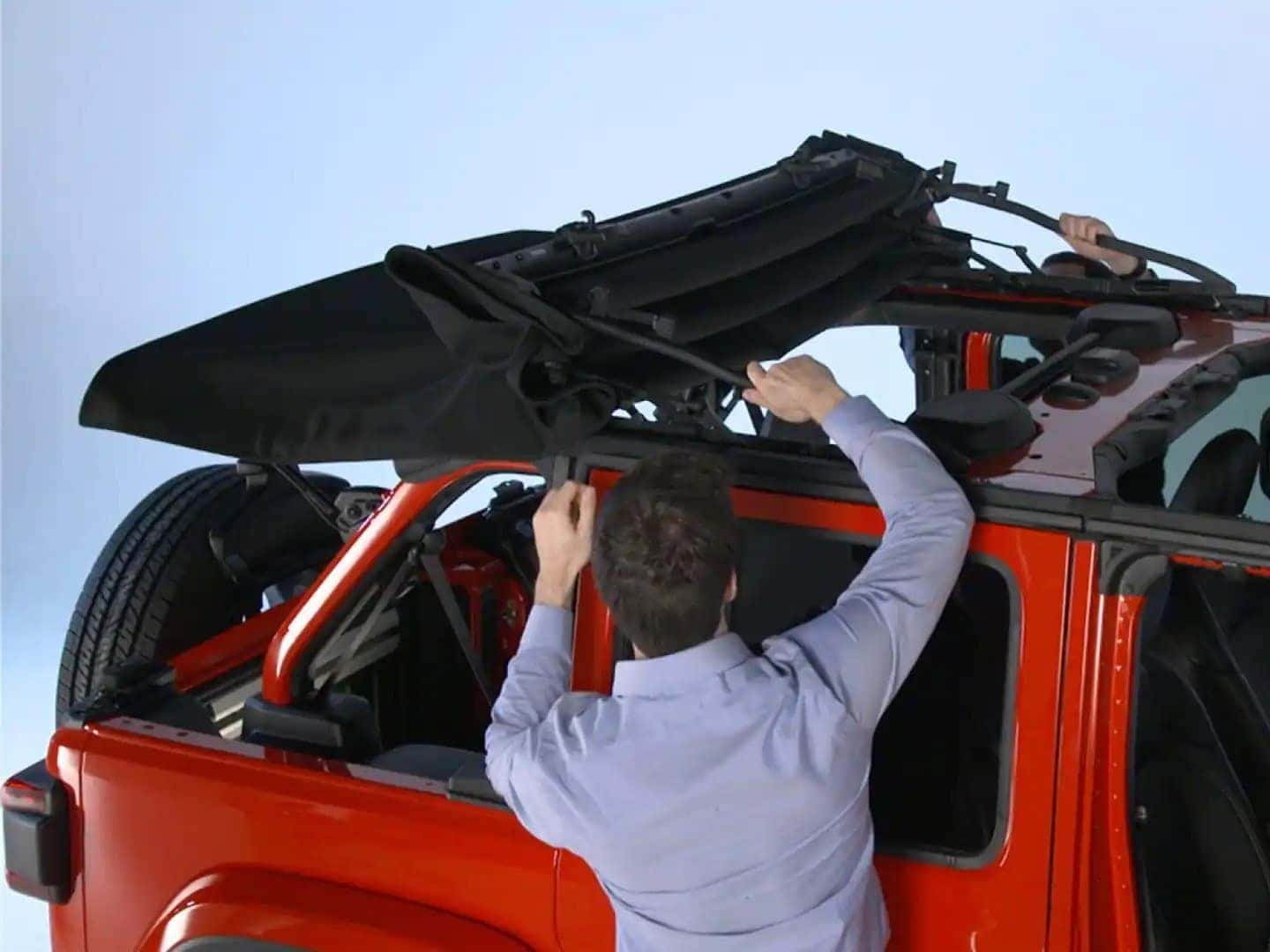
- Align Front Rail: Set the front rail above the windshield. Snap or latch it into place. Some models use a clamp, others a push-in latch.
- Spread Soft Top Fabric: Drape the fabric over the frame. Make sure it’s centered and not twisted.
- Secure Side Windows: Zip in the side windows. Pull the zippers firmly but gently—forcing them can cause damage.
- Install Rear Window: Slide the rear window into its channel and zip it shut. Check for a tight seal.
- Fasten Velcro and Snaps: Attach all Velcro strips and snap buttons around the edges.
- Check Tension: Make sure the top is tight but not overstretched. Wrinkles mean it’s too loose; excessive force means it’s too tight.
- Inspect for Gaps: Walk around and look for any gaps or loose areas. Adjust as needed.
Most users overlook step 2 and end up with leaks around the doors. Always double-check door surrounds they prevent water from entering.
Practical Tips For A Smooth Installation
- Warm the soft top in sunlight before installation. Cold fabric is stiff and hard to stretch.
- Zip windows slowly. If they stick, use a silicone lubricant (never oil).
- Never force snaps or latches; gentle pressure is best.
- If you’re alone, use a step stool to reach the windshield rail.
- For older models, check for rust on frame hardware before starting.
One non-obvious insight: If your soft top is very tight, install the rear window last. This lets the fabric relax and makes zipping easier.
Another useful tip: For long-term use, apply a water repellent spray to the fabric. It keeps your Jeep dry during rain and extends the soft top’s life.
Here’s a quick comparison of soft top vs hardtop for Jeeps:
| Feature | Soft Top | Hardtop |
|---|---|---|
| Weight | Light | Heavy |
| Ease of Removal | Quick | Slow |
| Weather Protection | Moderate | High |
| Storage | Easy | Requires space |
Common Mistakes And How To Avoid Them
- Skipping door surrounds: Causes water leaks.
- Overstretching fabric: Leads to tears or broken zippers.
- Forgetting to check hardware: Missing parts make the top unstable.
- Not warming up fabric: Makes installation much harder.
Always double-check each step. Take your time, especially if it’s your first attempt.
Caring For Your Jeep Wrangler Soft Top
After installation, regular care keeps your soft top looking new and functioning well.
- Clean with mild soap and water—never harsh chemicals.
- Dry thoroughly before folding or storing.
- Inspect zippers and snaps monthly.
- Apply a UV protectant to prevent sun damage.
If you want more tips or official guidance, visit the Jeep Official Site.
Frequently Asked Questions
How Long Does It Take To Put The Soft Top On A Jeep Wrangler?
Most people need 30 45 minutes for the first time. With practice, it can take as little as 15 20 minutes.
Can I Install The Soft Top Alone?
Yes, but having a helper makes it faster and easier, especially for aligning the fabric and windows.
What’s The Best Way To Clean The Soft Top?
Use mild soap and warm water. Avoid bleach, alcohol, or abrasive brushes.
For stubborn stains, use a soft cloth and gentle pressure.
Will The Soft Top Leak In The Rain?
If installed correctly, the soft top should not leak. However, missing door surrounds or poorly sealed windows can cause leaks.
Is It Safe To Drive With The Soft Top In Winter?
Yes, but the soft top offers less insulation than a hardtop. For cold climates, consider using a hardtop or adding extra thermal liners.
Putting the soft top on a Jeep Wrangler is a skill every owner should learn. With careful preparation, the right tools, and the steps above, you’ll enjoy the freedom and flexibility that makes Jeep life special.
Remember to care for your soft top, avoid common mistakes, and enjoy the open road rain or shine.