Getting the most from your Jeep Wrangler means knowing how to use its 4 wheel drive system correctly. Many drivers are unsure how and when to engage 4 wheel drive, especially if they are new to off-roading or driving in tough conditions.
Switching your Wrangler into 4 wheel drive is simple, but it’s important to follow the right steps for your specific model and driving situation.
This guide will walk you through the four main methods—4H (4 High), 4L (4 Low), Automatic 4WD, and Manual Transfer Case—so you can confidently handle mud, snow, rocks, or slippery roads. We’ll also share practical advice, common mistakes, and useful data to help you get the best performance while protecting your vehicle.
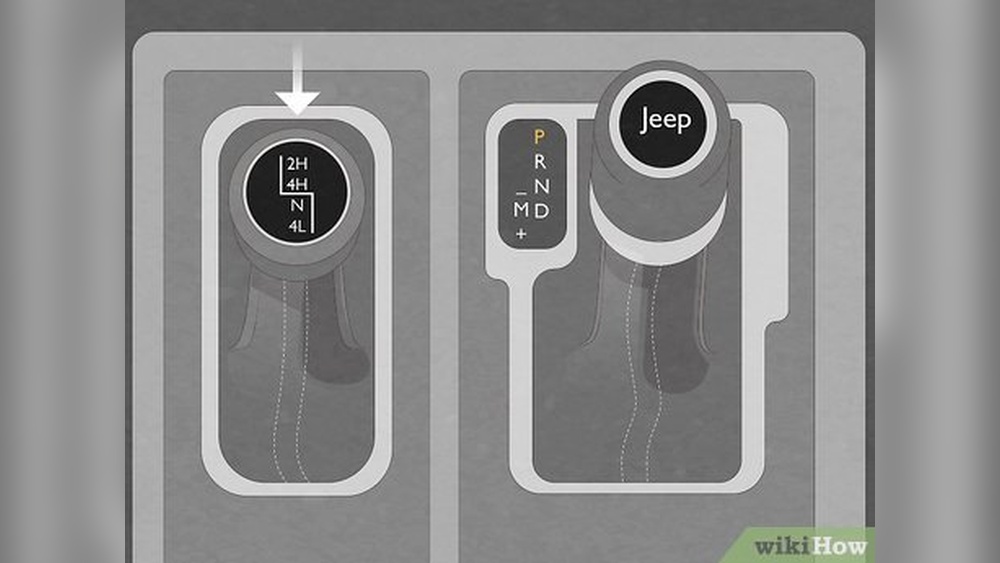
Understanding Jeep Wrangler 4 Wheel Drive Modes
Before you start, it’s helpful to understand the different 4 wheel drive modes. Most Jeep Wranglers offer 4H (4 High) and 4L (4 Low). Some newer models also have Automatic 4WD and Manual Transfer Case systems. Each mode serves a specific purpose and works best in certain conditions.
| Mode | Best Use | Speed Range |
|---|---|---|
| 4H (4 High) | Snow, mud, sand | Up to 55 mph |
| 4L (4 Low) | Rocks, deep mud, steep hills | Up to 15 mph |
| Automatic 4WD | Mixed conditions | Up to 60 mph |
| Manual Transfer Case | Driver-controlled | Varies by mode |
How To Put Jeep Wrangler Into 4 Wheel Drive
Let’s look at each method in detail. Always check your owner’s manual for your exact model, as there can be small differences.
1. Using 4h (4 High)
4H is the most common mode for everyday off-road driving or slippery roads.
Steps:
- Slow down to under 55 mph.
- Make sure your Wrangler is in neutral or drive (for automatic transmissions).
- Pull the transfer case lever from 2H to 4H. You can do this while moving, as long as you’re not accelerating hard.
- Watch for the 4H indicator light on your dashboard.
Tips:
- Use 4H for snow, sand, or mud.
- Avoid sharp turns on dry pavement; it can damage the drivetrain.
- Many drivers forget to return to 2H when conditions improve, causing extra wear.
2. Using 4l (4 Low)
4L provides maximum torque for tough situations. It’s not for normal driving.
Steps:
- Stop the vehicle completely.
- Shift the transmission to neutral.
- Firmly pull the transfer case lever from 4H or 2H to 4L.
- Wait for the 4L indicator light.
Tips:
- Use 4L for steep hills, deep mud, or rock crawling.
- Never use 4L above 15 mph.
- Some drivers try to shift into 4L while moving—this can seriously damage the system.
3. Automatic 4wd System
Newer Wrangler models (like the JL Rubicon) sometimes include Automatic 4WD. The system switches between 2WD and 4WD as needed.
Steps:
- Locate the Auto setting on your transfer case dial or lever.
- Select Auto. The system will monitor traction and adjust automatically.
Tips:
- Great for changing weather or road conditions.
- You don’t need to shift manually.
- Some drivers assume Auto is always best, but in deep mud or rocks, manual modes are safer.
4. Manual Transfer Case
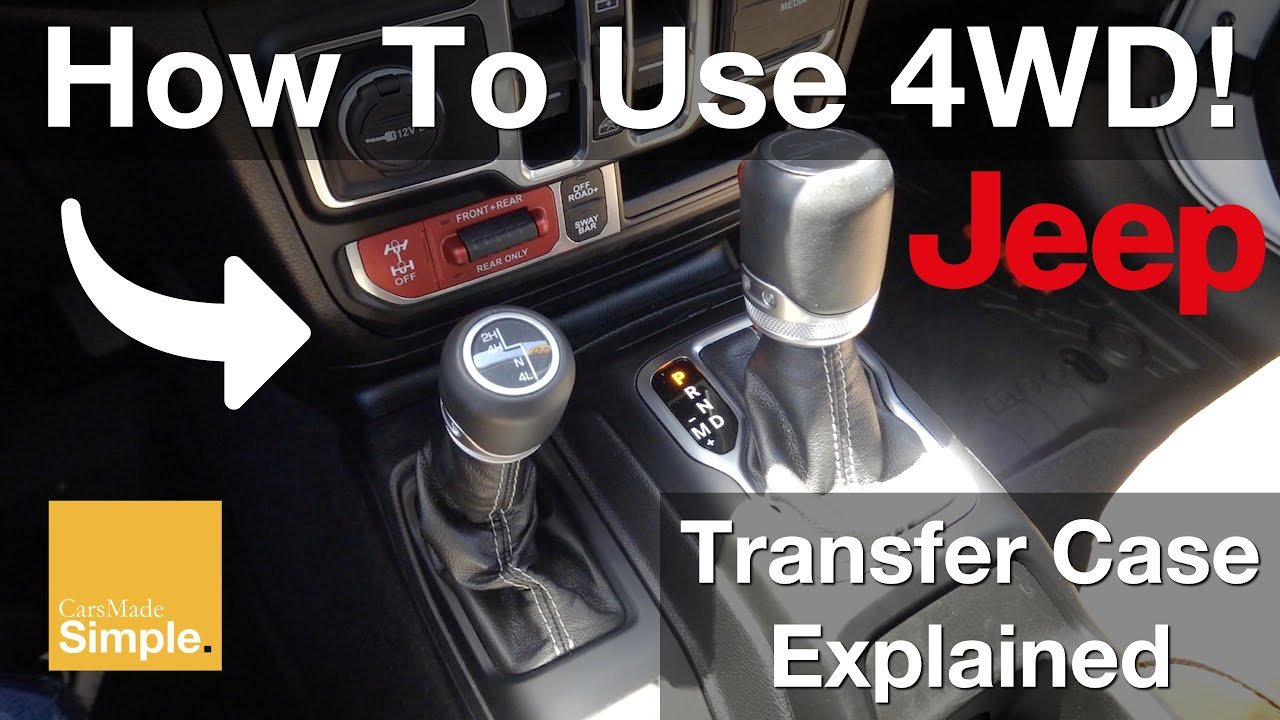
Most Wranglers use a manual transfer case for 4WD control. You move the lever yourself.
Steps:
- Identify the transfer case lever, usually next to the gear shift.
- Follow instructions for 4H or 4L as above.
- Move the lever smoothly—don’t force it.
Tips:
- Manual control gives you flexibility.
- Forcing the lever can break internal parts.
- If the lever sticks, try gently rocking the vehicle.
| Model Year | Transfer Case Type | 4WD Modes |
|---|---|---|
| 2010-2017 | Manual | 2H, 4H, 4L |
| 2018-2024 | Manual/Automatic | 2H, 4H, 4L, Auto |
Key Differences And Practical Advice
Switching between 4WD modes is easy, but there are important differences.
- 4H can be engaged at speed, but 4L requires a full stop.
- Automatic 4WD is best for mixed conditions, but manual modes give better control off-road.
- For manual transfer cases, always shift slowly and avoid forcing the lever.
Many beginners overlook tire pressure. Lowering tire pressure helps traction off-road, but remember to inflate tires before highway driving.
Also, regular maintenance of the transfer case fluid is important. Neglecting this can lead to costly repairs.
| Mode | When to Use | Common Mistake |
|---|---|---|
| 4H | Slippery roads | Leaving on dry pavement |
| 4L | Extreme off-road | Shifting while moving |
| Auto | Changing conditions | Using in deep mud/rocks |
| Manual | Full control | Forcing lever |
Common Mistakes Beginners Make
Many new Jeep owners make simple errors when using 4WD:
- Shifting into 4L while moving.
- Driving in 4H on dry pavement.
- Forgetting to return to 2H after conditions improve.
- Ignoring transfer case maintenance.
One less-known tip: If you hear grinding or feel resistance when shifting, wait a few seconds, or gently roll the Jeep back and forth. This often helps the gears mesh smoothly.

Frequently Asked Questions
What Is The Difference Between 4h And 4l?
4H (4 High) is for regular slippery conditions like snow or mud. 4L (4 Low) is for extreme situations, such as climbing rocks or deep mud. 4L gives more power but is slower.
Can I Shift Into 4h While Driving?
Yes, you can shift into 4H while moving, as long as your speed is below 55 mph and you are not accelerating hard.
Should I Use 4wd All The Time?
No. Only use 4WD when roads are slippery or you need extra traction. Driving in 4WD on dry pavement can damage the system and wear tires quickly.
How Do I Know If 4wd Is Engaged?
Look for the indicator light on your dashboard. Also, you may notice improved traction and slightly heavier steering.
Is Tire Pressure Important For Off-roading?
Yes. Lowering tire pressure improves traction in mud, sand, or rocks. Remember to inflate tires again before highway driving.
Putting your Jeep Wrangler into 4 wheel drive is straightforward with the right steps and understanding. By choosing the correct mode for your conditions and avoiding common mistakes, you’ll enjoy safer, more capable driving. For more details on specific Jeep Wrangler models and their 4WD systems, visit Jeep’s official site. Always check your owner’s manual before trying something new, and keep your vehicle maintained for years of adventure.