When the road turns rough or the trail gets muddy, knowing how to put your Jeep TJ in 4WD is essential. The Jeep TJ, made from 1997 to 2006, is famous for its strong off-road abilities. But if you are new to this vehicle or four-wheel drive systems, it can feel confusing. This guide explains the process step by step in simple terms, so you feel confident on your next adventure.
Understanding Jeep Tj 4wd Systems
The Jeep TJ comes with a part-time 4WD system, which means you use four-wheel drive only when you need extra traction. Most TJ models use the Command-Trac NV231 transfer case. This system has a lever next to the gear shifter that lets you switch between 2WD and 4WD.
Here are the main transfer case positions:
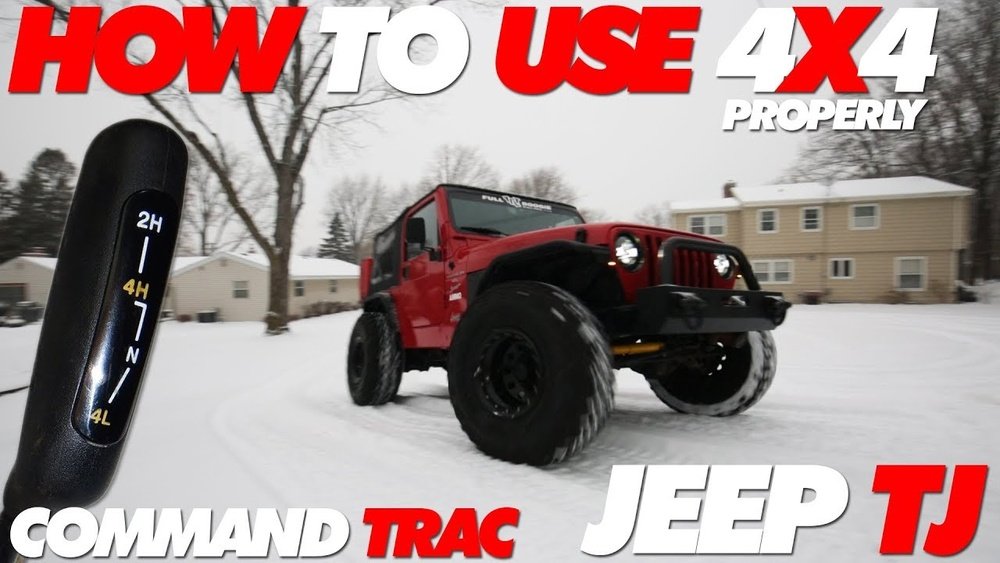
- 2H (2 High) – Normal driving, rear wheels only.
- 4H (4 High) – Light off-road or slippery conditions, all wheels powered.
- N (Neutral) – Disconnects the transmission from the wheels.
- 4L (4 Low) – Tough off-road, slow speed, maximum power to all wheels.
Not knowing these modes can lead to mistakes. For example, driving in 4WD on dry pavement can damage your drivetrain.
Steps To Put Jeep Tj In 4wd
Switching your Jeep TJ into four-wheel drive is usually simple, but doing it correctly avoids mechanical problems. Follow these steps for both 4H and 4L.
Engaging 4h (4 High)
- Slow Down: Make sure your speed is below 45 mph.
- Shift the Lever: While driving straight, take your foot off the gas and gently pull the transfer case lever from 2H to 4H.
- Feel the Change: You may hear a click or feel the lever settle into position.
- Check the Light: The 4WD indicator on the dashboard should turn on.
You can shift into 4H “on the fly,” which means you do not need to stop the vehicle.
Engaging 4l (4 Low)
- Stop the Vehicle: Bring the Jeep to a complete stop.
- Shift to Neutral: Put your main gear shift in Neutral (N).
- Move the Lever: Firmly pull the transfer case lever from 4H to 4L in one smooth motion.
- Return to Drive: Move the gear shift back to Drive or 1st gear (manual).
- Test Movement: Gently press the gas to ensure the Jeep moves forward slowly.
Never shift to 4L while moving, as this can damage the transfer case.
Returning To 2h
- For 4H to 2H, you can shift while moving slowly.
- For 4L to 2H, stop the vehicle, shift to Neutral, then move the lever back to 2H.
When Should You Use 4wd?
You should only use 4WD when needed. Using it on dry pavement is a common mistake. Here’s a quick guide:
| Condition | Recommended Mode |
|---|---|
| Dry Pavement | 2H |
| Wet/Gravel Roads | 4H |
| Deep Mud/Sand | 4L |
| Steep Hills | 4L |
4WD increases traction but can stress the drivetrain if used in the wrong conditions.
Common Mistakes And How To Avoid Them
Many new Jeep owners make errors that can lead to expensive repairs. Here are the most frequent mistakes:
- Engaging 4L While Moving: Always stop before shifting to 4L.
- Turning Sharply in 4WD: Can cause tire binding and stress the axles.
- Driving in 4WD on Dry Roads: Leads to premature wear on the transfer case.
- Not Returning to 2H: After off-roading, switch back to 2H for normal driving.
A less obvious tip: If you hear loud clunks or grinding, stop and double-check your transfer case lever position. For more details on Jeep 4WD systems, see the official Jeep 4×4 Systems guide.

Troubleshooting 4wd Engagement
Sometimes, your Jeep TJ may not shift into 4WD smoothly. Here’s what to check:
| Symptom | Possible Cause | Solution |
|---|---|---|
| Lever Hard to Move | Rust or dirt | Lubricate linkage |
| No 4WD Light | Blown fuse/sensor | Check wiring/fuses |
| Grinding Noise | Shifting at wrong speed | Stop and shift correctly |
If basic fixes do not work, have a mechanic check your transfer case.
Practical Tips For Jeep Tj Owners
- Practice in a Safe Place: Try switching between 2H, 4H, and 4L in a parking lot before heading off-road.
- Use 4WD Regularly: Engage 4WD every month for a few minutes to keep parts moving well.
- Check the Owner’s Manual: Each year/model might have small differences.
- Inspect the Transfer Case Linkage: Dirt and rust can stop smooth movement.
- Know Your Limits: 4WD helps with traction, not with braking or cornering. Drive carefully.

How 4wd Affects Your Jeep
Switching to 4WD changes how your Jeep handles. Steering may feel heavier, and turning can be harder. Fuel use will increase because all four wheels are powered. Always return to 2H on dry, paved roads to avoid drivetrain damage.
Here’s a quick comparison of 2H, 4H, and 4L:
| Mode | Speed Range | Traction Level | Best For |
|---|---|---|---|
| 2H | All speeds | Low | Daily driving |
| 4H | Up to 45 mph | Medium | Rain, snow, sand |
| 4L | Up to 25 mph | High | Rock crawling, deep mud |
Frequently Asked Questions
How Do I Know If My Jeep Tj Is In 4wd?
Look for the 4WD indicator light on your dashboard. You may also feel the Jeep handle differently, especially at slow speeds or when turning.
Can I Shift Into 4h While Driving?
Yes, you can shift from 2H to 4H while moving, as long as your speed is below 45 mph. Always let off the gas pedal during the shift.
Why Is My Jeep Tj Not Going Into 4wd?
Possible reasons include a stuck lever, worn linkage, or electrical issues. Try shifting gently, and check for dashboard warning lights. If problems continue, see a mechanic.
Is It Safe To Use 4wd On The Highway?
No, 4WD is not for dry pavement or highway speeds. It can damage your drivetrain and make handling unsafe. Use 2H for highway driving.
What Should I Do If I Hear Grinding When Shifting?
Stop the vehicle, put the transmission in Neutral, and try shifting again. Grinding means the gears are not aligned. Do not force the lever.
Getting the most from your Jeep TJ’s 4WD system is easy with the right steps. Practice makes perfect, so spend a little time learning in a safe area. Soon, you’ll be ready for any road or trail ahead.


















