Putting your Jeep Grand Cherokee in neutral might sound simple, but it’s a common source of confusion—especially if your battery is dead or your vehicle won’t start.
Whether you need to move your Jeep onto a tow truck, out of a tight spot, or through a car wash, knowing how to shift into neutral safely can save time and prevent damage. This guide explains the process for both standard and emergency situations, with easy steps for various model years.
You’ll also learn some important tips that most owners miss, and see how the procedure compares to other vehicles.
Understanding The Neutral Gear In Your Jeep Grand Cherokee
The neutral gear disconnects the engine from the wheels. This means the vehicle can roll freely, but won’t move under its own power. Neutral is essential for towing, pushing the car, or certain repairs. However, each Jeep Grand Cherokee model may have unique steps to reach neutral, especially newer models with electronic shifters.
Here’s a quick comparison of shifter types by model year:
| Model Year | Shifter Type | Neutral Access |
|---|---|---|
| 2011-2013 | Traditional Lever | Mechanical |
| 2014-2022 | Electronic Rotary | Electronic & Manual Override |
| 2023+ | Updated Electronic | Electronic, Advanced Override |
How To Put Your Jeep Grand Cherokee In Neutral (standard Method)
If your Grand Cherokee is running and everything works normally, shifting into neutral is straightforward. Here’s how:
- Start the engine and keep your foot on the brake.
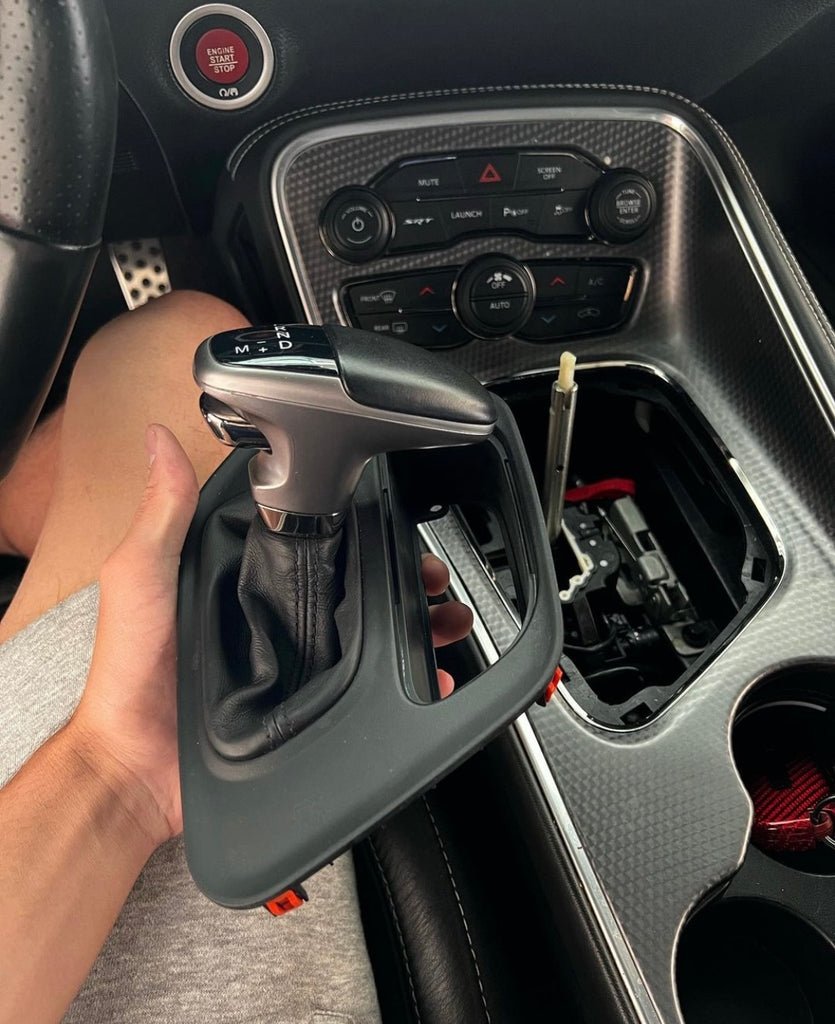
- Locate the gear shifter. This may be a traditional lever or a rotary dial, depending on your model.
- Press the brake pedal firmly.
- Move the shifter to “N” (Neutral). For rotary dials, turn it until the “N” light is illuminated.
For most drivers, this process takes just a few seconds. If you’re in a car wash, always follow their specific instructions as some require the engine to stay on, while others may ask you to turn it off after shifting to neutral.

What If Your Jeep Won’t Start? Using The Neutral Override
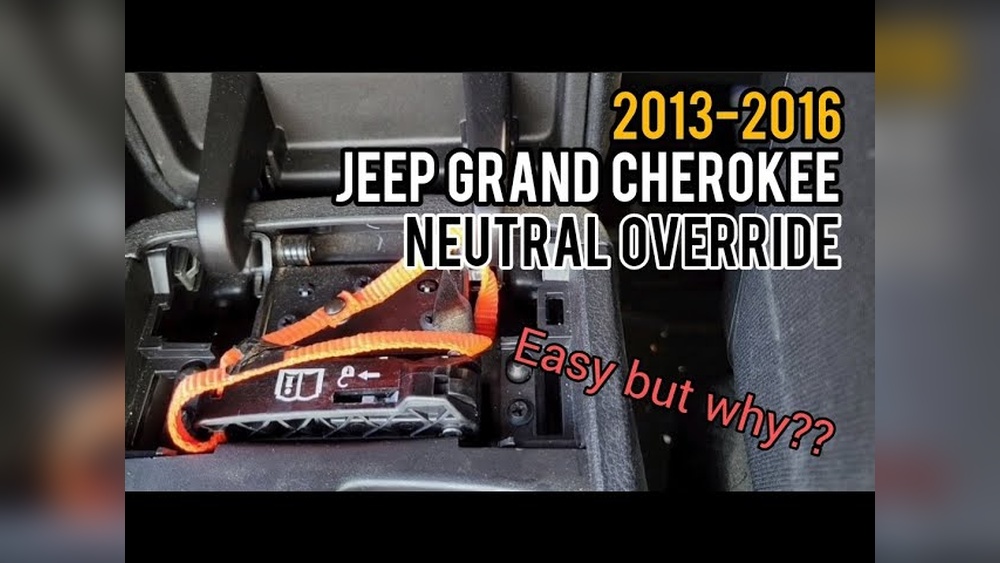
Sometimes, you might need to move your Jeep but the battery is dead or the engine won’t start. In these cases, you need to use the neutral override. This manual process lets you shift into neutral even if the electronics are not working.
Steps For Most 2014-2022 Models
- Engage the parking brake to prevent rolling.
- Open the center console.
- Find the override slot—usually near the shifter or under a small access panel.
- Insert a screwdriver or the vehicle’s key into the slot. Push firmly.
- Move the shifter into “N” (Neutral) while holding the override.
For older models (2011 2013), the override may involve a small lever near the base of the shifter. Always check your owner’s manual for the exact location.
Here’s a simple comparison of override methods:
| Model Year | Override Location | Tool Needed |
|---|---|---|
| 2011-2013 | Near shifter base | None/Key |
| 2014-2022 | Center console slot | Screwdriver/Key |
| 2023+ | Hidden panel (console) | Flat tool |
Important: Never force the shifter. If it won’t move, double-check you’re using the right override slot and tool.
Tips Most Owners Miss
Many Jeep owners forget two critical points:
- Disengage the parking brake before moving the Jeep after shifting to neutral. If you leave it on, you could damage the brake system.
- Use wheel chocks or blocks if you’re on a slope. In neutral, the vehicle can roll away easily, which is dangerous.
Another common mistake is not checking if the vehicle is in 4WD Low. Some Grand Cherokees won’t allow you to shift into neutral if the transfer case is in a certain position. Always move the transfer case to “Neutral” or “4WD High” if you have trouble.
When Should You Use Neutral?
Putting your Jeep Grand Cherokee in neutral is appropriate when:
- Towing the vehicle (especially flat towing)
- Pushing the Jeep in a garage or parking lot
- Going through some automatic car washes
- During certain repairs or diagnostics
However, never coast downhill in neutral. This reduces control and can damage the transmission.
Here’s how the use of neutral in a Jeep compares to other common vehicles:
| Vehicle Type | Neutral Access with Dead Battery | Common Override Method |
|---|---|---|
| Jeep Grand Cherokee | Yes | Manual slot/lever |
| Honda CR-V | Yes | Override button near shifter |
| Ford Explorer | Yes | Hidden cable under console |
Safety Precautions
- Always keep your foot on the brake when shifting to neutral.
- Block the wheels if you’re working on a slope.
- Do not leave your Jeep unattended in neutral, especially in public places.
- If you’re unsure, consult the owner’s manual or contact a professional.

Frequently Asked Questions
Can I Put My Jeep Grand Cherokee In Neutral Without Starting It?
Yes. Use the neutral override method if the engine won’t start or if the battery is dead. Access the manual slot or lever as described above.
Is It Safe To Tow My Jeep In Neutral?
Flat towing is generally safe if the transfer case and transmission are set correctly. However, always check your owner’s manual for specific towing instructions to avoid transmission damage.
What If My Shifter Is Stuck And Won’t Move To Neutral?
Do not force the shifter. Check if the vehicle is in the correct gear and if you’re using the override properly.
If it remains stuck, professional help may be needed.
Can I Use Neutral To Save Fuel While Driving?
No. Shifting to neutral while driving is not recommended.
It reduces your control and can be dangerous, especially at higher speeds.
Where Can I Find The Official Override Instructions For My Model Year?
You can find official instructions in your Jeep Grand Cherokee owner’s manual or on the manufacturer’s website. For more technical details, visit Jeep Official Site.
Understanding how to put your Jeep Grand Cherokee in neutral gives you more control in emergencies or when routine situations arise. Always use the correct method for your model year, follow safety steps, and never hesitate to seek help if you’re unsure.
With these tips, you’ll keep yourself and your Jeep safe and ready for anything.