Many Jeep Cherokee owners notice their air conditioner is not as cold as before, especially after several summers. The likely reason? Your AC system may be low on refrigerant, commonly called Freon. Adding Freon to your 2014 Jeep Cherokee can restore cool air and comfort. While it sounds technical, the process is doable for most drivers with a few tools, some patience, and the right steps. Let’s walk through how to recharge your Jeep’s AC system safely, avoid common mistakes, and make sure your vehicle stays cool all season.
Safety First: What You Need To Know
Working with automotive AC systems is safe if you follow basic steps. Freon is under pressure and can cause injury if handled incorrectly. Always wear safety goggles and gloves. Make sure you work in a well-ventilated area, away from open flames or sparks—Freon is flammable. Never overfill the system, as too much refrigerant can damage your AC or engine.
Tools And Materials You’ll Need
Before starting, gather these items:
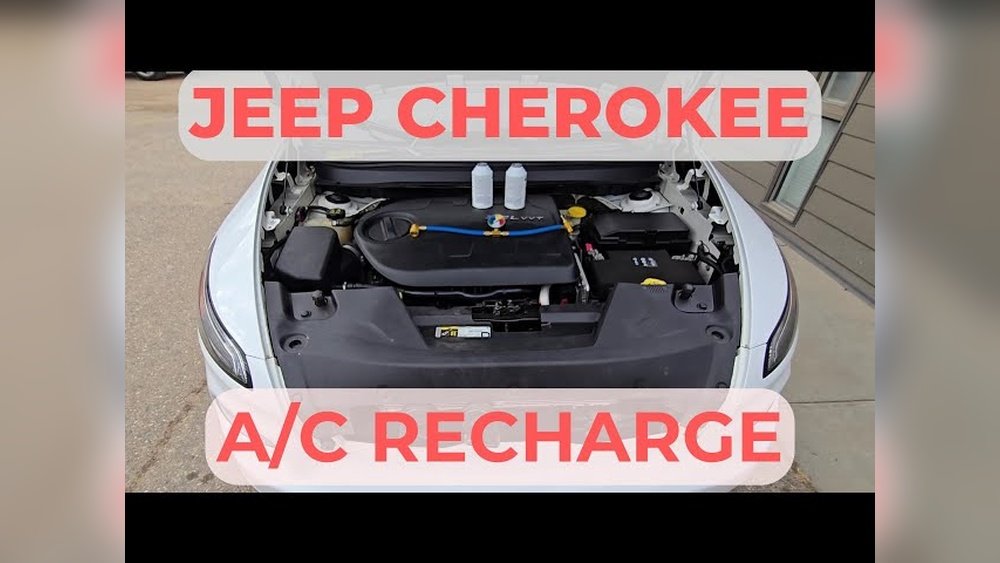
- R-134a refrigerant (the type used in 2014 Jeep Cherokees)
- AC recharge hose with a pressure gauge
- Safety glasses and gloves
- Clean rag or towel
Tip: Do not use other refrigerant types, as they may damage the system.
Step-by-step: How To Put Freon In A 2014 Jeep Cherokee
Step 1: Check System Pressure
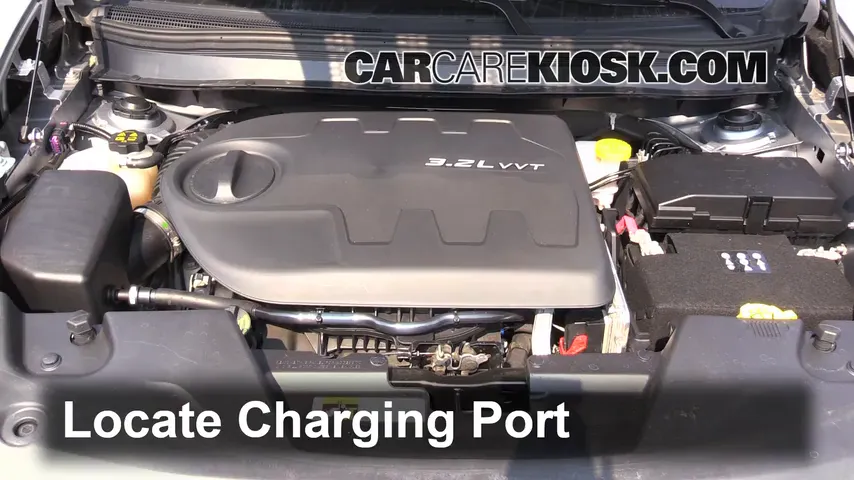
First, turn on your engine and set the AC to maximum cool with the highest fan speed. Open the hood and locate the low-pressure service port. On the 2014 Cherokee, this is usually near the passenger side firewall, on a larger AC line.
Attach the recharge hose’s connector to the low-pressure port. The gauge will show the current pressure.
If it reads below 25 psi, your system is low and needs Freon.
Step 2: Connect The Refrigerant
With the engine running and AC on, attach the can of R-134a refrigerant to the recharge hose. Hold the can upright to avoid adding liquid refrigerant, which can damage the system.
Step 3: Add Freon Slowly
Squeeze the trigger on the hose kit to release refrigerant into the system. Every few seconds, release the trigger and check the gauge. The target range is 30-40 psi. Do not go above this.
Insider tip: Adding too much too quickly can freeze lines or harm the compressor. Patience is key—add in short bursts.
Step 4: Monitor The Ac Performance
While charging, check the air coming from the vents. It should become cooler as the system fills.
If it does not, stop and check for leaks or other issues adding Freon will not fix mechanical problems.
Step 5: Finish And Remove The Hose
Once the gauge shows the correct pressure and the AC is cold, disconnect the hose. Replace the cap on the low-pressure port. Store leftover refrigerant in a safe place.
Important Details Most Diyers Miss
Many first-timers miss these two key points:
- Ambient temperature matters: AC system pressure changes with outside temperature. On a hot day (90°F+), a slightly higher pressure reading is normal.
- Leaking systems: If you need to recharge every few months, you have a leak. Freon should last years; frequent recharging is a sign to see a mechanic.

Data: R-134a Refrigerant Capacity And Pressure
Below is a quick reference for your 2014 Jeep Cherokee:
| Model Year | Refrigerant Type | Capacity (oz) | Optimal Pressure (psi) |
|---|---|---|---|
| 2014 | R-134a | 18-20 | 30-40 |
Signs Your Ac Needs More Freon
Watch for these symptoms:
- Air is not as cold as before
- AC clutch does not engage
- Hissing or bubbling noises from AC lines
- Visible frost on AC lines
If you notice any, it’s time to check your system.
Common Mistakes To Avoid
- Using the wrong port: Never connect to the high-pressure port; it can be dangerous.
- Overfilling: Too much Freon can break your compressor or cause leaks.
- Not checking for leaks: Recharging a leaking system wastes money and harms the environment.
- Ignoring safety: Freon can cause frostbite or breathing issues if mishandled.
Quick Comparison: Diy Vs. Professional Recharge
Here’s how doing it yourself compares to the shop:
| Method | Cost | Time Required | Risk Level |
|---|---|---|---|
| DIY | $30-$60 | 20-30 minutes | Moderate |
| Professional | $100-$200 | 1-2 hours | Low |
Expert Tips For Best Results
- Always use a quality gauge—cheap kits can be inaccurate.
- Recharge in the shade. Direct sunlight can skew pressure readings.
- Store leftover refrigerant upright, in a cool place, and out of children’s reach.
- If your AC smells bad after recharging, change the cabin air filter.
For more details on AC recharging and refrigerants, visit the official EPA guide on automotive AC systems.
Frequently Asked Questions
How Often Does A 2014 Jeep Cherokee Need Freon?
Under normal use, the AC system should not need frequent recharging. If you need Freon more than once every few years, your system may have a leak.
Can I Use A Different Refrigerant Than R-134a?
No, only use R-134a in your 2014 Jeep Cherokee. Using other types can damage your AC and is illegal in many states.
What If My Ac Still Doesn’t Work After Recharging?
If your AC still blows warm air, there may be a mechanical fault like a failed compressor or a major leak. It’s best to have a professional check the system.
Is It Safe To Add Freon Myself?
Yes, if you follow all safety instructions and use the correct tools. Always wear gloves and goggles, and work in a ventilated area.
How Do I Know If I Have Overfilled My Ac?
If the gauge shows pressure above 40 psi, or the AC stops cooling well, you may have overfilled. In this case, do not try to release Freon yourself visit a repair shop for safe removal.
Restoring your 2014 Jeep Cherokee’s AC can make summer drives much more comfortable. With the right tools, care, and attention to detail, you can add Freon safely and efficiently.
Just remember, if in doubt, professional help is always a smart choice.