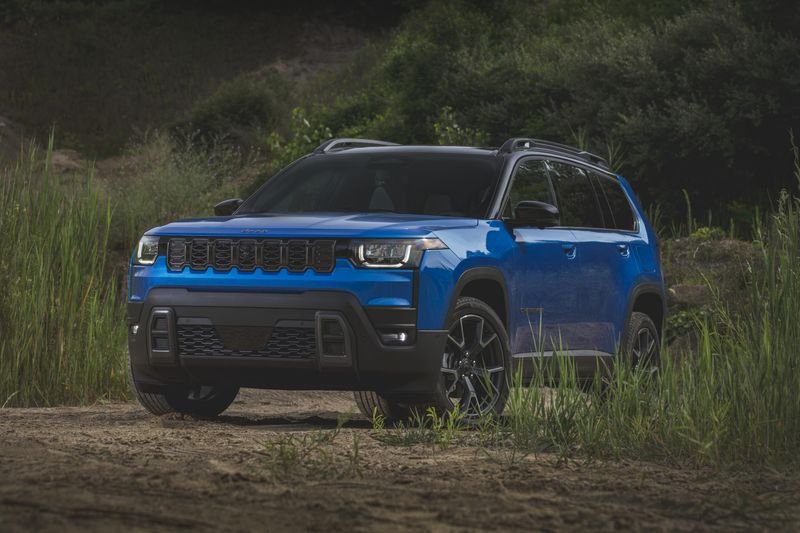
If you drive a Jeep Grand Cherokee, keeping your engine healthy is vital for smooth rides and fewer repairs. One task you can do yourself is adding antifreeze, also called coolant. This liquid helps your engine stay cool in summer and prevents freezing in winter. Many drivers feel nervous about working under the hood, but learning how to add antifreeze is simpler than most people think. With the right steps, some care, and a little patience, you can protect your engine and save money at the mechanic. Let’s look at how you can safely put antifreeze in your Jeep Grand Cherokee.
Why Antifreeze Matters In Your Jeep Grand Cherokee
Antifreeze is more than just colored liquid. It plays four key roles in your vehicle:
- Prevents Overheating: By raising the boiling point of water, antifreeze stops your engine from getting too hot.
- Protects Against Freezing: In cold weather, it keeps the coolant from freezing and damaging engine parts.
- Fights Corrosion: Chemicals in antifreeze protect metal parts from rust and wear.
- Lubricates Moving Parts: It helps water pumps and other parts move smoothly.
Without the right amount or type of antifreeze, your Grand Cherokee may overheat, freeze, or develop leaks and rust. Ignoring low coolant can cause expensive engine damage.

When To Add Or Replace Antifreeze
You don’t need to add antifreeze every week, but you should check it regularly. Here’s when to add or change it:
- Low Coolant Level: If the dashboard warning light comes on, or the coolant tank is below the “MIN” mark.
- Coolant Looks Dirty: If the liquid looks brown, rusty, or has debris inside.
- Jeep Overheating: If you notice the temperature gauge moving into the red zone.
- Regular Maintenance: Jeep recommends replacing coolant every 5 years or 100,000 miles, whichever comes first, but always check your owner’s manual.
Tip: Some drivers only check coolant before summer or winter. It’s smarter to check at least every few months.
What Type Of Antifreeze Does A Jeep Grand Cherokee Use?
Not all antifreeze is the same. Using the wrong type can harm your Jeep’s cooling system.
Most modern Jeep Grand Cherokees (2013 and newer) use OAT (Organic Additive Technology), often colored pink, orange, or purple. Older models may use HOAT (Hybrid OAT), which can be yellow or turquoise.
Here’s a comparison of common coolant types for the Jeep Grand Cherokee:
| Coolant Type | Color | Model Years | Recommended? |
|---|---|---|---|
| OAT | Pink/Purple/Orange | 2013–present | Yes |
| HOAT | Yellow/Orange/Blue | 2000–2012 | Check owner’s manual |
| IAT | Green | Before 2000 | No (not recommended) |
Tip: Always double-check your owner’s manual or the label on your coolant tank. Mixing different types can cause sludge and blockages.
Tools And Supplies You’ll Need
Before you start, get these items ready:
- Correct antifreeze (refer to the chart above)
- Distilled water (if your coolant is concentrate, not pre-mixed)
- Funnel (for easy pouring)
- Clean cloth or rag
- Gloves and eye protection
- Flashlight (if working in a dark area)
- Owner’s manual (for reference)
Insight: Pre-mixed antifreeze saves time and avoids mistakes. If you buy concentrate, mix it 50/50 with distilled water.
Safety Tips Before You Begin
Working with antifreeze is safe if you follow some basic rules:
- Never open a hot radiator cap. Wait until the engine is completely cool.
- Wear gloves and eye protection. Antifreeze is toxic and can irritate skin and eyes.
- Keep children and pets away. Antifreeze has a sweet smell but is very poisonous.
- Dispose of old coolant properly. Never pour it down drains.
Step-by-step Guide: Adding Antifreeze To A Jeep Grand Cherokee
Follow these steps to add or top up antifreeze:
1. Park And Cool Down
Make sure your Jeep is on a level surface. Turn off the engine and let it cool for at least 30 minutes. Opening a hot cooling system can spray boiling liquid and cause burns.
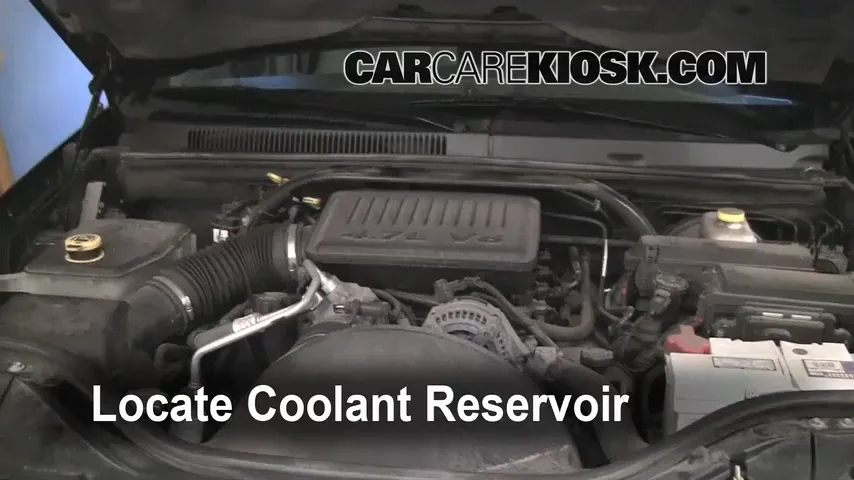
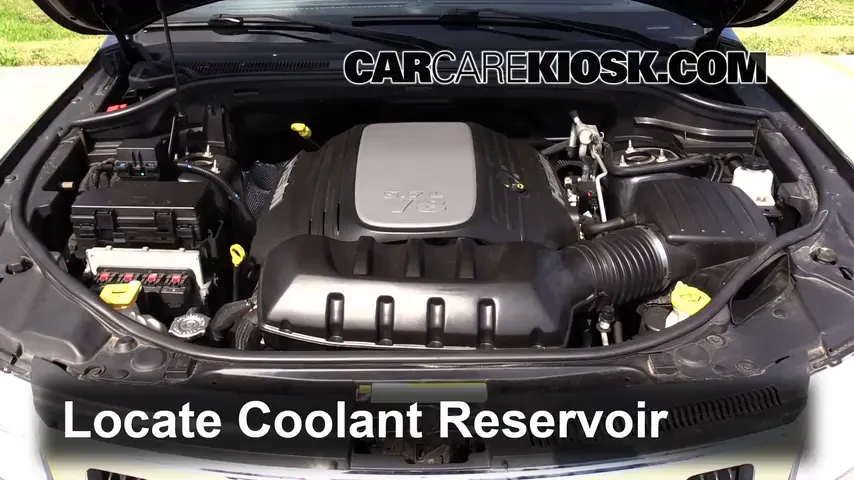
2. Open The Hood And Locate The Coolant Reservoir
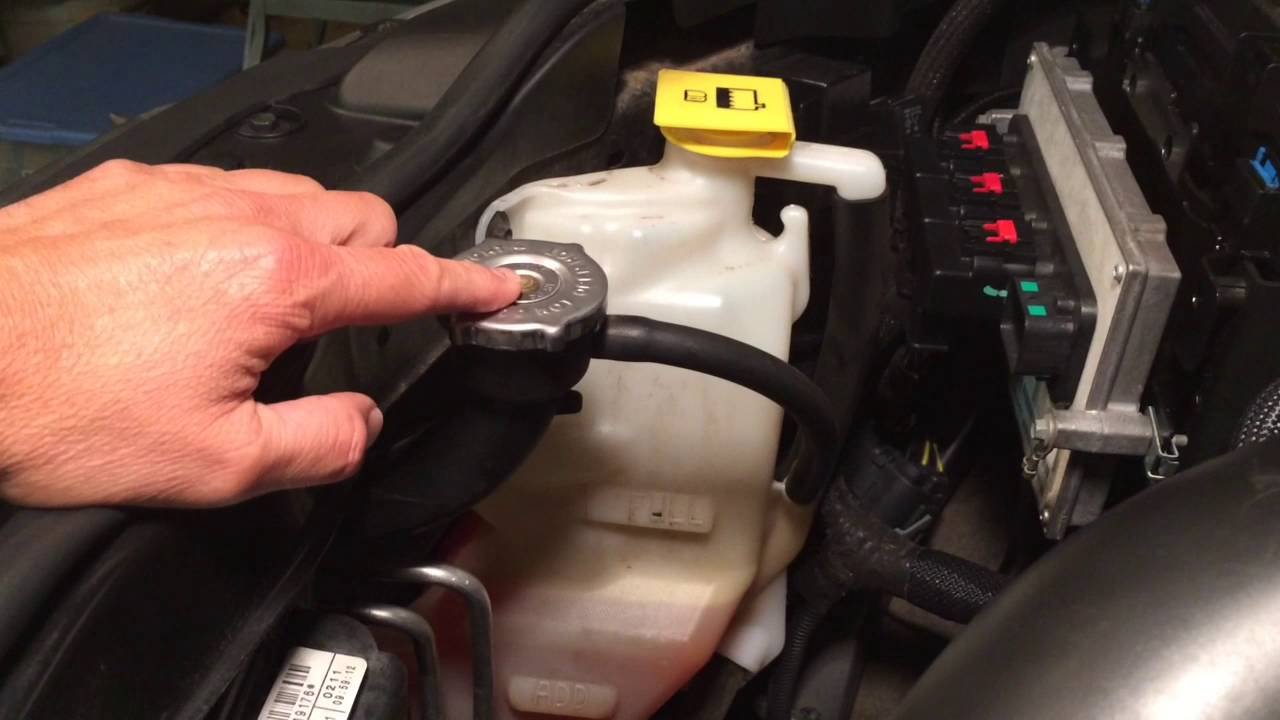
Pull the hood release lever inside your Jeep. Find the coolant reservoir—a plastic tank near the radiator, usually marked with a cap that says “engine coolant” or has a thermometer symbol.
3. Check The Coolant Level
Look at the side of the reservoir. There should be “MIN” and “MAX” lines. If the liquid is below “MIN,” you need to add more.
Pro Insight: If you can’t see the level, gently tap the side or use a flashlight.
4. Prepare Your Antifreeze
If you have pre-mixed coolant, you’re ready to pour. If you bought concentrate, mix it with distilled water in a 1:1 ratio (50/50) in a clean container.
5. Remove The Cap
Slowly twist the coolant reservoir cap counterclockwise. If you feel pressure or hear a hiss, wait a bit longer and try again.
6. Add Antifreeze
Insert a funnel into the opening. Pour antifreeze in small amounts until the level reaches the “MAX” line. Avoid overfilling.
Extra Tip: Overfilling can cause leaks when the coolant expands.
7. Reinstall The Cap
Wipe any spills with a clean cloth. Replace the cap and twist until it’s tight.
8. Run The Engine (optional, But Recommended)
Start your Jeep and let it run for 5 10 minutes with the heater on high. This helps remove air bubbles.
Turn off the engine, wait for it to cool, and recheck the level. Add more if needed.
9. Clean Up
Dispose of any leftover antifreeze safely. Store the bottle out of reach of children and pets.
How To Fully Replace (flush) Coolant
Sometimes, you may need to replace all the coolant, not just add more. This is called a coolant flush. It’s more involved but doable at home.
- Lift the Jeep with jack stands or ramps for better access.
- Place a drain pan under the radiator drain plug.
- Open the plug and let the old coolant drain out.
- Close the plug and fill with distilled water.
- Run the engine for 10 minutes, then drain again.
- Fill with new antifreeze (mixed with water if needed) up to the “MAX” line.
Here’s a quick comparison of topping off versus a full flush:
| Action | Time Needed | Difficulty | Purpose |
|---|---|---|---|
| Add Antifreeze | 10–20 minutes | Easy | Low coolant only |
| Flush & Replace | 1–2 hours | Moderate | Dirty or old coolant |
Pro Insight: If your coolant looks rusty, oily, or you see floating debris, a flush is often safer than just topping up.
Common Mistakes To Avoid
Even careful owners can make small errors. Here are mistakes to watch out for:
- Adding coolant to a hot engine: Risk of burns and cracked parts.
- Using the wrong coolant type: Can cause sludge, leaks, or engine damage.
- Mixing different antifreeze brands or colors: May reduce effectiveness.
- Overfilling the reservoir: Can lead to leaks when the engine heats up.
- Forgetting to bleed air: Air pockets can cause overheating.
Tip: If you’re not sure, ask your dealer or a trusted mechanic. Mistakes can be costly.
Signs Of Coolant Problems In A Jeep Grand Cherokee
Watch for these warning signs after adding antifreeze:
- Coolant smell inside: May mean a leak in the heater core.
- Puddle under the Jeep: Check color—green, orange, or pink indicates a coolant leak.
- Engine overheating warning: Stop driving and call for help.
- Bubbles or sludge in the reservoir: May signal a blown head gasket.
Non-obvious insight: Sometimes, a slow leak only shows up as low coolant every few weeks. Check your level regularly, especially after topping up.
How Much Antifreeze Does A Jeep Grand Cherokee Need?
The cooling system capacity changes by engine size and model year. Most Grand Cherokees hold between 13 and 17 quarts (about 3.3 to 4.2 gallons) of coolant.
Here’s a quick table for reference:
| Engine Type | Year Range | Coolant Capacity (quarts) |
|---|---|---|
| 3.6L V6 | 2013–present | 14.0 |
| 5.7L V8 | 2011–present | 15.0 |
| 6.4L V8 | 2012–present | 16.7 |
You usually only need 1 2 quarts to top off. For a full flush, buy enough to match your engine size.
Extra Tips For Success
- Record the date and mileage when you add or replace coolant.
- Check for leaks for a few days after topping up—wet spots or sweet smells can mean trouble.
- Buy quality antifreeze. Cheaper brands may lack needed additives.
- Keep a spare bottle of the correct coolant in your trunk for emergencies.
For more technical details, consult the official Jeep maintenance schedule.
Maintaining your Jeep Grand Cherokee’s cooling system is one of the simplest ways to avoid breakdowns and expensive repairs. Adding or replacing antifreeze doesn’t require advanced tools—just care, the right product, and attention to detail. By following these steps, you’ll keep your engine protected in all weather, enjoy smoother rides, and have peace of mind on the road.
Frequently Asked Questions
How Often Should I Check My Jeep Grand Cherokee’s Coolant Level?
Check your coolant level at least every 2 3 months, or before long trips. Look more often if you notice leaks or overheating.
Can I Use Water Instead Of Antifreeze In An Emergency?
In a short-term emergency, distilled water can be used to top off, but only until you can add the right coolant. Water alone doesn’t protect against freezing, boiling, or corrosion.
What Happens If I Mix Different Types Or Colors Of Antifreeze?
Mixing different types can cause the coolant to thicken or turn to sludge, leading to blockages or engine damage. Always use the recommended type for your Jeep Grand Cherokee.
My Coolant Level Keeps Dropping. What Should I Do?
If you’re adding coolant often, you may have a leak or a bigger issue. Check for wet spots, steam, or sweet smells, and visit a mechanic if you can’t find the cause.
Is It Safe To Open The Radiator Cap To Check The Coolant?
Only open the radiator cap when the engine is completely cool. Opening it while hot can cause serious burns from steam or boiling coolant. Use the reservoir tank for routine checks.