If you drive a 2021 Jeep Grand Cherokee L, you probably want to make the most of its 4WD (four-wheel drive) system. This feature helps you drive safely in rain, snow, mud, or on rough roads. But it can be confusing if you’re new to Jeep or 4WD vehicles. Understanding how to put your Grand Cherokee L in 4WD is important for your safety and your SUV’s performance. In this guide, you’ll learn exactly how to engage 4WD, the differences between 4WD systems, and what to do (and not do) when using it.
Understanding The 2021 Jeep Grand Cherokee L 4wd Systems
The 2021 Grand Cherokee L offers several 4WD systems. Most models come with Quadra-Trac I, Quadra-Trac II, or Quadra-Drive II. Each works a little differently:
- Quadra-Trac I is always active, so you don’t need to switch anything.
- Quadra-Trac II and Quadra-Drive II let you choose between modes for different conditions.
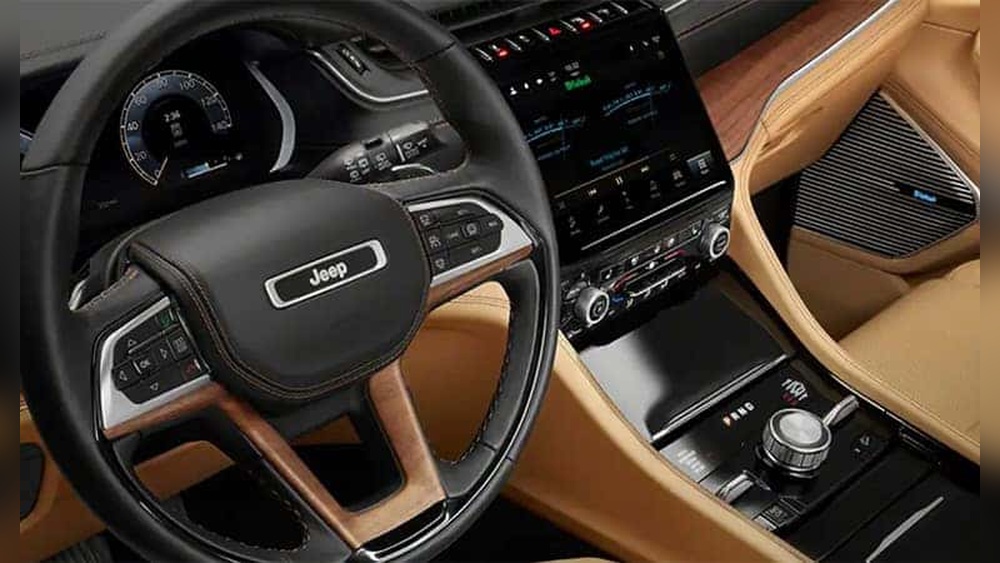
Knowing which system your SUV has is the first step. You can check your owner’s manual or look at the drive mode selector near your gear shifter.
Here’s a quick comparison:
| 4WD System | How It Works | User Control? | Best For |
|---|---|---|---|
| Quadra-Trac I | Always on, automatic | No | Daily driving, light off-road |
| Quadra-Trac II | Selectable modes | Yes | Snow, mud, sand, towing |
| Quadra-Drive II | Advanced selectable | Yes | Challenging off-road |
How To Put Your 2021 Jeep Grand Cherokee L In 4wd
Most 2021 Grand Cherokee Ls use a Selec-Terrain dial or switch. Here’s how to use it:
- Find the Selec-Terrain dial on the center console. It’s usually near the gear shifter.
- Stop the vehicle or slow down to below 5 mph (8 km/h) for safe switching.
- Turn the dial to the mode you need:
- Auto: For normal roads, the SUV chooses the best settings.
- Snow: For icy or snowy roads.
- Sand/Mud: For loose, soft surfaces.
- Rock: For climbing over rocks (Quadra-Drive II only).
- Wait for the indicator on the dashboard to show the new mode is active.
If your Jeep has Quadra-Trac I, it’s always in 4WD. For Quadra-Trac II or Quadra-Drive II, selecting a mode tells the SUV to change how power goes to the wheels.
What Each Mode Does
- Auto: Handles most situations. The system sends power where it’s needed.
- Snow: Increases traction for slippery conditions.
- Sand/Mud: Keeps wheels from spinning and helps you avoid getting stuck.
- Rock: Slows things down for control when climbing (use only off-road).
Tips For Safe 4wd Use
Using 4WD isn’t just about turning a dial. Here are some important tips:
- Don’t use 4WD on dry pavement unless your Jeep says it’s okay. It can damage the system.
- When in mud or snow, keep your speed steady. Don’t stop suddenly.
- Shift to neutral if the system tells you to (check your display).
- Avoid sharp turns in 4WD, especially on hard surfaces.
- After off-roading, inspect your tires and undercarriage for damage.
One insight many people miss: 4WD helps with traction, but not with stopping. It won’t help you brake faster on ice, so drive carefully.
When Should You Engage 4wd?
The most common times to use 4WD are:
- Heavy rain and standing water
- Snowy or icy roads
- Loose gravel or sand
- Deep mud
- Off-road trails
You do not need to use 4WD for every situation. In fact, using it on dry highways can cause extra wear.
A common mistake: Some drivers think 4WD makes them invincible. Always adjust your speed and keep a safe distance from other cars.
Comparison: 2wd Vs. 4wd Performance
To help you decide when to use 4WD, see how it compares to 2WD:
| Condition | 2WD Performance | 4WD Performance |
|---|---|---|
| Dry pavement | Normal | Unnecessary; can cause wear |
| Snow/Ice | Slips easily | Much better traction |
| Mud/Sand | Likely to get stuck | Better at keeping moving |
| Rain | Some risk of sliding | More stable |
What If The 4wd Light Is Flashing Or Won’t Engage?
If you turn the dial and the 4WD light flashes or does not stay on, your system may not have switched. Try these steps:
- Bring the vehicle to a complete stop.
- Shift into neutral.
- Try turning the dial again.
- If it still does not work, check for error messages on your display.
- If all else fails, contact a Jeep dealer.
Sometimes, temperature changes or electronics can cause temporary issues. If the problem continues, it may need a technician.
Advanced Tips Most Owners Overlook
- Tire pressures matter: Uneven tire pressure can confuse the 4WD system. Check pressures often, especially before off-road trips.
- Regular maintenance: The 4WD system uses special fluids and parts. Follow the service schedule in your manual.
Many beginners forget that 4WD systems need regular exercise. Use it a few times a year, even if roads are dry, to keep things working smoothly.
Frequently Asked Questions
How Do I Know If My 2021 Jeep Grand Cherokee L Is In 4wd?
Look at the dashboard display. When 4WD is active, you’ll see a symbol or the name of the mode you selected. If you don’t see it, the system may not be engaged.
Can I Switch To 4wd While Driving?
Yes, for most modes you can switch while moving slowly (below 5 mph). For Rock mode or if the manual says so, stop the vehicle and shift to neutral first.
Will Using 4wd Hurt My Jeep On Dry Roads?
Using 4WD on dry pavement can cause extra wear on the drivetrain. Only use 4WD on slippery or loose surfaces unless your system is designed for full-time 4WD.
What Should I Do If 4wd Won’t Engage?
First, stop the vehicle, shift to neutral, and try selecting the mode again. If it still does not work, check for error messages. If needed, visit a Jeep authorized service center.
How Often Should I Use My 4wd System?
Even if you don’t need it often, use 4WD at least a few times per year. This helps keep the system lubricated and working properly.
Driving your 2021 Jeep Grand Cherokee L with confidence comes from understanding your 4WD system. With these steps and tips, you’ll be ready for whatever the road or trail throws your way.
Always follow your owner’s manual and drive safely, no matter what mode you’re in.