If you own a 2015 Jeep Wrangler, you probably know it’s built for adventure. But to get the most out of this vehicle, you need to understand how to use its four-wheel drive (4WD) system correctly. Many owners are excited to try off-roading but feel unsure about shifting into 4WD. Using this feature the right way can keep you safe, protect your Jeep, and help you get through mud, snow, sand, and rough trails with confidence.
Some drivers think shifting into 4WD is complicated or risky for the transmission. Others may not know the difference between the 4WD settings. This guide will clear up confusion and walk you through exactly how to put your 2015 Jeep Wrangler in 4WD, step by step.
You’ll also learn when to use each 4WD mode, common mistakes to avoid, and how to troubleshoot if things don’t go as expected.
Understanding The Jeep Wrangler’s 4wd System
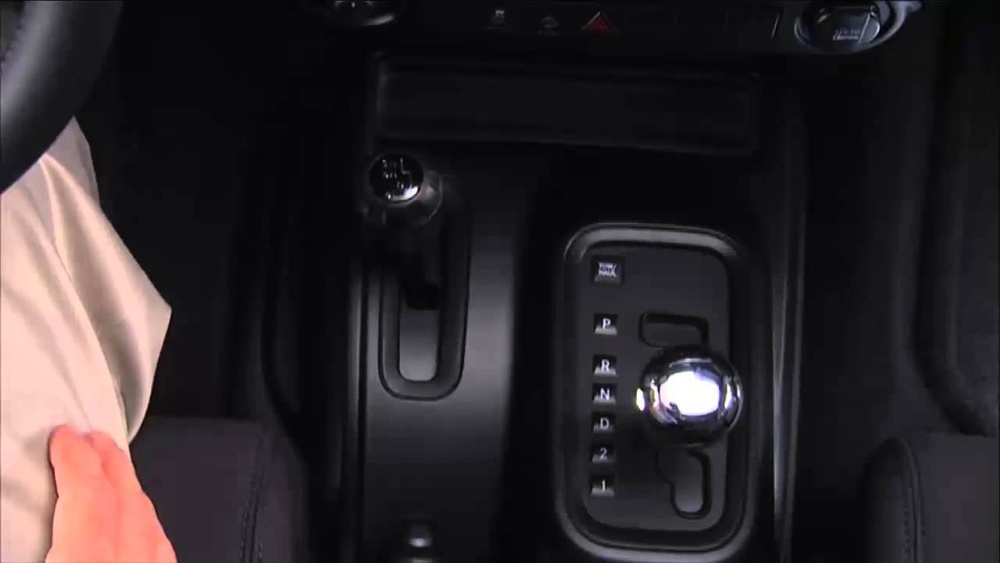
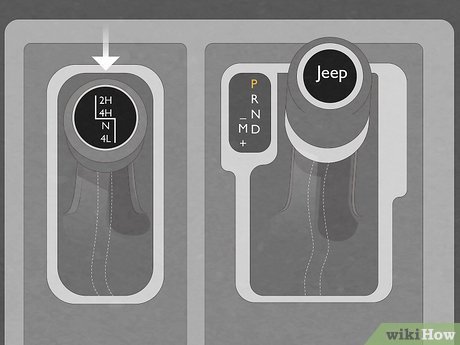
The 2015 Jeep Wrangler uses a part-time 4WD system called Command-Trac. This system lets you choose between 2WD (two-wheel drive) and several 4WD modes depending on the road or trail conditions.
There are three main positions on the 4WD lever:
- 2H (Two-High): For normal driving on dry, paved roads. Power goes to the rear wheels only.
- 4H (Four-High): For slippery roads, snow, light off-roading. Power goes to all four wheels. Used at higher speeds.
- N (Neutral): Disconnects the wheels from the drivetrain. Used for flat towing only.
- 4L (Four-Low): For tough off-road conditions. Provides extra torque at low speed.
Knowing which mode to use, and when, is key to getting the best performance without damaging your Jeep.
When Should You Use 4wd?
Many drivers ask if they should use 4WD all the time. The answer is no—using 4WD on dry pavement can damage your Jeep’s drivetrain. Here’s when to use each mode:
- 2H: Everyday driving on normal roads.
- 4H: Rain, snow, ice, sand, or easy off-roading.
- 4L: Deep mud, steep hills, rocks, or when you need maximum torque at slow speeds.
If the road is dry and you don’t need extra traction, always stick with 2H.
How To Shift Into 4wd In A 2015 Jeep Wrangler
Let’s go through the safe way to shift into each 4WD mode. The Wrangler uses a manual lever near the center console (not a button or dial).
Engaging 4h (four-high)
- Slow down: Reduce your speed to below 45 mph (preferably under 35 mph for best results).
- Keep moving: You do not need to stop completely. Keep the Jeep rolling straight.
- Move the lever: Firmly pull the 4WD lever from 2H straight down to 4H. You may feel a slight resistance.
- Check the light: A 4WD light should appear on your dashboard, confirming you are in 4H.
Tip: If the lever feels stuck, shift the transmission into Neutral, then back to Drive, and try again.
Engaging 4l (four-low)
- Come to a complete stop: The Jeep must be fully stopped.
- Shift to Neutral: Move the main gear shifter to ‘N’ (Neutral).
- Move the 4WD lever: With the brake pressed, pull the 4WD lever from 2H/4H down and over to 4L. You may need to use a firm motion.
- Shift back to Drive: Move the gear shifter back to ‘D’ (Drive) or ‘1’ for manual.
- Check the 4L light: The dashboard indicator should confirm you are in 4L.
Returning To 2h (two-high)
- Slow down: Bring your speed below 5 mph (or stop for 4L).
- Shift to Neutral: If you’re in 4L, shift the gear lever to Neutral.
- Move the 4WD lever: Push the lever up toward 2H.
- Shift to Drive: Move back to Drive and accelerate gently.
4wd Mode Comparison
Below is a simple comparison of the three main modes and when to use them:
| Mode | Speed Range | Best For | Warning |
|---|---|---|---|
| 2H | All speeds | Dry pavement | Avoid 4WD on dry roads |
| 4H | Up to 55 mph | Rain, snow, sand | Do not use on dry pavement |
| 4L | Below 25 mph | Deep mud, rocks | Use only when needed |
Common Mistakes And How To Avoid Them
Many new Jeep owners make errors that can lead to drivetrain damage or poor performance. Here’s what to watch out for:
- Using 4WD on dry roads: This can cause binding and wear on parts.
- Shifting at high speeds: Always slow down before shifting. Never shift into 4L while moving.
- Forcing the lever: If it doesn’t move, don’t force it. Try rolling slightly in Neutral.
- Forgetting to check the dashboard: Always confirm the indicator light changes.
A non-obvious tip: If you feel vibration or hear clunks after shifting, drive a few feet forward and backward slowly. Sometimes the gears need to settle.
Real-world Example: Winter Driving
Imagine you’re driving your 2015 Jeep Wrangler and see a patch of ice ahead. You’re in 2H, but the road is getting slippery. Here’s what you do:
- Slow down to under 35 mph.
- Pull the 4WD lever into 4H while driving straight.
- The 4WD light comes on. You now have more traction.
- After you pass the icy area and return to dry pavement, slow down and shift back to 2H.
By following these steps, you stay safe and avoid damaging the Jeep’s system.
Troubleshooting 4wd Issues
Sometimes, the Wrangler’s 4WD system doesn’t shift as expected. Here are a few common problems and solutions:
- Lever stuck: Shift the transmission to Neutral and try again. Rolling a few inches can help.
- No dashboard light: The switch may be faulty, but if you feel the difference in traction, 4WD may still be working.
- Grinding noise: Stop immediately and return to 2H. Grinding usually means the gears didn’t mesh. Try shifting again while rolling slowly.
- Difficult to disengage from 4WD: Back up a few feet, then move forward. This often helps the transfer case release.
If problems continue, have a mechanic check the system.
Tips For Smooth 4wd Shifting
- Shift at the right speed: Under 45 mph for 4H, stopped for 4L.
- Be gentle: Use steady pressure on the lever, not sudden force.
- Keep wheels straight: Turning while shifting can make it harder.
- Practice in a safe area: Try shifting in a parking lot before going off-road.
A pro tip: If you plan to off-road often, lubricate the transfer case lever linkage yearly. This keeps shifting smooth and prevents sticking.
Maintenance For The 4wd System
Taking care of your Jeep’s 4WD system is simple but important. Regular checks and fluid changes will keep it running for years.
- Transfer case fluid: Change every 30,000 to 60,000 miles, or after heavy off-roading.
- Check for leaks: Look under the Jeep for drips after rough use.
- Listen for noises: Clicking, grinding, or clunks are warning signs.
- Test 4WD regularly: Shift into 4H and 4L every few months to keep parts moving freely.
If you’re unsure, the owner’s manual or a trusted mechanic can help with maintenance schedules.
Comparing Manual Vs. Automatic 4wd Systems
Some modern vehicles have automatic 4WD, but the 2015 Wrangler uses a manual lever. Here’s a comparison for clarity:
| Feature | Manual 4WD (Wrangler) | Automatic 4WD |
|---|---|---|
| Control | Driver chooses when to engage | System engages automatically |
| Complexity | Simpler, easier to repair | More sensors, costly repairs |
| Best For | Off-roading, tough conditions | Mixed conditions, convenience |
Manual systems like the Wrangler’s give you more control, especially on trails.
Safety Precautions Before Using 4wd
Never rush to use 4WD without checking a few basics:
- Tire condition: Uneven tires can make 4WD less effective and damage parts.
- Tire pressure: Keep all tires at the recommended PSI.
- Obstacles: Know your route and avoid large rocks or deep mud if you’re not experienced.
- Passengers and gear: Secure everything inside—sudden shifts in terrain can toss loose items.
Before heading out, let someone know your plans. Off-roading can be unpredictable.
Data: How Often Do Jeep Owners Use 4wd?
Based on a survey of Jeep Wrangler drivers (source: JeepForum):
| Usage Frequency | Percentage of Owners |
|---|---|
| Weekly or more | 15% |
| Monthly | 35% |
| Rarely (few times a year) | 50% |
Most owners use 4WD for bad weather or occasional off-roading.
Extra Insights Most Beginners Miss
First, always shift into 4WD before you need it. If you wait until you’re stuck, it may be too late—the wheels can spin, making it hard for the system to engage.
Second, remember that 4WD helps with traction but does not help you stop faster. Many drivers think they’re invincible in snow or mud. Slow down and leave extra distance for braking.
Frequently Asked Questions
How Fast Can I Drive In 4h In My 2015 Jeep Wrangler?
You can safely drive up to 55 mph in 4H, but it’s best to stay below 45 mph when road conditions are poor. Never use 4H on dry pavement.
Can I Shift From 2h To 4h While Moving?
Yes, you can shift from 2H to 4H while driving at low speed (below 45 mph). Make sure the wheels are straight and you’re not accelerating hard.
Why Does My 4wd Lever Feel Stuck?
The lever can stick if the Jeep is stopped on an incline, or if pressure is on the drivetrain. Try shifting to Neutral and rolling the vehicle a few inches.
Is 4wd The Same As Awd?
No, 4WD (like in the Wrangler) is part-time and meant for off-roading or slippery roads. AWD is always on and for mixed conditions. For a full explanation, see this Edmunds guide.
Should I Use 4wd In The Rain?
Use 4H in heavy rain only if you lose traction, like on flooded roads or deep puddles. For light rain on paved streets, 2H is fine.
Driving a 2015 Jeep Wrangler with 4WD is fun and safe when you know how to use it. Practice these steps, avoid common mistakes, and keep your system maintained.
With this knowledge, you’ll be ready for your next adventure on or off the road.