Getting your 2003 Jeep Grand Cherokee into 4WD can boost traction and control, especially in tough road conditions. Many Jeep owners, especially first-timers, worry about using 4WD correctly. Some fear damaging their vehicle or getting stuck. The truth is, using 4WD is simple when you know the steps and understand your Jeep’s system. This guide gives you clear, actionable advice, and helps you avoid common mistakes drivers often make.
Understanding The 2003 Jeep Grand Cherokee 4wd System
The 2003 Grand Cherokee offered several 4WD systems. The most common are Selec-Trac, Quadra-Trac I, and Quadra-Trac II. Each works a bit differently.
- Selec-Trac: Full-time 4WD with 2WD, 4WD Part-Time, and 4WD Full-Time modes.
- Quadra-Trac I: Always in 4WD; no driver input required.
- Quadra-Trac II: Full-time 4WD with low-range capability for serious off-roading.
Knowing which system your Jeep has is key. Check your owner’s manual or look for badges on the console.
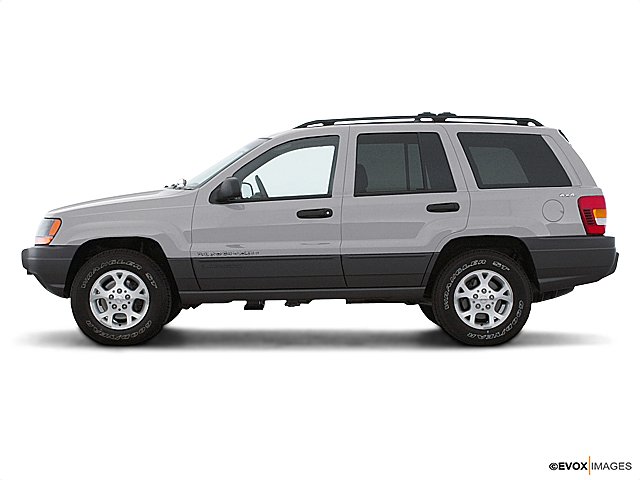
If you’re unsure, your VIN can be decoded at a Jeep dealer.
When To Use 4wd
4WD isn’t for every drive. Use it when you need extra traction—like snow, mud, sand, or rocky trails. Don’t use 4WD on dry pavement, as it can stress drivetrain parts and cause tire wear.
Common scenarios for 4WD:
- Heavy rain or snow
- Unpaved, muddy, or icy roads
- Off-road trails
How To Engage 4wd In Your 2003 Jeep Grand Cherokee
For Selec-trac System
- 2WD to 4WD Part-Time: Slow to under 45 mph. Shift the lever from 2WD to 4WD Part-Time. You can do this while moving—no need to stop.
- 4WD Part-Time to 4WD Full-Time: Shift lever at any speed under 45 mph.
- Engaging 4LO (Low Range): Stop the Jeep. With the transmission in Neutral, push firmly and pull the lever to 4LO. Wait for the “4LO” light to confirm engagement.
For Quadra-trac I
This system is always in 4WD. There’s no lever or button—you don’t need to do anything.
For Quadra-trac Ii
- Normal Driving: The system works automatically.
- Engaging 4LO: Stop completely. Shift the transmission to Neutral. With your foot on the brake, move the 4WD lever to 4LO. Wait for the “4LO” light to confirm.
Tip: Never shift into or out of 4LO while moving. This can damage the transfer case.
Step-by-step Example: Using Selec-trac In Winter
Imagine you’re on a snowy road. You’re driving in 2WD, but the road becomes slippery.
- Slow down to below 45 mph.
- Pull the lever from 2WD to 4WD Part-Time.
- Continue driving—power now goes to all wheels.
- If you need even more control, stop, shift to Neutral, then move the lever to 4LO.

Useful Comparison: 4wd Modes At A Glance
Here’s a quick look at what each mode does:
| Mode | When to Use | Speed Allowed |
|---|---|---|
| 2WD | Dry pavement | Any speed |
| 4WD Part-Time | Slippery or loose roads | Below 45 mph |
| 4WD Full-Time | Mixed conditions | Any speed |
| 4LO | Deep mud, sand, or steep hills | Below 25 mph |
Common Mistakes To Avoid
- Engaging 4LO while moving: Always stop fully and shift to Neutral.
- Using 4WD on dry roads: This can hurt your drivetrain.
- Ignoring the indicator lights: If the “4LO” or “4WD” light doesn’t come on, the system may not be engaged.
How To Disengage 4wd
- From 4LO to 4HI or 2WD: Stop the Jeep. Shift to Neutral. Move the lever up to 4HI or 2WD.
- From 4HI to 2WD: Slow down to below 45 mph. Pull the lever to 2WD.
Always wait for the indicator light to confirm the change.
4wd System Maintenance Tips
Keeping your 4WD system in good shape prevents breakdowns:
- Check transfer case fluid every 30,000 miles.
- Listen for noises: Clicking or grinding can mean trouble.
- Test your 4WD before winter or off-roading.
Neglecting maintenance is a common beginner’s mistake. Regular checks save money and hassle.
Quick Comparison: Selec-trac Vs Quadra-trac Ii
Some owners wonder how their system compares to others.
| System | Driver Input Needed? | Low Range? | Best For |
|---|---|---|---|
| Selec-Trac | Yes | Yes | Varied conditions |
| Quadra-Trac I | No | No | Everyday use |
| Quadra-Trac II | Low range only | Yes | Serious off-road |
Non-obvious Insights
- Tire Matching is Critical: All four tires should be the same size and wear. Mismatched tires can confuse the 4WD system and even cause damage.
- 4WD Won’t Help You Stop: Many think 4WD improves braking. It only helps with traction while moving, not stopping. Always drive carefully, even in 4WD.
Safety First
Before using 4WD, clear snow or mud from under your Jeep. Get familiar with controls before you need them practice shifting in an empty parking lot.
If you hear strange sounds or the 4WD light blinks, get it checked by a pro.
Final Thoughts
Using the 4WD system on your 2003 Jeep Grand Cherokee isn’t hard, but doing it right keeps you safe and protects your vehicle. Know your system, follow the correct steps, and avoid the mistakes that many new owners make. With a bit of practice, you’ll handle tough roads with confidence. For more details, check the official Jeep Grand Cherokee Wikipedia page.
Frequently Asked Questions
Can I Switch To 4wd While Driving?
Yes, you can shift from 2WD to 4WD Part-Time or Full-Time while moving below 45 mph. To engage 4LO, always stop and shift to Neutral first.
What If My 4wd Light Keeps Blinking?
A blinking 4WD light means the system hasn’t engaged properly. Try shifting again, or check for mechanical issues.
Is It Safe To Use 4wd All The Time?
Only use 4WD on slippery or loose surfaces. On dry pavement, 4WD can damage your drivetrain.
How Often Should I Maintain My 4wd System?
Check fluids and test your 4WD every 30,000 miles or before heavy use. Listen for unusual sounds and fix problems early.
Does 4wd Improve Fuel Economy?
No, 4WD usually lowers fuel economy because it adds resistance. Use it only when needed for traction.


















